Vera Clarissa
Researchers at Paradigm Shift have unveiled a critical security vulnerability, dubbed "SecureROM Exploit," that targets Apple’s A12 and A13 Bionic chips, impacting a wide range of iPhones and iPads. This discovery, alongside significant updates to Apple’s operating systems, including the rollout of a new Siri AI and the discontinuation of support for older Apple Watch models in watchOS 27, marks a pivotal moment in device security and ecosystem evolution. Meanwhile, a dedicated engineer has developed a workaround to preserve functionality for Network Time Capsule users in the latest macOS release, demonstrating community-driven innovation in the face of evolving software.
Unpatchable SecureROM Exploit Threatens A12 and A13 Chip Devices
A groundbreaking report published by Paradigm Shift has detailed a newly discovered exploit targeting the SecureROM, a fundamental component of Apple’s A12 and A13 Bionic system-on-a-chip (SoC). This vulnerability, discovered by researchers on June 20, 2026, has significant implications for the security of devices powered by these chips, which include popular models such as the iPhone XS, XS Max, XR, 11, 11 Pro, and 11 Pro Max, as well as certain iPad and Apple Watch models (specifically those with S4 and S5 chips).
The SecureROM is designed to be an immutable, read-only bootloader that initiates the secure boot chain of an Apple device. Its integrity is paramount to the overall security architecture, ensuring that only trusted Apple software can be executed. The exploit, as described in the Paradigm Shift research, appears to leverage a flaw that allows for unauthorized code execution at a very early stage of the boot process. While details remain technical, the implications are profound: if an attacker can compromise the SecureROM, they could potentially bypass fundamental security measures, leading to a deeper level of system compromise that is exceptionally difficult, if not impossible, to patch through standard software updates.
This "unpatchable" nature stems from the fact that the SecureROM is stored in hardware and cannot be altered by operating system updates. Unlike software vulnerabilities that can be addressed with security patches, a hardware-level exploit requires a silicon revision or a complete redesign of the chip to be fully mitigated. The researchers at Paradigm Shift have indicated that the exploit allows for persistent access, meaning it could potentially survive reboots and even device resets, posing a significant risk to user data and device integrity.

The affected A12 and A13 Bionic chips have been in circulation for several years, meaning a substantial number of devices remain vulnerable. While Apple has not yet issued a public statement addressing this specific exploit, the company typically responds to such discoveries with security updates and, in some cases, hardware revisions for future products. The immediate concern for users of affected devices revolves around the potential for advanced persistent threats (APTs) or sophisticated malware that could exploit this weakness for espionage or data theft.
watchOS 27 Signals End of Support for Older Apple Watch Models
In a move that will impact a significant segment of its smartwatch user base, Apple has announced that watchOS 27, slated for release this fall, will officially drop support for several popular Apple Watch models. This decision, part of Apple’s regular ecosystem management, means that the Series 6, Series 7, Series 8, the second-generation Apple Watch SE, and the first-generation Apple Watch Ultra will no longer receive major software updates.
This development, confirmed by Apple’s Senior watchOS team in recent interviews, is attributed to the increasing demands of new software features and the need to maintain optimal performance and power efficiency. Cait Dooley, a representative from the watchOS team, elaborated on this during an interview with TechRadar, stating, "With every software release across every single one of our platforms, we always want to ensure that you have the best experience, so we make power and performance a priority. The great new features in watchOS, including the capabilities of Siri AI and the new tap gesture, work best with the processing power that is in Apple Watch Series 9 and later, Ultra 2 and later, and SE 3."
The discontinuation of support for these models, some of which are only a few years old, highlights the rapid pace of technological advancement in the wearable market. While the affected devices will continue to function, they will no longer receive new features, security patches, or critical bug fixes, effectively rendering them legacy devices from a software perspective. This raises concerns for users who rely on their smartwatches for essential functions and security. The move also incentivizes users to upgrade to newer models to remain within the Apple ecosystem’s supported hardware and software.
The introduction of the new Siri AI, which is reportedly rolling out to users who joined a waitlist, and the enhanced tap gesture are among the key features driving this update cycle. These advancements likely require more processing power and memory than older chipsets can adequately provide while maintaining a smooth user experience. Apple’s strategy of phasing out support for older hardware is a common practice across its product lines, ensuring that its software innovations are delivered on capable hardware, thereby maintaining its brand’s reputation for performance and reliability.
Firmware Updates Enhance AirPods Pro and Beats Studio Buds
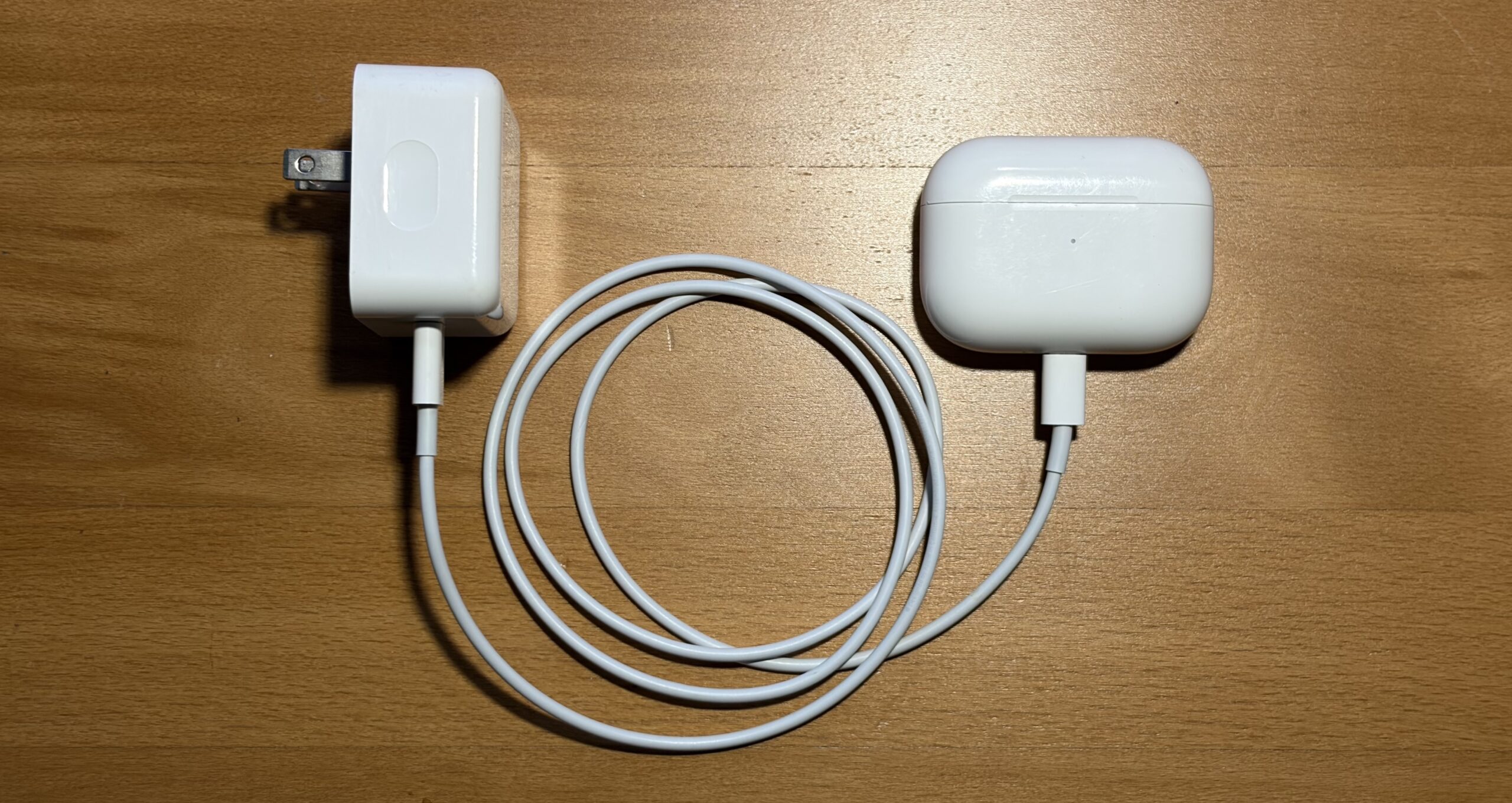
In parallel with major operating system developments, Apple has also rolled out recent firmware updates for its popular audio accessories, including the AirPods Pro (2nd and 3rd generation) and Beats Studio Buds. These updates, released on June 20, 2026, focus on behind-the-scenes improvements designed to enhance the user experience.
While the specifics of the firmware updates are not detailed in the release notes, they are understood to address under-the-hood quality-of-life improvements. This typically includes enhanced stability, the resolution of various bugs that may have impacted audio performance or connectivity, and general optimizations to ensure the devices function as intended. For users, these updates often translate to a more reliable and seamless listening experience, although they may not introduce new user-facing features.
Installing these firmware updates is usually an automatic process when the AirPods or Beats are connected to an Apple device and charging. Users can typically check the current firmware version through their device’s Bluetooth settings. These ongoing updates demonstrate Apple’s commitment to supporting its accessory lineup, ensuring that even older models continue to perform optimally.
macOS 27 Beta and Developer Previews Unveiled
The upcoming releases of Apple’s operating systems are well underway, with developer betas for macOS 27 (codenamed "Golden Gate"), iOS 27, iPadOS 27, watchOS 27, tvOS 27, and visionOS 27 having been announced at WWDC on June 8, 2026. These early access versions provide developers and early adopters with a glimpse into the future of Apple’s software ecosystem.
macOS 27 "Golden Gate" is particularly notable for its significant changes, including the deprecation of Apple File Protocol (AFP). This move signals a broader industry shift towards more modern and efficient networking protocols. While AFP has been a staple for file sharing on macOS for many years, its phasing out is a clear indication of Apple’s strategic direction towards standardizing on SMB (Server Message Block) for network file access.
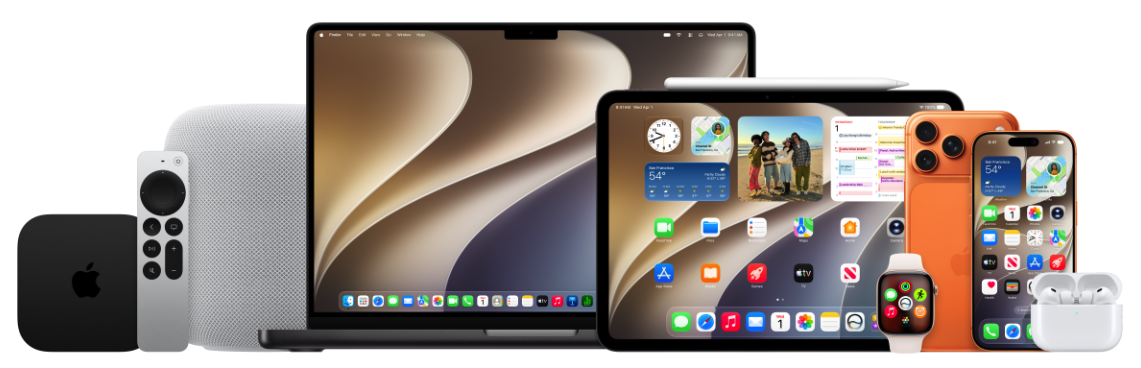
The developer betas are crucial for the ecosystem, allowing third-party developers to test their applications and ensure compatibility with the new operating systems. This proactive approach helps to minimize disruptions and ensure a smoother public release. Early impressions from developers suggest a focus on performance enhancements, new user interface elements, and deeper integration of AI capabilities across various applications. The availability of these betas on Apple’s developer portal allows for extensive testing and feedback before the final public release.
Innovative Solution Revives Network Time Capsule in macOS 27
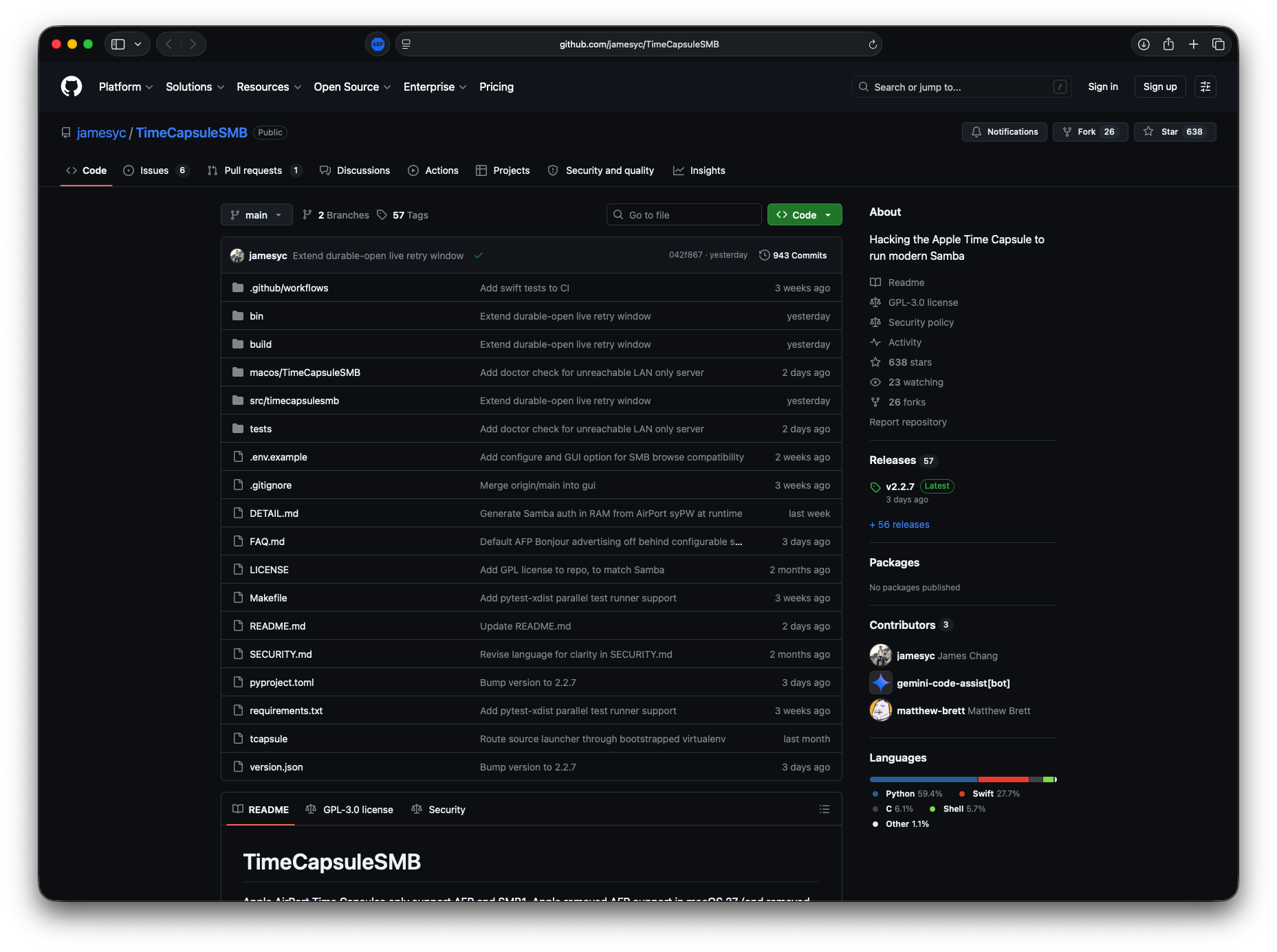
The deprecation of AFP in macOS 27 presented a challenge for users of Apple’s legacy Network Time Capsule devices, which relied heavily on this protocol for backups and network storage. However, a community-driven solution has emerged to address this compatibility gap. An engineer from Microsoft has developed a workaround named "TimeCapsuleSMB," which effectively enables Network Time Capsules to function with macOS 27 via SMB.
This ingenious project transforms the Network Time Capsule into a Samba 4.24.3 server. By leveraging the Samba protocol, which is still supported in macOS 27, the device can be discovered and utilized for backups and file sharing over the network. The solution also ensures that Bonjour, Apple’s zero-configuration networking protocol, can broadcast the Time Capsule’s availability, allowing macOS to seamlessly recognize it.
The TimeCapsuleSMB project is a testament to the ingenuity of the developer community and the flexibility of modern networking protocols. It allows users to extend the lifespan of their existing hardware, avoiding the need for immediate replacement. This community effort underscores the importance of open-source development and the collaborative spirit that drives technological innovation. The project’s GitHub repository provides detailed instructions for implementation, enabling users to restore functionality to their Network Time Capsules.
Rumors Suggest Second Camera for Future iPhone Air Model
Speculation is mounting regarding the potential inclusion of a second camera on a future iteration of the iPhone Air. This rumor, stemming from the desire of some users for enhanced photographic capabilities on Apple’s more accessible iPhone line, suggests a significant upgrade for the model.
Currently, the iPhone Air models are positioned as a balance between premium features and affordability, often omitting some of the more advanced camera hardware found in the Pro lineup. The addition of a second camera, potentially a telephoto or ultra-wide lens, would significantly broaden the photographic versatility of the iPhone Air, bringing it closer to the capabilities of its higher-end counterparts.
Such an upgrade, if implemented, could potentially lead to a delay in the release of the next iPhone Air generation as Apple integrates and optimizes the new camera system. This move would likely appeal to a broader audience, including those who desire more sophisticated photography tools without the premium price tag of the Pro models. The potential inclusion of a dual-camera system signals Apple’s ongoing efforts to differentiate its product tiers while simultaneously offering compelling features across its entire iPhone portfolio.
Release Candidates Issued for Sonoma and Sequoia Updates
Apple recently distributed Release Candidate (RC) builds for upcoming updates to macOS Sonoma and macOS Sequoia. These RC builds, issued last week, represent the final stages of development before the public release of these operating system updates. The release coincided with a series of OS 26.6 Developer Betas, indicating a busy period of software refinement for Apple.
Release Candidates are essentially feature-complete versions of the software that undergo final testing for bugs and stability issues. Their distribution to developers and beta testers allows Apple to gather last-minute feedback and ensure a polished experience for the wider public upon launch. These updates are expected to bring a host of new features, performance enhancements, and security improvements to macOS users. The simultaneous release of updates across different macOS versions suggests a coordinated effort to deliver a consistent and improved user experience across the Mac ecosystem.