Cecilia Chamidah Nur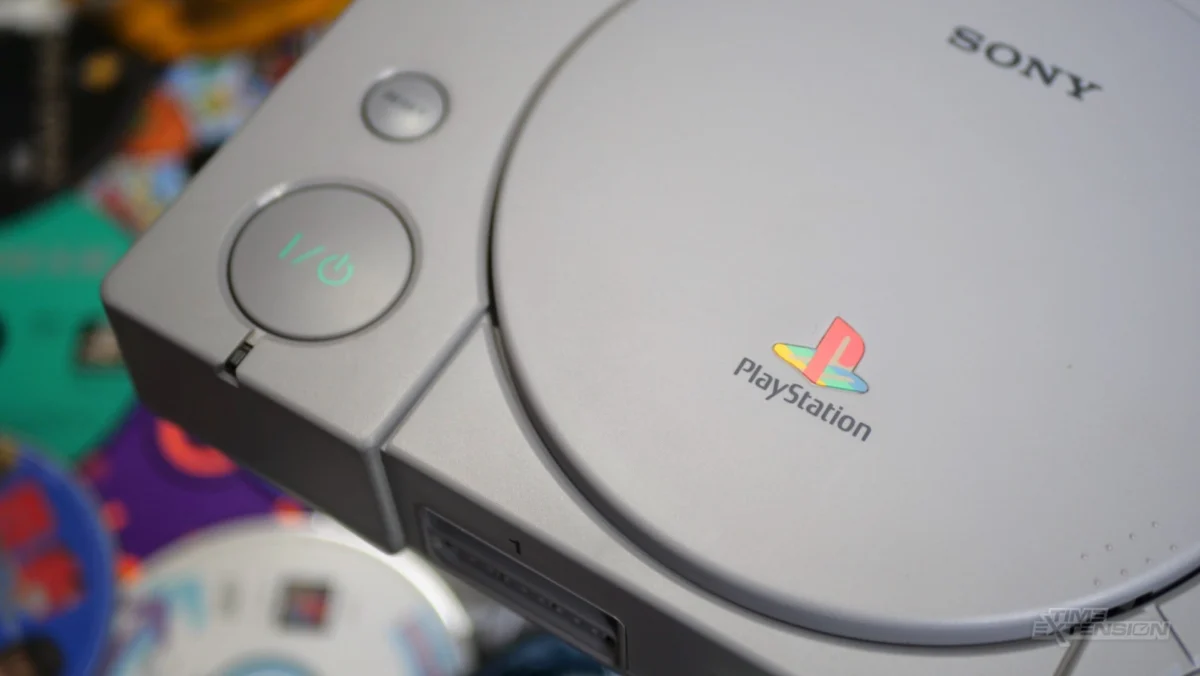
The landscape of video gaming in South Africa underwent a profound transformation in the post-apartheid era, particularly from 1995 onwards, with the arrival of the PlayStation console. This period was characterized by a unique confluence of economic challenges, delayed official distribution, and widespread piracy, which paradoxically contributed to the console’s widespread adoption and the eventual maturation of the local gaming market. This deep dive, drawing on expert recollections and historical records, explores the complex factors that shaped South Africa’s distinct gaming history.
Navigating a Fragmented Pre-PlayStation Market (Pre-1995)
Before the PlayStation’s debut, the South African video game market was largely fragmented and inconsistent. Official distribution channels for major consoles like Sega and Nintendo were often erratic, leading to a reliance on grey imports and a thriving bootleg scene. The early history of gaming in the country, as documented by researchers like Joshua Rogers on the NES and resources like Sega Retro, indicates a patchwork of regional variations and sometimes conflicting accounts.
For instance, the Sega ecosystem faced significant distribution complexities. While Sega Retro suggests Consumer Electronics handled Saturn distribution initially, with NuMetro engaging with Sega later in 2009, eyewitness accounts from individuals like Paul Loubser, a local gaming expert, and actor Marc Pleass, confirm NuMetro’s earlier involvement, specifically distributing the Saturn as early as 1995. Pleass’s online portfolio, detailing his role as "Event coordinator and presenter" for the "NuMetro Sega Saturn Game Holiday Program" in 1995, provides concrete evidence of this earlier engagement by the cinema chain. This early involvement of cinema companies in console distribution, a recurring theme, highlights the nascent and unconventional nature of the market. Given these historical ambiguities and Sega’s eventual withdrawal from hardware after the Dreamcast, the focus shifts to more consistently documented segments of the market.
Official Nintendo support also saw significant interruptions. According to Rogers’ research, the contract with Josse Feldman Ltd. concluded in 1995, leading to a seven-year hiatus before Funtronic resumed distribution of the GameCube and Game Boy Advance in November 2002. Despite these official gaps, dedicated collectors for both Sega and Nintendo maintained a presence, as evidenced by online auctions for complete collections of local gaming magazines and demo discs, fetching substantial prices.
The Rise of PlayStation and PC Gaming in the New South Africa
From 1995, the PlayStation range and PC gaming emerged as dominant forces, capturing the largest market share and benefiting from improved documentation. This period also saw the launch of New Age Gaming (NAG) in 1998, South Africa’s own domestically produced PC and PlayStation magazine. NAG’s freely available archive of legacy issues from 1998 and 1999 offers invaluable insights into the local gaming zeitgeist.
This gaming boom coincided with South Africa’s critical period of transformation under its newly elected government. The "New SA" grappled with significant socio-economic challenges, including alarmingly high crime rates (leading doctors globally to seek experience treating gunshot wounds in the country) and a volatile currency that had depreciated significantly since 1982, when it was stronger than the US dollar. Despite these profound difficulties, a palpable sense of optimism for the future permeated various sectors, including gaming.
NAG’s early issues reflect this optimism. Warren Steven, the magazine’s editor, articulated this sentiment in issue #2, covering a local Quake 2 tournament. On page 68, he wrote: "An amazing 272 entries came through into our mail accounts, all with promises of taking home the biggest prize in South African gaming history. As you can see from what’s been said, there is just cause for us to have hope for a better future of gaming in this country. If we can gather the powerhouses such as Creative Labs Africa, Super Diamond Computers, Mustek and Datatec together into one boardroom to discuss this venture, then winning that red Ferrari of John Carmack might not be too far off in that distant future." This statement underscored a burgeoning mainstream acceptance of gaming, attracting corporate sponsorships and fostering organized multiplayer communities.
Similar hopes were echoed for the PlayStation market on page 72: "As we progress down the evolutionary path of change, we come to wonder if we are ever going to see new and exciting developments in the retail sector. […] If we are to follow closely with the global advancements then we need entrepreneurs with vision and guts […] endeavour to keep up with the demanding technological advances that South Africans rarely see […] PlayStation titles can be rented or purchased. The rates are a touch on the expensive side […]" This article also described innovative, albeit rudimentary, "PS1 arcades" where games could be rented in-store for R5 per 15 minutes.
The PlayStation Effect: High Prices, Delayed Releases, and the Rise of Bootlegs
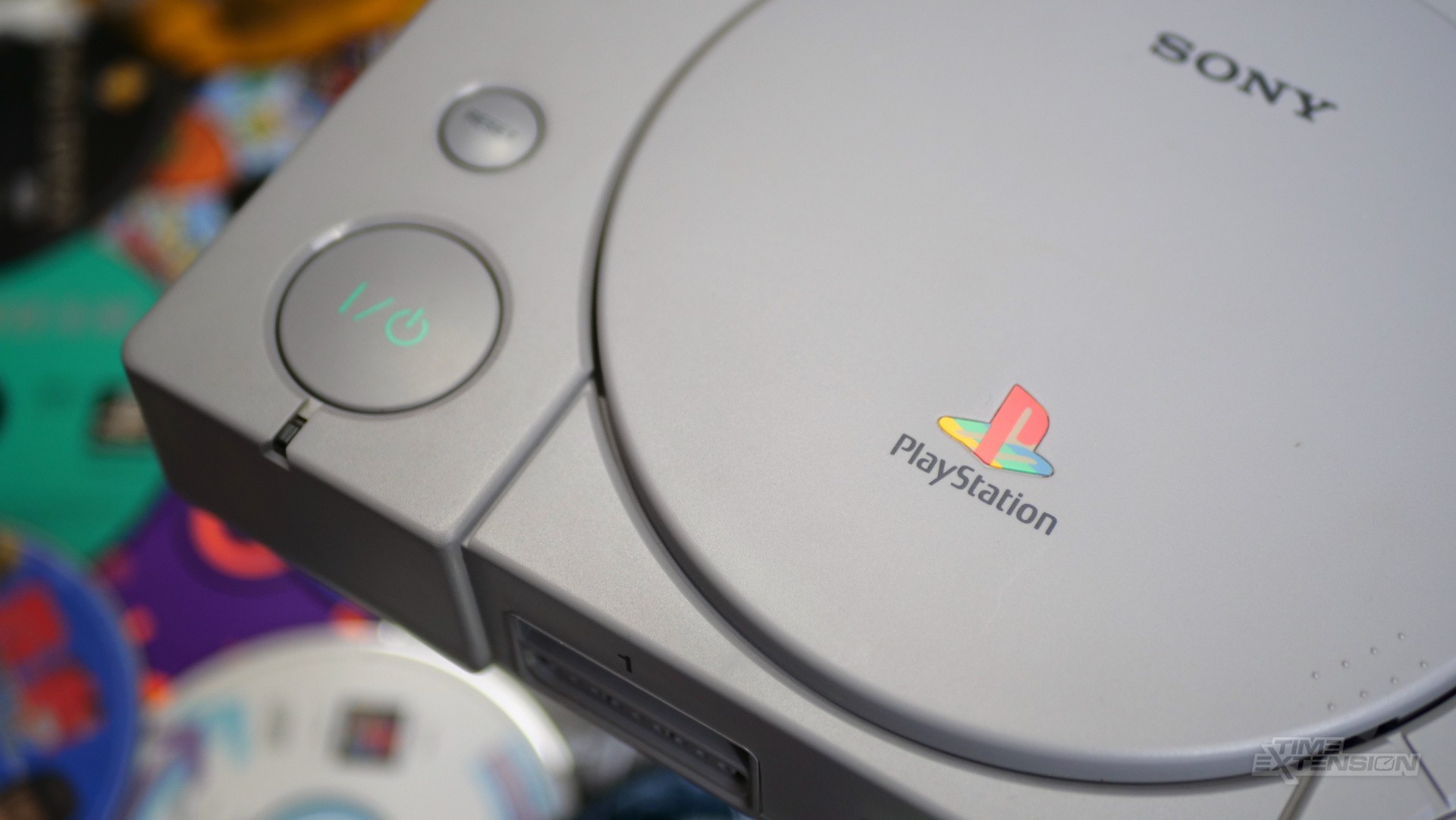
Sony’s decision to entrust PlayStation distribution in South Africa to the cinema chain Ster Kinekor in 1996 inadvertently created conditions ripe for a widespread bootleg market. This situation was exacerbated by three critical factors: high local pricing relative to previous generations and domestic living costs, the late arrival of inferior PAL 50Hz games after consumers had already experienced superior NTSC imports, and a PAL release catalogue that was significantly less comprehensive than what was available in other PAL territories like the UK.
The issue of cost was particularly acute. NAG’s inaugural issue in April 1998 listed games like Abe’s Odyssey and Bushido Blade with a Recommended Retail Price (RRP) of R400. At the time, this equated to approximately £47. In comparison, PS1 games in the UK retailed between £40 and £45. While this difference might seem minor, the local economic context made it exorbitant. Previous hardware generations saw Famiclone games start at R20 with systems at R200, and Mega Drive games costing up to R250 with the console at R800. In 1998, average monthly earnings for many South African workers were around R1200. This meant a single PS1 game could represent a substantial percentage of a person’s pre-tax monthly income. For context, in the UK, a minimum wage earner in 1998, earning approximately £580 per month, would spend about 8% of their income on a £45 game. The vast disparity in wages in South Africa, while complicating direct comparisons, consistently points to the high barrier to entry for official PS1 titles.
Paul Loubser, reflecting on his experience with a modded Japanese console imported before official PS1 availability, vividly illustrates this: "Trying to run PAL Mortal Kombat Trilogy on a Japanese console just wasn’t working. It would do weird things, like you’d only get the background, not the players. That was my first foray into PAL games on PS1. Because up until then I’d never even seen PAL games. It was also when I started looking at games locally and seeing their pricing and being like, wow, oh my God, these prices are insane!" He noted that imported Japanese and American copies, though still expensive, cost only slightly more at R450 than the domestically priced PAL versions.
Beyond pricing, Ster Kinekor’s distribution strategy significantly lagged behind other regions. The SA launch occurred a year after other PAL territories, and the catalogue was severely restricted. Loubser elaborated: "We were really gunning for the pirated stuff for a very important specific reason, and it was actually less to do with the pricing – it was the availability. You see the local distribution agents at Ster Kinekor […] they were not what I’d call gaming enthusiasts. So they went with the defaults and the basics, and didn’t have an understanding of gaming. That’s on top of the fact the PAL catalogue was so limited – it would see releases months after the American version, which in some cases was a year behind the Japanese. So Ster Kinekor only carried the PAL catalogue, which was limited, arriving late, very expensive – and they didn’t even bring over all of the PAL games available!"
A prime example of this delay was Final Fantasy VII. Released in Japan in January 1997, followed by America in September and the UK in November, it only received a domestic review in SA in NAG’s April 1998 issue—roughly five months after other PAL territories and over a year after its Japanese debut. This temporal lag meant that by the time official PAL versions arrived, many enthusiasts had already played through bootleg NTSC copies. Loubser described how Japanese releases of titles like Biohazard 2 would appear in SA the same month they launched, prompting locals to play pirated versions, then import legitimate US versions when available, effectively rendering the eventual PAL iteration irrelevant.
Bootleg Bounty: A Parallel Economy
The widespread availability and preference for pirated NTSC games became a defining characteristic of the South African market. Flea markets and even local stores became hubs for these unofficial copies. "The shopkeeper would bring them out for you, very much in the ‘Hong Kong style’, where if they felt comfortable with you, they would pull them from behind the counter and show you they’re available and much cheaper," Loubser recounted. These copies, often originating from Asia, initially consisted mainly of Japanese versions, exposing players to niche titles like SD Gundam: Over Galaxian. As demand grew, pirates expanded to American games, notably avoiding PAL versions due to their later release dates and 50Hz limitations.
Loubser himself briefly participated in this parallel economy, selling bootleg discs alongside originals at flea markets. He described a highly organized piracy industry: "We got games which were silkscreen printed. It wouldn’t look like the original game, but it would look legit. And you would get variations […] And this might get me killed, but these discs were not burned with a CD writer, these discs were pressed in a factory. Then they’d be smuggled into the country." This sophisticated operation ensured a steady supply of titles, often including pre-release or unreleased content, such as a broken development build of Legacy of Kain: Soul Reaver and an incomplete Tony Hawk’s Pro Skater, as well as the infamous Thrill Kill.
Crucially, Loubser observed the paradoxical effect of this widespread piracy: "I know it’s bad to say, but piracy did help the PlayStation market, because Ster Kinekor ended up selling a lot more PlayStations than initially projected. Later on we were selling consoles hand over fist, and we were getting them from legit suppliers in SA. These were the PAL consoles." The availability of cheap games, albeit illicit, drove console sales, creating a large install base that official distributors eventually benefited from.
The Evolution of the Retail Market and Informal Consulting
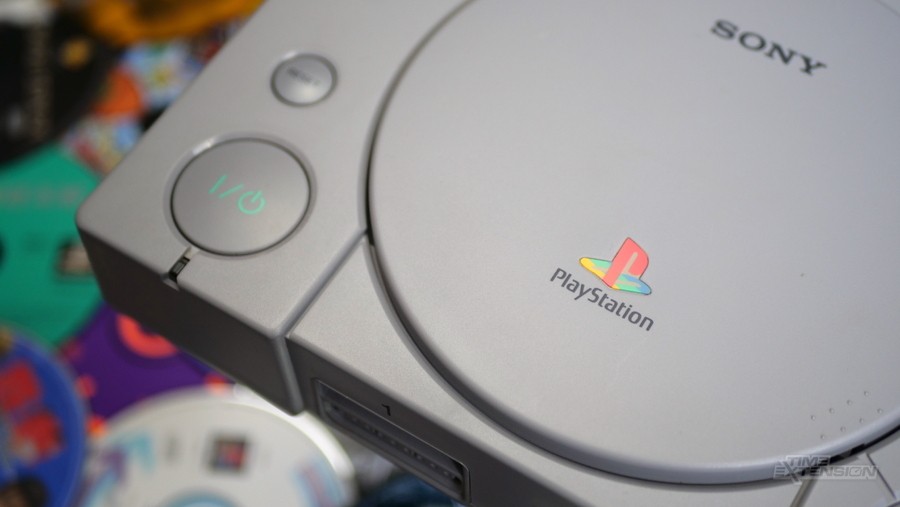
This unique market dynamic fostered the emergence of specialized retailers. Paul Loubser later co-founded Edge Games, which evolved into AnimeWorx, focusing on legitimate grey imports. These stores differentiated themselves by offering a curated selection beyond mainstream titles. "At some point everybody was just selling the same generic crap […] Everybody had Crash Bandicoot and Tekken. Everybody had the basic stuff," Loubser explained. "But we were reaching in there and getting the Squaresoft catalogue, or Konami’s Symphony of the Night, Suikoden, all these weird titles that other places didn’t sell."
Interestingly, these independent retailers became informal consultants for the major distributors. Loubser noted: "people who worked for the big distributors would be customers – in some cases for market research. This helped conversations happen about which games should come through." These interactions were pivotal in educating official channels about market demand. Distributors initially misjudged titles like Resident Evil 3: Nemesis, which sold poorly in PAL format due to high prices and early bootleg availability, mistakenly attributing it to the game’s quality. Through conversations with retailers like Loubser, who championed imported titles like Devil May Cry, distributors began to understand the true demand and expand their official catalogue, albeit often with significant delays. Ster Kinekor eventually sold its PlayStation division in 2018, marking the end of an era defined by these unique market forces.
The Emergence of Local Game Development: Celestial Games
Beyond distribution and retail, South Africa also saw the nascent stages of its own game development industry. Today, platforms like MakeGamesSA curate a list of locally developed titles, including culturally significant works like Angola ’86 and Beautiful Desolation. However, early efforts were pioneering, with one of the earliest domestic examples being Toxic Bunny (1996, DOS) by Celestial Games. Paul Loubser, who later worked on the HD remaster of Toxic Bunny in 2014, shared insights into this foundational period.
Loubser recounted how a simple advert for Toxic Bunny in PC Format magazine, proudly proclaiming "proudly South African," ignited his ambition: "I remember being very excited because, oh my word, here’s an opportunity to be a games artist in SA! That was a big thing." This advert provided a tangible career path for aspiring local developers. Loubser eventually connected with Travis Bulford, founder of Celestial Games, through industry acquaintances and contributed significantly to the Toxic Bunny HD remaster, repainting approximately 85% of the game’s artwork.
Toxic Bunny itself, reminiscent of Earthworm Jim with its zany action, fast pace, and unique level design, represented a significant achievement for local development. While some critics drew comparisons to Jazz Jackrabbit, the gameplay nuances suggest a distinct identity. The game’s reception was mixed, particularly within South Africa. Loubser highlighted a prevailing sentiment: "Nothing hates a successful South African more than another South African […] The biggest mistake [Travis] made was saying it was ‘proudly South African’ in the ad. It was the biggest mistake, because South Africans have such a messed-up self-image when it comes to anything we make. There’s always this mentality of: ‘oh, it’s made in SA, it’s kak.’" Conversely, the original game found considerable success in Eastern Europe.
Celestial Games followed Toxic Bunny with The Tainted, a multi-planet CRPG featuring real-time combat and a complex leveling system. The Tainted faced significant setbacks; an early demo showcased at Icon Comic & Game Convention around 1998 suggested a title with vast potential, comparable in scope to Fallout. However, a devastating break-in resulted in the theft of machines and code, forcing a rushed redevelopment that yielded a version Bulford described as "a shadow of its intended self." These games, despite their flaws and the challenges faced by their creators, stand as important artifacts of a time when South African developers, without formal game design schools, were inventing and teaching themselves, producing what could be considered "outsider art" that deviated from established global conventions.
Globalization and the Evolving Landscape
Over three decades, South Africa has undergone immense change. The gaming market, once a "wild west" of unofficial imports and bootlegs, has become integrated into the global ecosystem. American brands are now omnipresent, a stark contrast to the sanction-era landscape where local brands had unique opportunities to flourish. While indigenous brands like Nando’s have achieved international recognition, the overall commercial environment has homogenized.
The current South African gaming market is characterized by clean, uniformly presented, and officially approved products, reflecting global standards. The unique cultural dislocations and anomalous market behaviors of the past have largely faded. This integration, while signifying national acceptance onto the world stage and improved access to official products, also marks the gradual disappearance of a distinct, idiosyncratic gaming culture born from necessity and ingenuity. The memory of a South Africa that could evolve semi-independently, before global online monoculture flattened many unique regional characteristics, serves as a poignant reminder of a bygone era.
Paul Loubser continues to contribute to creative industries as a freelance artist and co-owns Gunpla SA, a successful model kit specialist. The journey of South African gaming, from fragmented imports and widespread piracy to a globally integrated market with a burgeoning local development scene, reflects the nation’s broader trajectory of transformation and adaptation in the post-apartheid era. The unique challenges and informal solutions of the 1990s undeniably laid the groundwork for the dynamic gaming community that exists today.