Farhan hamdan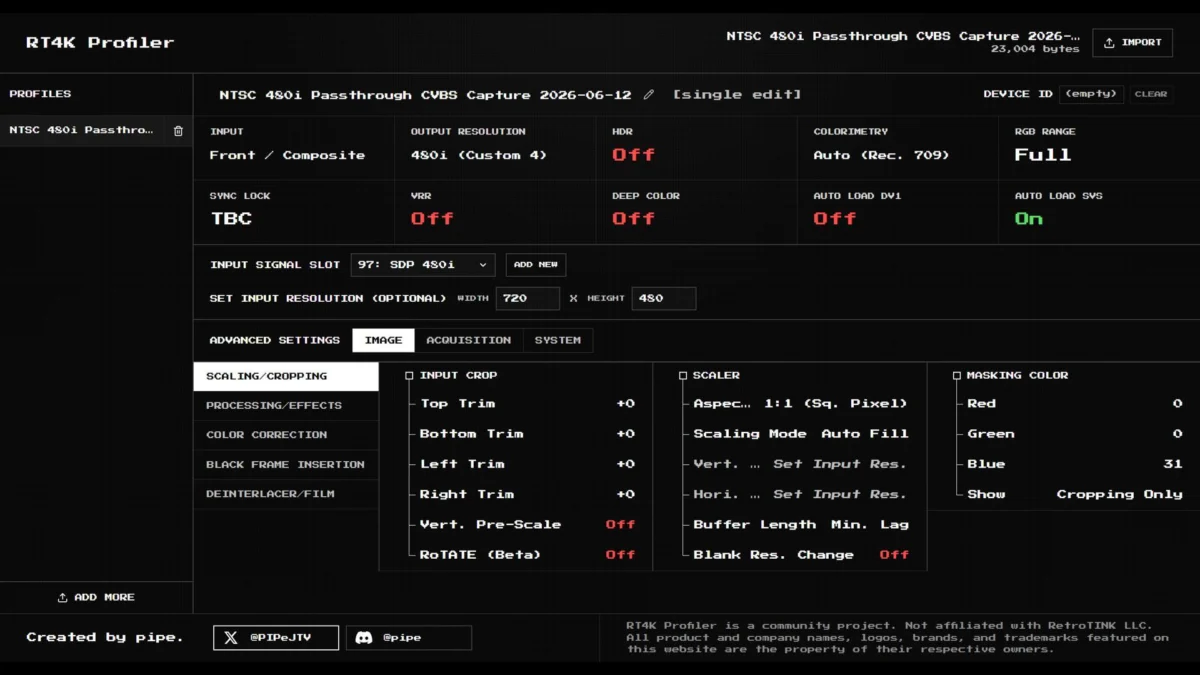
The dedicated and innovative RetroTINK 4K user community has marked a significant milestone with the official launch of the RT4K Profiler, a comprehensive web-based tool designed for viewing and editing RetroTINK-4K profiles. Developed by the prodigious community member known as PIPe, who previously brought forth the widely acclaimed RT4K USB control software, this new platform offers full control over all current profile options, mirroring the functionality available directly on the RetroTINK-4K device itself. Launched on July 8, 2026, and accessible at https://rt4k-profiler.pipe.hr/, the RT4K Profiler represents a substantial leap forward in user convenience and efficiency for enthusiasts and power users of the high-end video scaler.
The RetroTINK-4K: A Cornerstone of Modern Retro Gaming
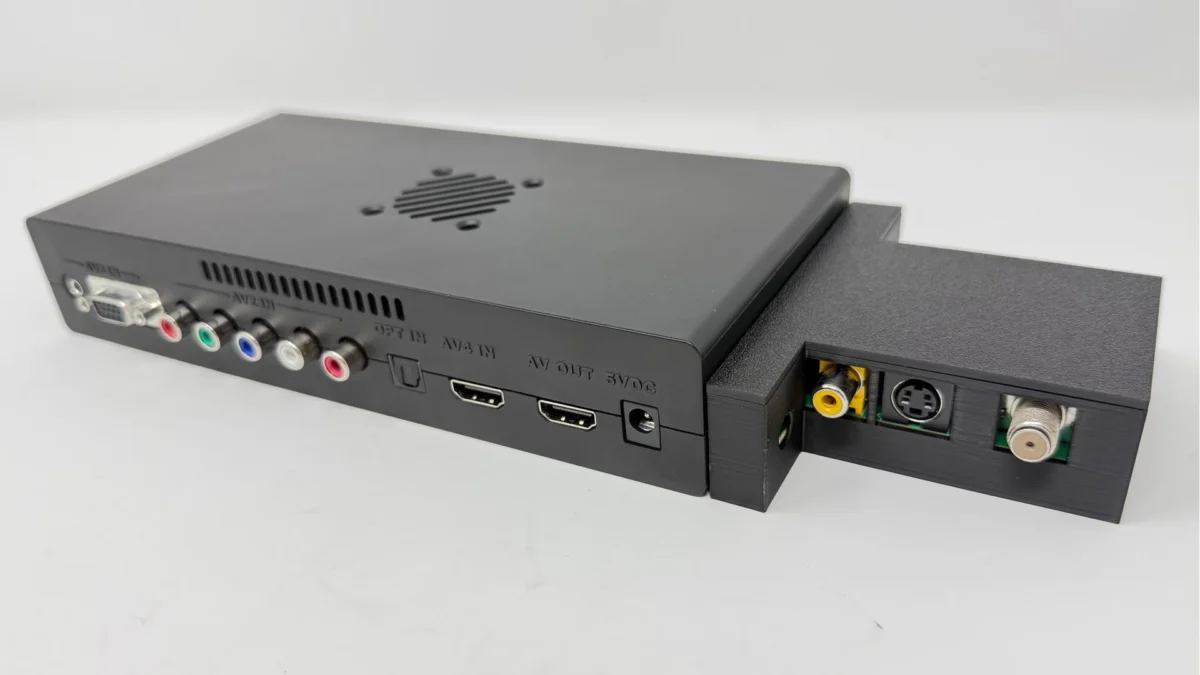
To fully appreciate the impact of the RT4K Profiler, it is essential to understand the context of the RetroTINK-4K within the retro gaming landscape. The RetroTINK-4K, developed by the esteemed Mike Chi, stands as a premier video scaler, celebrated for its ability to upscale legacy gaming console signals to modern 4K displays with unparalleled clarity, accuracy, and minimal latency. Unlike many general-purpose upscalers, the RetroTINK-4K is meticulously engineered to preserve the authentic aesthetics of retro games, offering advanced features such as sophisticated scaling algorithms, aspect ratio controls, a vast array of video filters, and crucial input signal slots that allow for highly granular customization based on specific consoles, games, and display types.
The device’s robust feature set, however, also presented a challenge: managing the multitude of settings and configurations required for optimal performance across a diverse collection of retro hardware. Each console, from the NES and SNES to the PlayStation 2 and Xbox, often necessitates its own meticulously crafted profile to achieve the ideal visual output on a 4K screen. This includes adjusting resolutions, sampling modes, color spaces, sync options, and various digital and analog signal parameters. For the average user, tweaking these settings via the RetroTINK-4K’s on-screen display (OSD) is a manageable task for a few primary profiles. However, for dedicated enthusiasts, content creators, and competitive gamers who frequently switch between dozens of systems and seek pixel-perfect fidelity for each, the process of creating, modifying, and verifying these profiles could be exceptionally time-consuming and cumbersome.
The Genesis of Enhanced Profile Management
The journey towards the RT4K Profiler began with the recognized need for more efficient profile management tools. Prior to this innovation, the primary method for customizing RetroTINK-4K settings involved navigating the device’s intricate OSD using a remote control. While functional, this method could become laborious when fine-tuning multiple parameters or replicating settings across several profiles. The process often involved trial-and-error, making small adjustments, saving the profile, observing the results on screen, and then repeating the cycle until satisfaction was achieved. This iterative approach, particularly for complex settings or during the initial setup of numerous systems, could consume hours.
Early Challenges and Community Demand
The RetroTINK community, known for its technical acumen and problem-solving spirit, quickly identified this as an area ripe for improvement. Discussions across forums and social media platforms frequently highlighted the desire for a more streamlined, perhaps PC-based, method of profile manipulation. The inherent complexity of the RetroTINK-4K’s internal architecture and its proprietary profile format (.rt4 files) presented significant hurdles for external tool development. However, the collective ingenuity of the community, driven by a passion for perfecting the retro gaming experience, often finds ways to overcome such technical barriers.
PIPe’s Precedent: The RT4K USB Control
This collective drive culminated in earlier efforts, notably PIPe’s development of the RT4K USB control software. This desktop application provided users with a PC-based interface to interact with their RetroTINK-4K via USB, offering a more convenient way to adjust settings and manage profiles than the OSD alone. The success of the USB control software demonstrated the clear demand for such external tools and validated PIPe’s capabilities in interfacing with the RetroTINK-4K’s ecosystem. It laid the groundwork and built a foundation of knowledge that proved invaluable for the subsequent, more ambitious project: the web-based RT4K Profiler. The transition from a desktop application to a web-based platform also reflects a broader trend towards cloud-agnostic, accessible tools that don’t require specific operating systems or installations.
Unveiling the RT4K Profiler: Features and Functionality
The RT4K Profiler distinguishes itself through its comprehensive feature set, intuitive design, and universal accessibility. By leveraging a web-based interface, the tool transcends operating system limitations, allowing users to manage their profiles from any device with a modern web browser, be it a Windows PC, a macOS system, a Linux machine, or even a tablet.
Intuitive Web-Based Interface
Upon accessing https://rt4k-profiler.pipe.hr/, users are greeted with an interface designed to mirror the logical structure of the RetroTINK-4K’s own OSD. This familiarity reduces the learning curve, enabling users to quickly navigate and adjust settings. The visual layout, often presented in a clear, categorized manner, allows for easy identification of parameters related to input signals, output resolution, scaling options, video processing filters, color adjustments, and advanced sync settings. The web interface provides a significantly more comfortable and efficient environment for data entry and parameter selection compared to repeated button presses on a remote.
Comprehensive Control and Multi-Editing Capabilities
One of the most impactful features of the RT4K Profiler is its promise of "full control of all current profile options." This encompasses every configurable setting available on the RetroTINK-4K, including:
- Input Signal Slots: Detailed configuration for each of the device’s multiple input slots, crucial for users with numerous retro consoles.
- Resolution and Refresh Rate: Precise control over output resolution (e.g., 1080p, 1440p, 4K) and refresh rates, ensuring compatibility with various displays and optimal motion clarity.
- Scaling and Aspect Ratio: Advanced options for scaling algorithms (e.g., nearest neighbor, bicubic, bilinear), custom aspect ratios, and integer scaling to maintain pixel-perfect integrity.
- Video Filters: Access to a wide range of filters, including scanlines, aperture grille simulations, and de-interlacing options, allowing users to recreate classic CRT aesthetics or achieve pristine modern looks.
- Color and Gamma Adjustments: Fine-tuning of color balance, saturation, brightness, and gamma curves for visual accuracy.
- Advanced Sync and Timing: Granular control over sync parameters, vital for compatibility with obscure or finicky retro hardware.
The ability to perform "multi-edits" is a game-changer for professional profile creators and content developers. Instead of laboriously opening and modifying each .rt4 file individually, users can load multiple profiles into the Profiler, make batch changes to common settings, and then save them back out. This drastically reduces the time and effort involved in maintaining a consistent set of profiles, especially when a global setting (like a preferred scanline filter intensity or a specific output resolution) needs to be updated across a large collection.

Streamlining Workflow for Experts
For individuals like WobblingPixels, an acknowledged expert profile creator within the community, the RT4K Profiler is not just a convenience but a transformative tool. The process of creating highly optimized profiles previously involved meticulous manual testing—editing a setting, saving the profile to a USB stick, loading it onto the RetroTINK-4K, observing the visual impact, and then repeating the cycle. The Profiler shortens this feedback loop dramatically. Users can now load an existing profile, make several adjustments simultaneously, and save the updated file directly. This facilitates quicker iteration and experimentation, allowing experts to refine their profiles with unprecedented speed and precision. The ability to verify profiles by simply loading them into the editor and visually inspecting all settings is also a significant time-saver, preventing potential errors that might otherwise only be discovered after loading onto the RT4K.
A Collaborative Endeavor: The Team Behind the Profiler
The development of the RT4K Profiler stands as a testament to the power of community collaboration and shared passion. While PIPe spearheaded the initiative and performed the bulk of the coding, the project benefited immensely from the input and support of several key individuals.
Developer PIPe’s Vision
PIPe’s dedication to enhancing the RetroTINK-4K user experience is evident in both the RT4K USB control and now the RT4K Profiler. His commitment to creating robust, user-friendly tools has earned him significant recognition within the retro gaming community. The RT4K Profiler, as highlighted in his social media announcement on July 8, 2026, via X (formerly Twitter), represents a culmination of his technical expertise and understanding of user needs, offering "full RetroTINK-4K profile settings, including the nested Input Signal Slots." This tweet, which included a demo video, quickly garnered enthusiastic reactions from users eager to embrace the new workflow.
Mike Chi and Community Support
The project also received crucial assistance from Mike Chi, the original creator of the RetroTINK line. While his involvement was advisory, his insights into the device’s architecture and profile structure would have been invaluable, ensuring the Profiler’s accuracy and compatibility. This form of collaboration between hardware developers and community tool creators is a hallmark of the open and supportive retro gaming ecosystem. Beyond Mike Chi, the development process was significantly bolstered by a dedicated team of testers: MrMoro, TheJesusFish, and WobblingPixels. Their role was critical in identifying bugs, providing feedback on usability, and validating the tool’s functionality across various scenarios. WobblingPixels, with his reputation as an "expert profile creator," brought a particularly discerning eye to the testing phase, ensuring the Profiler met the demanding standards of power users.
Tester Contributions and Expert Validation
The initial legwork in understanding the RetroTINK-4K’s profile mechanics was, as described, a painstaking process of "editing settings one by one, saving the profile and observing the results." This foundational effort by the testing team, akin to reverse engineering through iterative experimentation, was essential for building a comprehensive and accurate Profiler. Their rigorous testing ensured that the web tool correctly interpreted and generated .rt4 files, maintaining full fidelity with the RetroTINK-4K’s internal logic. Without their commitment to meticulous verification, the Profiler would not have achieved its current level of reliability and functionality.
Broader Implications for the Retro Gaming Community
The launch of the RT4K Profiler extends beyond mere convenience; it carries significant implications for the RetroTINK-4K ecosystem and the broader retro gaming community.
Elevating the RetroTINK-4K Ecosystem
The Profiler further solidifies the RetroTINK-4K’s position as a leading solution for high-end retro gaming. By streamlining the most complex aspect of its operation—profile management—the tool enhances the overall user experience, making the powerful device more accessible and enjoyable. This community-driven enhancement adds tangible value to the product, distinguishing it in a competitive market where ease of use often complements raw performance. It also encourages more users to delve into the advanced features of the RT4K, fostering a deeper engagement with the device’s capabilities.
Fostering Innovation and Accessibility
The RT4K Profiler exemplifies how community innovation can significantly improve the usability and longevity of specialized hardware. By providing an external, user-friendly interface for intricate settings, it lowers the barrier to entry for advanced customization, empowering more users to experiment and create their own optimal gaming experiences. This democratizes access to sophisticated profile creation, which was previously a more arduous task reserved for the most dedicated. Furthermore, the web-based nature of the tool inherently promotes accessibility, as it can be used on virtually any device without requiring specific software installations or operating system compatibility concerns.
The Future of Community-Driven Tools
The success of the RT4K Profiler may well inspire similar initiatives for other complex retro gaming hardware. The model of a dedicated developer, supported by a collaborative testing team and the original hardware creator, offers a blueprint for future community-led projects. Such tools not only extend the functionality of existing devices but also cultivate a stronger sense of community and shared purpose among enthusiasts. As retro gaming continues to evolve, the demand for sophisticated yet user-friendly tools will only grow, and the RT4K Profiler serves as a powerful example of what is possible when passion meets technical prowess. It highlights a trend where the community itself becomes an integral part of the product’s ongoing development and refinement, ensuring its continued relevance and utility for years to come.
In conclusion, the RT4K Profiler is more than just a utility; it is a testament to the vibrant, collaborative spirit of the retro gaming community. It not only addresses a key pain point for RetroTINK-4K users but also sets a new standard for how external tools can enhance and extend the capabilities of specialized hardware, promising a more efficient, enjoyable, and accessible retro gaming future.