Cecilia Chamidah Nur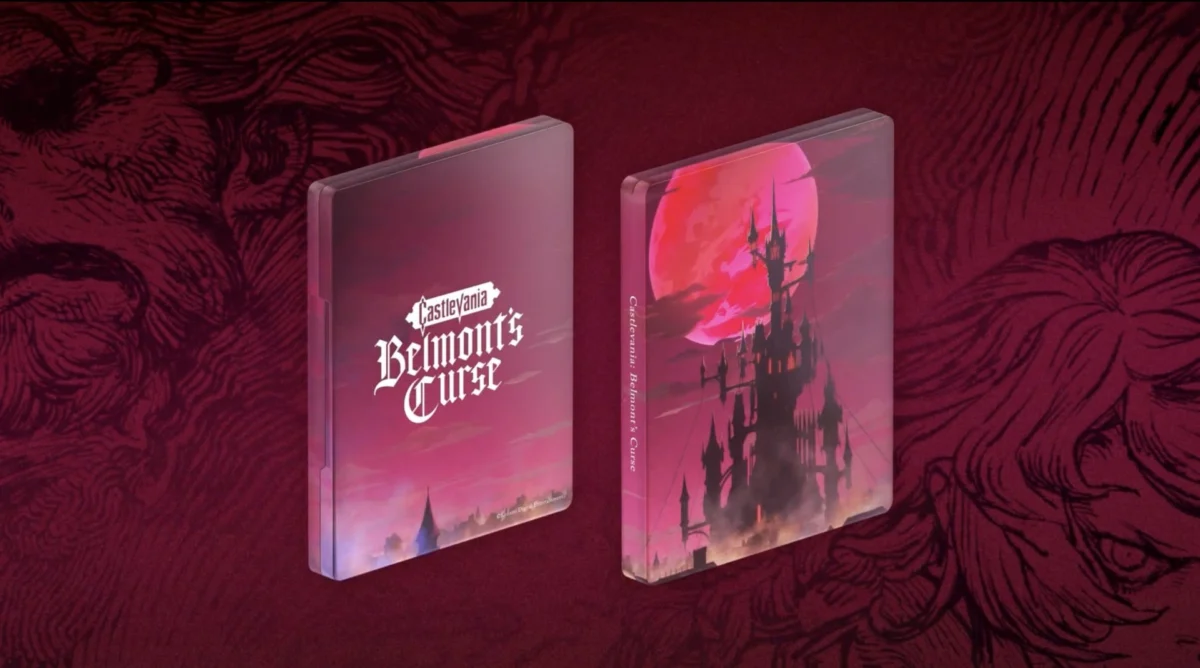
The gaming industry is currently navigating a significant crossroads, with the announcement by Sony Interactive Entertainment to cease physical media production for its PlayStation consoles by 2028 sparking widespread debate and concern among players, collectors, and preservationists. In stark contrast to this impending digital-only future, Konami’s promotion of a lavish steelbook edition for its forthcoming title, Castlevania: Belmont’s Curse, serves as a poignant reminder of the enduring allure and perceived value of tangible game releases. This juxtaposition underscores a fundamental tension in the market: the push towards digital convenience versus the persistent demand for physical ownership and the unique experiences it offers.
The Digital Shift: Sony’s Strategic Pivot and Industry Trends
Sony’s decision, announced in mid-2026, to fully transition away from physical game discs for its PlayStation platform by 2028, marks a pivotal moment in console gaming history. While the company has not released a comprehensive public statement detailing every facet of its rationale, industry analysts and insider reports suggest a confluence of factors influencing this strategic pivot. Primary among these are the escalating costs associated with manufacturing, distribution, and retail logistics for physical media. These expenses include material costs for discs and cases, shipping to global markets, warehousing, and managing returns. Furthermore, environmental considerations, such as the carbon footprint of production and transportation, are increasingly playing a role in corporate decision-making, with digital distribution often touted as a more sustainable alternative.
Crucially, the accelerating trend of digital game sales has undoubtedly been a significant driver. Over the past decade, digital downloads have steadily gained market share across all gaming platforms. Data from various market research firms consistently show that digital purchases now account for a substantial majority of game sales, particularly for new releases and smaller, independent titles. For instance, reports from early 2020s indicated that digital sales often surpassed 70% of total game revenue for major publishers, a trend that has only intensified. The convenience of instant access, pre-loading capabilities, and the growing prevalence of subscription services like PlayStation Plus and Xbox Game Pass have conditioned consumers to favor digital acquisition. For platform holders like Sony, this shift to digital allows for greater control over distribution channels, potentially higher profit margins by cutting out third-party retailers, and direct engagement with consumers through their online storefronts.
However, the announcement has been met with considerable backlash from segments of the gaming community. Social media platforms, gaming forums, and online petitions have seen a surge of activity, with players expressing concerns about game preservation, the concept of true ownership in a digital-only ecosystem, and the potential impact on accessibility for those with limited internet access or who prefer the secondhand market. The removal of physical media also raises questions about the future of game pricing, potential digital monopolies, and the long-term viability of games if digital storefronts or servers are eventually discontinued.
The Enduring Appeal of Physical Media: A Collector’s Perspective
Against this backdrop of an increasingly digital future, Konami’s decision to offer a steelbook edition for Castlevania: Belmont’s Curse stands out as a clear affirmation of the value many players still place on physical collectibles. For a dedicated fanbase like that of Castlevania, a series steeped in rich history and iconic artistry, a premium physical edition transcends mere utility; it becomes an object of desire, a piece of art to be admired and displayed.
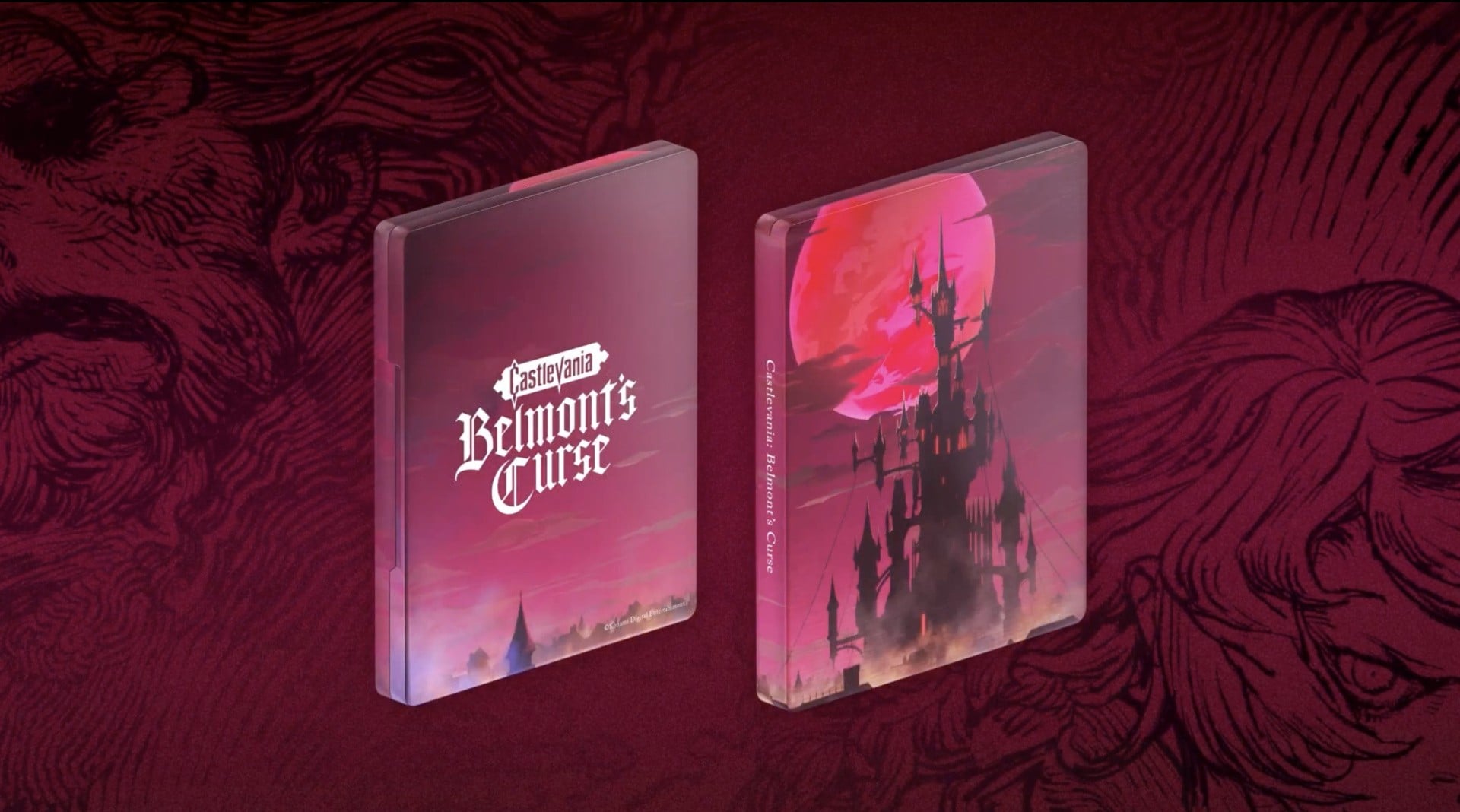
The appeal of physical media is multifaceted. Firstly, there is the undeniable tangibility. Holding a game case, admiring its artwork, and placing it on a shelf alongside other beloved titles creates a sense of collection and accomplishment that digital licenses simply cannot replicate. For many, this physical manifestation represents a deeper connection to the game itself, transforming it from ephemeral data into a cherished possession. This sentiment is particularly strong within communities dedicated to collecting, where rare editions, special packaging, and exclusive physical trinkets hold significant value.
Secondly, physical games traditionally offer a clearer sense of ownership. While digital games are often licensed rather than truly owned, a physical disc or cartridge provides a tangible asset. This distinction is critical for game preservation, as physical copies can theoretically outlast digital storefronts or server shutdowns, ensuring future generations can still experience these titles. Furthermore, physical media allows for the existence of a robust secondhand market, enabling players to buy, sell, and trade games, thereby extending their lifecycle and making gaming more affordable and accessible. The loss of this market is a significant concern for many consumers and independent retailers alike.
Finally, special editions, like the Belmont’s Curse steelbook, often come packed with exclusive physical extras that enhance the overall collector’s experience. These might include art books, soundtrack CDs, figurines, maps, or other memorabilia. While digital bonuses are common, the tactile pleasure of flipping through a high-quality art book or listening to a soundtrack on a physical format adds another layer of appreciation that digital files, however convenient, cannot fully replicate. These elements contribute to the perceived premium value and exclusivity of such editions, making them highly sought after by fans.
Konami’s Castlevania: Belmont’s Curse Steelbook: A Deep Dive into the "Midnight" Edition
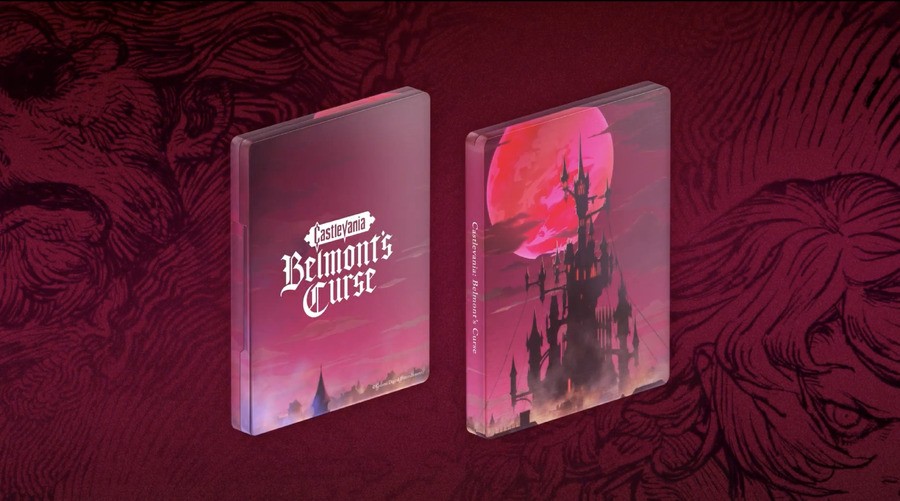
Konami’s forthcoming Castlevania: Belmont’s Curse is poised to rekindle the beloved franchise’s gothic horror action, and its "Midnight" edition steelbook is a testament to the publisher’s understanding of its dedicated fanbase. The steelbook itself is described as featuring a "tastefully restrained design," aiming for an elegant aesthetic rather than an overly flashy one. While some collectors might lament that the external design might overshadow the game’s internal artwork, this understated approach can often elevate the perceived sophistication of a collector’s item.
The "Midnight" edition is not merely a fancy case; it comes bundled with a suite of digital and in-game bonuses designed to enhance the player’s experience. According to the Amazon listing, a key feature is a comprehensive digital sound and art gallery. This gallery, presented as a separate application from the main game, is slated to include "over 100 pieces of artwork, including concept art and sketches from the production process." For fans eager to delve into the creative genesis of Belmont’s Curse, this offers an invaluable behind-the-scenes look at character designs, environmental concepts, and the evolution of the game’s visual identity. Complementing the visual feast, the gallery also allows users to "enjoy the music used in the game via the in-app sound player," providing a curated audio experience that can be revisited independently of gameplay.
Beyond the gallery, the "Midnight" edition includes three alternative costumes for Rose, the game’s protagonist. These costumes are designed to pay homage to iconic characters from the Castlevania lineage: an Alucard-style costume, a Trevor-style costume, and a Sypha-style costume. Such cosmetic additions not only offer visual variety during gameplay but also serve as fan service, allowing players to embody different facets of the series’ rich history. Additionally, the edition includes the "Family’s Grace" relic, an in-game item that likely provides a unique buff or ability, further enhancing the gameplay experience for owners of this special edition.
The Artistic Vision of Katsuya Terada
A significant aspect of the Castlevania: Belmont’s Curse project is the involvement of legendary artist Katsuya Terada. Known for his distinctive work on iconic titles such as The Legend of Zelda and Virtua Fighter, Terada’s contribution to Belmont’s Curse is highly anticipated. His unique blend of organic, often grotesque, yet aesthetically striking designs is a perfect fit for the dark, intricate world of Castlevania. The original article notes that the steelbook design "hides" Terada’s "amazing new artwork for the game," which suggests his contributions are primarily showcased within the game itself or potentially within the digital art gallery. This artistic pedigree adds substantial weight to the game’s appeal, particularly for those who appreciate the intersection of gaming and fine art. The presence of a dedicated art gallery within the "Midnight" edition likely aims to fully expose and celebrate Terada’s artistic influence, allowing fans to explore his creative process in detail.
Broader Impact and Implications for the Gaming Ecosystem
The contrasting approaches of Sony and Konami—one embracing a digital-only future, the other investing in premium physical editions—highlight a growing divergence in the gaming market. This divergence has significant implications for various stakeholders within the gaming ecosystem.
For game preservation, the shift away from physical media by a major platform holder like Sony raises serious concerns. Digital games are inherently reliant on server infrastructure and the continued willingness of publishers to support older titles. If digital storefronts are decommissioned or licenses are revoked, vast libraries of games could become inaccessible, creating "digital dark ages." Independent initiatives and organizations like the Video Game History Foundation are actively advocating for better preservation practices, but a platform-wide move to digital-only exacerbates these challenges. Physical media, while not impervious to decay, offers a more direct and durable form of preservation.
Retailers, particularly those specializing in physical game sales, face an existential threat from Sony’s decision. GameStop, for instance, has been struggling to adapt to the digital transition for years. The complete removal of new physical PlayStation games from the market will force a radical restructuring of their business models, likely accelerating their pivot towards collectibles, used games (for other platforms), and other merchandise. This will also impact smaller, independent game stores that thrive on community and physical product sales.
The consumer’s role in this evolving landscape is also critical. While many embrace the convenience of digital downloads, a vocal minority values the tangible aspects of physical ownership. The market will likely see a continued demand for limited-run physical editions from smaller publishers and niche companies, catering to this collector demographic. Companies like Limited Run Games and Strictly Limited Games have built successful businesses precisely by offering physical versions of digitally released titles, demonstrating that the appetite for physical media, especially for collector’s items, remains robust.
Furthermore, the environmental argument for digital distribution is not without its complexities. While physical production has a clear carbon footprint, the massive energy consumption of data centers, networks, and individual devices for digital downloads and cloud gaming also contributes significantly to environmental impact. A truly comprehensive environmental assessment would need to weigh both sides carefully.

The Future of Gaming Distribution: A Hybrid Landscape?
As 2028 approaches, the industry will keenly observe how other major console manufacturers, Microsoft and Nintendo, respond to Sony’s bold move. While both companies have heavily invested in their digital storefronts and subscription services (Xbox Game Pass, Nintendo eShop), neither has yet committed to a complete abandonment of physical media. Nintendo, in particular, with its strong emphasis on family-friendly titles and a significant physical retail presence, might be slower to fully transition. Microsoft has shown a greater willingness to experiment with digital-only console versions (like the Xbox Series S), indicating a potential future direction that mirrors Sony’s.
It is likely that the gaming landscape will evolve into a more distinct hybrid model, at least for the foreseeable future. Mainstream releases might predominantly shift to digital distribution, driven by convenience and cost efficiencies. However, a vibrant, albeit smaller, market for premium physical editions, collector’s items, and niche titles will likely persist, sustained by dedicated fans and specialized publishers. Konami’s Castlevania: Belmont’s Curse steelbook exemplifies this segment, catering to a demographic that values artistry, tangibility, and the deeper connection a physical object provides.
In conclusion, Sony’s impending cessation of physical media production signals a major strategic shift towards an all-digital future for PlayStation. While this move aligns with broader industry trends towards digital convenience and efficiency, it also ignites critical debates about game preservation, consumer ownership, and the role of physical media in the gaming experience. Konami’s decision to offer a premium steelbook for Castlevania: Belmont’s Curse stands as a powerful counter-narrative, reminding the industry and consumers alike that for many, the joy of gaming extends beyond the digital realm, encompassing the tactile pleasure and aesthetic value of physical collectibles. The tension between these two visions will undoubtedly shape the future of how games are delivered, consumed, and cherished.