Ganda Hendra Perkasa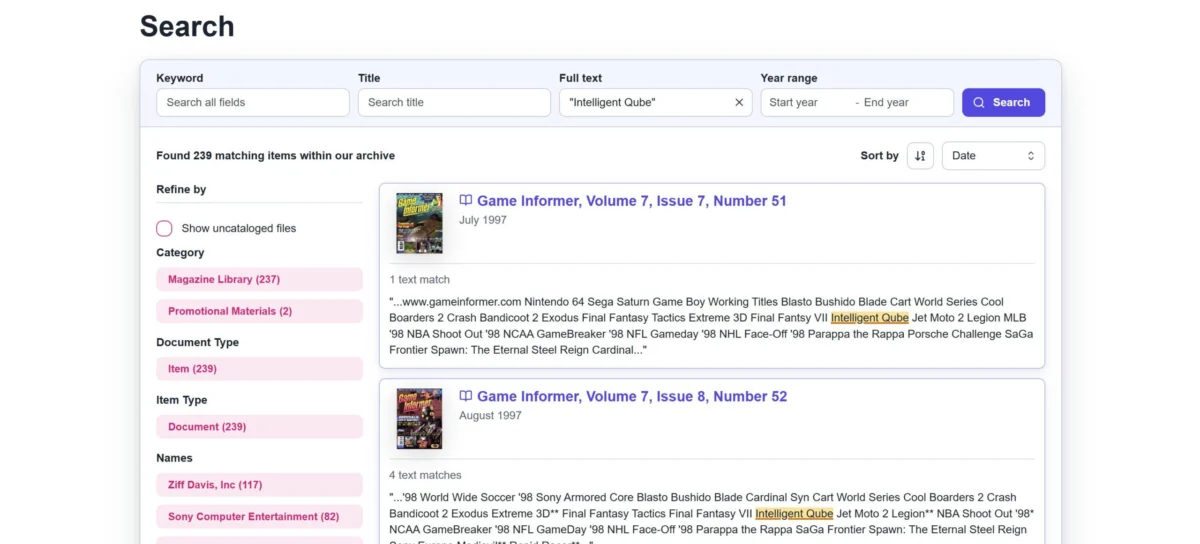
The International Center for the History of Electronic Games (ICHEG) at The Strong National Museum of Play has launched a significantly updated version of its digital archive platform, promising a more intuitive and efficient research experience for users. The revamped interface, which went live today, represents a substantial effort to incorporate user feedback and modernize the digital repository of historical gaming materials. This initiative underscores the growing importance of accessible digital archives in preserving and understanding the rich history of video games.
A Reimagined Digital Archive Interface
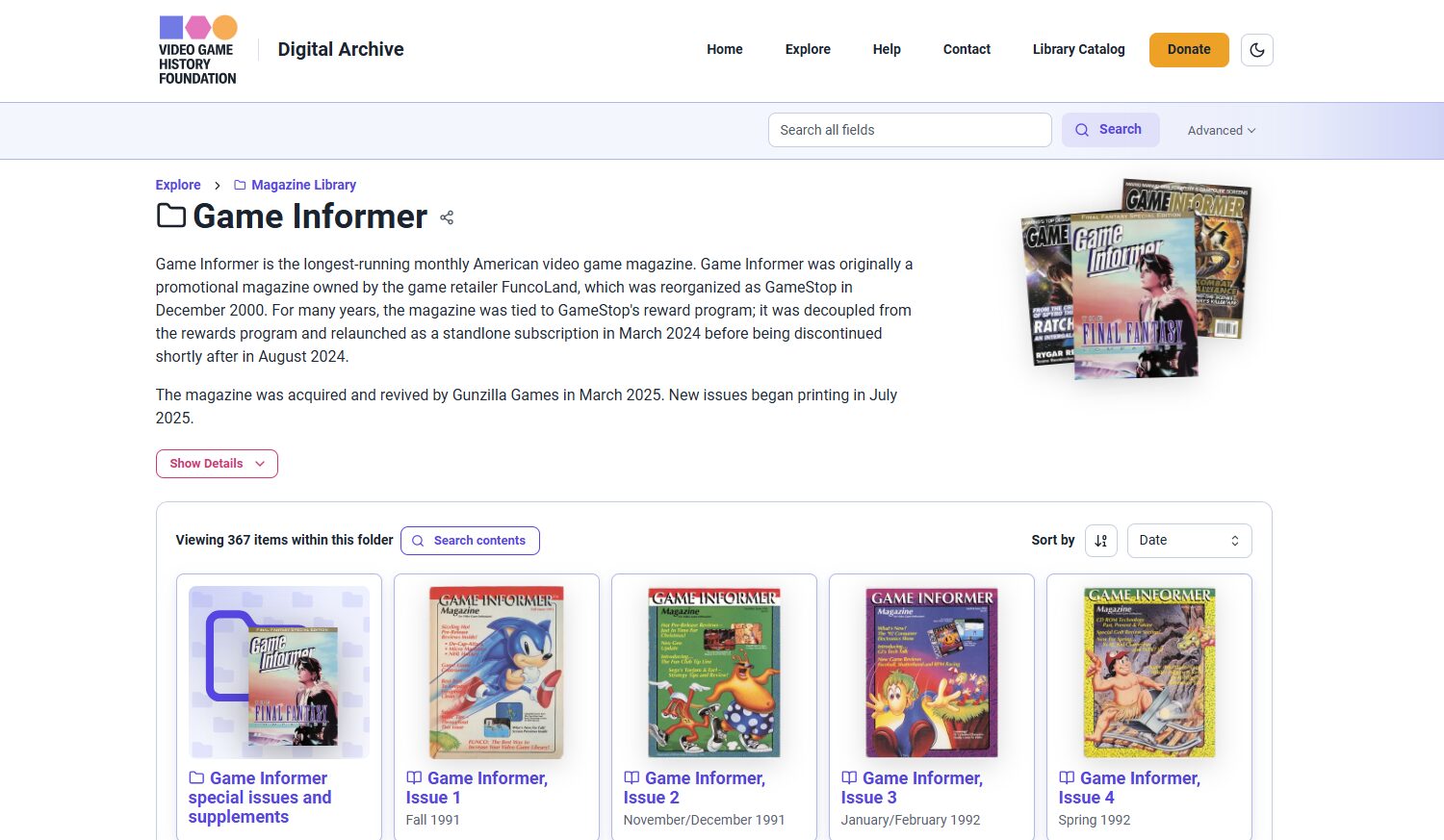
The core of the update lies in a complete rebuilding of the archive’s user interface. Developers have focused on enhancing the browsing experience, with key improvements aimed at making navigation and content discovery more seamless. One of the most noticeable changes is the increased size of thumbnail images. This enhancement aims to provide users with a clearer visual representation of the content they are exploring, distinguishing between individual files and entire folders at a glance. This visual clarity is crucial for users sifting through potentially vast collections of digital assets.
Furthermore, the new interface boasts a faster loading speed compared to its predecessor. In the realm of digital archives, where users often access large files or navigate through numerous entries, performance is a critical factor. Improved loading states have also been implemented, providing users with better feedback during data retrieval, thus reducing frustration and enhancing the overall user journey. The platform also demonstrates an improved ability to retain navigation context, meaning users will find it easier to backtrack and maintain their place within the archive as they move between different sections and pages. This addresses a common pain point in many digital archival systems where users can feel lost after navigating away from their initial point of entry.
Enhanced Search Functionality for Deeper Discovery
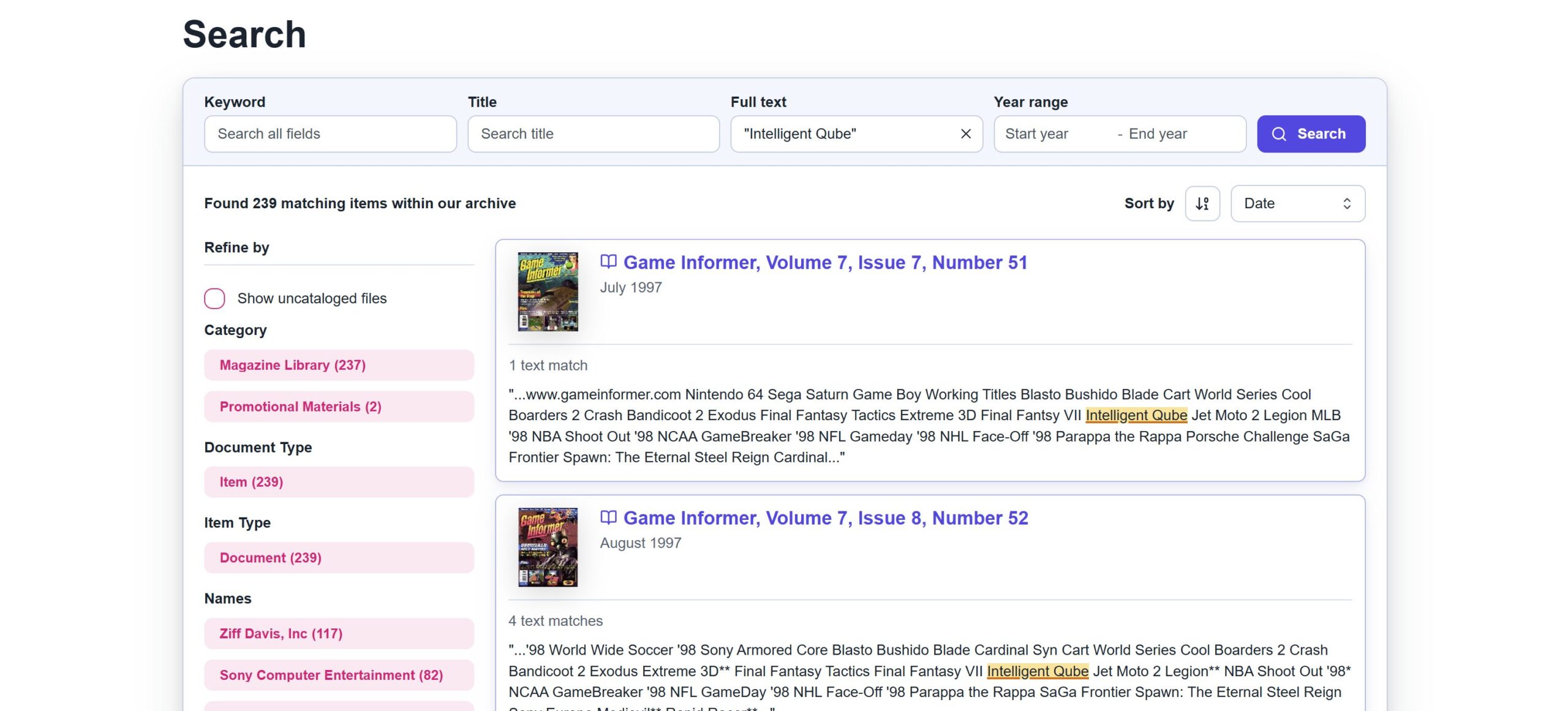
Beyond browsing, the update introduces significant enhancements to the search functionality. A key improvement is the expansion of the snippet view for keyword searches. Users will now see approximately four times more contextual text surrounding matching terms. This expanded view is designed to provide a richer preview of search results, allowing researchers to more quickly ascertain the relevance of a particular document or entry without needing to open it directly. This can dramatically accelerate the research process, particularly for those conducting in-depth studies or looking for specific pieces of information within a large corpus.
The implications of this enhanced search are far-reaching. For academics, journalists, and enthusiasts alike, the ability to rapidly assess the relevance of search findings means more time can be dedicated to analysis and interpretation rather than tedious sifting. This could lead to more comprehensive research papers, more accurate historical reporting, and a deeper collective understanding of the evolution of video games. For example, a researcher looking for early mentions of specific game mechanics could now more easily identify relevant passages across a wide range of digitized materials, from magazine articles to developer notes.
Streamlined Access to Collections and Featured Content
Recognizing the need for immediate engagement, the updated platform features a new "Explore the Archive" section prominently placed on the homepage. This addition allows users to directly browse the archive’s collections without navigating to a separate page, thereby reducing the number of clicks required to begin exploration. This move towards a more accessible homepage is a testament to user-centric design principles, aiming to lower the barrier to entry for new and returning users.
Additionally, a "Featured Collections" bar further down the homepage highlights new and noteworthy additions to the archive. This curated section serves to draw attention to significant new acquisitions and ongoing digitization efforts, ensuring that users are aware of the latest valuable content available. This is particularly important for an archive that is continuously growing, as it helps to guide users towards the most recent and potentially exciting discoveries.
A Look Towards Future Iterations
The ICHEG team has indicated that this update is not the final step in their digital archive development. The organization is actively exploring and planning for future enhancements. Among these planned features are a new, more robust viewer for image files, which could support higher resolutions and more advanced viewing options. The development of character recognition capabilities for Japanese magazines is another significant planned feature, which would unlock a wealth of previously inaccessible textual information for researchers.
Perhaps the most ambitious long-term goal is the eventual integration of the digital archive with the full library catalog. Such an integration would create a unified portal for accessing all of The Strong’s vast resources, providing an unprecedented level of interconnectedness between physical and digital collections. This ambitious vision speaks to the evolving landscape of digital humanities and the potential for integrated archival systems to revolutionize historical research.
Context and Background of the Game History Archive
The digital archive platform is a crucial component of the International Center for the History of Electronic Games (ICHEG), which was established in 2006 as the first institution dedicated to preserving and exhibiting the history of video games. ICHEG’s mission is to collect, preserve, and interpret the artifacts and experiences of video game history. The digital archive serves as a vital extension of this mission, providing public access to a growing collection of digitized materials that would otherwise be inaccessible to most researchers and the public.
The development of such a comprehensive digital archive is a long-term endeavor, often involving significant investment in digitization equipment, skilled personnel for cataloging and metadata creation, and robust digital infrastructure. The continuous updates and improvements to the platform reflect a commitment to maintaining the archive’s relevance and utility in an ever-evolving digital landscape. The decision to rebuild the interface from scratch, rather than incrementally updating the existing system, suggests a strategic commitment to addressing fundamental usability issues and positioning the archive for future growth.
Broader Impact and Implications
The advancements made to the Game History Archive’s digital platform have significant implications for the field of game studies and historical research more broadly. By making historical documents more accessible and searchable, the archive empowers a new generation of scholars to engage with primary source materials in unprecedented ways. This can lead to a deeper and more nuanced understanding of the cultural, technological, and economic forces that have shaped the video game industry.
The emphasis on user feedback in this update also highlights a growing trend in archival development towards more user-centric design. As digital archives become more prevalent, the usability and accessibility of these platforms will increasingly determine their effectiveness. The success of ICHEG’s approach could serve as a model for other institutions looking to improve their own digital offerings.
Furthermore, the ongoing development, including the planned features like Japanese character recognition and integration with the broader library catalog, signals a commitment to pushing the boundaries of what digital archives can achieve. These advancements have the potential to unlock entirely new avenues of research and to make historical information accessible to a wider, more diverse audience than ever before. The commitment to expanding the archive’s reach and depth underscores its importance as a central resource for understanding the dynamic history of electronic entertainment. The sustained effort in refining the user experience, coupled with a forward-looking development roadmap, positions the Game History Archive as a leading institution in the preservation and dissemination of digital cultural heritage.