Ganda Hendra Perkasa
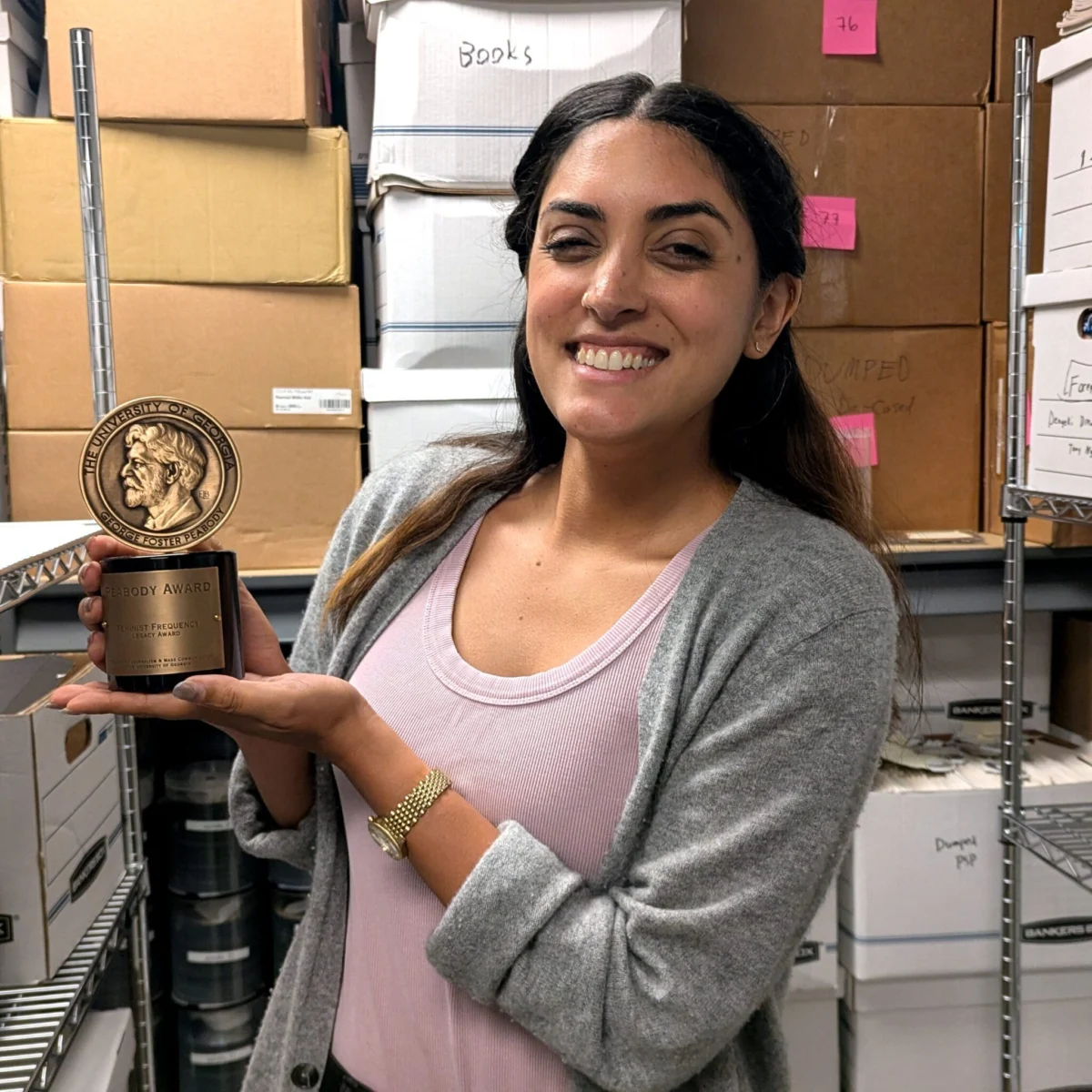
The Video Game History Foundation (VGHF) has announced the appointment of Meera Swanson as its new Development Manager, a strategic move aimed at bolstering the organization’s fundraising capabilities and deepening its engagement with supporters. Swanson’s arrival signifies a commitment to expanding the VGHF’s mission of preserving the cultural and historical significance of video games. Her role will focus on cultivating relationships with donors, securing financial resources, and ensuring the continued growth and sustainability of the foundation’s vital archival work.
Swanson brings a decade of experience in nonprofit development, primarily within the education, youth development, and legal aid sectors. Her background encompasses a wide range of fundraising activities, including event organization, grant writing, and donor relations. This extensive experience is expected to be instrumental in navigating the complex landscape of nonprofit funding and advocating for the VGHF’s mission.
"I’m thrilled to have joined the Video Game History Foundation as your new Development Manager," Swanson stated in her introductory message. "I’m here to deepen our relationships with supporters like you and to help ensure this work continues and grows. You may hear from me occasionally with opportunities to connect and ways to support the VGHF."
A Lifelong Passion for Gaming Meets Professional Expertise
Swanson’s professional expertise is complemented by a profound personal connection to video games. Her gaming journey began with childhood favorites such as Pokémon, The Legend of Zelda, and the Nancy Drew PC series. Her adult gaming interests span a broad spectrum, including role-playing games like Final Fantasy (with a particular fondness for VII, VIII, and X), zombie-themed titles, and horror games. She also actively participates in contemporary gaming, engaging with shooters like Borderlands and ARC Raiders, and co-leading an alliance in the online/mobile game Last War.
"When I saw the job posting from the VGHF, I think I screamed," Swanson recalled. "This role is a big step forward in my development career AND I get to connect with folks that share a love of gaming and history. It still feels too good to be true. After meeting with Frank and the rest of the VGHF team I knew this was the place for me and I feel incredibly lucky to have landed here!" This sentiment underscores the VGHF’s ability to attract talent that is not only professionally qualified but also deeply passionate about its core mission.
Observations from the Front Lines of Preservation
In her first month with the VGHF, Swanson has been struck by the organization’s comprehensive approach to video game preservation. She noted the VGHF’s commitment to not merely collecting artifacts but building an accessible resource for all. "The VGHF was founded with the belief that with the right tools, anyone can be a video game historian, and after a month on the inside, I can see how seriously that mission is taken in every decision made here," Swanson observed. This inclusive philosophy is a cornerstone of the VGHF’s strategy, aiming to democratize historical research and engagement with video game culture.
Swanson also highlighted the remarkable generosity of the individuals and entities that contribute to the VGHF’s success. This support comes from a diverse array of sources, including game developers, private collectors, journalists, citizen archivists, and the broader community of supporters who recognize the cultural value of video games. This collaborative ecosystem is essential for the foundation’s ability to acquire, preserve, and make accessible its growing archive.
Illuminating the Depths of the VGHF Collection
The VGHF’s collection, comprising a vast array of physical and digital materials, serves as a testament to the rich and multifaceted history of video games. Swanson shared personal highlights that have resonated with her, offering a glimpse into the treasures housed within the foundation’s archives.
A Nostalgic Journey Through "Official Xbox Magazine Presents Zombies!"
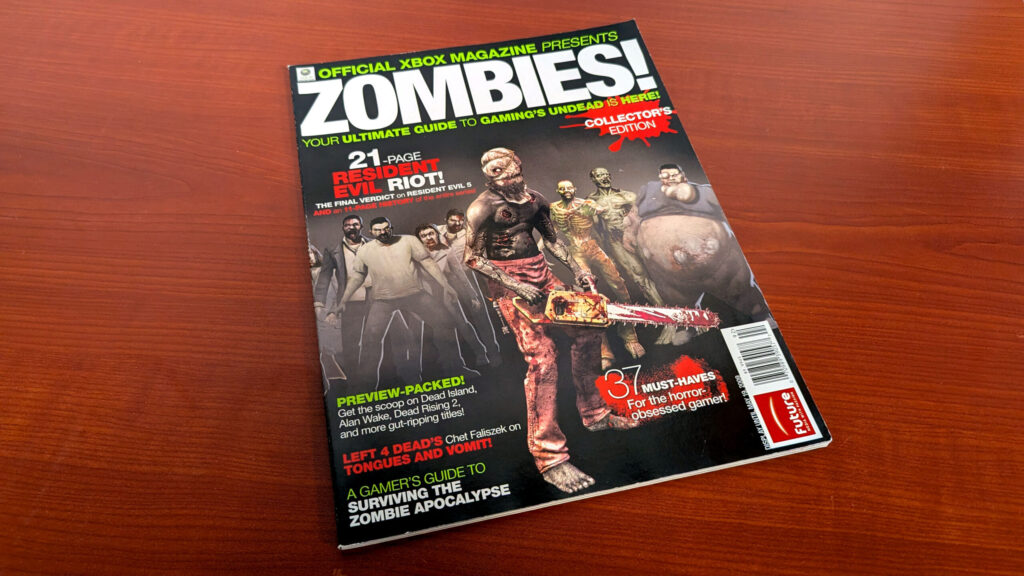
One particularly resonant item for Swanson was an issue of "Official Xbox Magazine Presents Zombies!" unearthed by VGHF founder Frank Cifaldi. "My first week in the VGHF office, Frank casually pulled this from a stack of magazines after I mentioned I loved zombie games," she recounted. "I distinctly remember owning this particular issue, and poring over it to read about old favorites like Resident Evil and learn about exciting new (at the time) games like BioShock 2. Flipping through the pages felt like cracking open a time capsule to 2009. The games, the references, and even the ads felt so nostalgic and familiar." This anecdote illustrates the power of archival materials to evoke personal memories and provide a tangible link to specific eras in gaming. The magazine, digitized and available in the VGHF’s digital archive, serves as a valuable primary source for understanding the media landscape and player interests surrounding zombie games in the late 2000s.
The Feminist Frequency Collection: A Landmark in Game Criticism
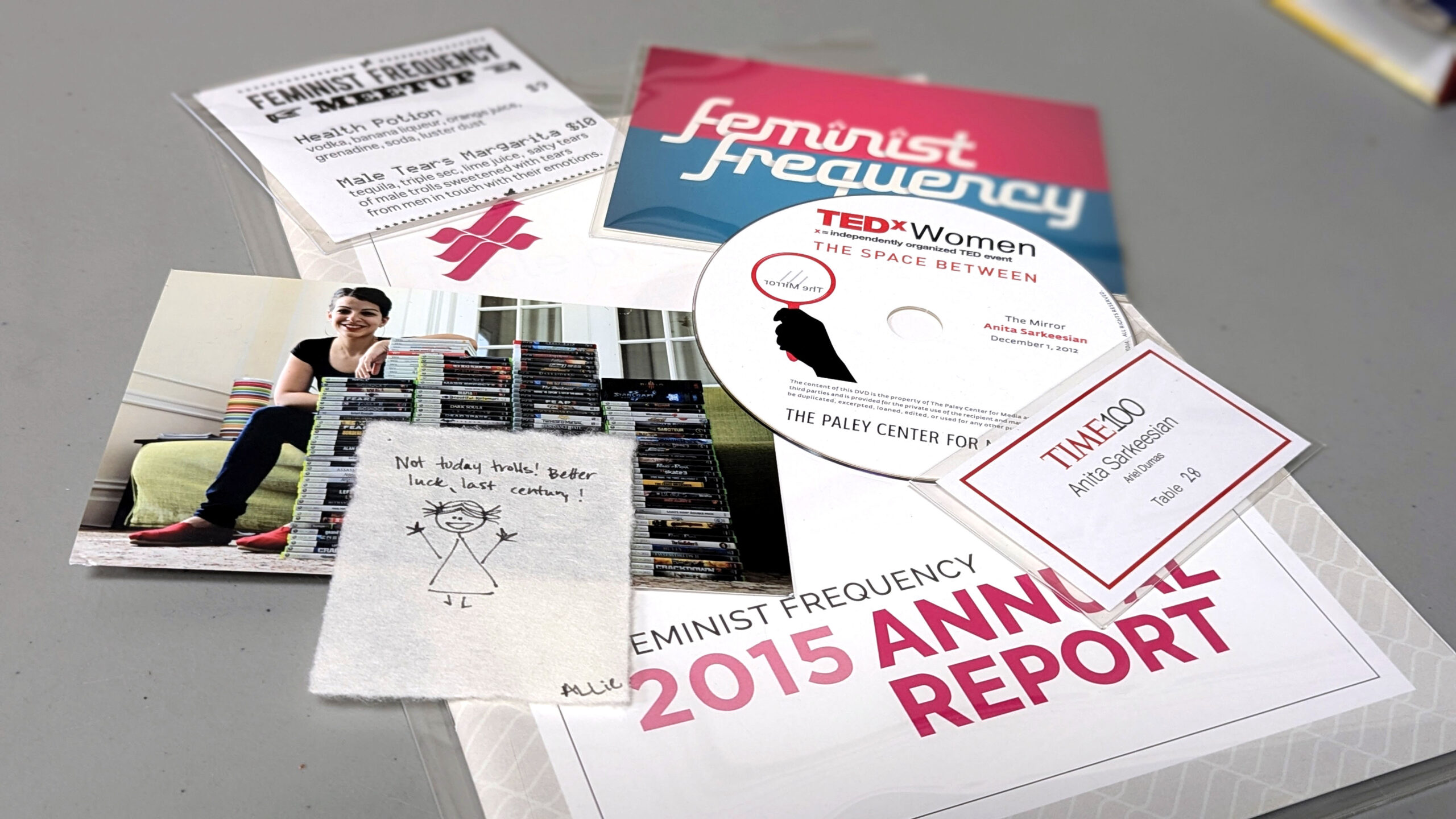
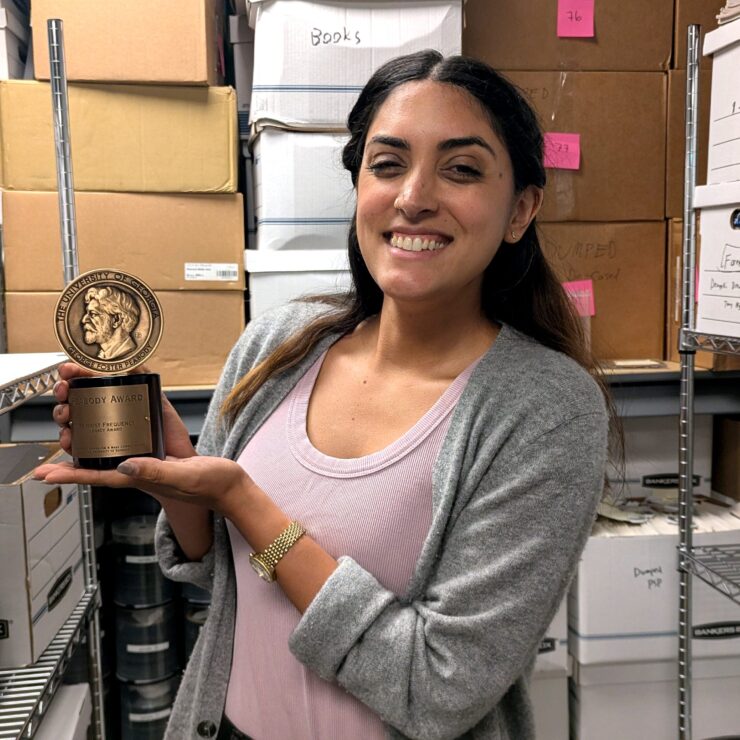
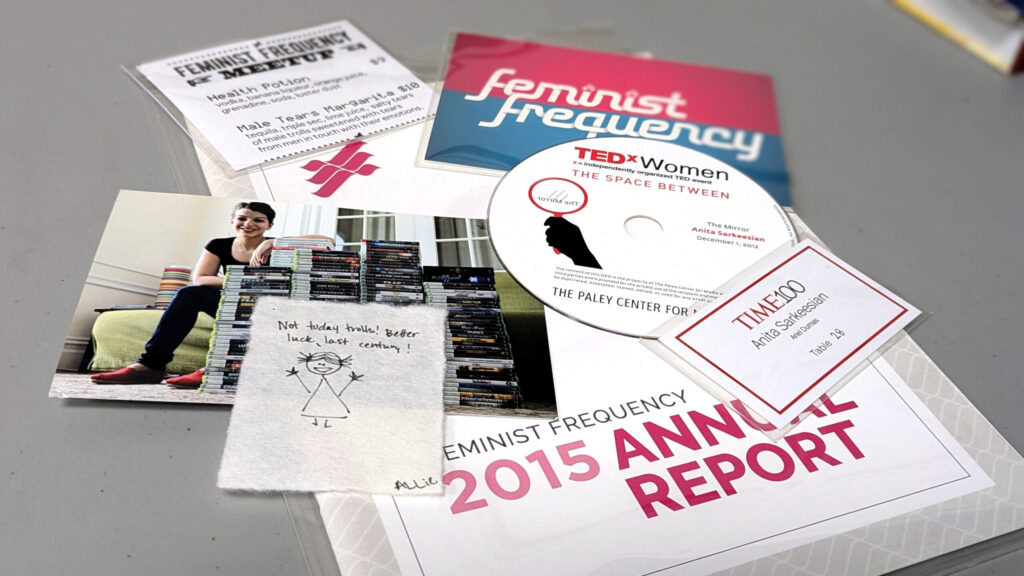
The Feminist Frequency collection, associated with Anita Sarkeesian and her influential "Tropes Vs. Women in Video Games" series, represents another significant highlight for Swanson. This collection offers a critical perspective on gender representation in video games, a topic that has shaped discourse within the gaming community and academia. "Anita Sarkeesian’s Feminist Frequency and her ‘Tropes Vs. Women in Video Games’ series was one of my first introductions to looking at games from a cultural perspective, beyond pure entertainment, and she was someone I admired a lot as a teen gamer girl," Swanson shared. "I was completely starstruck to stumble across the boxes labeled ‘Anita’ tucked neatly in a corner of our library. I rifled through her reference materials, admired the witty FF merch, and even held her Peabody Award!" The inclusion of such materials in the VGHF’s archive underscores the foundation’s commitment to preserving not only games themselves but also the critical conversations and cultural analyses that surround them. This collection is a vital resource for scholars, researchers, and anyone interested in the evolving social and cultural impact of video games.
Unveiling the Artistic Process: Aladdin for the Sega Genesis
The VGHF also houses original hand-drawn art from Disney’s Aladdin for the Sega Genesis, a piece of development history that offers insight into the creative processes behind iconic games. "It was really interesting learning about the unique animation process for this game," Swanson explained. "These cute sketches of Aladdin running, jumping, falling, etc. were sent from the game’s art director Mike Dietz to Disney animators, making the art particularly accurate to the movie." The foundation has further illuminated the significance of this game through a blog post detailing its source code, highlighting what makes its visual presentation so striking. This archival material provides a rare window into the collaboration between game developers and traditional animation studios, demonstrating the intricate artistry involved in bringing beloved characters and worlds to life on the gaming screen. The preservation of such developmental assets is crucial for understanding the evolution of game art and animation techniques.
The Road Ahead: Expanding the Digital Frontier
Swanson emphasized that the discoveries made so far represent only a fraction of the VGHF’s holdings. "It is not lost on me that many of the unbelievably cool finds I’ve come across in the collection are waiting in the queue to be processed into the library," she stated. "While our digital library is already an impressive and valuable resource, there are still thousands of materials to be preserved and shared with the world. I look forward to playing a role in making sure this work continues to grow and the Foundation can preserve even more of these rare and important materials."
The VGHF is actively working to digitize and catalog its vast collection, making it accessible to a global audience through its online library and digital archive. The ongoing processing of new acquisitions is a continuous effort, requiring dedicated resources and expertise. Swanson’s role will be critical in securing the funding necessary to accelerate this process, ensuring that more of these invaluable historical artifacts can be studied, enjoyed, and preserved for future generations.
The foundation’s commitment to open access is a significant undertaking, differentiating it from many private archives. By providing free access to its digital resources, the VGHF empowers researchers, educators, and the public to explore and understand the history of video games. This democratic approach to preservation is essential for fostering a deeper appreciation of gaming as a significant cultural medium.
Engaging the Community: A Call for Connection
Swanson extended an open invitation to the VGHF community to connect and share their experiences. "I genuinely would love to hear about what drew you to support the Foundation, what you’d love to see from us next, or just to say hello," she encouraged. "You can reach me at [email protected], or catch me lurking in our Discord and chatting in our monthly Patreon member hangouts." This direct line of communication is vital for fostering a strong sense of community and ensuring that the VGHF remains responsive to the interests and needs of its supporters.
The VGHF’s engagement strategy includes various platforms, from their Discord server to exclusive Patreon member hangouts, all designed to facilitate dialogue and build a shared sense of purpose. By actively involving its supporters in the ongoing mission, the foundation strengthens its advocacy and secures a dedicated base for its preservation efforts.
"Thank you for being part of this. The history we’re saving together belongs to all of us," Swanson concluded. This sentiment encapsulates the VGHF’s ethos: that the history of video games is a shared cultural heritage, and its preservation is a collective responsibility and endeavor.
The appointment of Meera Swanson marks a significant step forward for the Video Game History Foundation. Her expertise in development, combined with her genuine passion for video games, positions her to be a key figure in the organization’s continued growth and success. As the VGHF expands its reach and its archives, Swanson’s role will be instrumental in securing the financial stability and community support necessary to safeguard the legacy of this influential medium. The foundation’s ongoing work is not just about collecting old games; it is about preserving a vital part of our cultural history, ensuring that the stories, innovations, and artistry of video games are accessible and understood for generations to come. The implications of this mission are far-reaching, contributing to a more complete understanding of media history, technological advancement, and the evolution of interactive entertainment.