Retno Hari Mulyono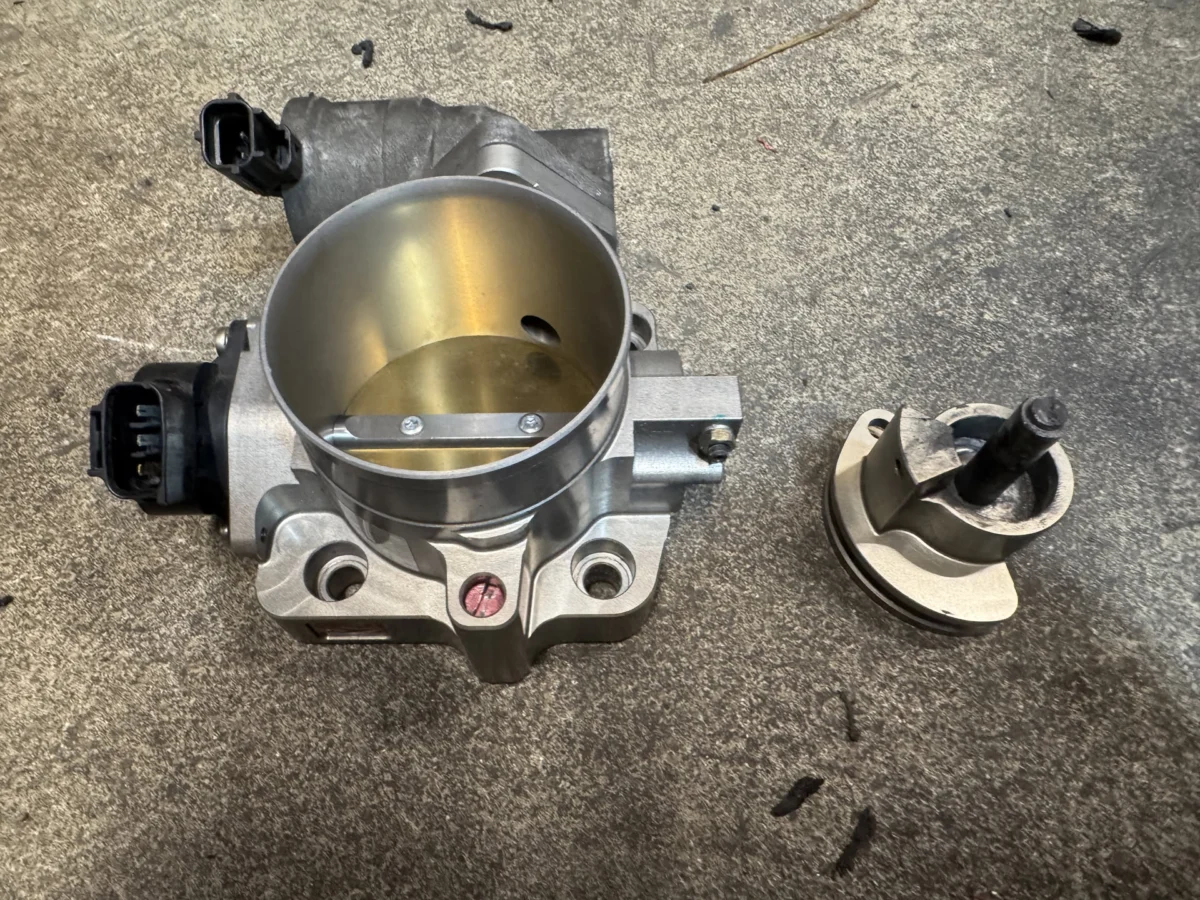
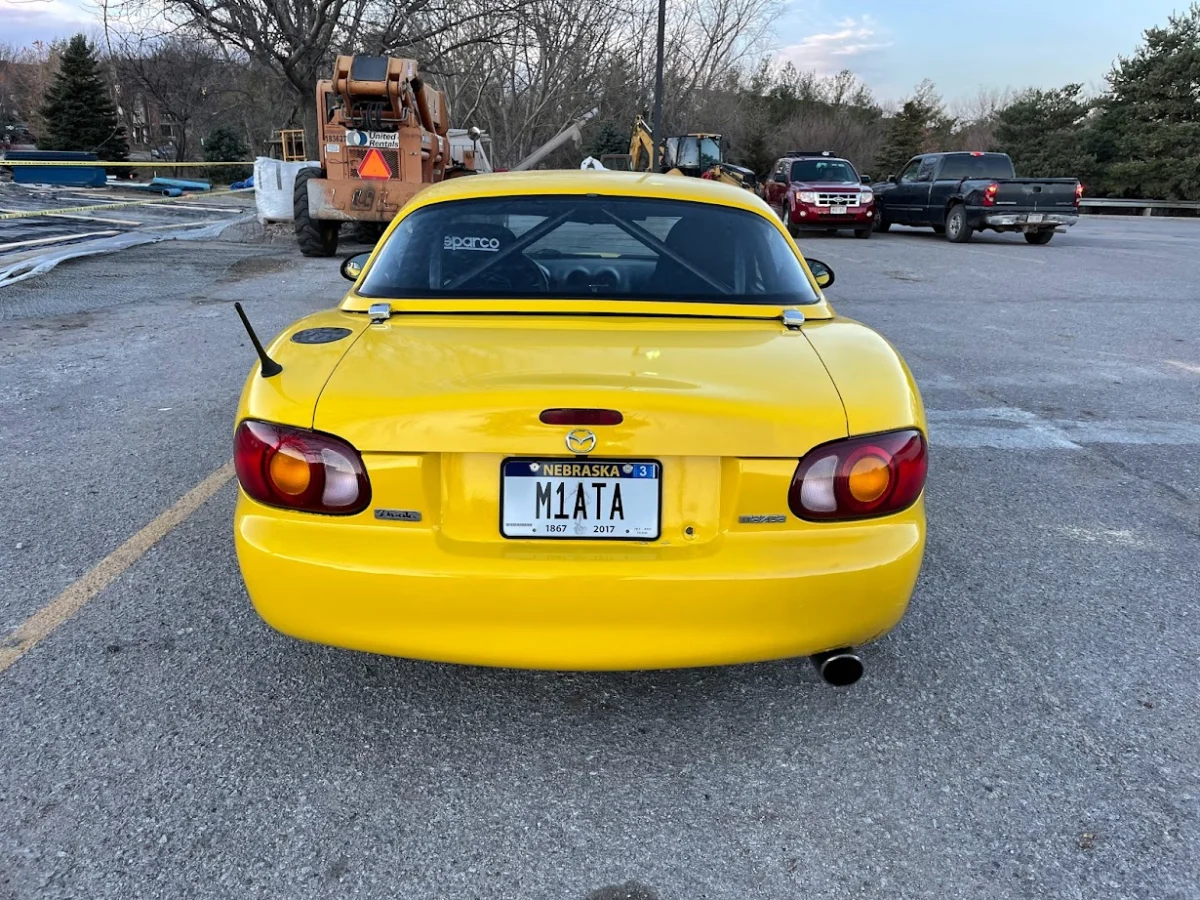
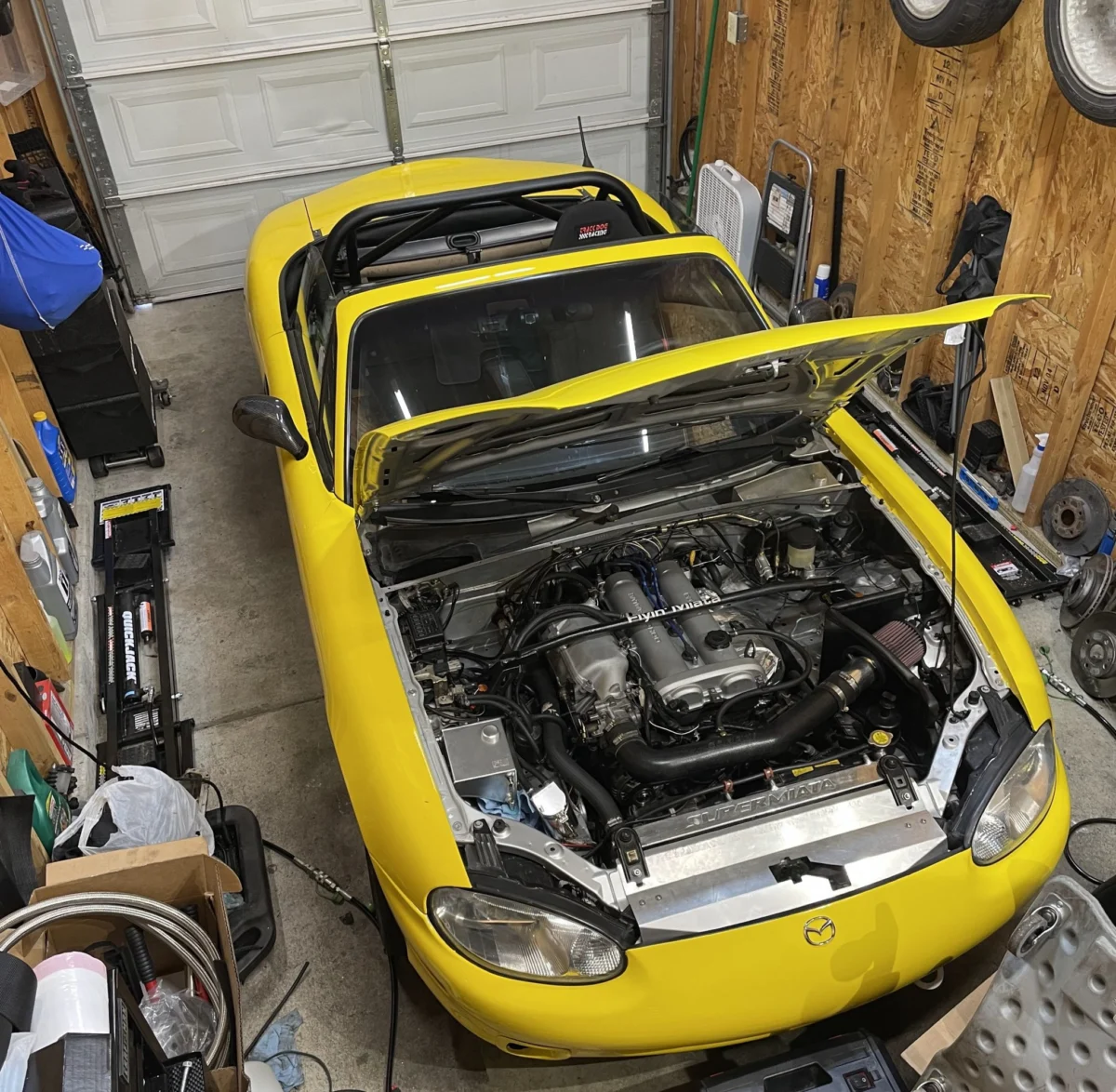
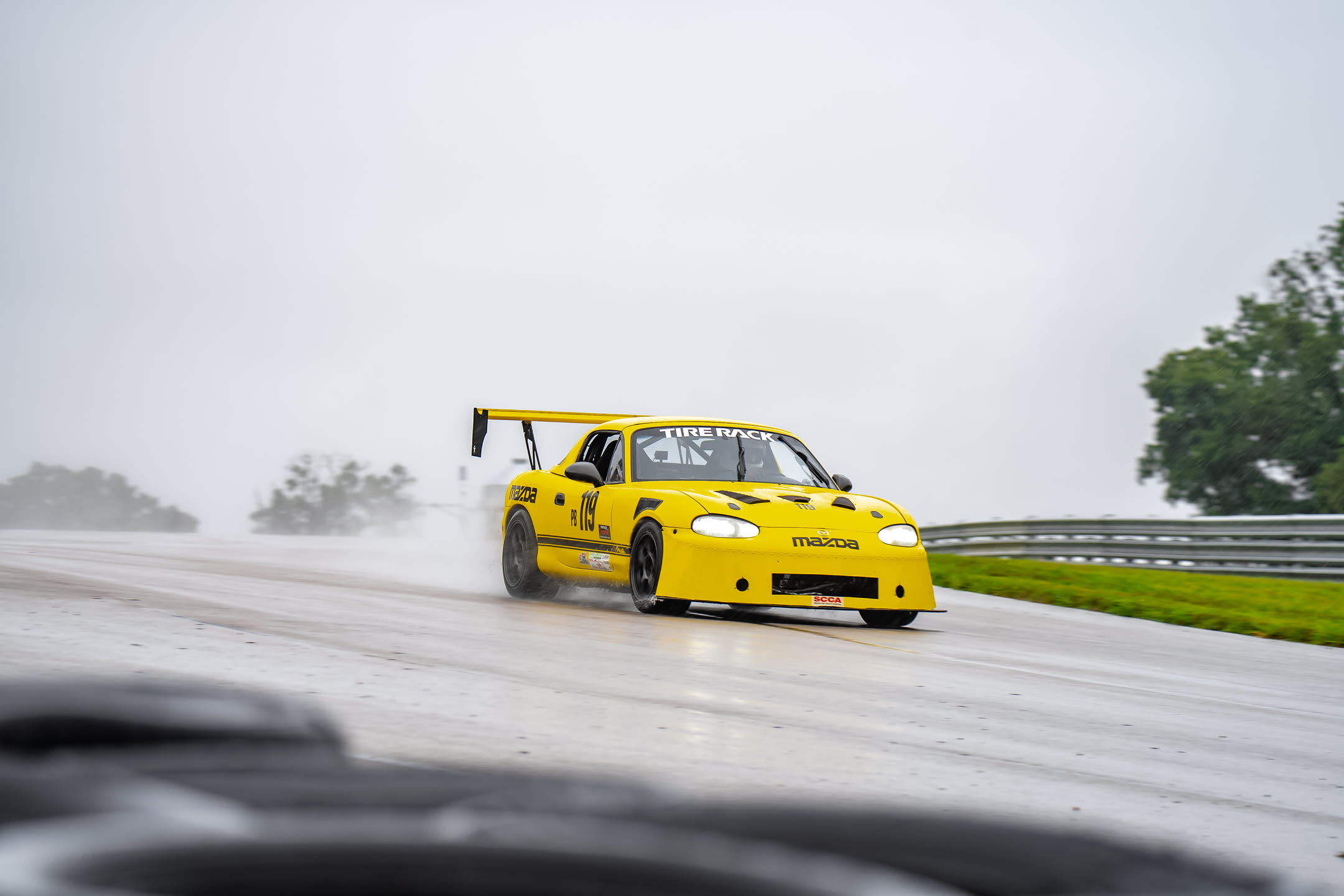
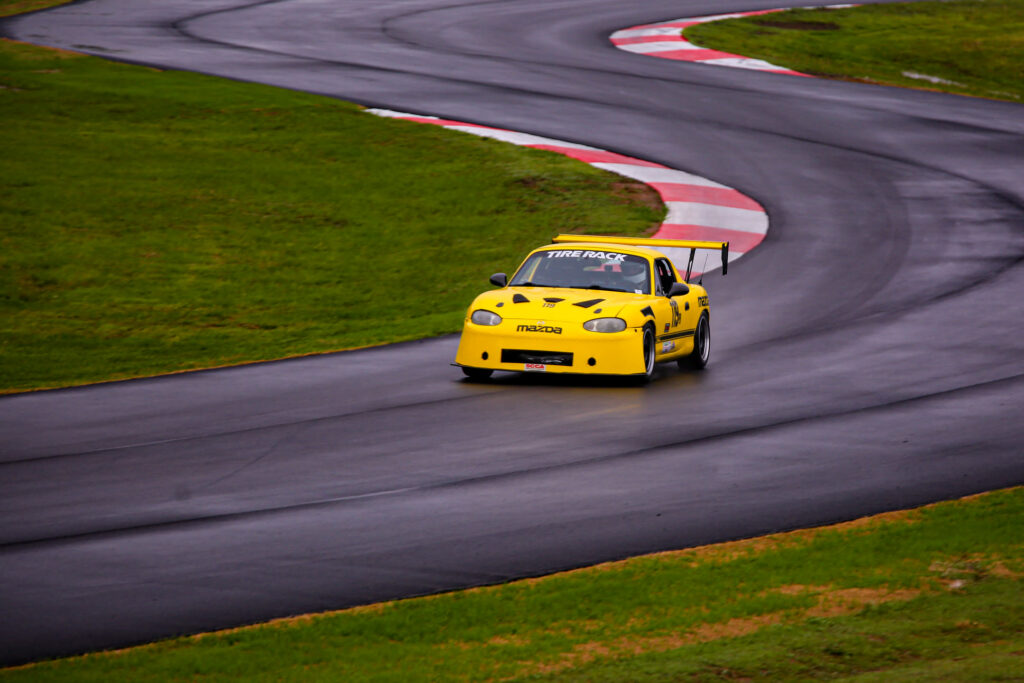
The evolution of a production vehicle into a competitive time-trial machine requires a disciplined approach to mechanical engineering, data acquisition, and iterative testing. Over a five-year development cycle concluding in February 2026, a 2000 Mazda MX-5 (NB) has served as a primary platform for evaluating the limits of the B6/BP engine architecture and the efficacy of modern aftermarket performance solutions. The most recent twelve-month period, spanning March 2025 through February 2026, represents a critical phase in this development, characterized by a transition from basic bolt-on modifications to advanced electronic integration and significant drivetrain overhauls. This report details the technical progression, reliability challenges, and performance data gathered during a season that included 14 track days and over 10 hours of high-limit operation.
Performance Benchmarking and Power Delivery Optimization
The 2025 season commenced with rigorous dynamometer testing to establish a baseline for the Sports Car Club of America (SCCA) Midwest Division (MiDiv) time trials classing. Accurate power-to-weight ratios are essential for competitive equity in these classes, necessitating verifiable wheel horsepower (whp) and torque figures.
In March 2025, the vehicle was tested on a Dynojet chassis dynamometer. The primary hardware change from the previous year was the replacement of the "square top" European-spec intake manifold with a Skunk2 Ultra Series manifold. The results indicated a peak output of 145.09 wheel horsepower and 129.67 lb-ft of wheel torque. This represents a substantial increase over the 133.27 whp recorded in 2024 and the 115 whp baseline achieved with the factory Electronic Control Unit (ECU).
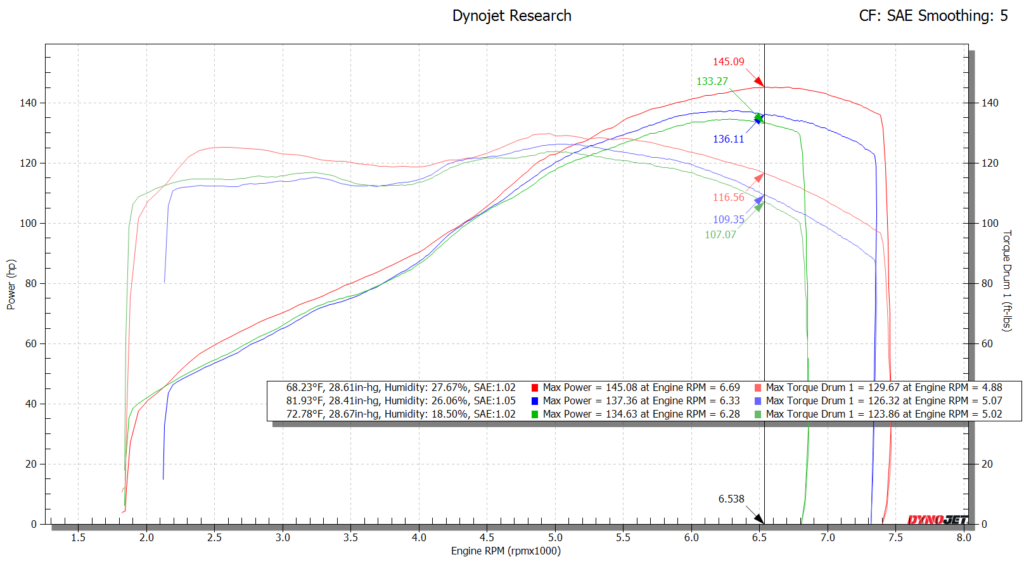
Technical analysis suggests that while different dynamometers can produce varying results based on ambient conditions and calibration, the upward trend in the power curve validates the efficiency of the Skunk2 intake manifold in the upper RPM range. The transition to a standalone MS3Pro Evo ECU remains the single most significant factor in unlocking the potential of the naturally aspirated 1.8-liter engine, allowing for precise ignition timing and fuel mapping that factory systems cannot accommodate.
Operational Challenges and Mechanical Failures
High-performance driving environments frequently expose weaknesses in aftermarket components that are not present during street use. The 2025 season was marked by two significant mechanical failures involving the throttle body, highlighting a recurring vulnerability in the induction system.
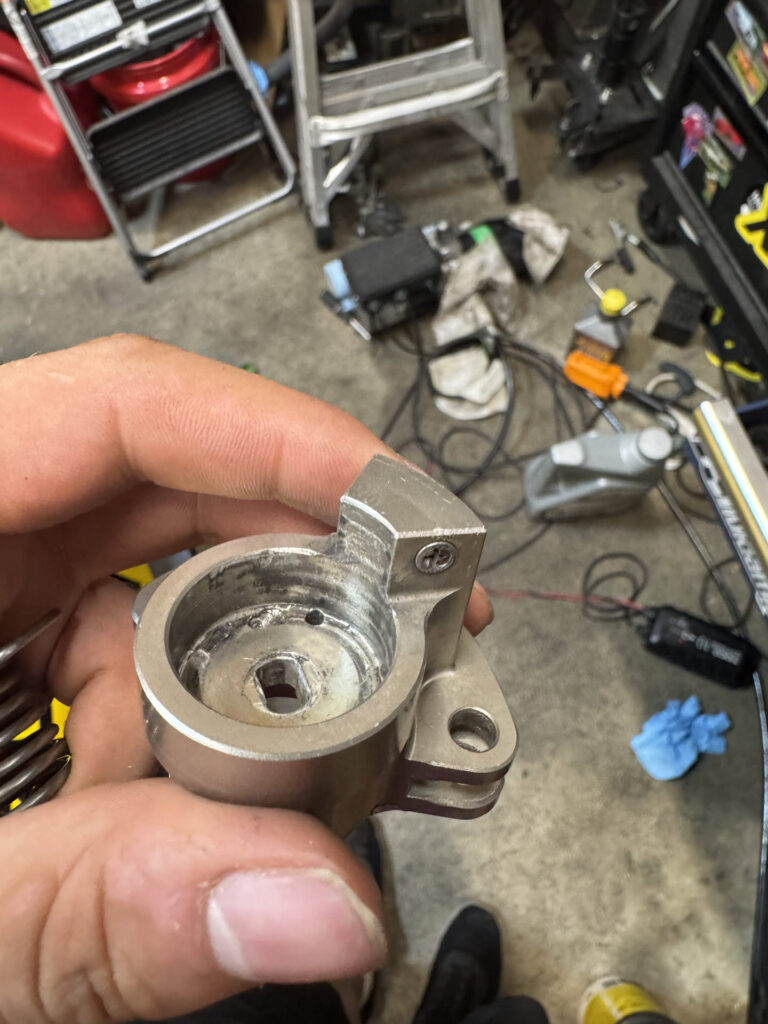
In May 2025, during a test day at I29 Speedway, the throttle return spring on the Skunk2 throttle body suffered a fatigue failure. This resulted in a "hanging" throttle condition, where the engine continued to produce power despite the driver lifting off the accelerator. While the vehicle’s braking system was capable of overcoming the engine’s output, the failure presented a significant safety risk. A temporary field repair allowed for the completion of the event, and the component was replaced with an identical unit.
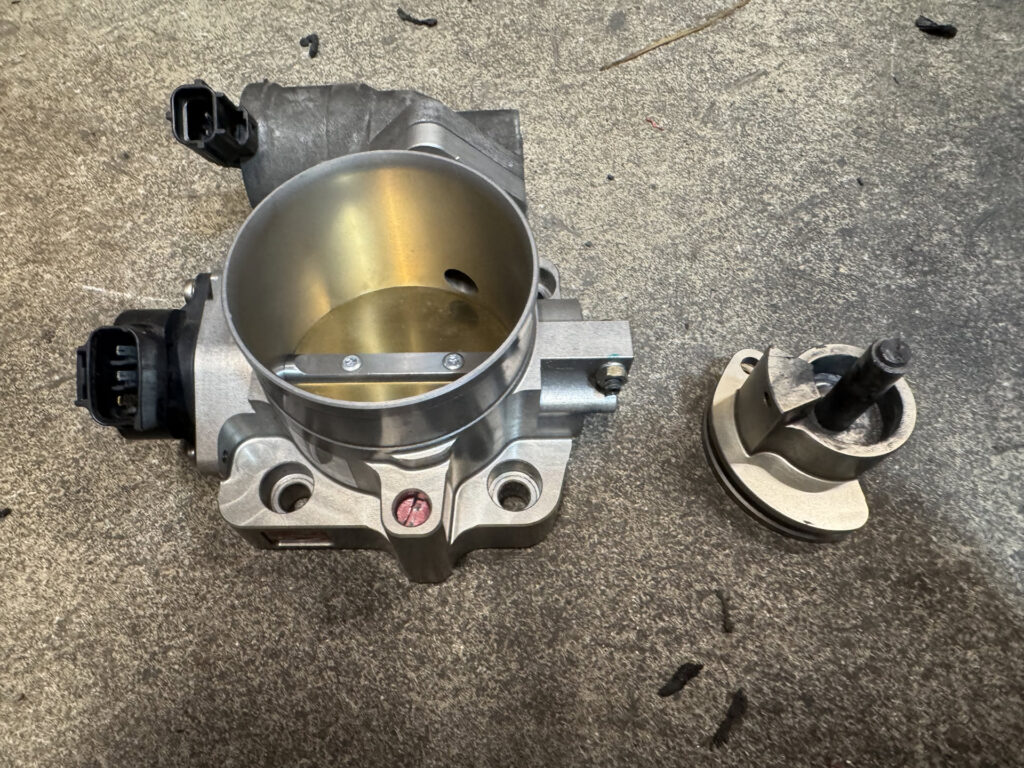
However, a more catastrophic failure occurred in August 2025 at High Plains Raceway. During a timed session, the throttle body shaft snapped entirely. This failure mode is often attributed to harmonic vibrations inherent in high-revving four-cylinder engines, which can cause metal fatigue in the throttle shaft. Fortunately, the failure occurred on the external side of the housing, preventing internal engine damage from ingested hardware. These incidents prompted a fundamental shift in the vehicle’s development strategy, moving away from traditional cable-actuated aftermarket throttle bodies toward a modern Drive-by-Wire (DBW) system.
Infrastructure and Logistics: The DIY Maintenance Model
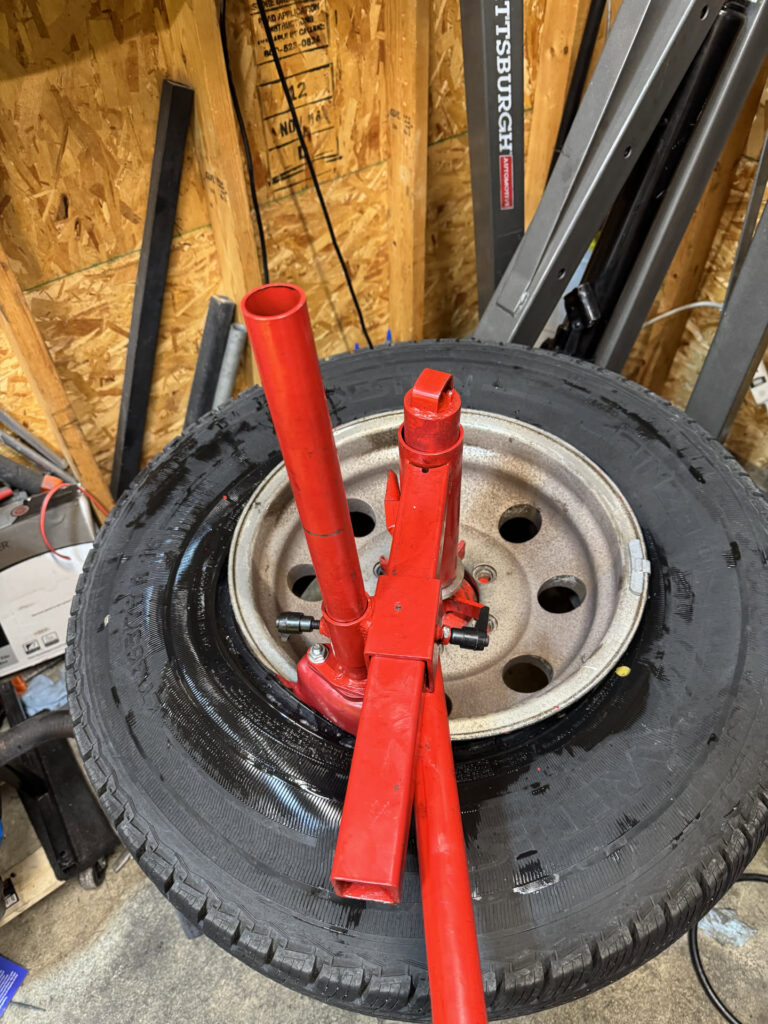
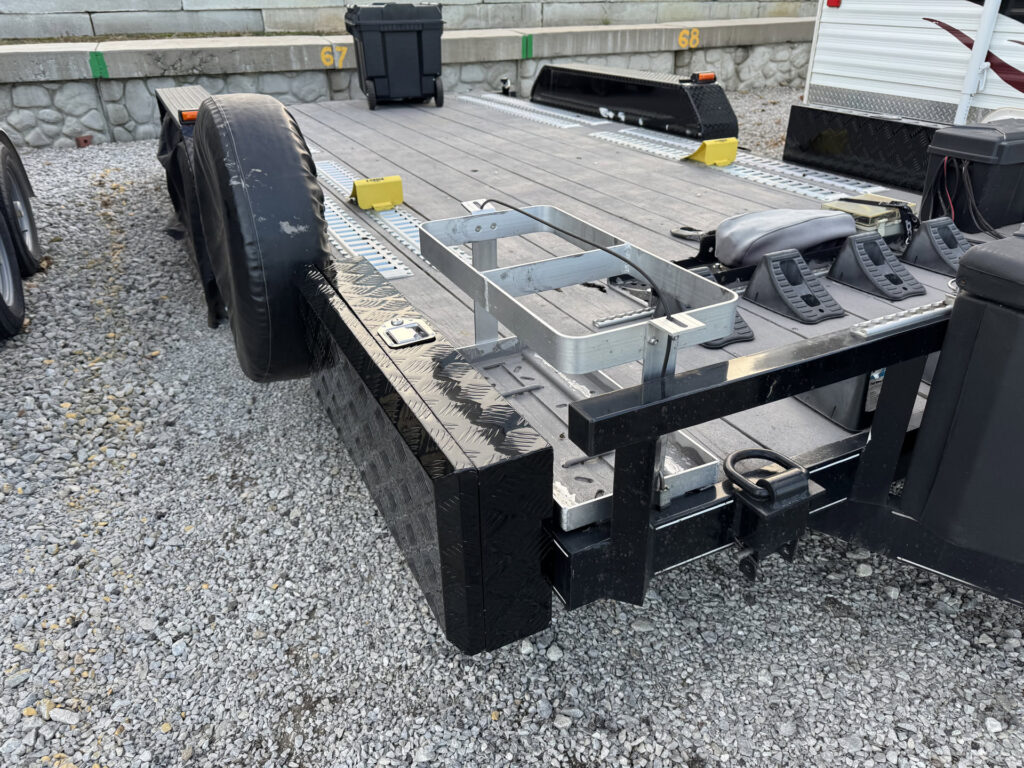
As professional service costs for track-day support continue to rise, the 2025 season saw a strategic investment in self-sufficiency. In June, the project shifted toward in-house tire management with the acquisition of manual mounting and balancing equipment.
The economic rationale for this shift is supported by the high consumption rate of 200-treadwear (200TW) performance tires, such as the Bridgestone Potenza RE-71RS or the Hankook Ventus R-S4. By utilizing a Harbor Freight manual tire changer modified with a "duckhead" attachment and a bubble balancer, the cost of the tools was recouped within the mounting of a single set of tires. Furthermore, manual balancing allows for a higher degree of precision and care regarding wheel weights, which is often overlooked in high-volume commercial tire shops. This shift emphasizes a broader trend in the amateur racing community toward vertical integration of maintenance tasks to preserve racing budgets.
Advanced Electronic Integration and Custom Wiring
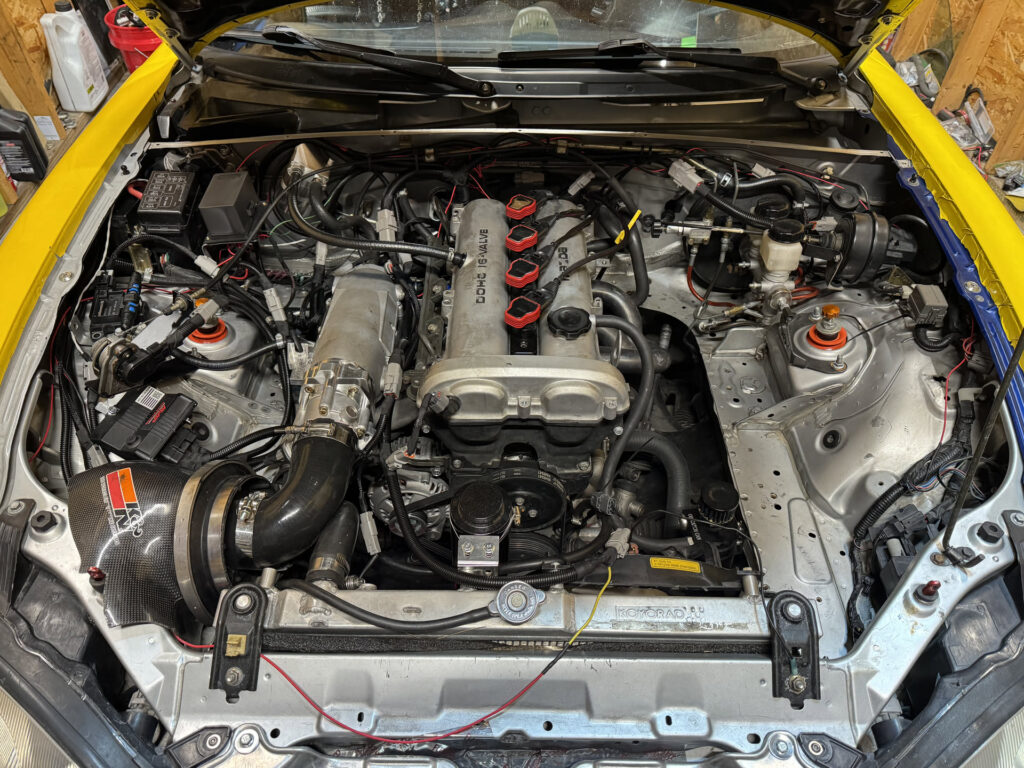
The reliability issues encountered mid-season necessitated a comprehensive overhaul of the vehicle’s electrical architecture in October 2025. The original 25-year-old factory wiring harness was identified as a potential failure point, particularly when interfaced with a modern standalone ECU via adapters.
The owner implemented a complete "mil-spec" style rewiring of the engine bay, utilizing Deutsch connectors for modularity and a dedicated fuse/relay block for power distribution. This overhaul coincided with the conversion to Drive-by-Wire (DBW). The system now utilizes:
- Bosch 60mm Electronic Throttle Body: Standardized in many modern performance applications for its reliability and precision.
- Honda Accelerator Pedal Position (APP) Sensor: Used to translate driver input into electronic signals.
- AMP EFI DBW Controller: Manages the interface between the MS3Pro Evo and the electronic throttle.
This conversion eliminates the mechanical failure points of cables and springs while allowing for advanced tuning features such as programmable throttle maps, traction control integration, and rev-matched downshifts.
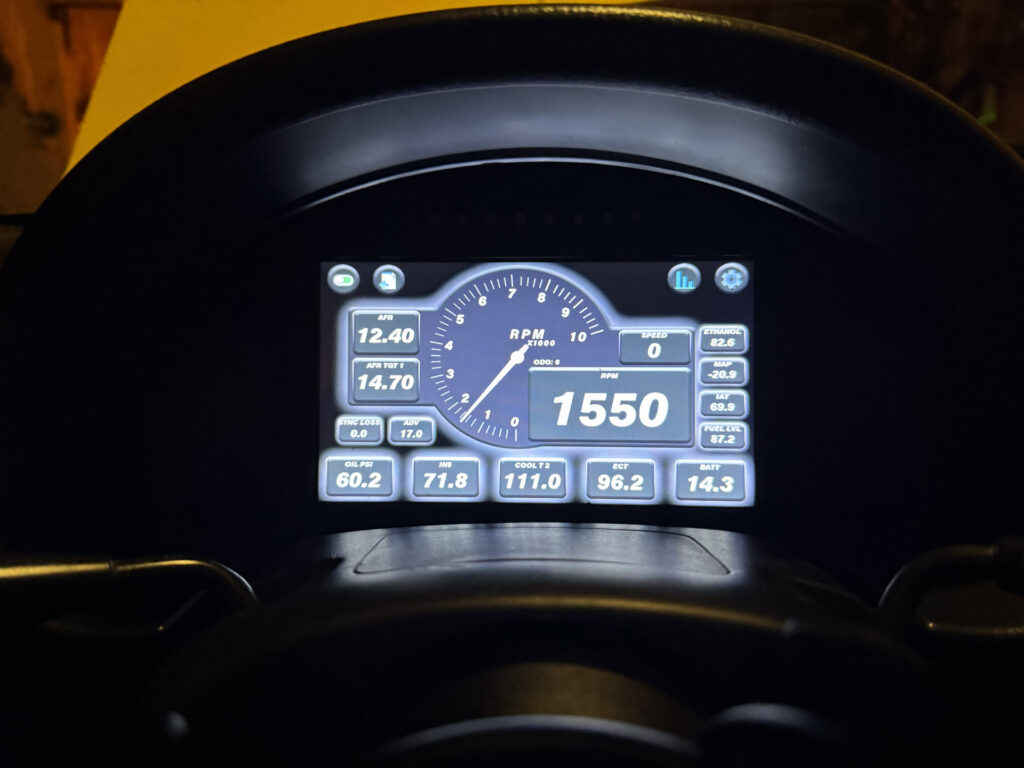
Following the wiring overhaul, a Tinker Electronics digital dash was installed in November 2025. This unit communicates via the Controller Area Network (CAN bus) to display real-time engine telemetry. The dash is configured to provide visual alerts for critical parameters, including oil pressure, coolant temperature, and lean-burn conditions (AFR), significantly improving the driver’s ability to monitor vehicle health under racing loads.
Drivetrain Refinement: Shifters and Differentials
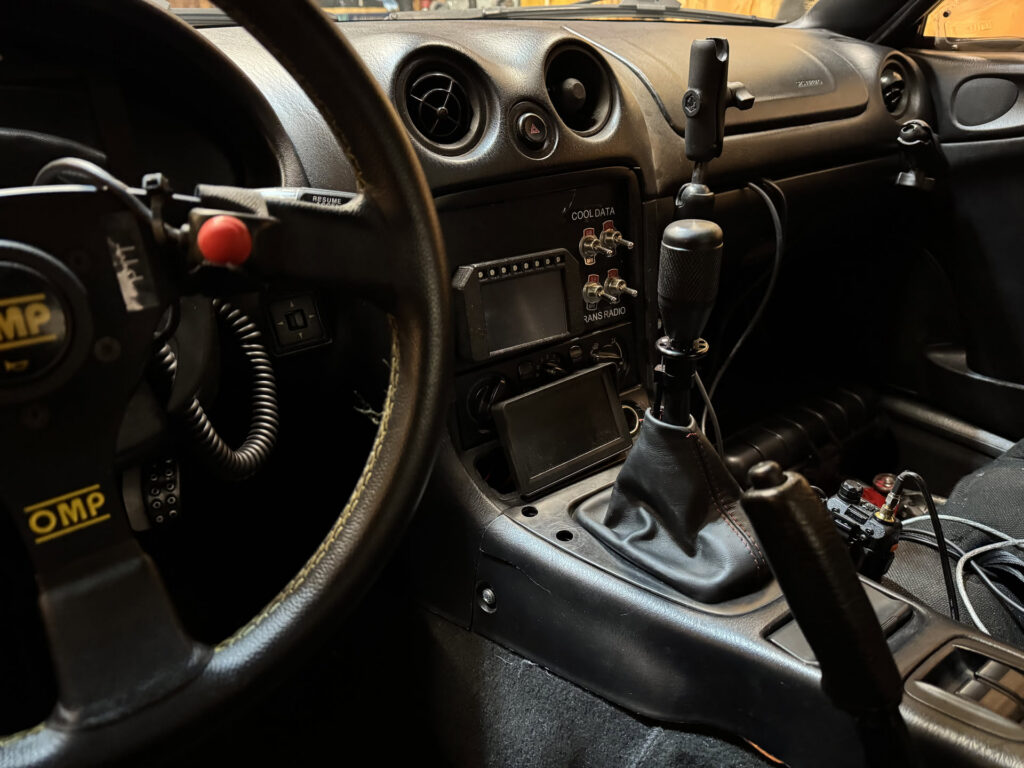
The final quarter of the development year focused on mechanical grip and driver ergonomics. In December, a Coolerworx short-throw shifter was installed to address persistent mis-shifts. Unlike standard shifters that rely on the internal transmission gates, the Coolerworx unit features an external return-to-center spring and adjustable gate stops. This hardware-level lockout for reverse gear and the rigid centering mechanism provide the tactile feedback necessary for high-stress gear changes on track.
In January 2026, the vehicle’s 4.30 Torsen Type II limited-slip differential (LSD) was replaced with a Supermiata-tuned OS Giken clutch-type LSD. While the Torsen system is effective for street use, it relies on torque sensing and can "open" if a rear wheel becomes unloaded—a common occurrence when attacking curbing or in tight, low-speed corners. The OS Giken unit provides more consistent torque distribution and can be tuned for specific locking characteristics on both acceleration and deceleration. This upgrade represents the pinnacle of Miata drivetrain development, aimed at maximizing exit speeds and mid-corner stability.
Strategic Fleet Expansion
In February 2026, the project expanded with the acquisition of a second NB Mazda Miata (a 2001 model). Purchased for $1,800, the vehicle serves as a "test mule" and a dedicated street car, allowing the primary yellow 2000 Miata to remain in a specialized track-ready state. This acquisition highlights the enduring value of the NB platform; despite cosmetic and minor mechanical issues, the inclusion of a Variable Valve Timing (VVT) engine and a six-speed manual transmission provides a robust foundation for further experimentation without risking the primary competition vehicle.
Season Data Summary and Chronology
The 2025-2026 season provided a wealth of data regarding the longevity of the Mazda B-series engine and the NB chassis.
Track Statistics for 2025:
- Total Laps Completed: 357
- Total Track Time: 10.9 hours
- Event Days: 14
- Venues Visited: Hallett Motor Racing Circuit, I29 Speedway, Ozarks International Raceway, High Plains Raceway.
Five-Year Cumulative Data:
- Total Laps: 1,380+
- Total High-Limit Driving Time: 43.8+ hours
Timeline of Major Events:
- March 2025: Baseline Dyno (145 whp).
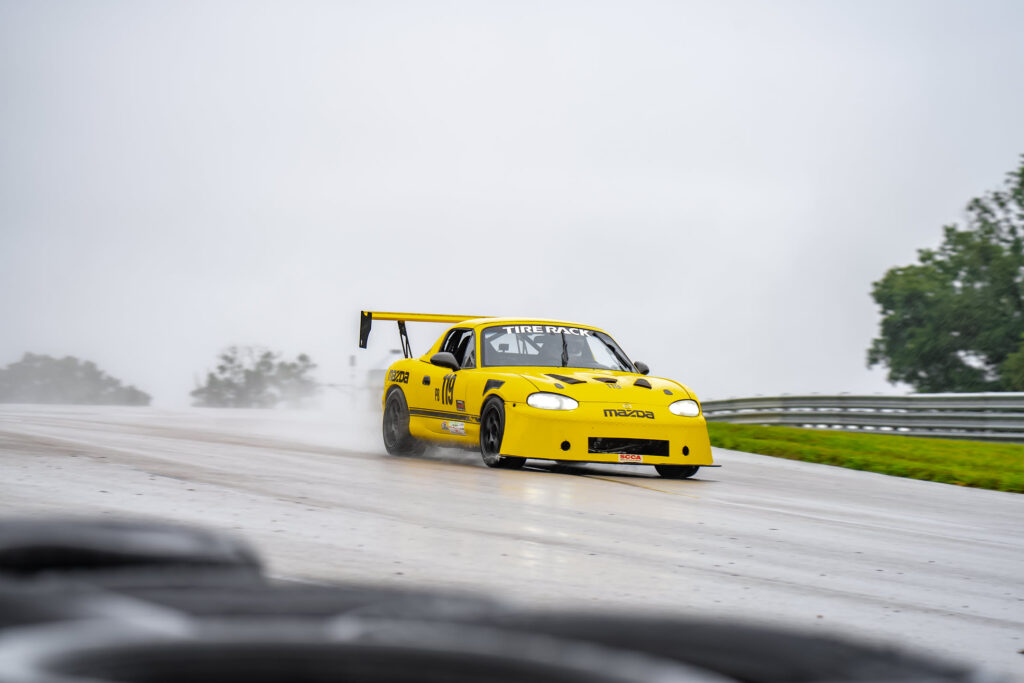
- April 2025: Wet weather testing at Hallett; analysis of new track surface friction.
- May 2025: First throttle body failure (return spring).
- June 2025: Implementation of DIY tire service infrastructure.
- July 2025: High-intensity testing at Ozarks International Raceway.
- August 2025: Second throttle body failure (shaft breakage); temporary revert to OEM hardware.
- October 2025: Full engine bay rewiring and DBW conversion.
- November 2025: CAN bus digital dash integration.
- December 2025: Installation of Coolerworx shifter.
- January 2026: Upgrade to OS Giken LSD.
- February 2026: Acquisition of second NB Miata chassis.
Broader Impact and Conclusion
The five-year development of this NB Miata underscores a shifting paradigm in the amateur motorsports community. The move toward sophisticated electronics—specifically standalone ECUs, CAN-based telemetry, and Drive-by-Wire systems—has lowered the barrier to entry for professional-grade vehicle dynamics. However, the recurring failures of aftermarket mechanical components like throttle bodies serve as a cautionary tale: performance gains must be balanced with rigorous reliability engineering.
As the vehicle enters its sixth year, it stands as a testament to the viability of the Mazda Miata as a premier developmental platform. The transition from a stock roadster to a precision-engineered track tool illustrates the importance of data-driven modifications and the necessity of addressing the "weakest link" in the mechanical chain. With a refined drivetrain and a modernized electrical backbone, the primary vehicle is positioned to challenge personal best lap times across the Midwest circuit, while the newly acquired secondary chassis ensures the continuation of the project’s iterative philosophy.