Jia Lissa
The history of the video game industry is often told through the lens of iconic consoles and mascot characters, but the internal corporate shifts that dictated the fate of giants like Sega and Namco remain equally compelling. Mike Fischer, a veteran executive whose career spanned pivotal eras at Sega Enterprises, Sega of America, Namco, and eventually Microsoft and Amazon, offers a rare, cross-continental perspective on the industry’s most turbulent decade. By examining the transition from the 16-bit dominance of the Genesis to the eventual dissolution of Sega’s hardware business, a clearer picture emerges of how cultural friction, technical documentation gaps, and management philosophies shaped the modern gaming landscape.

The Otorii Era: Foundations in Tokyo
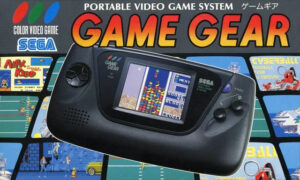
Mike Fischer’s entry into the gaming industry began not in Silicon Valley, but in Tokyo, Japan, in April 1990. Joining Sega Enterprises’ Overseas Consumer Products Business Division, Fischer arrived at a moment of immense transition. The Mega Drive (known as the Genesis in North America) had already launched in Japan in 1988, but it was the early 1990s that saw the brand’s global expansion reach a fever pitch. Fischer’s early tenure was defined by a "utility player" role, involving everything from translating repair documents for the Game Gear to naming peripheral hardware such as the "Gear-to-Gear" cable.
During this period, Sega was a company defined by intense creativity and a desire to dismantle Nintendo’s near-monopoly. Fischer witnessed the internal drive to create a "Mario-killer," a project that eventually birthed Sonic the Hedgehog. This era was also marked by Sega’s burgeoning status as a cultural icon, leading to high-profile collaborations with celebrities like Michael Jackson and Formula One driver Ayrton Senna. Fischer’s role as a translator for these figures provided him with a front-row seat to Sega’s attempt to merge interactive entertainment with global pop culture.

Cultural Friction and the Mid-Nineties Transition
In 1994, Fischer transferred to Sega of America (SOA), a move that highlighted the stark differences between the Japanese headquarters and its most successful subsidiary. Under the leadership of Tom Kalinske, SOA had transformed the Genesis into a market leader in the United States, often outperforming the Japanese parent company’s domestic results. This success, however, created a unique set of tensions. Fischer noted a persistent "spy" narrative among American staff who viewed Japanese transfers with suspicion, though he maintains the primary friction stemmed from differing corporate philosophies rather than intentional sabotage.
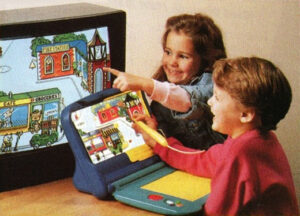
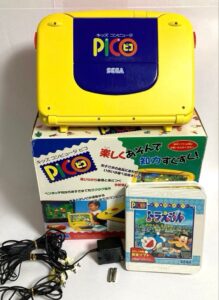
The leadership style of Hayao Nakayama, then-president of Sega Enterprises, was a study in intensity. Fischer recounts instances where Nakayama would vocally reprimand Japanese management for ignoring the advice of American executives like Kalinske, particularly regarding the Sega Pico, an educational toy system. Nakayama’s respect for Kalinske’s market intuition was high, yet he was simultaneously under pressure from his board of directors as the Japanese market for the Mega Drive remained stagnant compared to the West. This duality—respect for American success versus the need to protect the Japanese headquarters’ interests—became a recurring theme in Sega’s mid-90s struggles.
The Inventory Crisis and the Saturn’s Turbulent Launch
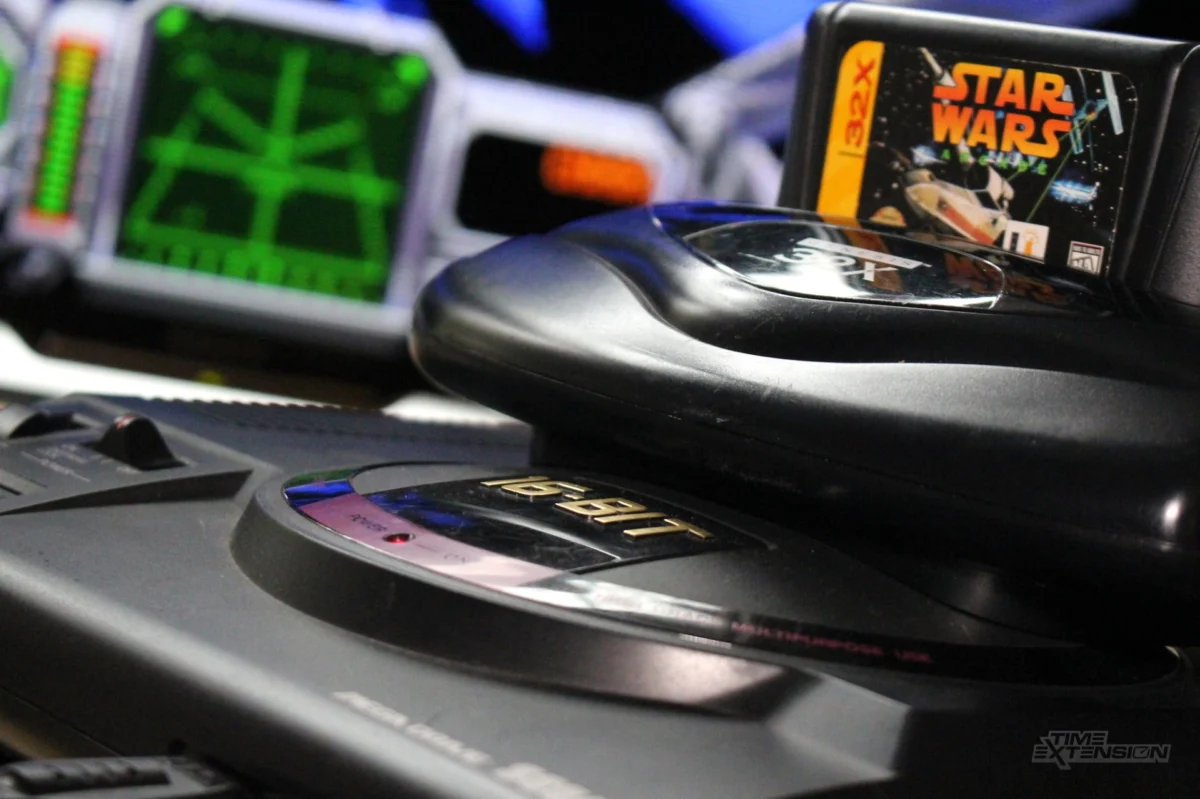
The transition from the 16-bit Genesis to the 32-bit Saturn is widely regarded as the beginning of the end for Sega’s hardware ambitions. While the Genesis was still a viable product in the U.S., the Japanese headquarters was eager to move on to the next generation to counter the Super Nintendo’s late-cycle dominance in Japan. This misalignment led to significant inventory management issues.
Sega’s export-driven model meant that the Japanese headquarters essentially sold hardware and software to SOA. When the market peaked, SOA found itself burdened with massive quantities of inventory that it could not easily liquidate without price protection—a financial mechanism that the Japanese parent company was reluctant to support. This created a profit-and-loss (P&L) imbalance that made SOA’s financial health appear more dire than it was, further straining the relationship between the two branches.
Furthermore, the Saturn’s hardware architecture presented a significant hurdle. Unlike the Genesis, which utilized the reliable Motorola 68000 chip, the Saturn was built around a complex dual-CPU Hitachi architecture. Fischer noted that the documentation for this hardware was often poor and arrived too late for developers to fully utilize the system’s power. There is historical speculation that Sega was pressured by the Japanese Ministry of International Trade and Industry to use domestic chipsets rather than American alternatives, a decision that may have inadvertently hindered the console’s global competitiveness against the more developer-friendly Sony PlayStation.
Interlude at Namco: The Fighting Game Renaissance
In 1997, Fischer transitioned to Namco, arriving at the height of the PlayStation’s global dominance. Namco’s relationship with Sony was a cornerstone of the era, producing technical showcases like Tekken and Ridge Racer. Fischer’s time at Namco coincided with the development of Soul Calibur, a title that would eventually become a landmark for Sega’s final console, the Dreamcast.
Interestingly, despite the technical achievement of Soul Calibur on the Dreamcast—which many critics argued looked better than the arcade original—the internal sentiment at Namco was shifting. Developers were increasingly frustrated with the challenges of supporting multiple platforms and were drawn toward the massive install base and technical promise of the upcoming PlayStation 2. This shift signaled a broader industry trend where third-party developers began to consolidate their efforts toward the most dominant platform, a move that left the Dreamcast increasingly isolated despite its high-quality library.
A Return to Sega: Dismantling the Hardware Legacy
Fischer returned to Sega in 2002 under the leadership of Peter Moore, a period defined by the company’s painful transition into a third-party software publisher. The "Gamer’s Manifesto" era, as Fischer describes it, was an attempt to modernize Sega’s output for a Western audience that now demanded mature, M-rated content and robust multiplayer experiences. This transition was met with fierce internal resistance, most notably from Yuji Naka, the lead programmer of the original Sonic the Hedgehog.
Naka’s reputation for being difficult was well-known within the company. Fischer describes a "malignant" effort by Naka to rewrite the history of Sonic’s creation, often overshadowing the contributions of character designer Naoto Ohshima and level designer Hirokazu Yasuhara. The clash between the Japanese development teams’ traditional "arcade-port" mentality and the Western market’s desire for deeper, more persistent console experiences created a final hurdle for the company as it sought to find its footing on competitor platforms like the GameCube, PlayStation 2, and the original Xbox.
Supporting Data: The Cost of a Generation
To understand the magnitude of Sega’s shift, one must look at the market data from the mid-1990s. At its peak in 1993, Sega controlled nearly 50% of the U.S. video game market. By 1996, following the botched "surprise" launch of the Saturn, that share had plummeted as Sony’s PlayStation captured the zeitgeist. The financial burden of supporting the 32X, the Sega CD, and the Saturn simultaneously fractured Sega’s resources, leading to a consolidated net loss of roughly $428 million by the end of the 1997 fiscal year.
In contrast, the Sega Pico—often dismissed as a minor product—enjoyed a lifespan that exceeded both the Saturn and the Dreamcast, with production continuing in some territories until 2005. This highlights a recurring irony in Sega’s history: while their flagship hardware struggled to compete with Sony and Nintendo, their secondary products and arcade innovations remained highly profitable.
Broader Impact and Future Implications
The legacy of Mike Fischer’s era at Sega is one of missed opportunities and cultural disconnects, but it also reflects a company that was unafraid to take risks. The eventual move to third-party publishing, while initially viewed as a defeat, allowed Sega’s intellectual properties to reach a broader audience than ever before. Today, under the leadership of Shuji Utsumi, Sega is attempting a "Power of Legacy" strategy, reviving classic franchises like Jet Set Radio, Shinobi, and Golden Axe for a modern audience.

Fischer’s observations suggest that for Sega to succeed in the 21st century, it must balance nostalgia with radical innovation. The success of fan-led projects like Sonic Mania demonstrates that the passion for Sega’s classic IP remains strong, but the company must also empower a new generation of creators who are not beholden to the rigid hierarchies of the past. As the industry continues to consolidate, the lessons of the Sega-Namco era—the importance of developer documentation, the necessity of clear communication between regional offices, and the danger of executive ego—remain more relevant than ever.