Retno Hari Mulyono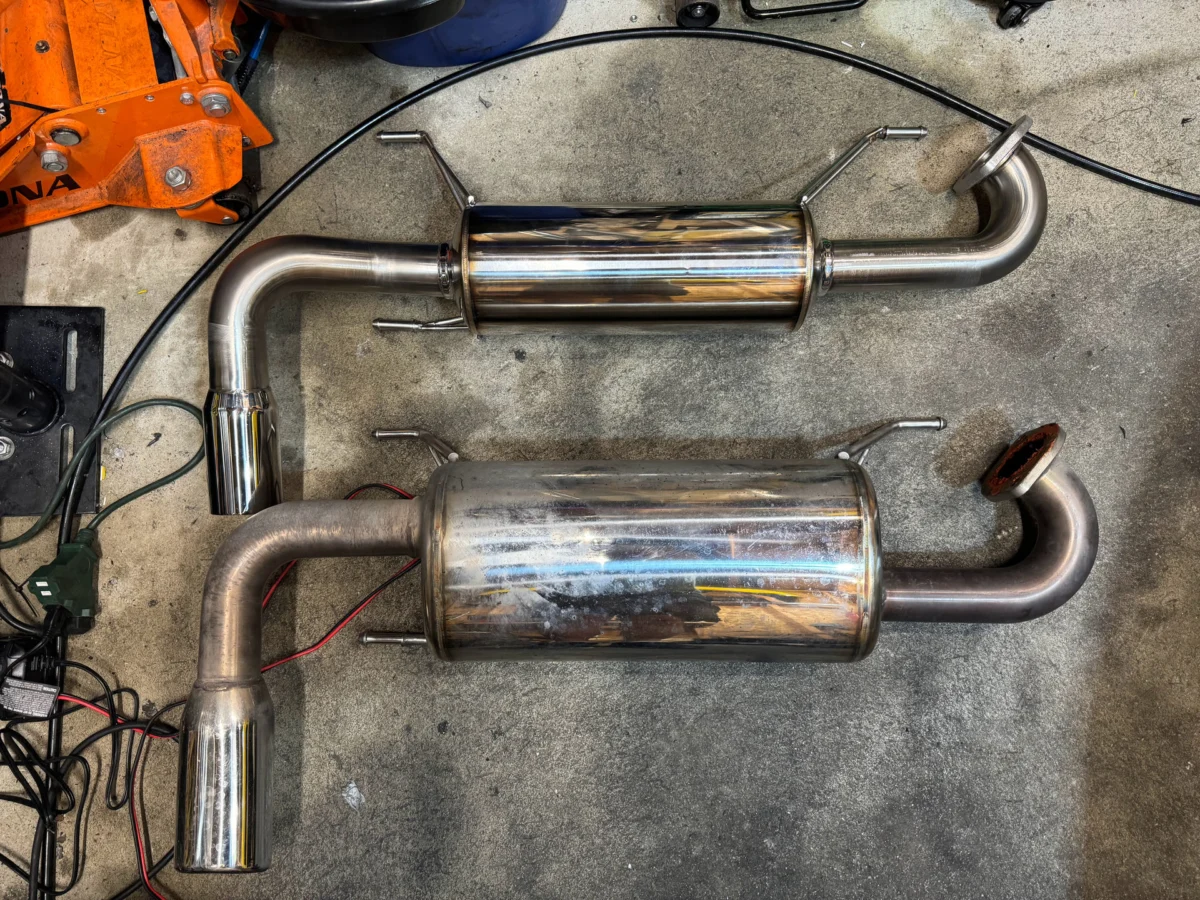
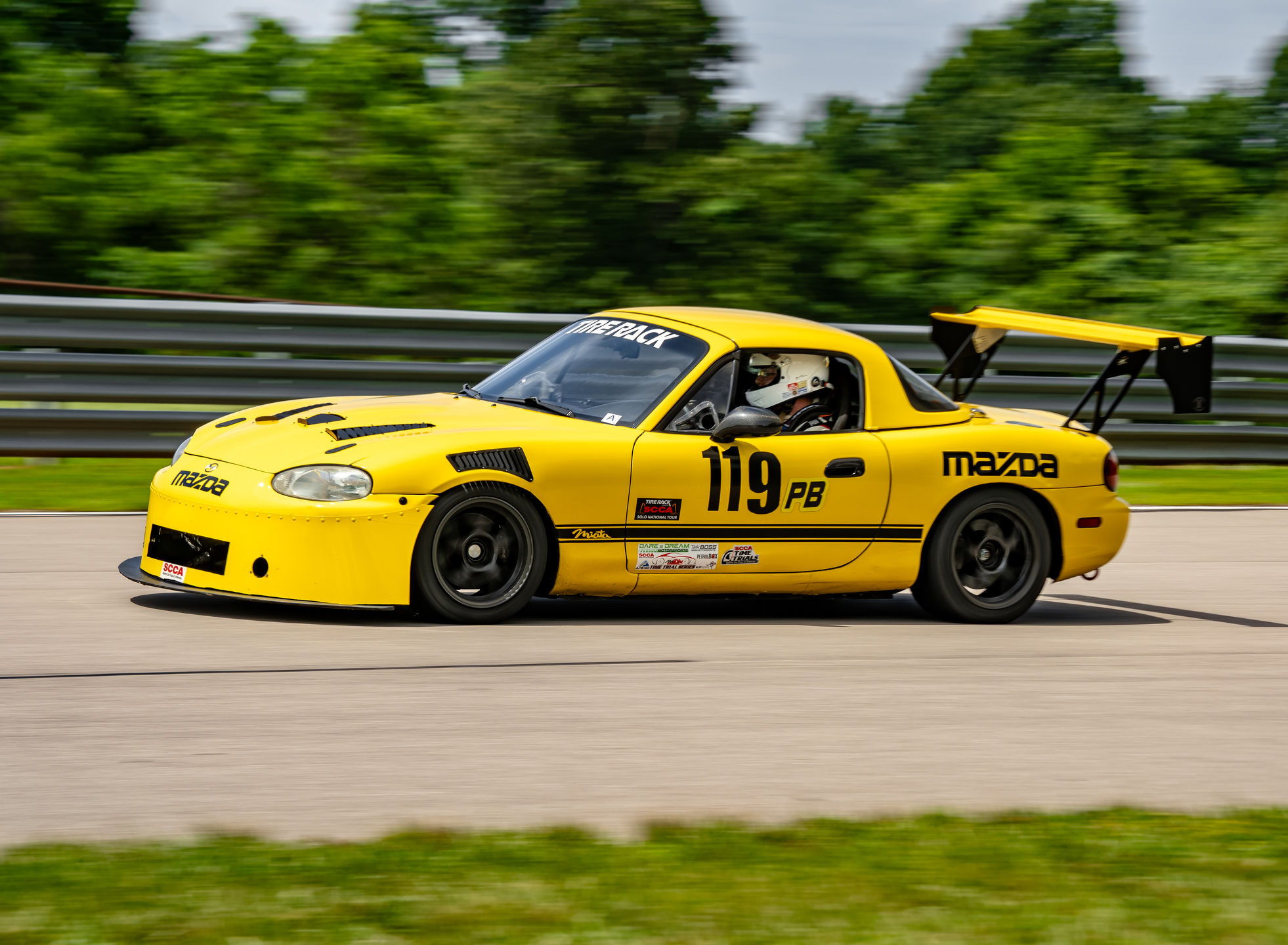
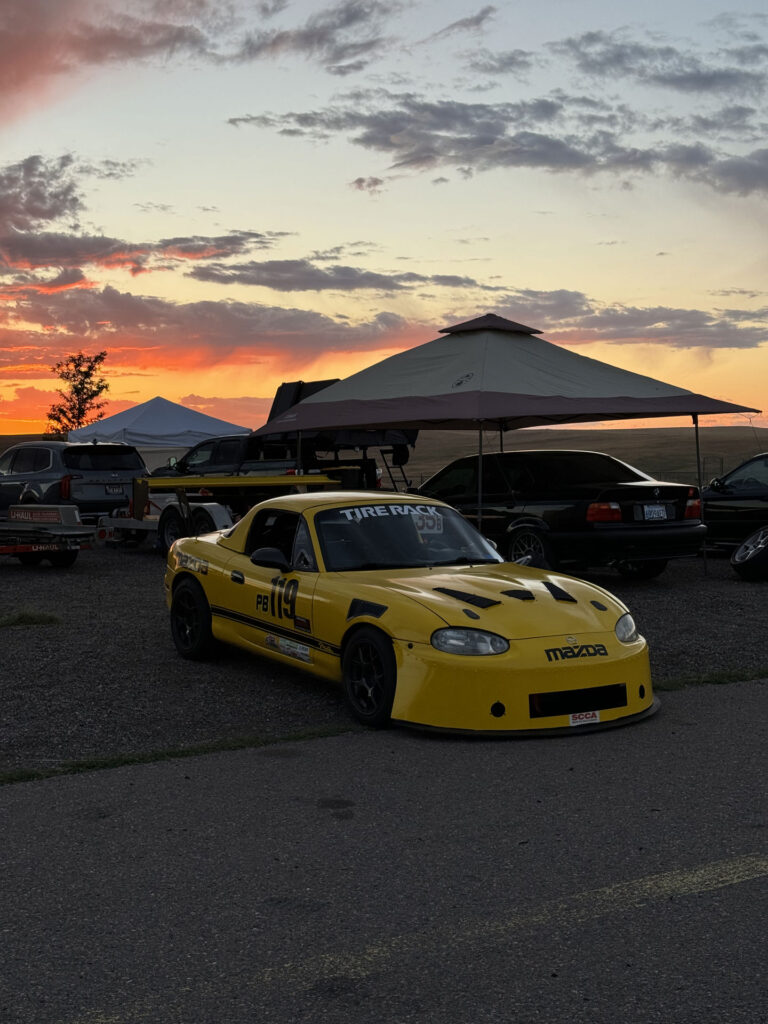
The pursuit of motorsports performance is an iterative and demanding endeavor, requiring a continuous balance between mechanical reliability, driver development, and logistical efficiency. Marking the conclusion of its fourth year of ownership, a heavily modified NB-generation Mazda Miata has documented a rigorous campaign spanning sixteen track days, three autocross events, and nearly 400 competitive laps over a twelve-month period from March 2024 through February 2025. This comprehensive review highlights the mechanical trials, logistical enhancements, and aerodynamic and powertrain modifications that define a dedicated time-trial build operating at the intersection of amateur accessibility and semi-professional preparation.
Chronological Evolution of the Build: Spring to Summer 2024
The operational year commenced in March 2024 with a significant powertrain overhaul. The vehicle’s original BP4W engine was extracted to make way for a freshly prepared BP6D variable valve timing (VVT) motor paired with a six-speed manual transmission, replacing the stock five-speed unit. What initially targeted a straightforward drop-in replacement quickly expanded into a complete cylinder head rebuild after marginal valve sealing was detected during preliminary inspections. Utilizing a do-it-yourself cylinder hone, new original equipment manufacturer piston rings, aftermarket pistons, and a comprehensive suite of supporting hardware, the engine was assembled and installed.
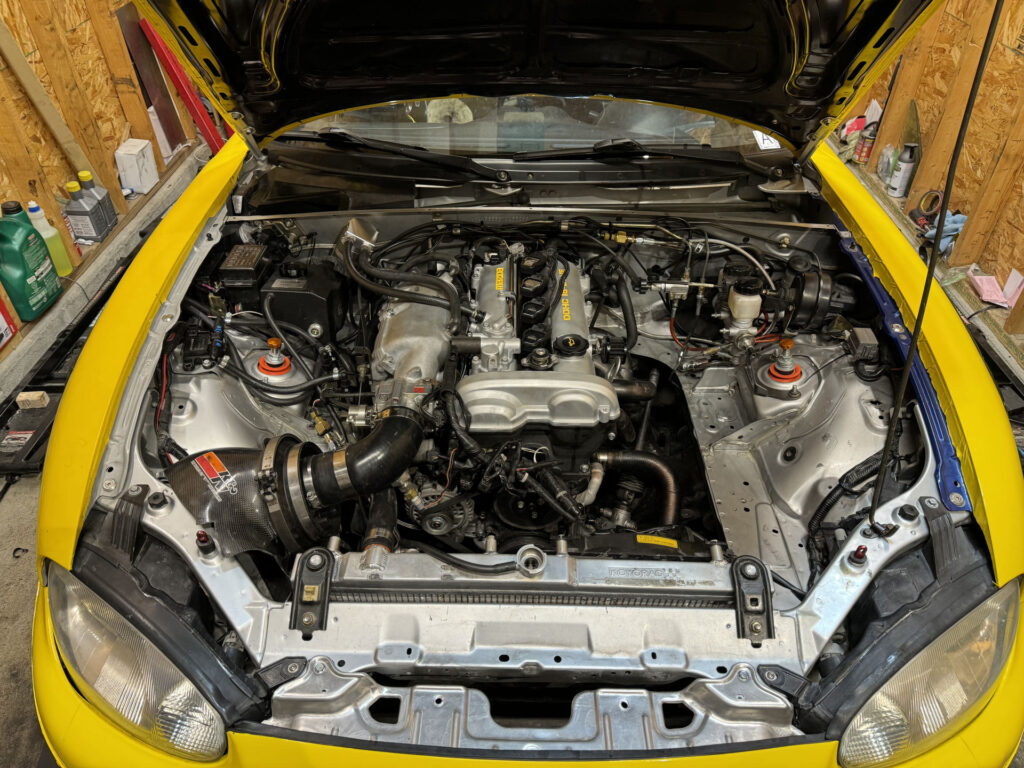
However, the rigors of competitive motorsport proved unforgiving. During an early-season autocross event, sustained high-RPM operation near the redline induced extreme internal cooling system pressures. Seeking the path of least resistance, a freeze plug failed, resulting in a minor head gasket leak. While the six-speed transmission remained bolted in place, the newly built VVT motor was temporarily shelved in favor of the reliable original BP4W powerplant to salvage the remainder of the racing season.
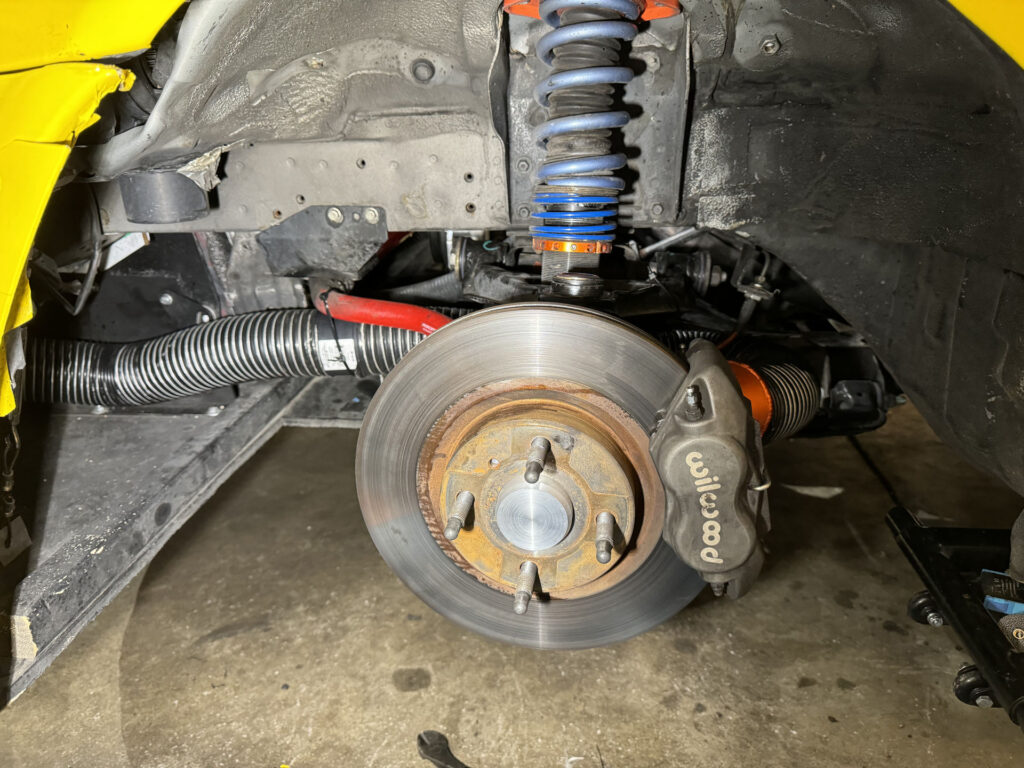
Addressing thermal management and endurance constraints became the priority in April 2024. The implementation of dedicated brake cooling ducts for the existing Supermiata BX11 braking system yielded immediate operational dividends. By engineering a two-section hose setup with a central coupler—ensuring that localized damage would not necessitate a full-system replacement—thermal stress on the friction materials was substantially mitigated. Track telemetry and maintenance logs confirmed that the cooling ducts effectively doubled brake pad longevity, a critical financial and logistical improvement given the thin pad profile inherent to the BX11 kit.
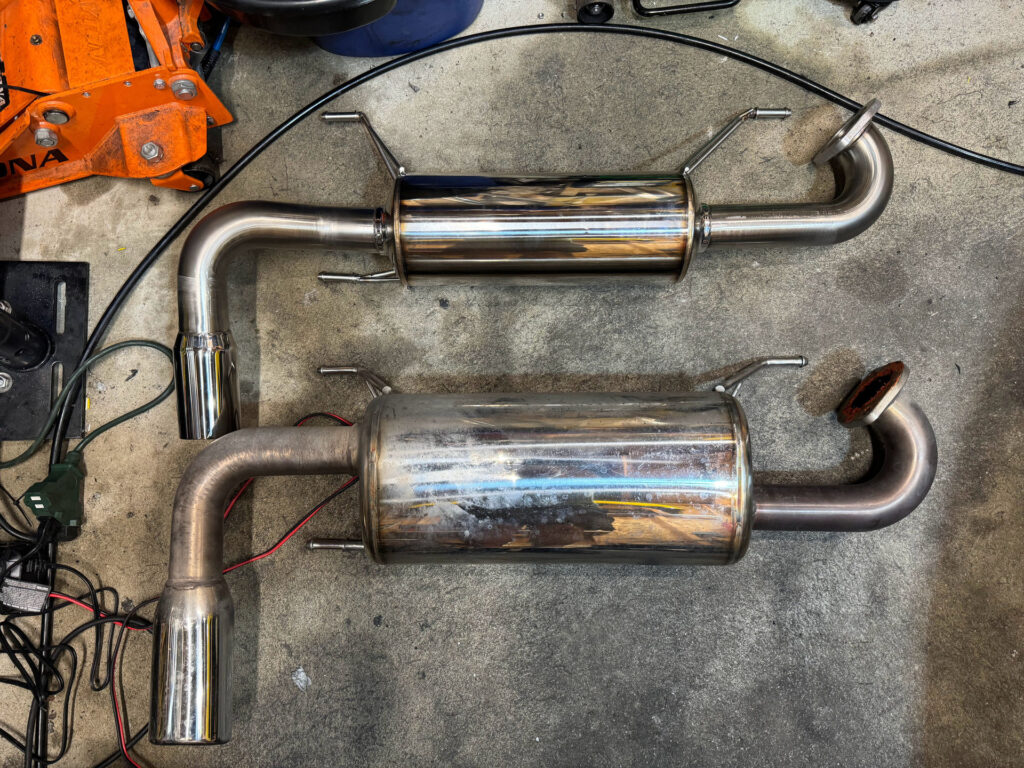
May brought strategic adjustments to the exhaust architecture to optimize weight savings and acoustic output. The Racing Beat Power Pulse muffler was unbolted and replaced with a Racing Beat Race muffler. Operating in conjunction with a Raceland exhaust header and a Racing Beat Race resonated midpipe, the new configuration successfully reduced vehicle weight while marginally elevating exhaust decibels. Crucially, the system remained compliant with standard track facility noise regulations, avoiding the operational penalties frequently encountered by overly aggressive open-exhaust builds.
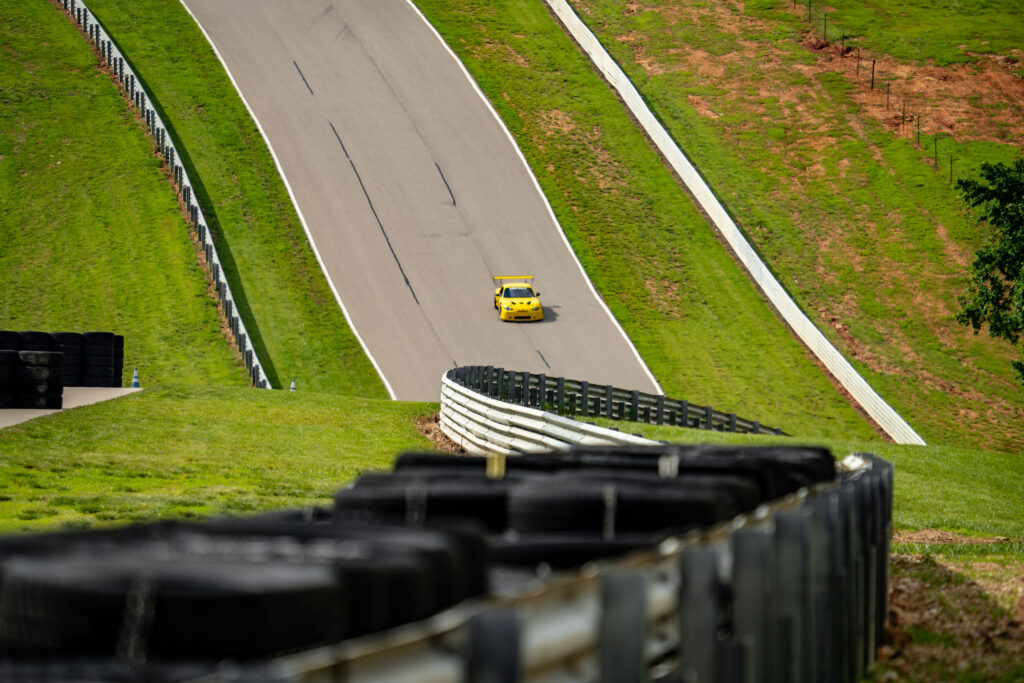
Mid-summer ushered in an intensive regional track schedule, beginning in June at the Ozarks International Raceway. Characterized by severe elevation changes and a highly technical layout, the circuit served as a rigorous benchmark for driver progression. Telemetry comparisons against the previous year demonstrated substantial speed gains, cementing the Ozarks circuit as a preferred venue for technical evaluation, alongside Hallett Motor Racing Circuit.
Logistical Expansion: Hauling, Trailering, and Paddock Infrastructure
Transitioning from a purely street-driven track car to a dedicated trailer-dependent platform required significant investments in towing and paddock infrastructure. In June, acquisition of a heritage pickup truck provided the necessary towing capacity, tested initially via a 900-plus-round-trip excursion utilizing a rental trailer to I29 Speedway and subsequently to High Plains Raceway in July. Despite encountering minor mechanical hurdles—namely, oil-fouled spark plugs induced by proximity to the exhaust routing—the transition to a dedicated tow vehicle eliminated the compounding fatigue of driving a stripped, track-prepped Miata hundreds of miles to competition venues.
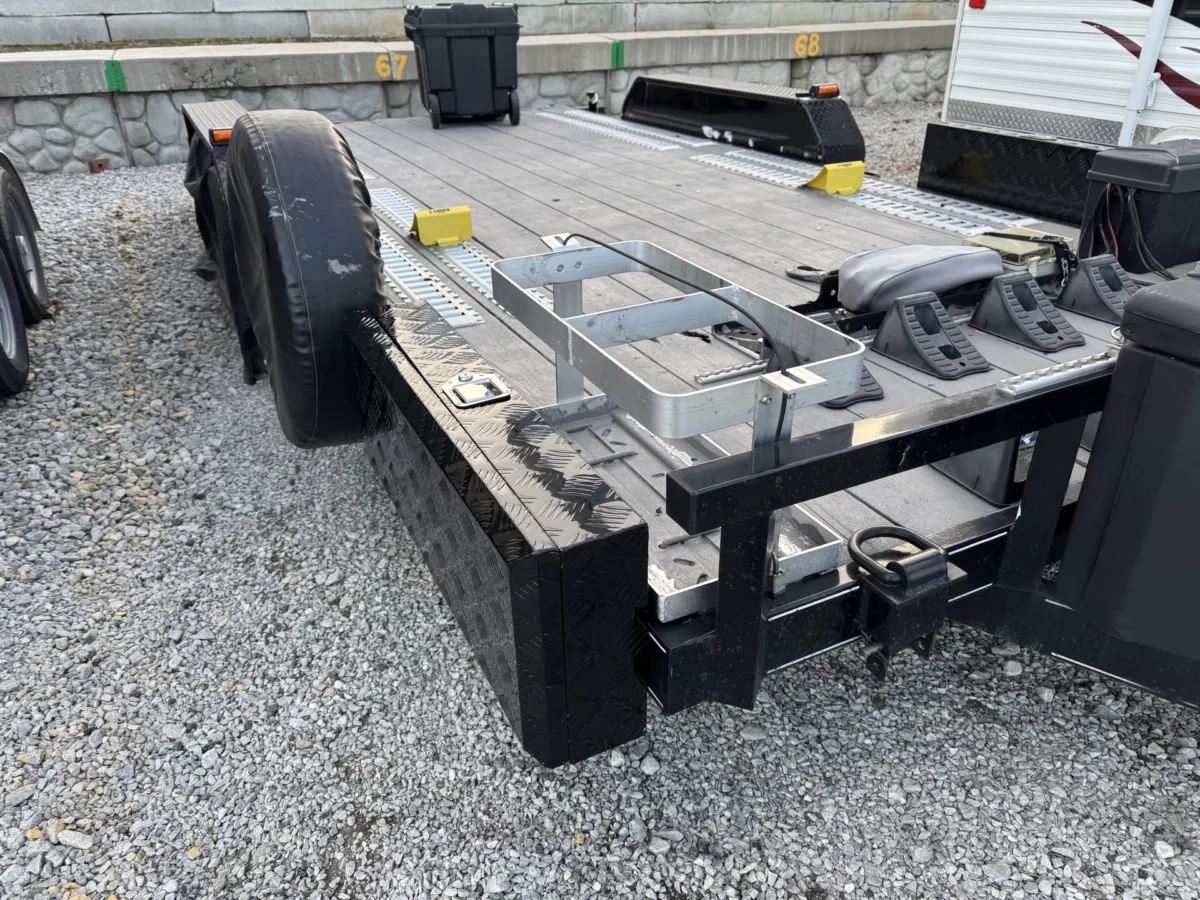
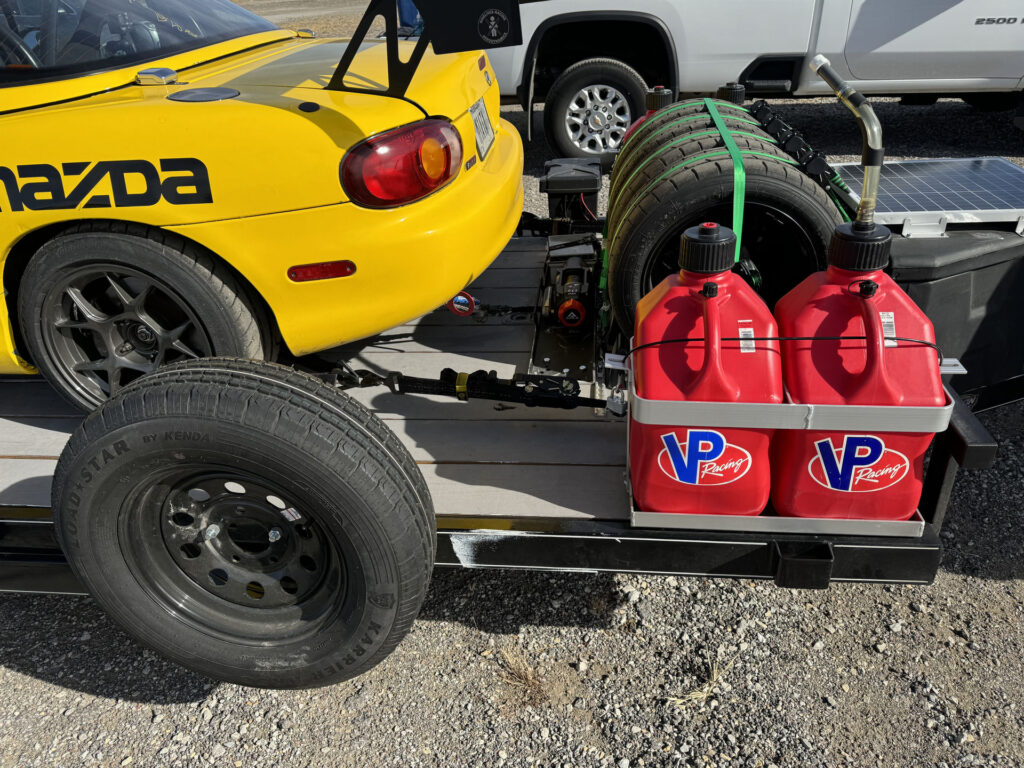
The logistical framework expanded further in July with the acquisition of an 18-foot open car hauler featuring a 16-foot deck and a 2-foot dovetail. By October, the trailer was heavily customized with integrated tire racks, a heavy-duty winch, secure tie-down points, and tool storage solutions. The primary engineering challenge of the new trailer involved ground clearance: the fixed angle of the dovetail proved incompatible with the Miata’s low ride height and front aerodynamic splitter. To circumvent this, the driver implemented a protocol involving the removal of the splitter and the placement of supplemental timber ramps during loading operations, ensuring zero chassis or bodywork damage.
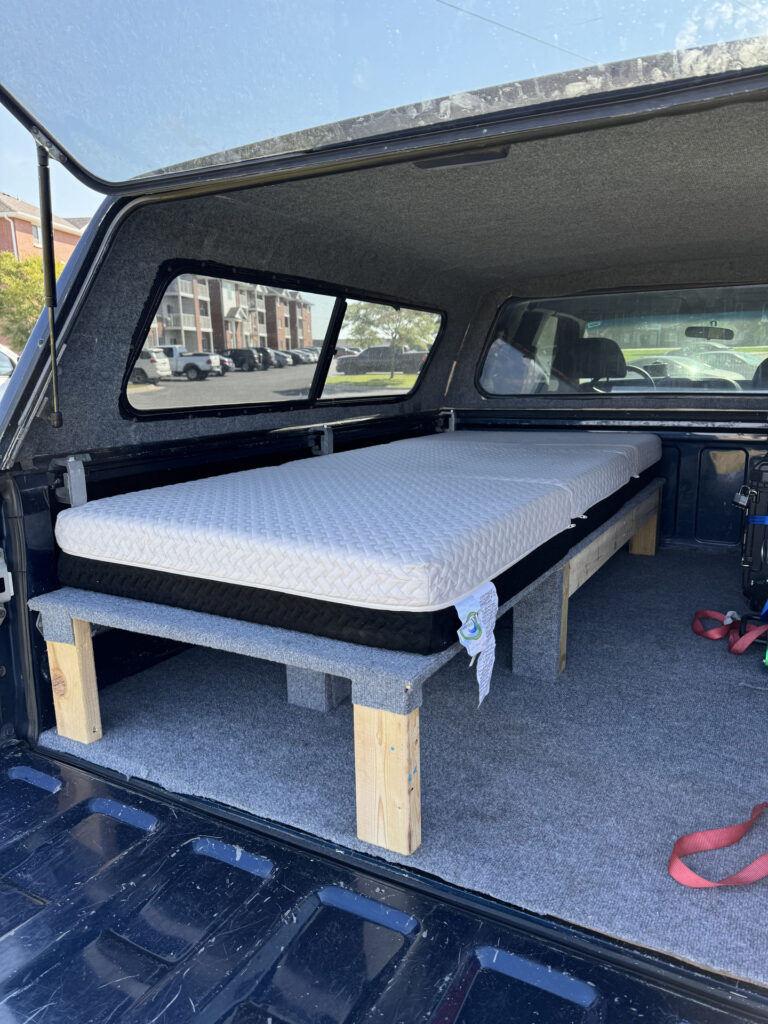
Parallel to the transport upgrades, September saw the fabrication of a custom truck-bed camping setup to replace traditional tent accommodations at multi-day events. Utilizing a color-matched camper shell purchased earlier in the season, a raised platform was constructed over the wheel wells to support a trifold memory foam mattress. The auxiliary infrastructure was bolstered by a roof-mounted MaxxFan Deluxe ventilation system powered by onboard solar panels and a dedicated battery bank. This mobile living quarters eliminated the labor-intensive teardown and setup phases of race weekends while offering a climate-controlled environment resilient to inclement weather.
Autumn and Winter Competitions: Performance Benchmarks and Post-Mortems
Competitive validation arrived in August at Motorsports Park Hastings during the SCCA Time Trials. Competing against established regional classes, the vehicle demonstrated exceptional pace, consistently clocking lap times in the 1:39 range with a best time of 1:39.19. This performance comfortably eclipsed existing NASA Spec Miata (1:40.415) and NASA TT6 (1:39.625) track records, positioning the car competitively between the TT6 and TT5 classifications.
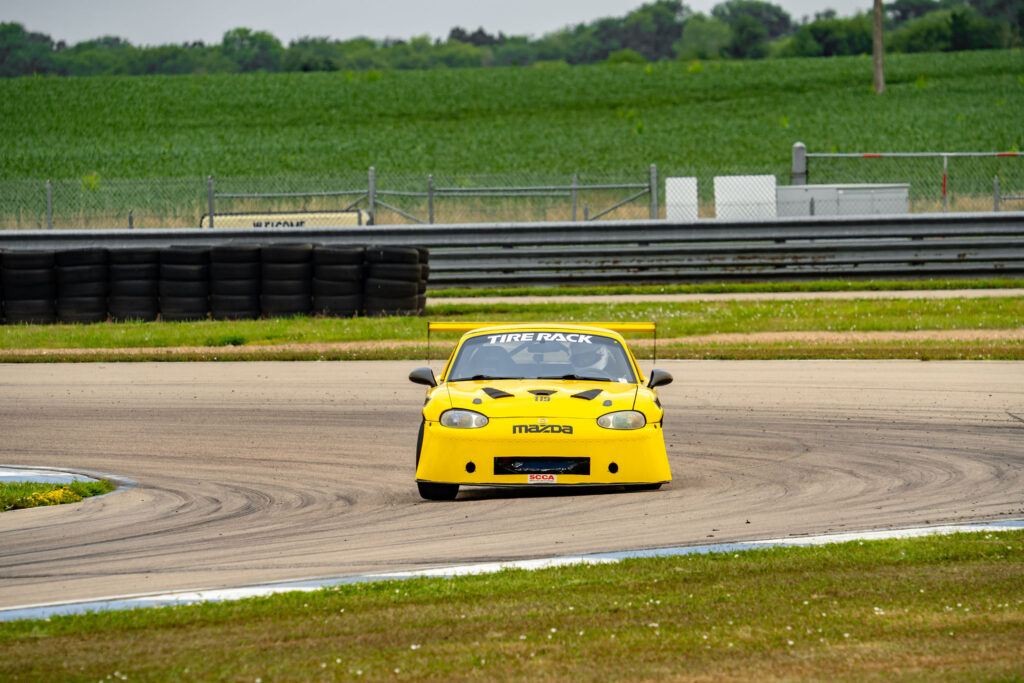
The competitive season concluded in November at the Hallett Motor Racing Circuit under the SCCA Time Trials banner, where competitors ran the circuit in both directions within a single day. Despite severe tire wear resulting in rear-wheel lockups and flat spots by the end of the day, the vehicle maintained competitive class positioning, benefiting from cumulative driver familiarity and chassis tuning.
During the off-season months of December 2024 and January 2025, forensic analysis of the removed VVT motor revealed no catastrophic structural failures. Cylinder head inspections showed only minor surface scratches without degradation between the cooling jackets and combustion chambers, while cylinder walls exhibited minor wear across the thrust side. Rather than rushing an immediate reinstallation, the builder opted to retain the reliable BP4W engine for the upcoming season while procuring a secondary, professionally machined engine block.
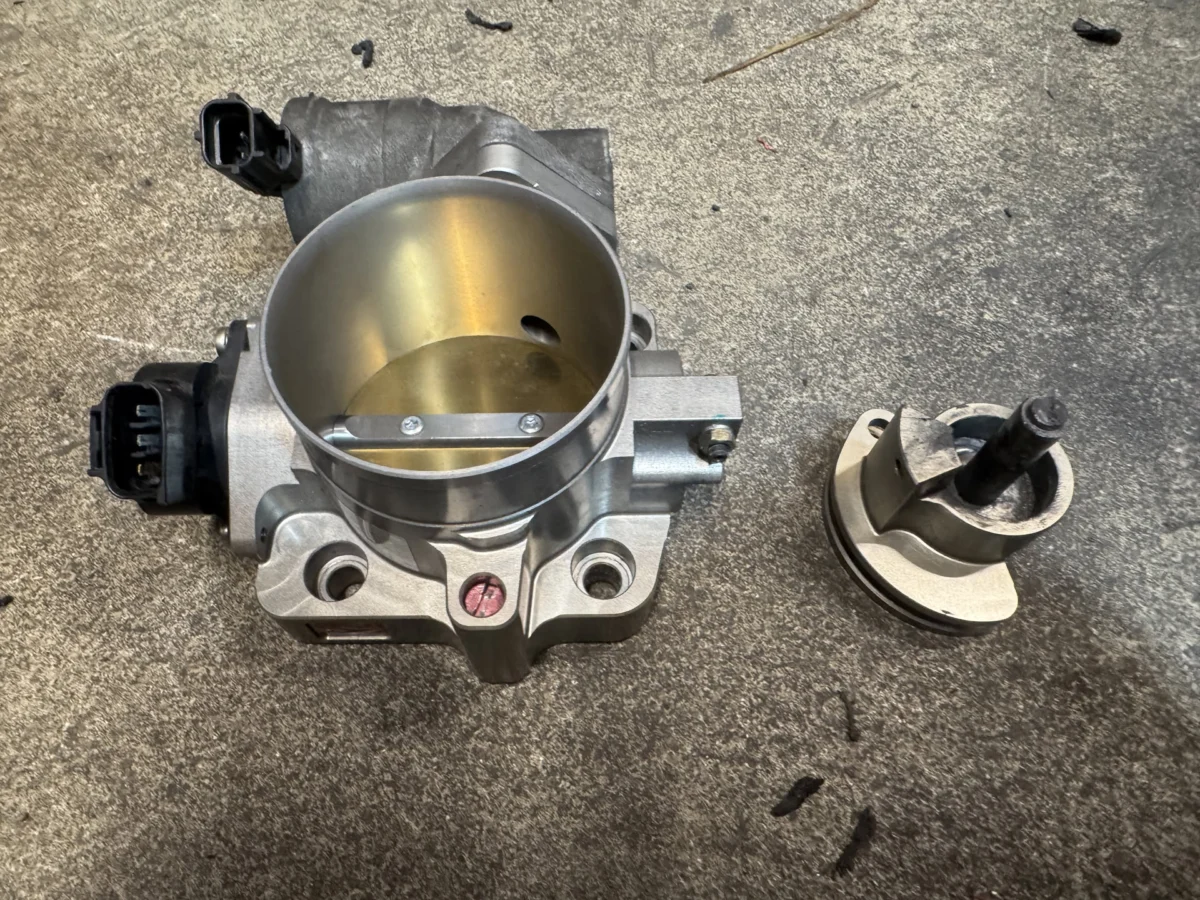
To offset power deficits for the 2025 campaign, January marked the adoption of a Skunk2 intake manifold, replacing the previously utilized Squaretop unit. Engineered to minimize high-RPM power drop-off beyond the 7,000 RPM threshold, the intake manifold is projected to yield modest top-end horsepower gains, subject to subsequent dynamometer validation.
Communication and Operational Readiness for the 2025 Season
Addressing the historical information gap between on-track performance and real-time class standings, February 2025 was dedicated to the installation of an integrated GMRS communications array. Utilizing cost-effective Baofeng hardware—specifically a hardwired UV-5R unit in the vehicle paired with an NMO-configured roof antenna utilizing the factory antenna mounting aperture—the driver established a direct voice link to pit crews monitoring live timing and scoring. The internal harness was adapted to utilize an IMSA connector standard, ensuring cross-compatibility with professional driver-passenger intercom systems for future training sessions.
Concluding a twelve-month operational window totaling 16 on-track days, 392 completed laps, and 12.1 hours of direct telemetry-verified track time (bringing cumulative platform totals to over 1,023 laps and 34.6 hours), the NB Miata build enters its fifth year of ownership with a stabilized mechanical foundation. By systematically addressing thermal management, logistical transport, aerodynamic packaging, and driver communication, the program demonstrates the methodical evolution required to maintain competitiveness in regional time-trial competition.