Vera Clarissa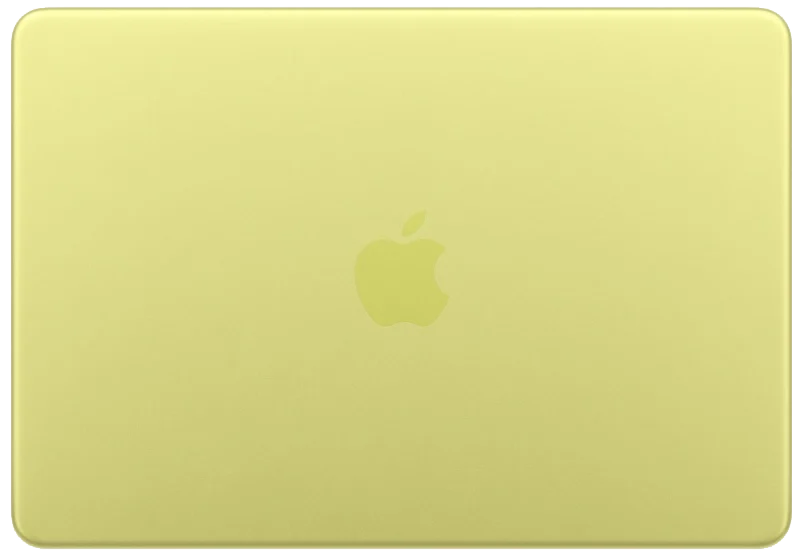
Apple has dramatically reshaped its notebook strategy for the current year with the reintroduction of the MacBook, now branded as the MacBook Neo. This new iteration represents Apple’s most accessible Mac laptop to date, boasting a starting price of $599 USD, further reduced to $499 through Apple’s Education Store. This move signals a significant departure from Apple’s traditional premium pricing, aiming to capture a broader market segment without compromising on core performance and build quality.
The MacBook Neo is engineered to challenge the status quo in the budget-friendly laptop market. Contrary to expectations for devices in this price bracket, the Neo is powered by the A18 Pro chip, the same silicon found in the latest iPhone Pro models. This integration provides a substantial leap in performance, offering nearly double the CPU capabilities of the previous M1 MacBook Air, according to benchmark comparisons. This strategy directly addresses a common weakness in competing Chromebooks, which often rely on underpowered Intel processors, and Windows notebooks in a similar price range, which frequently compromise on build quality. Apple’s commitment to premium construction is evident in the Neo’s sturdy aluminum chassis, a refined trackpad, and a single-core CPU performance that, remarkably, rivals that of high-end processors like AMD’s Ryzen 9 9950X3D in certain benchmarks.
A Bold Design Philosophy for Affordability
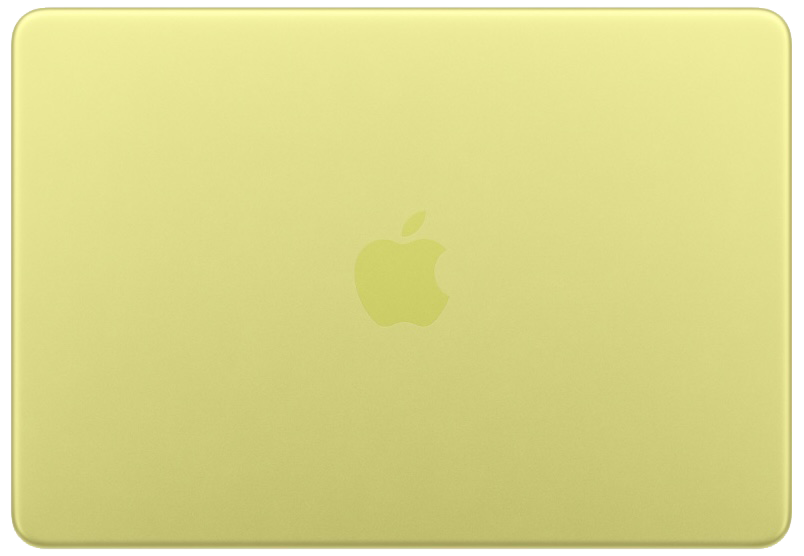
The design of the MacBook Neo reflects its accessible positioning, incorporating a range of vibrant color options. It is available in Silver, Blush (a soft pink), Citrus (a bright, zesty yellow-green), and Indigo (a deep, muted blue). These color choices aim to appeal to a younger demographic and users seeking personalization. The display is a 13-inch IPS LCD panel with a brightness of 500 nits and a pixel density of 219 ppi, offering a sharp resolution of 2408 x 1506. Under the hood, the Neo comes standard with 8GB of 3750 MHz LPDDR5X-7500 SDRAM and a 5-core GPU, all orchestrated by the A18 Pro chip manufactured on TSMC’s cutting-edge 3-nanometer N3E FinFET process.

Storage on the MacBook Neo, while soldered like the RAM, utilizes PCIe NVMe K8A5 NAND flash memory, delivering impressive read and write speeds of approximately 1.4 GB/s. This ensures that everyday tasks, from booting up the system to launching applications, are handled with considerable responsiveness, contributing significantly to the overall user experience. While the onboard storage is not user-upgradeable in the same way as RAM in some older machines, it has been demonstrated by tech enthusiasts that upgrading the SSD to 1TB is achievable with the appropriate tools, extending the longevity and utility of the device. In retail, the MacBook Neo is offered with either a 256GB SSD for $599 or a 512GB SSD for $699.
Strategic Departures and New Entrants
In its pursuit of affordability, Apple has made several design decisions that differentiate the Neo from its more premium MacBook counterparts. Notably, the MacBook Neo omits MagSafe charging, a feature that has been a staple on MacBooks since 2020. Instead, charging is handled via its USB-C port. Connectivity is also streamlined, featuring one USB 3.0 port and one USB 2.0 port. The keyboard, while featuring a light-tone color that complements the chassis, is not backlit, a feature that may be a consideration for users who frequently work in low-light environments. Touch ID, a convenient biometric security feature, is reserved for the higher-priced $699 model. Aside from the two USB ports, the device includes a standard 3.5mm headphone jack.

Apple Intelligence Integration
A significant aspect of the MacBook Neo’s appeal, particularly in the context of Apple’s evolving ecosystem, is its support for Apple Intelligence. This suite of AI-powered features, designed to enhance productivity and creativity, is available on any Mac equipped with Apple Silicon. This includes the MacBook Neo, as well as most iPads with M-series chips and iOS devices running iOS 18 and later with an A17 Pro chip or better. The seamless integration of Apple Intelligence across devices underscores Apple’s commitment to a unified user experience, enabling features like enhanced Siri capabilities, advanced writing tools, and smarter image generation.
Key Features and Specifications Unpacked
The MacBook Neo supports "lid closed" or clamshell mode, allowing users to operate the device with an external display, keyboard, and mouse. In this mode, the built-in display is deactivated, and all unified memory is dedicated to the external setup. To enable this functionality, the MacBook Neo must be connected to AC power and paired with external peripherals. Upon waking the device, users can choose to continue using the external display or reconnect to the internal display by closing and reopening the lid after disconnecting external peripherals.
Battery life is a critical consideration for any portable device, and the MacBook Neo is rated for up to 11 hours of wireless web browsing and an impressive 16 hours of video streaming, ensuring users can remain productive throughout the day.
Core System and Performance Metrics
The A18 Pro chip, at the heart of the MacBook Neo, is built using TSMC’s 3nm N3E FinFET process. This advanced manufacturing node is crucial for delivering high performance while maintaining energy efficiency. The chip’s architecture includes a robust cache system designed to accelerate data access for the CPU. While specific cache configurations for the A18 Pro are proprietary, Apple typically employs a multi-level cache hierarchy, including L1 instruction (L1i) and data (L1d) caches, as well as a System Level Cache (SLC), all optimized for rapid processing.

Memory and Storage
The MacBook Neo is equipped with 8GB of 3750 MHz LPDDR5X-7500 SDRAM. This type of memory is known for its high bandwidth and low power consumption, essential for mobile computing. The integrated storage solutions are based on PCIe NVMe K8A5 NAND flash memory, providing rapid data transfer rates of approximately 1.4 GB/s for both sequential reads and writes. This speed is crucial for overall system responsiveness, particularly when dealing with large files or multitasking.
Video and Graphics
The integrated 5-core GPU within the A18 Pro chip handles all graphical processing. While specific details on the GPU’s architecture are not publicly disclosed, it is designed to provide capable performance for everyday tasks, light content creation, and casual gaming. The display itself is a 13-inch IPS LCD with a resolution of 2408 x 1506 pixels, offering a sharp and vibrant visual experience.
Expansion and Connectivity
The MacBook Neo’s connectivity is characterized by its streamlined approach. It features two USB ports: one USB 3.0 and one USB 2.0. This limited port selection is a trade-off for the device’s affordability and compact design. Additionally, a 3.5mm headphone jack is present for audio output. The absence of an SD card reader or an HDMI port means users will likely rely on USB-C hubs or adapters for expanded connectivity needs.
Market Positioning and Implications
The introduction of the MacBook Neo represents a strategic pivot for Apple, targeting a segment of the market previously underserved by the company. By leveraging the efficiency and power of its A-series chips, Apple can offer a Mac experience at a price point that directly competes with mid-range Windows laptops and premium Chromebooks. This move could significantly expand Apple’s market share in educational institutions and among budget-conscious consumers who have historically been priced out of the Mac ecosystem.

The emphasis on shared silicon architecture between iPhones and MacBooks also streamlines Apple’s development and manufacturing processes. It allows for economies of scale and ensures that even the most affordable Macs benefit from the continuous innovation in Apple’s chip technology. The inclusion of Apple Intelligence further strengthens the value proposition, offering advanced AI capabilities that are not typically found in laptops at this price point.
However, the compromises made in terms of port selection, the absence of MagSafe, and the non-backlit keyboard are likely to be points of consideration for some consumers. These decisions, while contributing to cost reduction, may limit the Neo’s appeal to power users or those who require extensive peripheral connectivity.

The MacBook Neo’s success will depend on its ability to balance its aggressive pricing with a compelling user experience. If it can deliver on its promise of performance, build quality, and access to Apple’s robust software ecosystem, it has the potential to become a significant player in the entry-level laptop market, broadening the reach of macOS to a new generation of users.