Vera Clarissa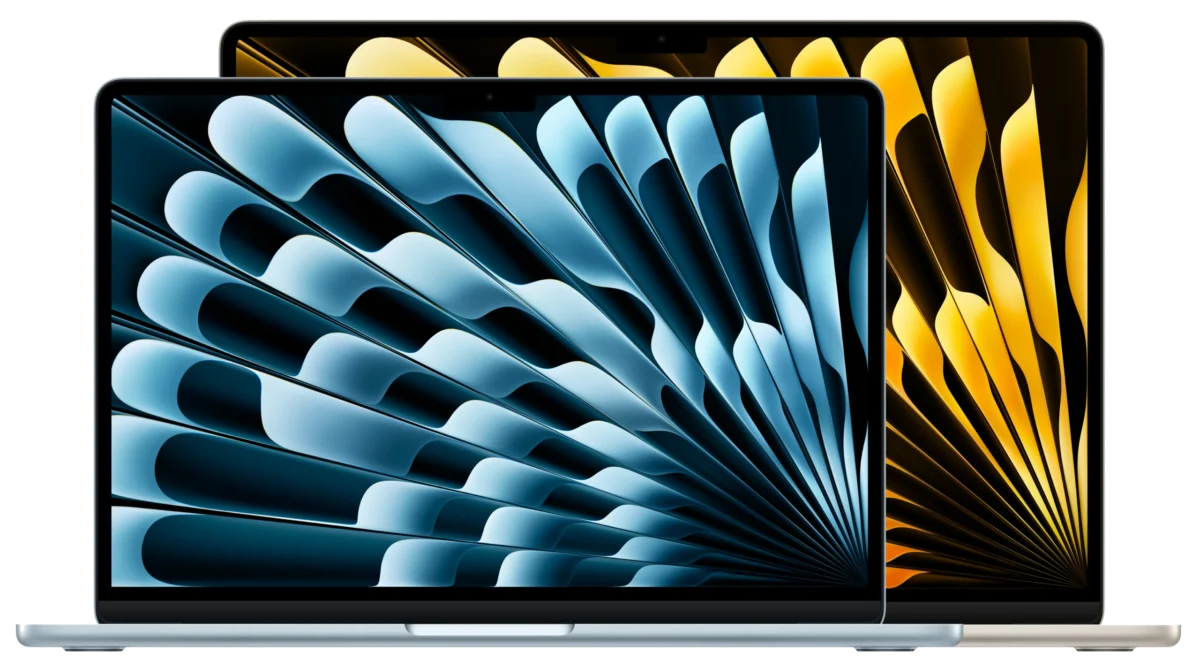
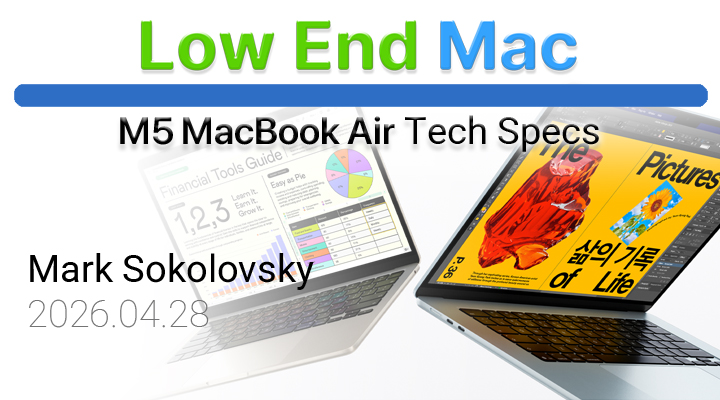
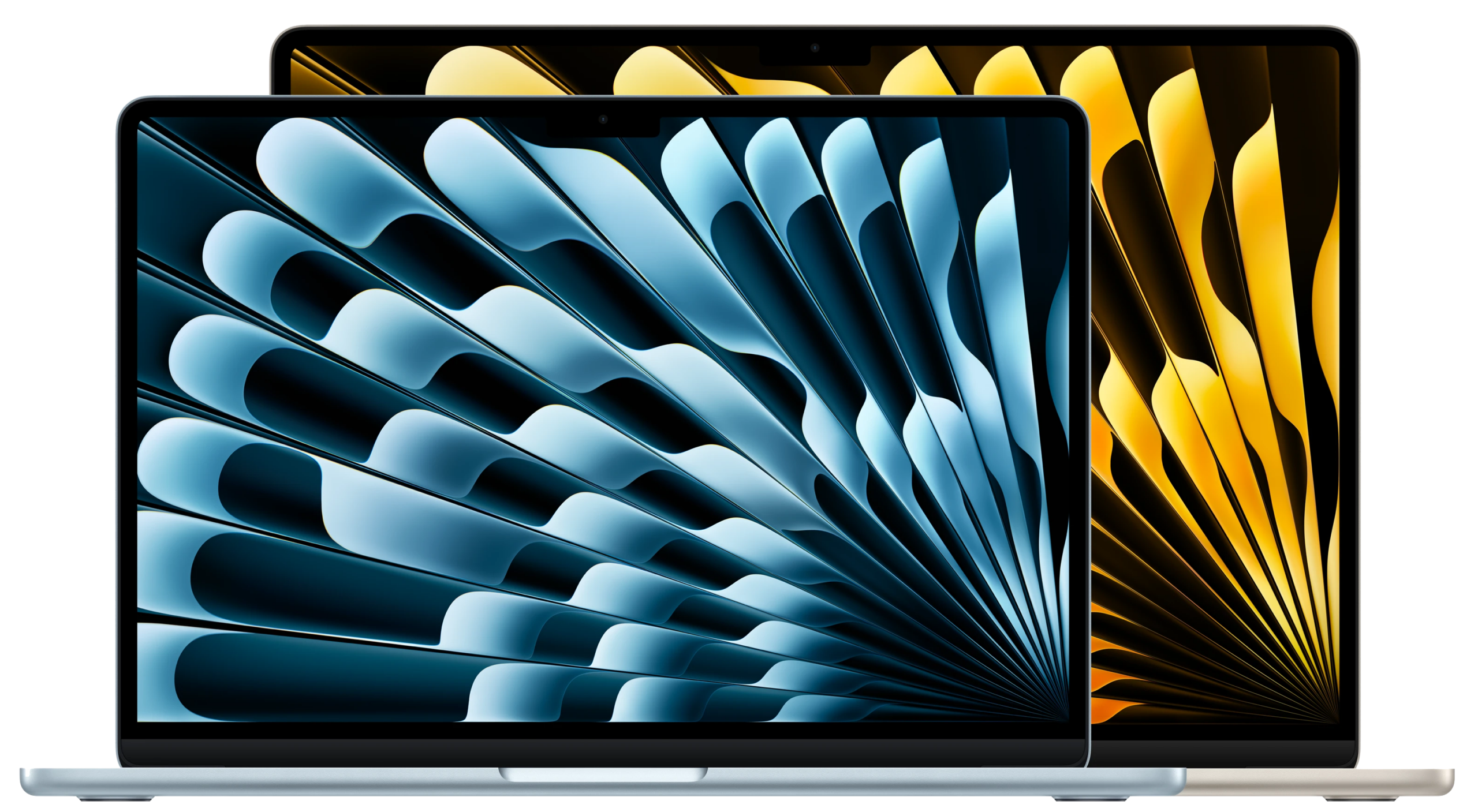
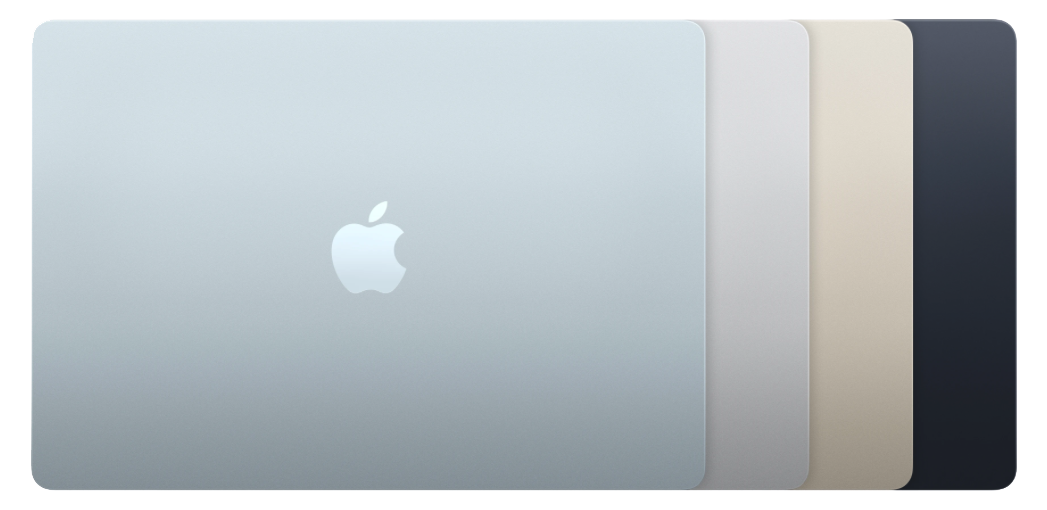
The highly anticipated M5 MacBook Air, unveiled on March 3rd, 2026, represents a significant leap forward in Apple’s portable computing lineup. While visually similar to its predecessors, the true revolution lies within the M5 chip, a testament to Apple Silicon’s relentless evolution. This latest iteration dramatically redefines the capabilities and workflows achievable on the MacBook Air, transforming it from a capable ultrabook into a powerhouse that challenges even its Pro counterparts.
Under the Hood: The M5 Chip’s Transformative Power
The M5 chip is the undisputed star of this update, marking the fifth generation of Apple Silicon. This advancement fundamentally alters the performance landscape of the MacBook Air. Gone are the days when the Air was characterized by underpowered CPUs and modest graphics. The M5 chip delivers a level of performance that, even without active cooling, positions the M5 MacBook Air as a formidable competitor, closely matching the M5 MacBook Pro.
In a direct comparison using a Cinebench GPU test, the M5 MacBook Air achieved approximately 92% of the performance of the M5 MacBook Pro. The Air clocked in at around 22,000 points, while the Pro reached approximately 24,000 points. This is a remarkable feat, especially considering the Air’s fanless design. While year-over-year chip upgrades often yield incremental improvements, the M5 chip’s GPU demonstrates a substantial leap in performance compared to the M4 generation, signaling a new benchmark for integrated graphics in thin and light laptops. This enhanced graphical prowess opens doors for more demanding creative tasks, gaming, and advanced visual computing directly on the Air.
Enhanced Storage and Connectivity: A Foundation for Productivity
Beyond the core processing power, the M5 MacBook Air also boasts significant upgrades in its storage and connectivity options. The base storage configuration has been increased to a generous 512 GB, providing ample space for operating systems, applications, and user data. For professionals and power users requiring even more capacity, the M5 Air can be configured with up to a staggering 4 TB of internal storage, albeit with a substantial $1200 premium. This expansion of storage options caters to a wider range of user needs, from everyday productivity to extensive media libraries and large project files.
A notable innovation is the introduction of Apple’s proprietary N1 wireless networking chip. This custom silicon integrates Wi-Fi 7, Bluetooth, and Thread capabilities, promising not only faster wireless speeds but also a significant reduction in battery consumption, particularly when handling location tracking services. The theoretical speeds of Wi-Fi 7, reaching up to 46 Gb/s, have the potential to rival or even surpass the performance of Thunderbolt 4, enabling faster data transfers, seamless cloud connectivity, and more responsive online experiences. This advancement in wireless technology is crucial in an increasingly connected world, ensuring users can maintain peak productivity and connectivity wherever they go.
The memory subsystem also sees a substantial upgrade. The M5 chip features an increased memory bandwidth of 153 GB/s, leveraging cutting-edge mobile memory technology with 4800 MHz LPDDR5X-9600. This enhanced memory bandwidth is critical for smooth multitasking, handling large datasets, and accelerating complex applications, further contributing to the overall responsiveness and performance of the M5 MacBook Air.

Complementing these internal upgrades, Apple has also introduced a new 40-Watt dynamic charger, with a maximum output of 60W. This replaces the previous 35-Watt Dual USB-C compact adapter, offering faster charging capabilities to keep users powered up throughout the day. The increased wattage ensures that the M5 MacBook Air can be recharged more quickly, minimizing downtime and maximizing productivity.
A Generational Leap: Performance Parallels and Future Implications
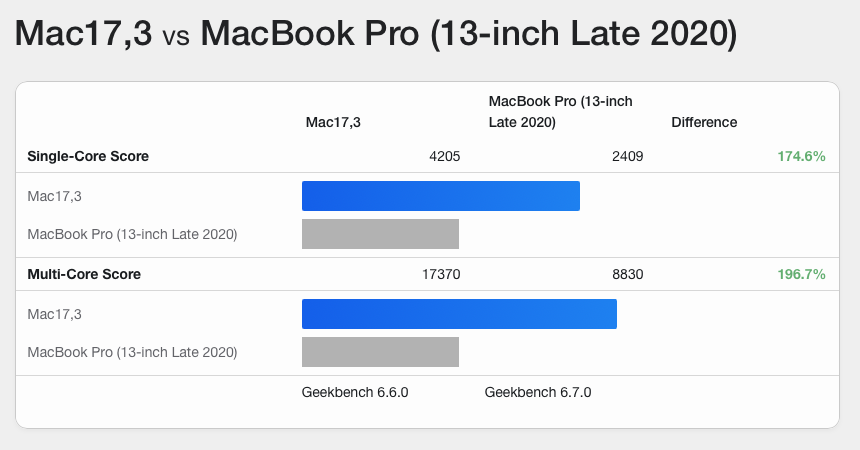
The performance gains of the M5 chip are truly remarkable when viewed in the context of Apple Silicon’s rapid development. The article highlights that the M5 MacBook Air offers roughly the performance of two original M1 chips combined. While not quite doubling the performance of the M1, the improvement is staggering, especially considering the five-year span between the M1 and M5 generations. Comparing a 13-inch M5 MacBook Air to a 13-inch M1 MacBook Pro, the newer Air demonstrates a 174% performance increase. This metric underscores the profound impact of Apple’s in-house silicon development, consistently pushing the boundaries of what’s possible in portable computing.
This dramatic increase in performance has significant implications for the democratization of powerful computing. Tasks that were once exclusive to more powerful desktop or Pro-level laptops are now readily accessible on the MacBook Air. This includes professional video editing, complex graphic design, software development, and even high-fidelity gaming. The M5 MacBook Air is no longer just an ultrabook for everyday tasks; it is a genuine workhorse capable of handling demanding professional workflows, all within a thin, fanless chassis.
Apple Intelligence Integration: A Smarter User Experience
The M5 MacBook Air fully supports Apple Intelligence, Apple’s suite of AI-powered features integrated across its operating systems. This support extends to Macs with Apple Silicon, most M-chip iPads, and iOS devices running iOS 18 and later with an A17 Pro chip or better (specifically mentioning the iPhone 15 Pro/Pro Max and all iPhone 16 models and beyond). Apple Intelligence aims to enhance user productivity and creativity through advanced on-device and server-based AI capabilities.
Features powered by Apple Intelligence are designed to understand context, generate content, and provide intelligent assistance across various applications. This could manifest as more sophisticated Siri interactions, advanced text generation and summarization capabilities, intelligent photo editing, and personalized recommendations. The seamless integration of these AI features into macOS on the M5 MacBook Air promises a more intuitive and powerful user experience, further blurring the lines between hardware and intelligent software.
Key Features and Technical Specifications
The M5 MacBook Air continues to offer the versatility and convenience that users expect from the MacBook Air line. The "Closed Lid Mode," also known as clamshell mode, remains a key feature. This allows users to connect the MacBook Air to an external display, keyboard, and mouse, turning it into a desktop-like experience while the internal display is turned off. To utilize this mode, the MacBook Air must be connected to AC power. This functionality is particularly valuable for users who prefer a larger external monitor for their primary workspace but still want the portability of a MacBook Air.

Battery life remains a strong suit for the MacBook Air, with Apple claiming up to 15 hours of wireless web browsing and up to 18 hours of video streaming. These figures, while subject to usage patterns, indicate excellent endurance for a full day of work or entertainment on a single charge.
Delving into the technical specifications, the M5 chip’s architecture is a marvel of modern engineering. The cache configuration for all M5 chips includes specific allocations for L1 Instruction Cache (L1i), L1 Data Cache (L1d), and System Level Cache (SLC). While the exact figures for these caches are not explicitly detailed in the provided snippet, their presence and optimization are crucial for the chip’s overall efficiency and performance.
The memory configuration for the M5 chip utilizes 4800 MHz LPDDR5X-9600, contributing to the impressive 153 GB/s memory bandwidth. This high-speed memory is essential for the rapid processing of data required by modern applications and AI workloads.
Broader Impact and Future Outlook
The introduction of the M5 MacBook Air signifies more than just an iterative hardware update; it represents a strategic evolution of Apple’s product ecosystem. By consistently pushing the performance envelope of its silicon, Apple is democratizing access to high-performance computing. The M5 MacBook Air is poised to become a favorite among students, professionals, and creatives alike, offering a compelling blend of power, portability, and efficiency.
The enhanced graphical capabilities, coupled with increased memory bandwidth and faster storage, suggest a future where the distinction between "Air" and "Pro" models for many everyday and even some professional tasks becomes increasingly blurred. This allows users to invest in a more affordable and portable form factor without significantly compromising on performance for a wide array of demanding applications.

Furthermore, the integration of Apple Intelligence on the M5 MacBook Air sets the stage for a more intelligent and personalized computing experience. As AI continues to evolve, the M5 chip and subsequent generations are designed to leverage these advancements, ensuring that Apple’s hardware remains at the forefront of technological innovation. The M5 MacBook Air is not just a new laptop; it is a statement about the future of personal computing, one that is more powerful, more intelligent, and more accessible than ever before.