Retno Hari Mulyono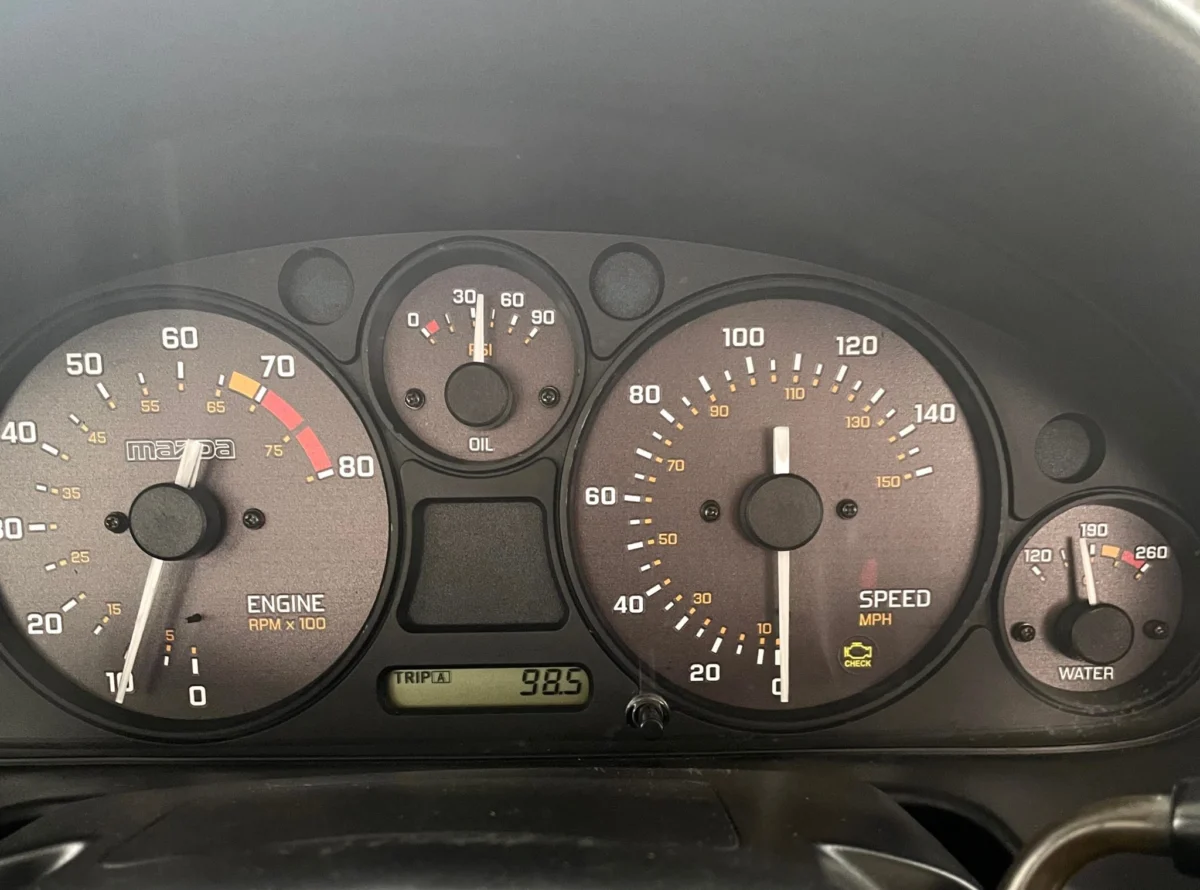
The Mazda MX-5 NB, produced between 1998 and 2005, remains a cornerstone of the global enthusiast community, yet its aging factory instrumentation presents significant hurdles for high-performance driving and track-day monitoring. In a move to reconcile the classic roadster’s analog charm with modern data precision, a new standard for interior modification has emerged, focusing on the integration of the CANchecked MFA 2.0 multifunction display and RevLimiter custom gauge faces. This evolution represents a departure from traditional, intrusive gauge pods toward a streamlined, factory-integrated approach that prioritizes both visibility and technical accuracy.
The Technical Limitations of Factory NB Instrumentation
To understand the necessity of these upgrades, one must analyze the mechanical shortcomings of the second-generation MX-5’s instrument cluster. While the NB Miata provides a visually cohesive dashboard, the factory gauges for oil pressure and coolant temperature function primarily as "dummy gauges." From an engineering perspective, these instruments are heavily damped and calibrated to provide a binary reading rather than a linear data stream.
The factory oil pressure gauge, for instance, serves as an "on-off" indicator. Once the engine reaches a minimum threshold of pressure, the needle moves to a fixed center position and remains static regardless of RPM fluctuations or thermal changes. By the time a drop in pressure is reflected on the needle, catastrophic engine failure is often imminent. Similarly, the coolant temperature gauge is programmed with a wide "dead zone" around the operating temperature. It remains centered through a significant range of thermal variation, only climbing once the engine has already begun to overheat. For drivers engaged in autocross or track events, where thermal management is critical, this lack of granularity is a significant liability.
The Limitations of Traditional A-Pillar Modifications
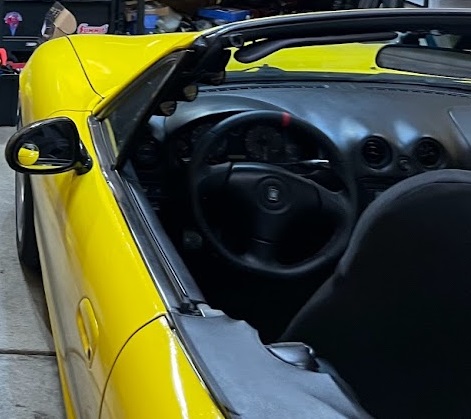
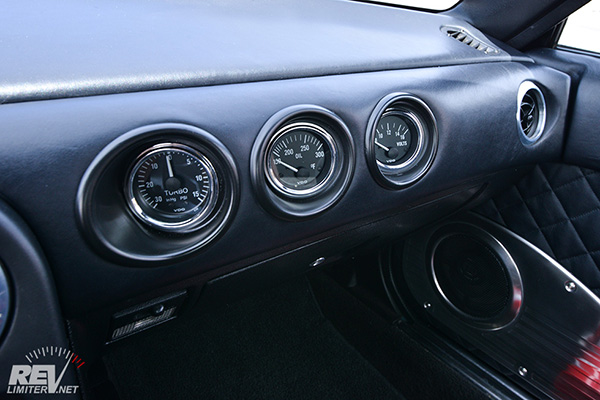
Historically, the solution to these "dummy gauges" involved the installation of external pods, most commonly mounted to the driver-side A-pillar. While functional, this method introduces several ergonomic and safety concerns. Enthusiasts who have transitioned away from triple-gauge pillar pods cite a marked decrease in forward visibility, particularly when navigating tight corners or apexes in competitive driving environments.
Furthermore, the physical integration of these pods often requires invasive wiring and structural compromises. Because many aftermarket pillars do not offer a perfect factory fit, installers are frequently forced to bond the aftermarket unit to the original trim, leading to a bulky profile. The resulting "wiring nest" behind the dashboard and within the pillar trim further complicates maintenance and increases the risk of electrical interference. These challenges have driven the market toward more sophisticated, integrated solutions that occupy existing real estate within the instrument cluster.
The Integration of the CANchecked MFA 2.0 Multifunction Display
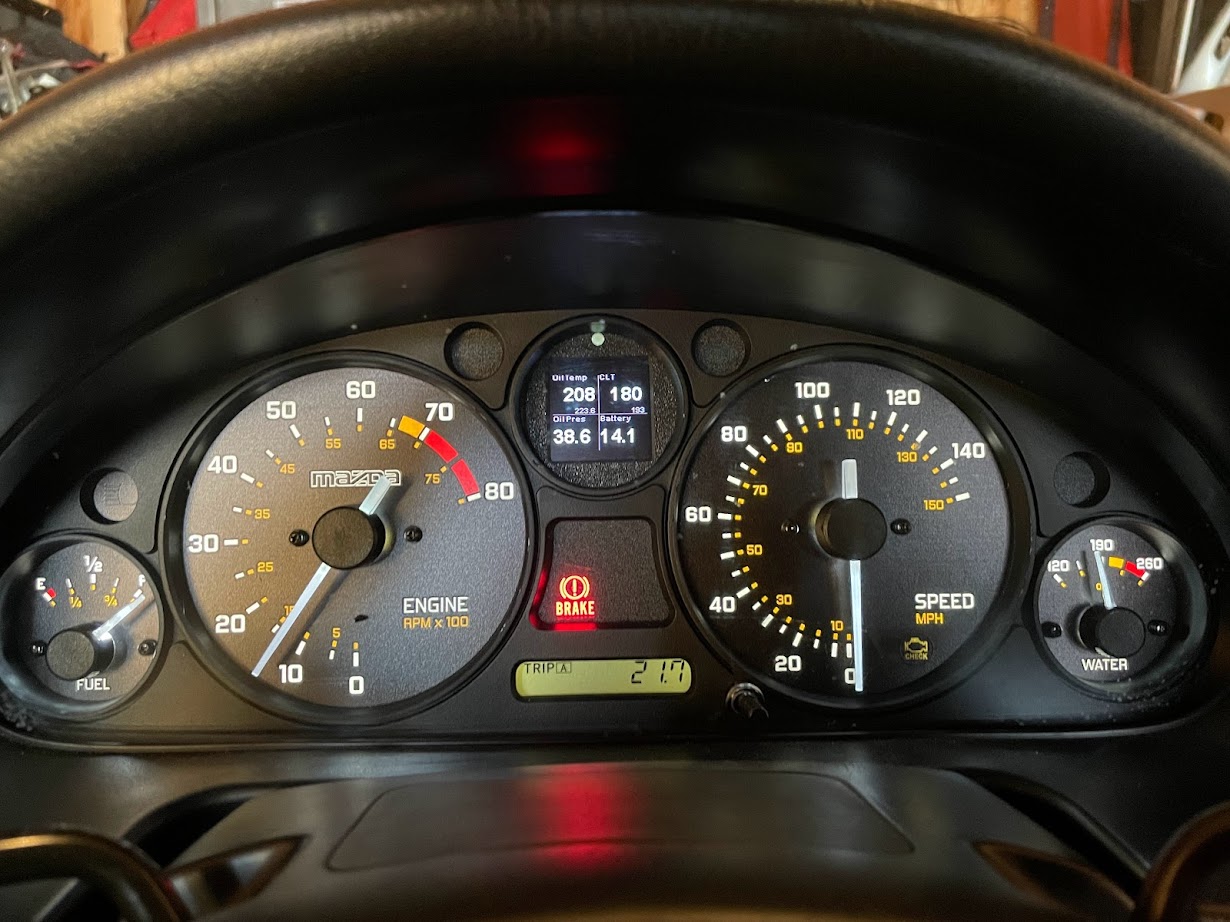
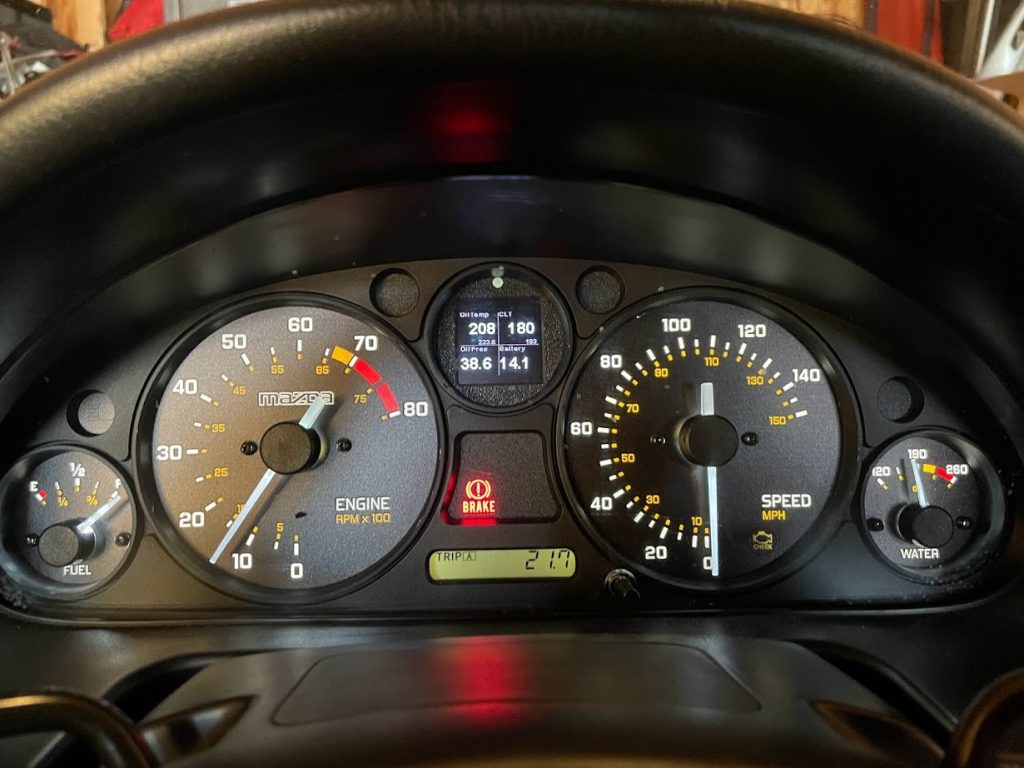
The emergence of the CANchecked MFA 2.0 has redefined the possibilities for MX-5 interior customization. Designed to replace the factory oil pressure gauge within the OEM cluster, this 2.8-inch OLED/LCD display offers a high-resolution window into the vehicle’s vital signs without altering the dashboard’s silhouette.
The MFA 2.0 operates as a bridge between the vehicle’s sensors and the driver, capable of displaying up to six parameters simultaneously across multiple customizable screens. The hardware supports two primary data acquisition methods:
- CAN Bus Integration: As the NB Miata predates the industry-wide standardization of high-speed CAN bus protocols, this feature requires the use of a standalone Engine Control Unit (ECU), such as a Megasquirt (MS2 or MS3). By configuring the ECU to broadcast data over a two-wire CAN network, the gauge can display real-time metrics including Intake Air Temperature (IAT), Manifold Absolute Pressure (MAP), ignition timing, and fuel trim.
- Direct Analog Inputs: For users without a standalone ECU or those wishing to monitor auxiliary systems, the gauge features four independent analog inputs. These allow for the direct connection of high-precision 0-5V sensors for oil temperature, fuel pressure, or transmission temperature.
While the unit offers unparalleled data density, field reports indicate that legibility can be challenged by direct sunlight, a common issue in open-top roadsters. However, the ability to set visual warnings and shift lights provides a secondary layer of protection that surpasses the utility of the original analog needles.
Aesthetic Modernization via RevLimiter Custom Instrumentation
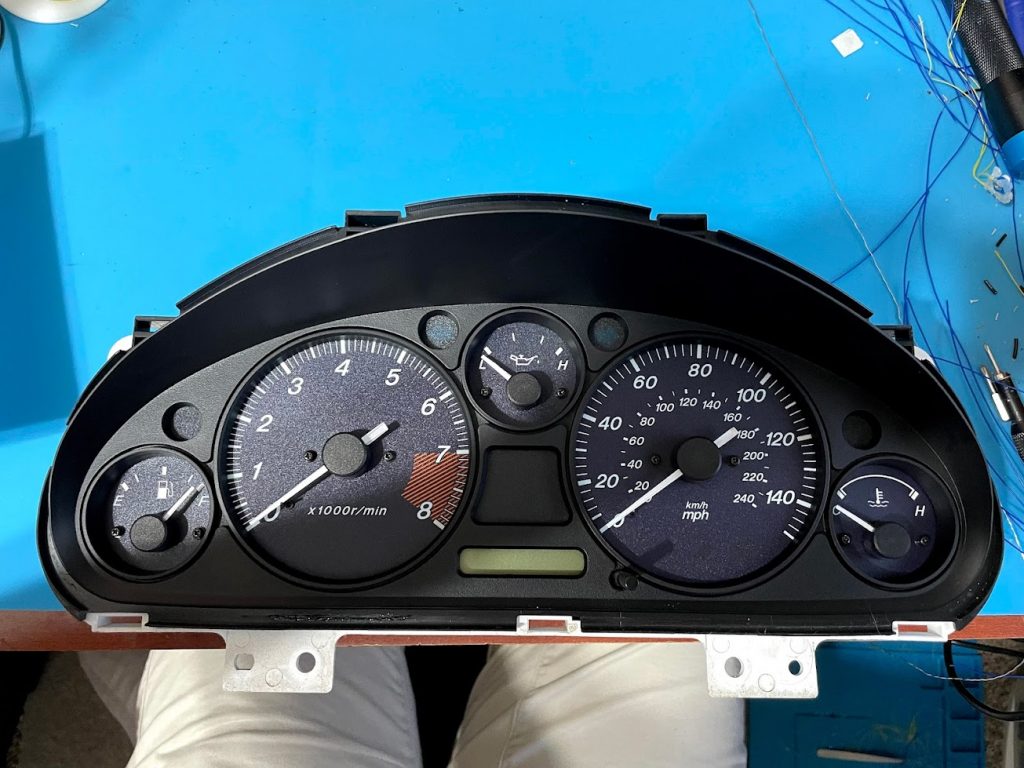
Parallel to the technical upgrades provided by digital displays is the aesthetic refinement offered by RevLimiter. Founded on the principle of "OEM-plus" design, RevLimiter produces gauge faces that utilize modern polycarbonate materials and high-definition printing processes to surpass the quality of original Mazda components.
The "JNC" design, inspired by classic Japanese Nostalgic Car aesthetics, has become a popular choice for NB owners. These faces replace the aging, often faded, factory graphics with crisp, minimalist numbering and improved backlighting transparency. The installation of these faces is a meticulous process, requiring the removal of the clear cluster lens and the delicate recalibration of the needle stoppers. When paired with high-output white LED bulbs—replacing the dated green incandescent lighting—the result is a modern, high-contrast interface that aligns with contemporary automotive design standards while honoring the vehicle’s heritage.
A Chronology of Modernization
The transition of the NB Miata’s interior typically follows a specific chronological path as the vehicle evolves from a daily driver to a performance-oriented machine:
- Phase I: Baseline Assessment: Recognition of the factory gauge limitations during spirited driving or the installation of forced induction (turbocharging/supercharging).
- Phase II: External Monitoring: Implementation of A-pillar or vent-mounted gauges (e.g., AEM Wideband AFR, Innovative Motorsports dual-function gauges).
- Phase III: Consolidation: Removal of intrusive external pods in favor of the CANchecked MFA 2.0 and standalone ECU integration to streamline the cockpit.
- Phase IV: Aesthetic Harmonization: Installation of RevLimiter faces and LED conversions to match the digital display’s modern output.
Technical Analysis of Data Management and Future Implications
The shift toward integrated digital displays marks a broader trend in the "restomodding" of 1990s and 2000s sports cars. By moving away from purely analog monitoring, drivers are able to engage in sophisticated data logging. The next logical step for the MX-5 platform involves the integration of telemetry systems such as the RaceCapture/Pro.
Advanced data loggers can synthesize data from the CANchecked system with high-frequency GPS and G-force sensors. This allows drivers to correlate engine health (e.g., oil pressure drops during high-G cornering) with specific track locations. Future modifications are expected to include the monitoring of brake line pressure and individual wheel speeds, providing a level of insight previously reserved for professional racing teams.
Community and Industry Response
The reception of these integrated solutions within the Mazda community has been overwhelmingly positive. Industry analysts note that as the value of clean, well-preserved Miatas continues to rise, enthusiasts are increasingly shying away from "destructive" modifications like cutting dashboards or drilling pillars. Integrated solutions like the CANchecked display and RevLimiter faces are seen as "reversible" yet high-value upgrades that enhance the driving experience without detracting from the vehicle’s market value.
Statements from performance tuners suggest that the MFA 2.0 is particularly favored in the United Kingdom and European markets—where it is distributed by firms like BOFI Racing—due to its ability to maintain a "sleeper" interior aesthetic while supporting high-horsepower builds.
Conclusion: The New Standard for the Enthusiast Cockpit
The modernization of the Mazda MX-5 NB’s instrument cluster represents a perfect intersection of form and function. By replacing redundant "dummy" gauges with the CANchecked MFA 2.0 and refreshing the visual interface with RevLimiter components, owners effectively bring the second-generation roadster into the 21st century.
This approach solves the critical issues of forward visibility and data accuracy that plagued earlier modification trends. As the enthusiast community continues to push the limits of the NB chassis on track and street, the demand for precise, integrated, and aesthetically pleasing data solutions will only grow. The result is a vehicle that retains its classic soul while providing the pilot with the digital confidence required for modern high-performance driving.