Retno Hari Mulyono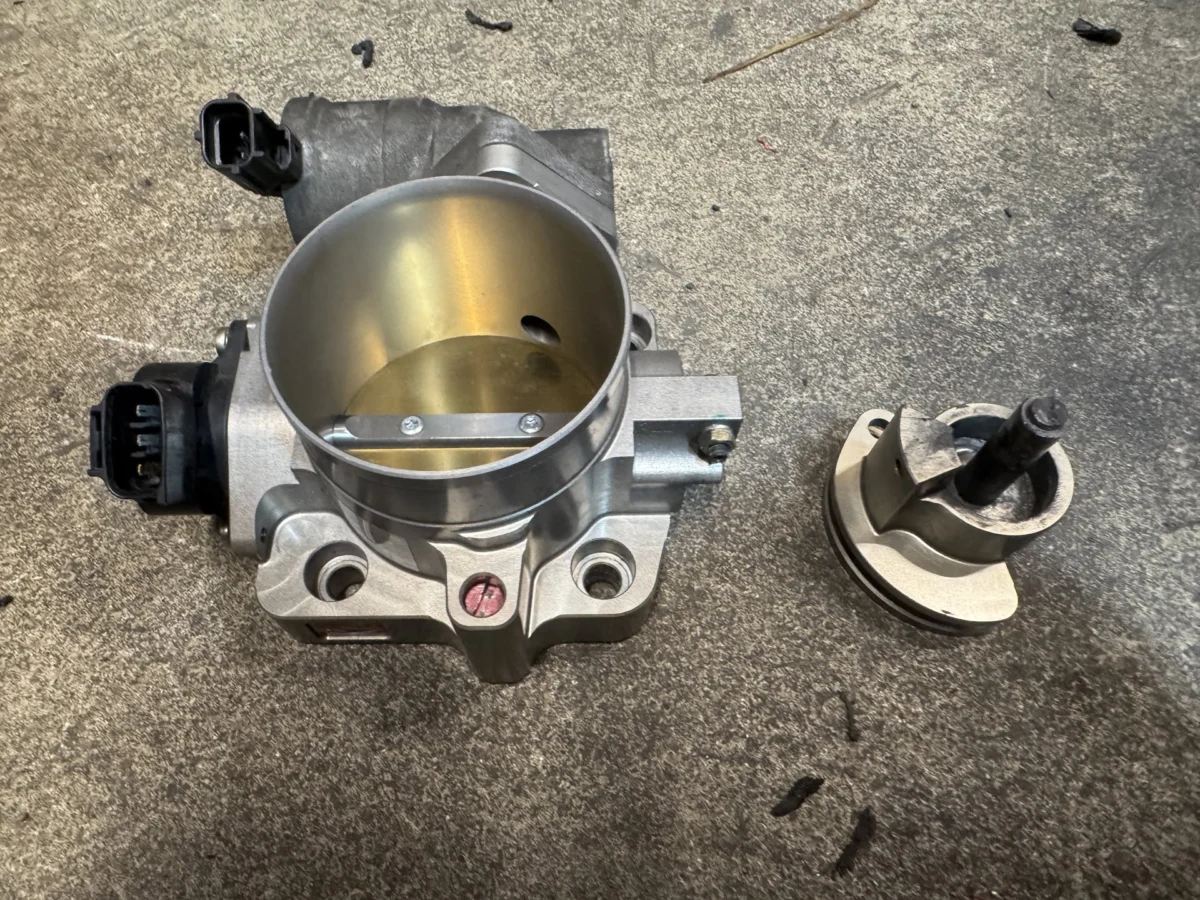
The Mazda MX-5 Miata, particularly the first and second-generation NA and NB models, has long served as the backbone of amateur and professional grassroots motorsports. However, as these chassis age and power levels increase through forced induction and high-compression builds, a critical mechanical weakness has emerged: the traditional cable-driven throttle body. In response to recurring mechanical failures on the track, a growing segment of the tuning community is moving toward electronic throttle control, commonly known as Drive-By-Wire (DBW). This transition represents a significant shift in the aftermarket ecosystem, moving away from 20th-century mechanical linkages in favor of high-speed CAN-bus communication and precision electronic actuators.
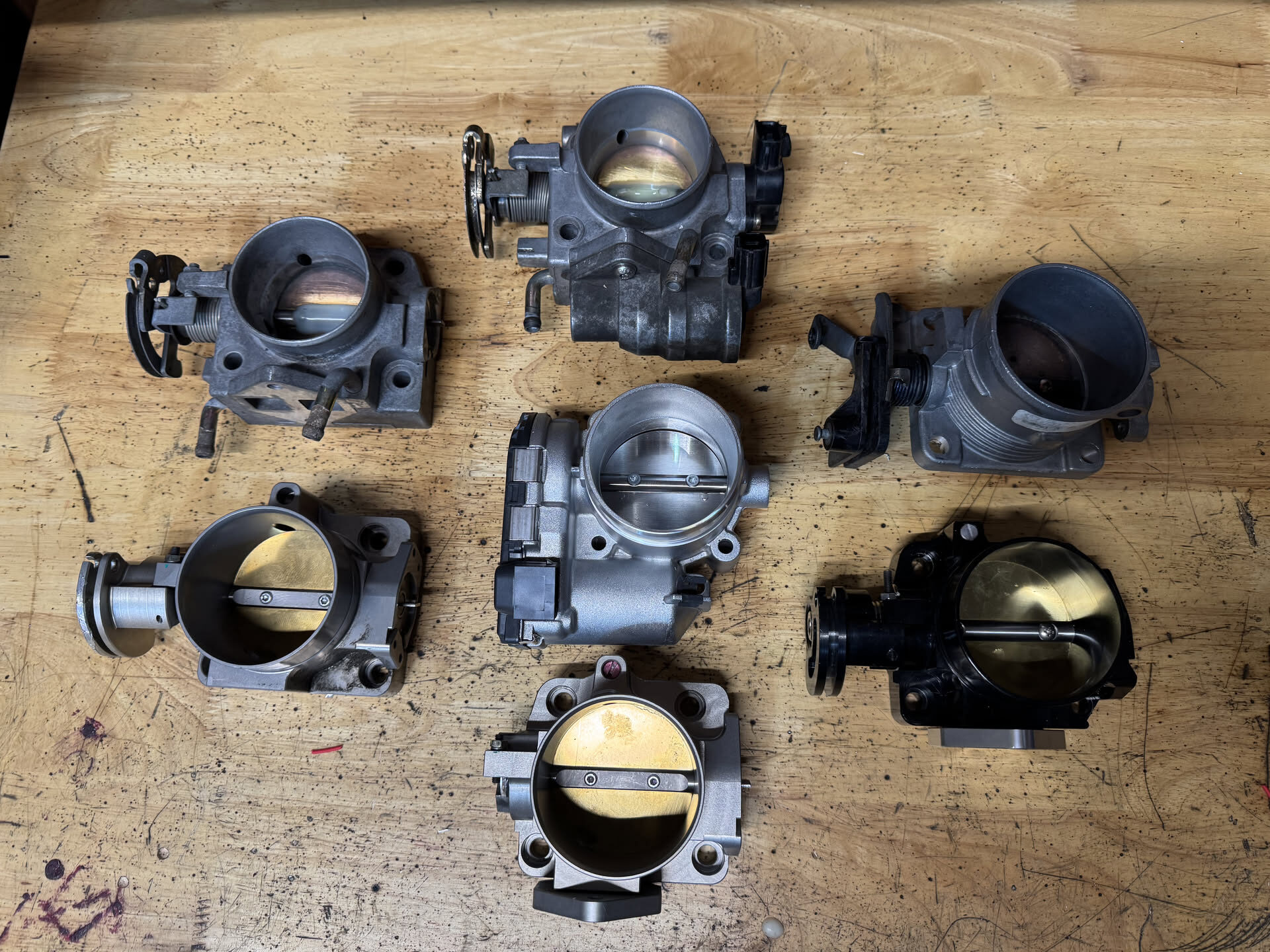
The impetus for this shift is rooted in a series of documented hardware failures involving both OEM and popular aftermarket components. For years, the Skunk2 throttle body was considered a standard upgrade for the Miata’s B-series engines, offering increased airflow over the factory unit. However, recent field reports and track-side data have highlighted a troubling pattern of structural fatigue. Engineers and enthusiasts have noted two primary failure modes: the complete mechanical shearing of the throttle shaft and the backing out of throttle blade screws. When these components fail at high RPM, the results can be catastrophic, ranging from a "stuck-open" throttle—a severe safety hazard—to engine ingestion of metal hardware, leading to total internal failure.
The Chronology of Mechanical Fatigue in Miata Throttle Systems
The transition to Drive-By-Wire is rarely a first choice for enthusiasts, given the complexity of the conversion. Most builds begin with the stock Mazda throttle body, which is generally sufficient for naturally aspirated engines producing approximately 140 wheel horsepower. However, the stock units were never engineered for the high-vibration environments of a dedicated race car or the increased inlet pressures of turbocharging.

By 2024, the "Skunk2" units, often colloquially referred to by the community as "Junk2" due to reliability concerns, became a focal point of discussion in paddock circles. Users reported that even when the units remained intact, they suffered from "sticky" operation, where the throttle would fail to return to a true zero-percent idle, causing erratic engine behavior. Throughout the 2025 racing season, several high-profile incidents involving throttle shaft snaps forced a re-evaluation of the platform’s intake strategy. For many, the temporary solution was a return to OEM hardware reinforced with high-strength epoxies, such as 3M DP420, applied to the throttle shaft and screws. While this mitigated the risk of engine ingestion, it did nothing to address the inherent limitations of a mechanical cable system.
Technical Analysis of Drive-By-Wire Integration
The move to Drive-By-Wire involves replacing the physical cable connecting the accelerator pedal to the engine with a digital signal sent to an electric motor. In a DBW system, an Accelerator Pedal Position Sensor (APPS) translates the driver’s input into a voltage signal. This signal is processed by an Electronic Control Unit (ECU) or a dedicated controller, which then commands the Electronic Throttle Body (ETB) to open to a specific angle.
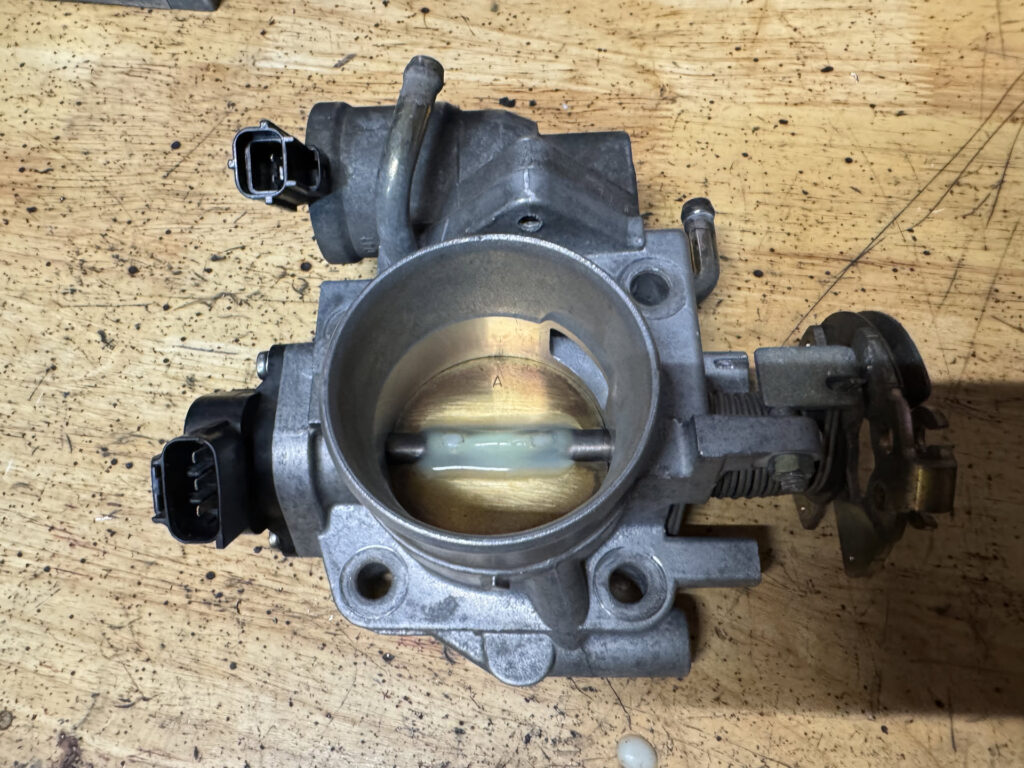
For the Miata platform, the Bosch 60mm Electronic Throttle Body has emerged as the industry standard for these conversions. These units are widely used in OEM applications across the automotive industry, ensuring a level of build quality and vibration resistance that aftermarket mechanical units rarely match. The Bosch units are available in various diameters, but the 60mm variant provides an optimal balance of throttle response and peak airflow for the Miata’s 1.8-liter BP engine.
The primary hurdle for Miata owners is that the most popular standalone ECU for the platform, the Megasquirt MS3 series, does not natively support DBW control. Unlike modern ECUs from manufacturers like Haltech or MaxxECU, which feature internal H-Bridge drivers to move the throttle motor, Megasquirt users must rely on external CAN-bus controllers.

Comparative Study of CAN-Bus DBW Controllers
As of late 2025, the market for Megasquirt-compatible DBW controllers has expanded significantly, offering varying levels of integration and safety features.
The DBWX2 Controller
Originally released around 2019, the DBWX2 remains the premium option in the market with a retail price of approximately $500. It is distinguished by its ability to control two independent throttle bodies simultaneously. This feature is particularly relevant for specialized "twin-throttle" setups or complex forced induction systems where a secondary bypass valve is required. Its configuration is handled via a dedicated web interface, providing a high degree of transparency for the tuner.

The SPTronics Controller
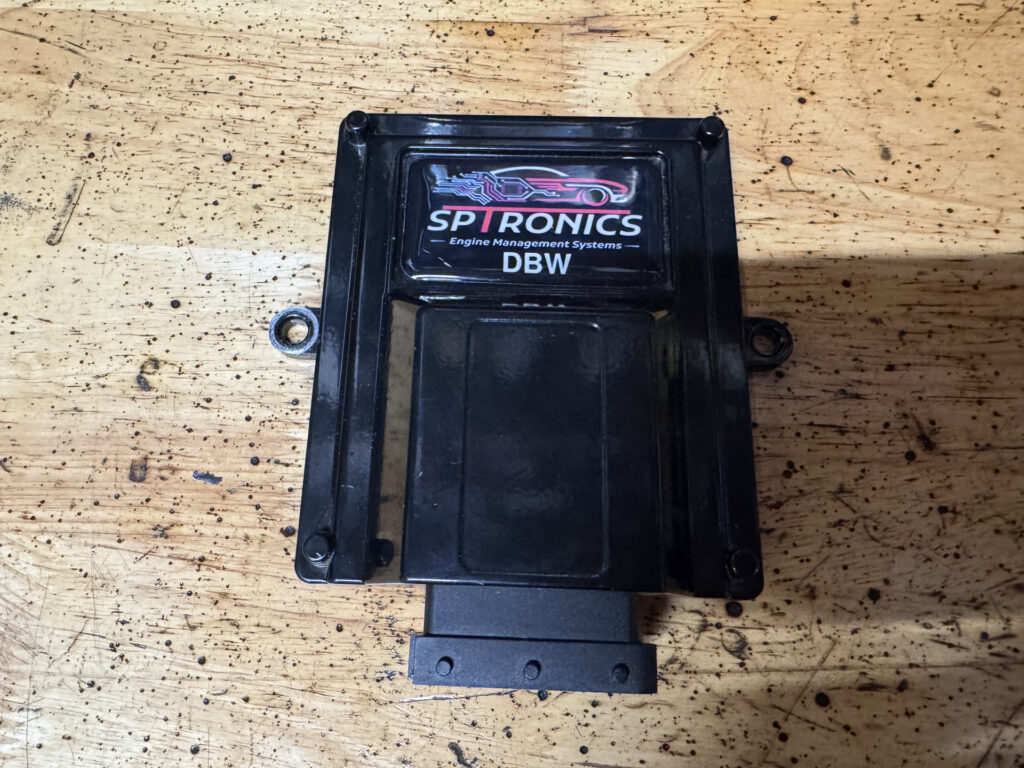
At the opposite end of the price spectrum, the SPTronics unit offers a budget-entry point at roughly $150. While it supports dual throttle bodies, it lacks the advanced configurability of its more expensive counterparts. It does not allow for firmware updates or configurable CAN-bus termination, making it a "set-and-forget" solution for simpler builds that do not require granular PID tuning of the throttle motor.
The AMP EFI Controller
The most recent entry into the market, released in October 2025, is the AMP EFI controller. Priced at $300, it aims for a middle-ground position. It is unique in its ability to function as a completely standalone unit, outputting a traditional Throttle Position Sensor (TPS) signal to the ECU while handling the motor control internally. Crucially, it includes dedicated inputs for brake and clutch sensors, allowing for "auto-blip" downshifts—a feature previously reserved for high-end modern sports cars.

Implementation Strategy and Hardware Selection
For a successful conversion on a 2000 Mazda Miata (NB), the integration requires a specialized hardware stack. Beyond the controller and the Bosch throttle body, an adapter plate is necessary to mate the Bosch bolt pattern to the Mazda intake manifold. Companies like Outsider Garage and ChathamCNC have filled this niche, producing CNC-machined adapters that maintain a leak-free seal under vacuum and boost.
One of the more innovative aspects of the modern Miata DBW conversion is the use of the Honda "remote" APPS. Rather than replacing the entire pedal assembly with a modern electronic unit—a process that requires significant under-dash fabrication—tuners are utilizing a cable-driven sensor found in 2003–2007 Honda Accords. This sensor can be mounted in the engine bay; the original Miata throttle cable attaches to the Honda sensor, which then sends the electronic signal to the DBW controller. This hybrid approach preserves the original "pedal feel" of the Miata while eliminating the mechanical failure points at the engine’s intake.

Broader Impact and Implications for the Tuning Industry
The shift toward Drive-By-Wire in the Miata community is indicative of a larger trend in the automotive aftermarket: the "OEM-plus" philosophy. As enthusiasts grow tired of the unreliability often associated with low-volume aftermarket mechanical parts, they are increasingly turning to OEM components from brands like Bosch and Honda, integrated via modern electronics.
The implications of this transition extend beyond simple reliability. By digitizing the throttle, tuners unlock a suite of advanced features:
- Safety Maps: The ECU can be programmed to automatically close the throttle if it detects a lean condition, overboost, or oil pressure drop, potentially saving an engine from destruction.
- Throttle Mapping: Tuners can create non-linear throttle curves, making a highly aggressive race engine more manageable in low-speed pits or wet track conditions.
- Idle Control: The ETB eliminates the need for a separate Idle Air Control Valve (IACV), as the electronic motor can make microscopic adjustments to the main throttle blade to maintain a steady idle.
- Motorsports Features: Integration with cruise control, pit-lane speed limiters, and traction control systems becomes significantly easier when the ECU has direct control over the air supply.
While the initial cost of a DBW conversion—ranging from $600 to $1,000 depending on the controller and adapter choices—is higher than a standard mechanical upgrade, the "insurance" it provides against engine failure is driving adoption. As more controllers enter the market and prices stabilize, Drive-By-Wire is expected to become the standard configuration for any high-performance Mazda Miata build by the end of the decade. The era of the snapped throttle cable and the backed-out butterfly screw is rapidly coming to a close, replaced by the precision of the CAN-bus protocol.