Retno Hari Mulyono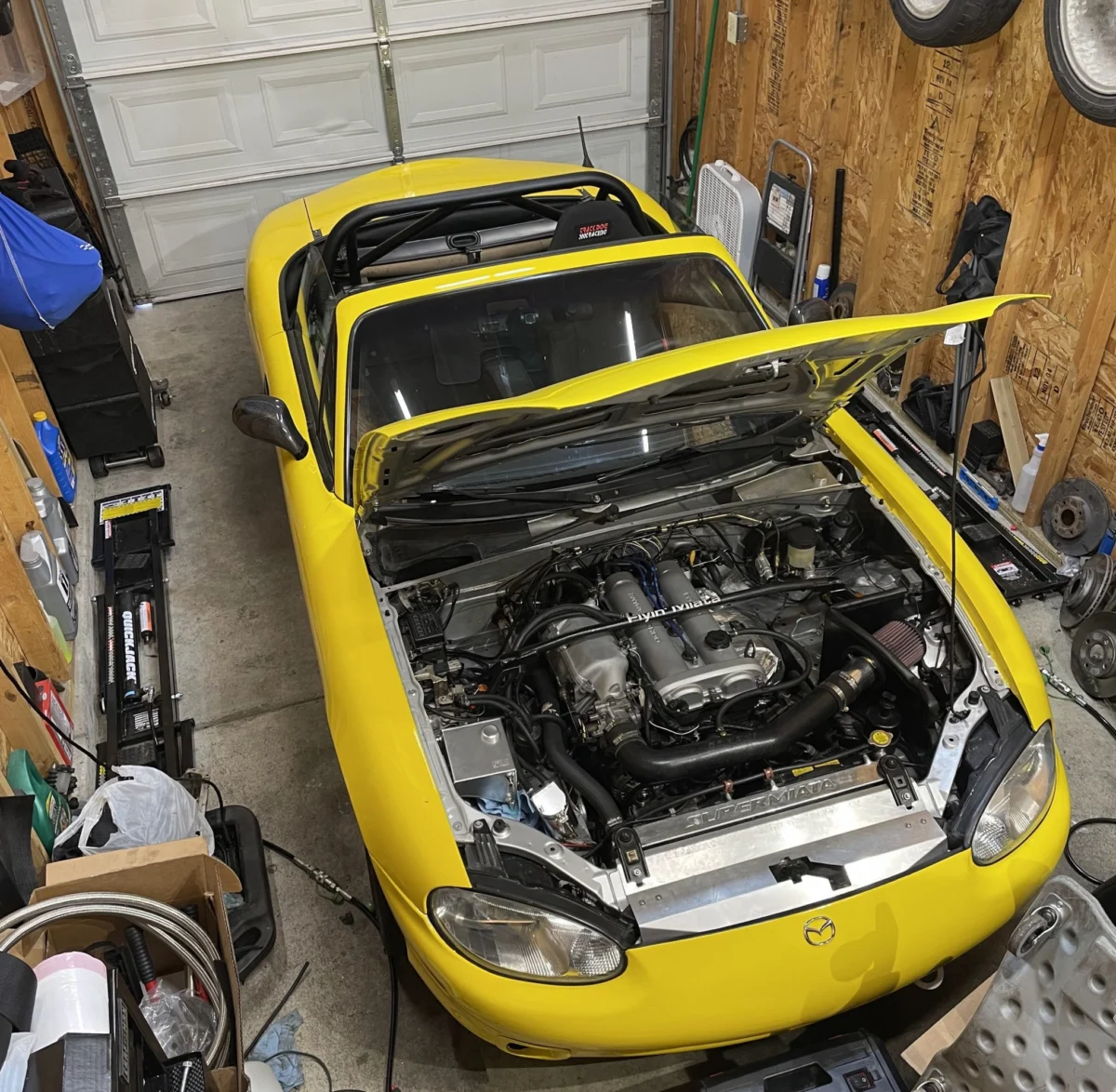
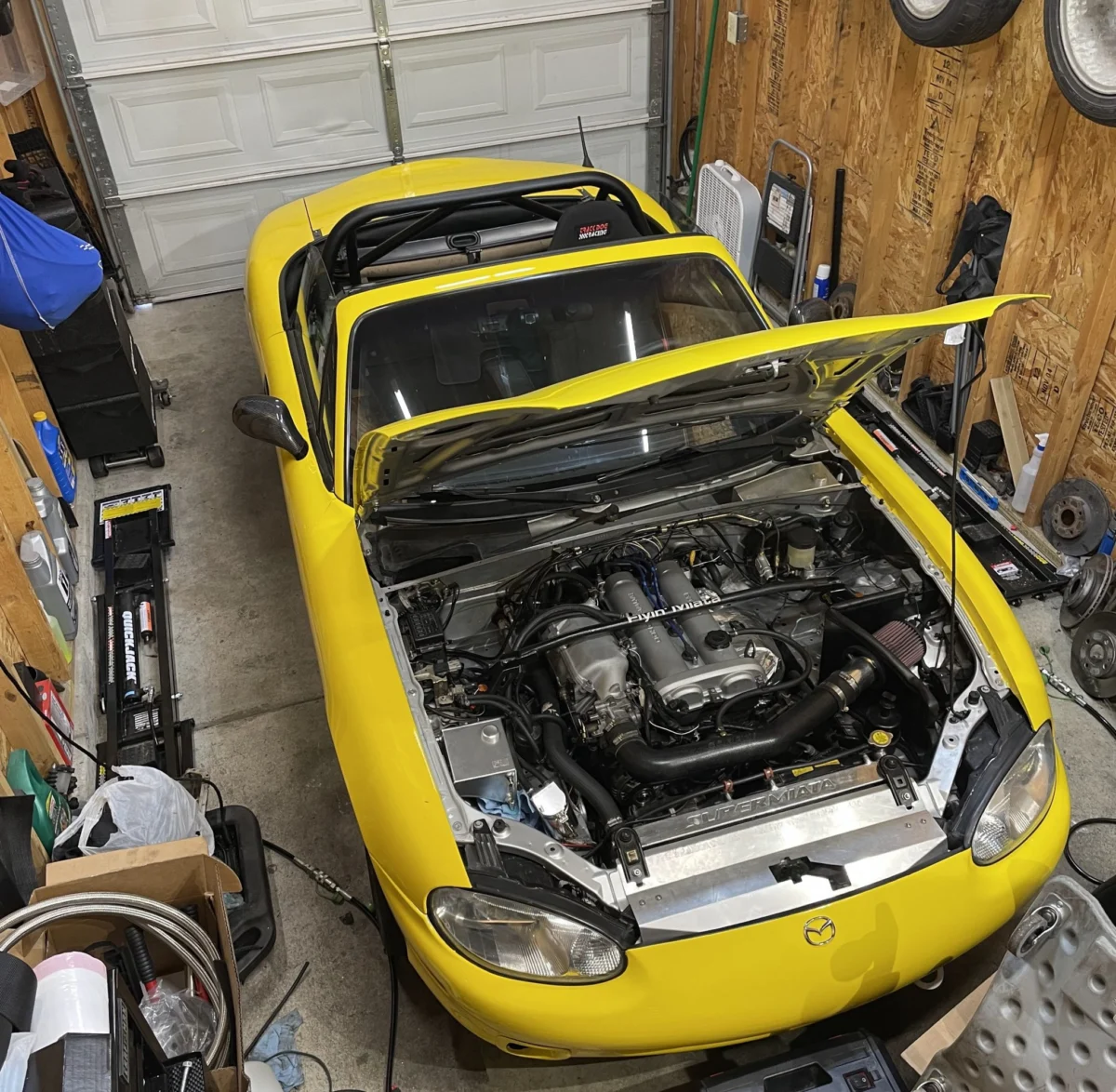
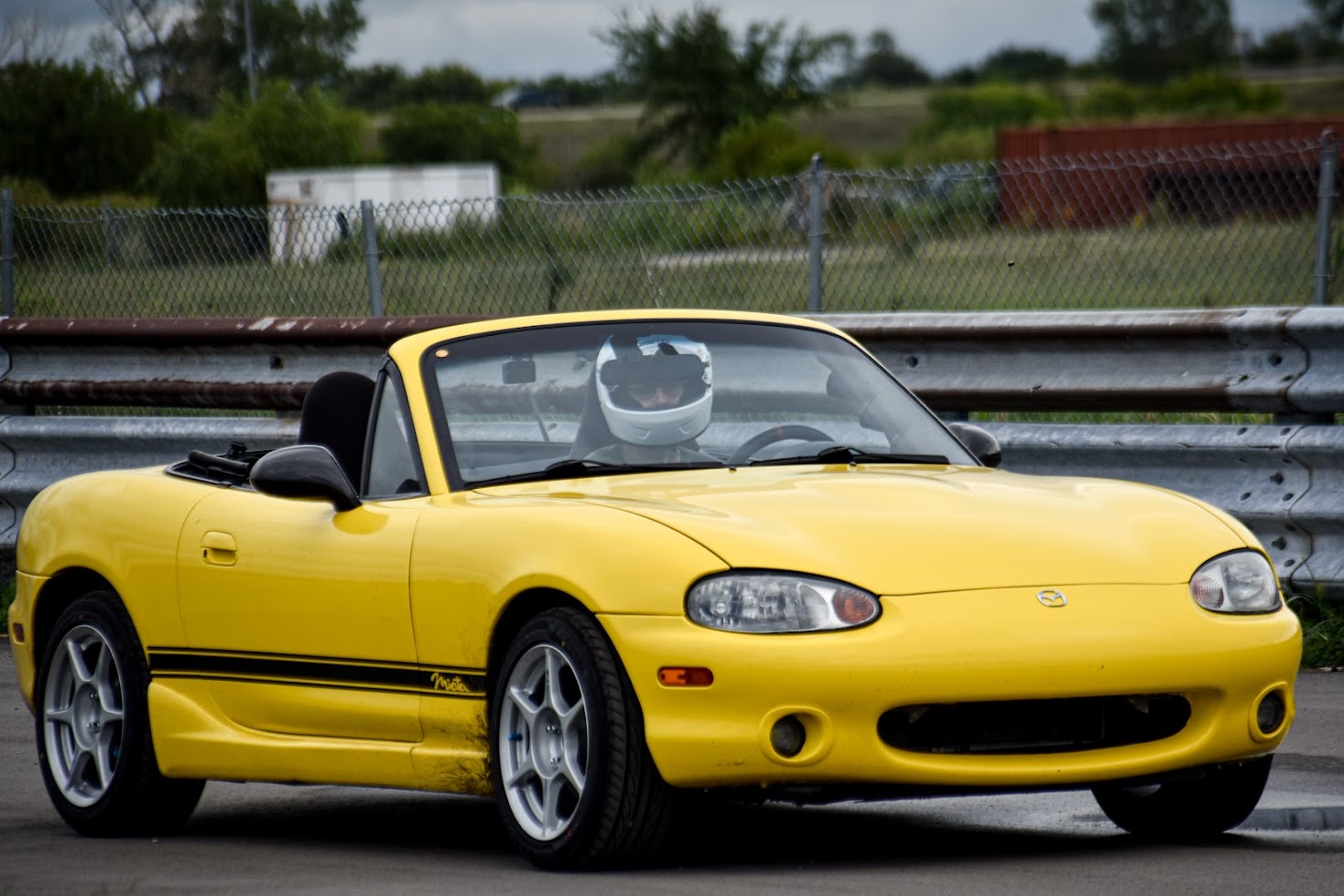
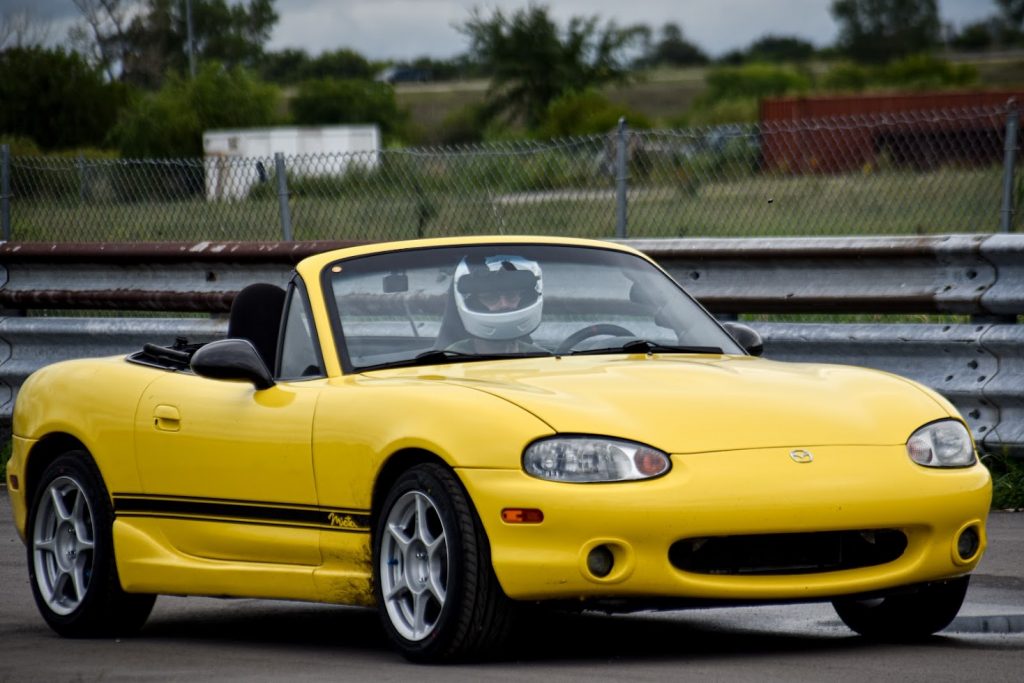
The second-generation Mazda MX-5, commonly referred to as the NB Miata, remains one of the most popular platforms for grassroots motorsports and spirited road driving. However, as these vehicles approach three decades of service, the degradation of original equipment manufacturer (OEM) rubber components and hydraulic damping systems often necessitates a comprehensive mechanical intervention. A recent technical overhaul of a base-model NB Miata has demonstrated the profound impact of modernizing suspension geometry and drivetrain components, transitioning a 20-year-old roadster into a precision-tuned machine capable of dual-duty performance on both public highways and competitive circuits. This refresh focused on the replacement of aging bushings, the installation of high-end adjustable coilovers, a drivetrain conversion to a torque-sensing differential, and the renewal of critical wear items such as hubs and ball joints.
The Foundation of Mechanical Integrity: Bushings and Ball Joints
The primary objective of the suspension refresh was to eliminate "slop" or unwanted deflection in the suspension geometry. On a high-mileage NB Miata, the original rubber bushings often become compliant or tear, leading to inconsistent alignment settings under cornering loads. To rectify this, the project utilized IL Motorsports stiffened rubber control arm bushings. These components are engineered to provide a 30% to 40% increase in stiffness over factory units, mirroring the specifications of the Mazdaspeed competition parts while maintaining a more accessible price point.
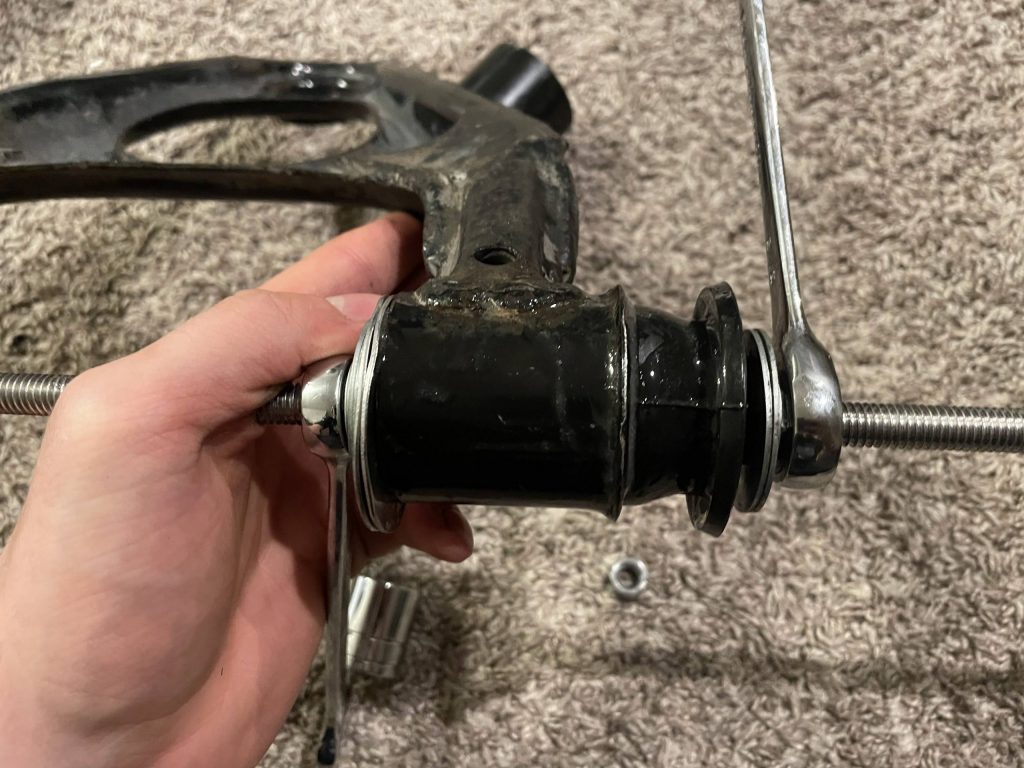
Unlike polyurethane alternatives, which often require periodic lubrication to prevent squeaking and can suffer from stiction, the IL Motorsports rubber bushings offer a "set and forget" solution. This choice prioritizes longevity and maintenance-free operation, making them ideal for a vehicle that sees significant street use. During the installation process, technicians encountered the common pitfall of using a hydraulic press on rear upper control arms without adequate internal support. The force required to seat the bushings can inadvertently bend the stamped steel arms, a mistake that necessitated the sourcing of replacement components. Experts recommend the "threaded rod and washer" method for these specific arms to ensure the force is applied only to the bushing sleeves and not the structural integrity of the arm itself.
Complementing the bushings was the installation of a Supermiata Front End Service Kit. This kit replaces the high-wear items of the front suspension, including upper and lower ball joints and outer tie rod ends. In the context of Nebraska’s harsh climate, where road salt and moisture often seize hardware, the successful extraction of original cotter pins and bolts was noted as a rarity, underscoring the importance of preventative maintenance before catastrophic failure occurs.
Precision Damping with Supermiata Xida Race Coilovers
The most significant performance gains were attributed to the installation of Supermiata Xida Race coilovers. In the Miata community, suspension options range from budget-oriented "sleeve" kits to high-end bespoke dampers. The Xida system, developed in conjunction with AST Suspension, is widely regarded as a benchmark for the platform. The specific configuration used in this overhaul featured an 800 lbs/in front and 500 lbs/in rear spring rate, supplemented by helper springs to maintain tension during full suspension droop.
Data from track testing suggests that while these spring rates are significantly higher than the factory’s approximate 150/100 lbs/in rates, the sophisticated valving of the Xida dampers allows for a surprisingly compliant ride on the street. The dampers utilize a large-diameter piston and high-quality shims to provide digressive valving, which offers high resistance to low-speed body movements (roll, pitch, and dive) while remaining "soft" over high-speed impacts like potholes or track curbing.
Initial road testing confirmed a substantial reduction in body roll and a marked improvement in high-speed stability. Where the stock suspension felt "floaty" and susceptible to crosswinds, the modernized setup provided a planted feel, lowering the center of gravity by approximately 0.75 inches. This height adjustment was carefully calibrated to ensure that the suspension geometry remained within its optimal operating window, avoiding the roll-center degradation often associated with excessive lowering.
Drivetrain Optimization: The Torsen Differential Swap
The base-model NB Miata was originally equipped with a 4.30:1 ratio open differential, which allows power to take the path of least resistance. In high-performance driving, this often results in the "inside" wheel spinning during corner exit, wasting potential acceleration. To resolve this, the project included a swap to a Torsen (Torque-Sensing) limited-slip differential.
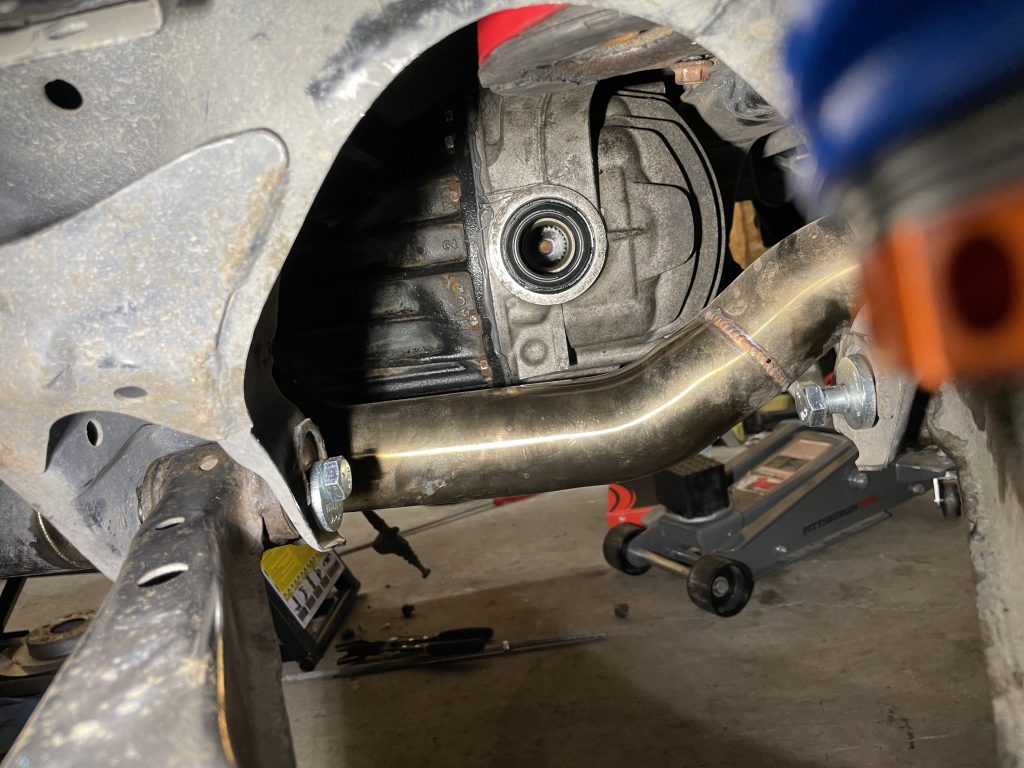
The Torsen unit is a mechanical marvel that uses helical gears to distribute torque to the wheel with the most traction. The 4.30:1 Torsen variant is highly coveted by racers, particularly in the Spec Miata class, due to its ability to maximize the modest power output of the 1.8-liter BP-4W engine. While these units often command prices exceeding $1,000 on the used market, the project successfully sourced a core unit for $250, which was then retrofitted into the car’s existing aluminum "pumpkin" housing.
To further enhance drivetrain response, the original rubber differential bushings were replaced with polyurethane units. This modification reduces the movement of the differential housing under load, which can help mitigate "wheel hop" and improve the precision of gear shifts by keeping the Power Plant Frame (PPF) stable. Technicians noted that removing the original bushings required a destructive method—drilling the rubber and hammering out the outer metal sleeves—as the age of the vehicle had effectively bonded the components together.
Hub and Bearing Reliability
Wheel hubs are a documented weak point for the MX-5 platform when subjected to the high lateral loads of modern 200-treadwear track tires. While several aftermarket companies offer "billet" or heavy-duty hubs, the decision was made to utilize Centric front hubs and rebuilt OEM rear knuckles from Treasure Coast Miata. This approach provides a "fresh start" for the vehicle’s rotating assembly, ensuring that bearing play does not interfere with braking performance or alignment stability.
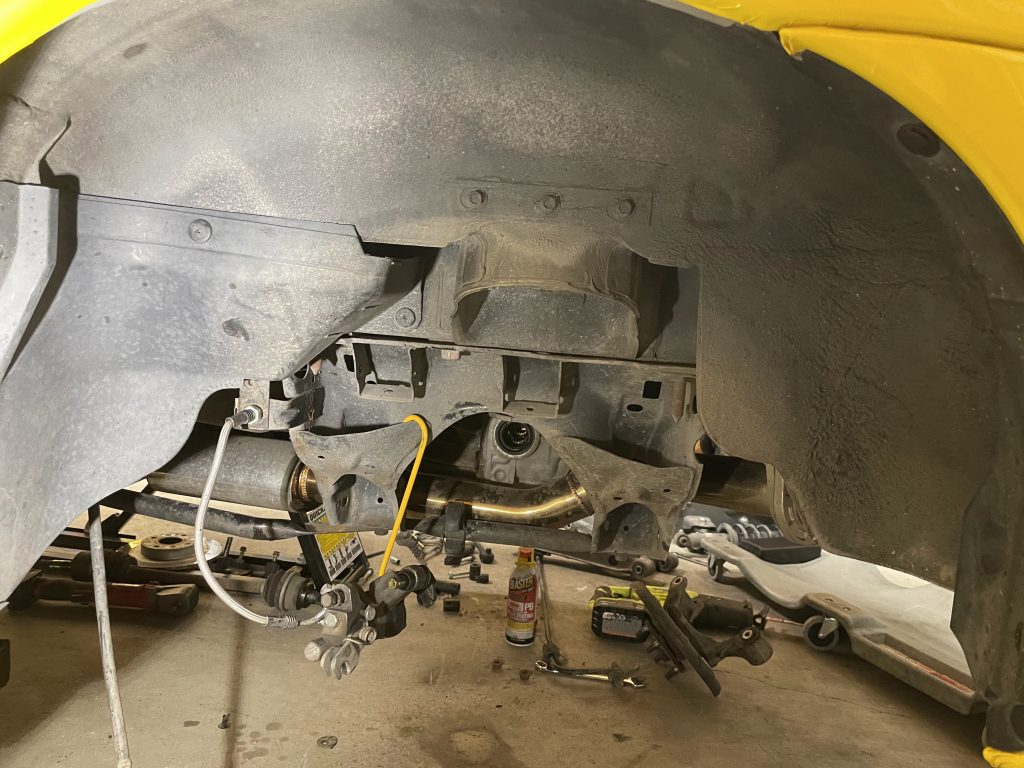
The replacement of the rear hubs is particularly labor-intensive, as it requires the removal of the long "long bolt" that connects the upright to the lower control arm. These bolts are notorious for seizing inside the metal sleeves of the bushings. In this instance, the bolts required significant force and vibration for extraction, leading to the recommendation that owners in "rust-belt" regions always have replacement hardware on hand before beginning the teardown.
Technical Analysis of Sway Bar Dynamics
A notable omission from the current build is the addition of aftermarket oversized sway bars. A common philosophy in Miata tuning is to use a very thick front sway bar to reduce roll and improve turn-in. However, with the transition to 800/500 lbs/in spring rates, the necessity of a large sway bar is diminished.
Analysis suggests that keeping the stock sway bars allows the suspension to remain more "independent," improving mechanical grip over uneven surfaces. Large sway bars can sometimes introduce "crosstalk" between the left and right wheels, which may unsettle the chassis on rougher B-roads. The current strategy is to evaluate the car’s balance—which currently exhibits a safe, slight understeer—before deciding if adjustable endlinks and stiffer bars are required to fine-tune the handling for specific autocross or track environments.
Broader Implications for the Enthusiast Market
This project highlights a growing trend in the automotive enthusiast community: the "restomod" approach to 1990s and early 2000s Japanese performance cars. As the values of these vehicles rise, owners are increasingly willing to invest in high-end components like Xida coilovers and Torsen differentials that exceed the original engineering specifications of the car.
The total overhaul of the suspension and drivetrain not only restores the vehicle’s factory-fresh feel but elevates it to a performance tier that can compete with much newer sports cars. The transition from an open-differential, high-mileage cruiser to a limited-slip, high-rate-sprung precision tool represents a logical evolution for the NB Miata. This systematic approach—addressing bushings, dampers, ball joints, and the differential simultaneously—ensures that no single component becomes a bottleneck for the car’s performance.
As the winter maintenance season concludes, the vehicle stands ready for a professional alignment and subsequent track testing. The success of this refresh serves as a blueprint for other owners of aging sports cars, proving that with patience, the right tools, and a selection of high-quality components, the "Golden Era" of Japanese roadsters can continue to thrive on both the street and the circuit.