Retno Hari Mulyono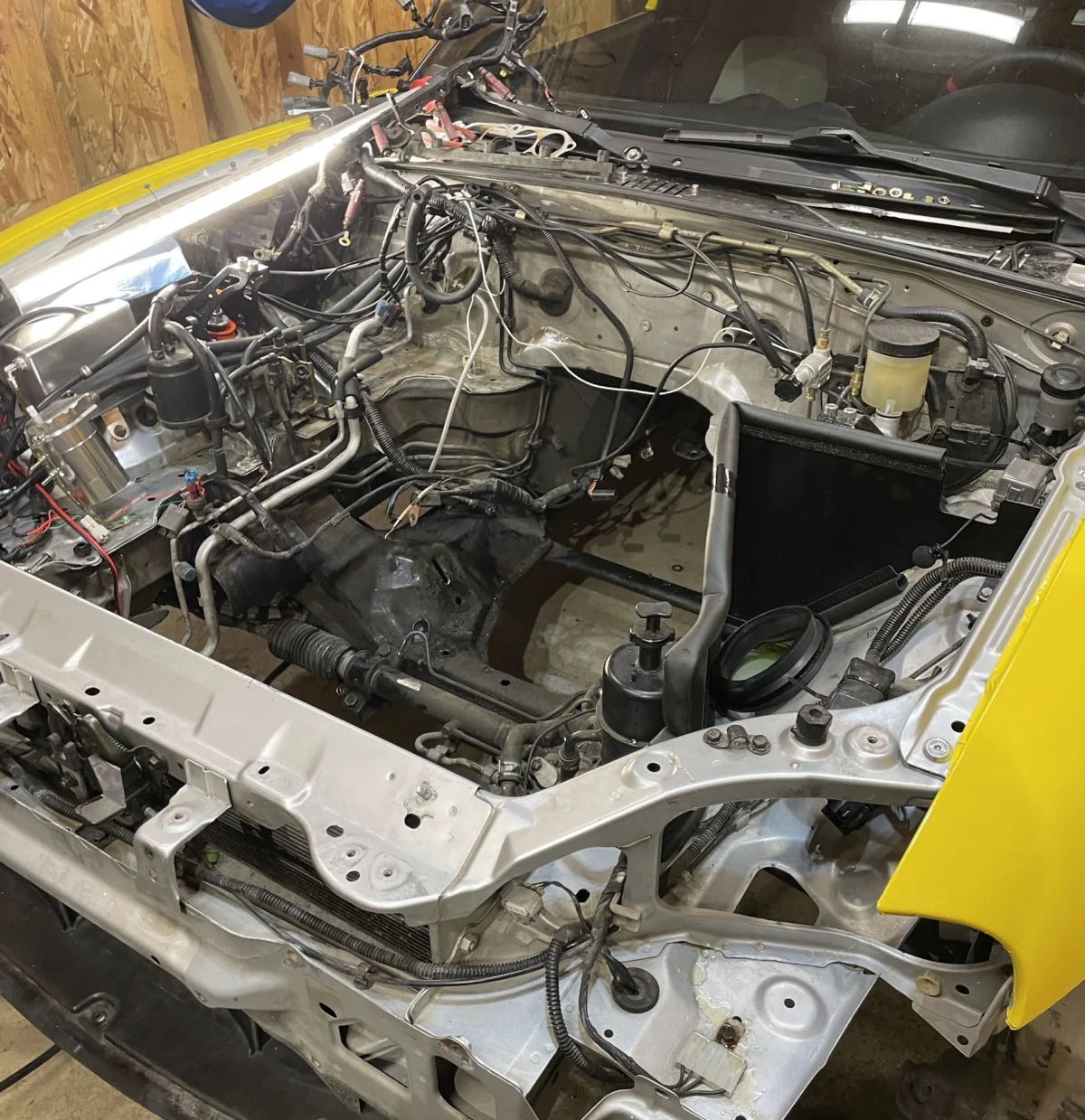
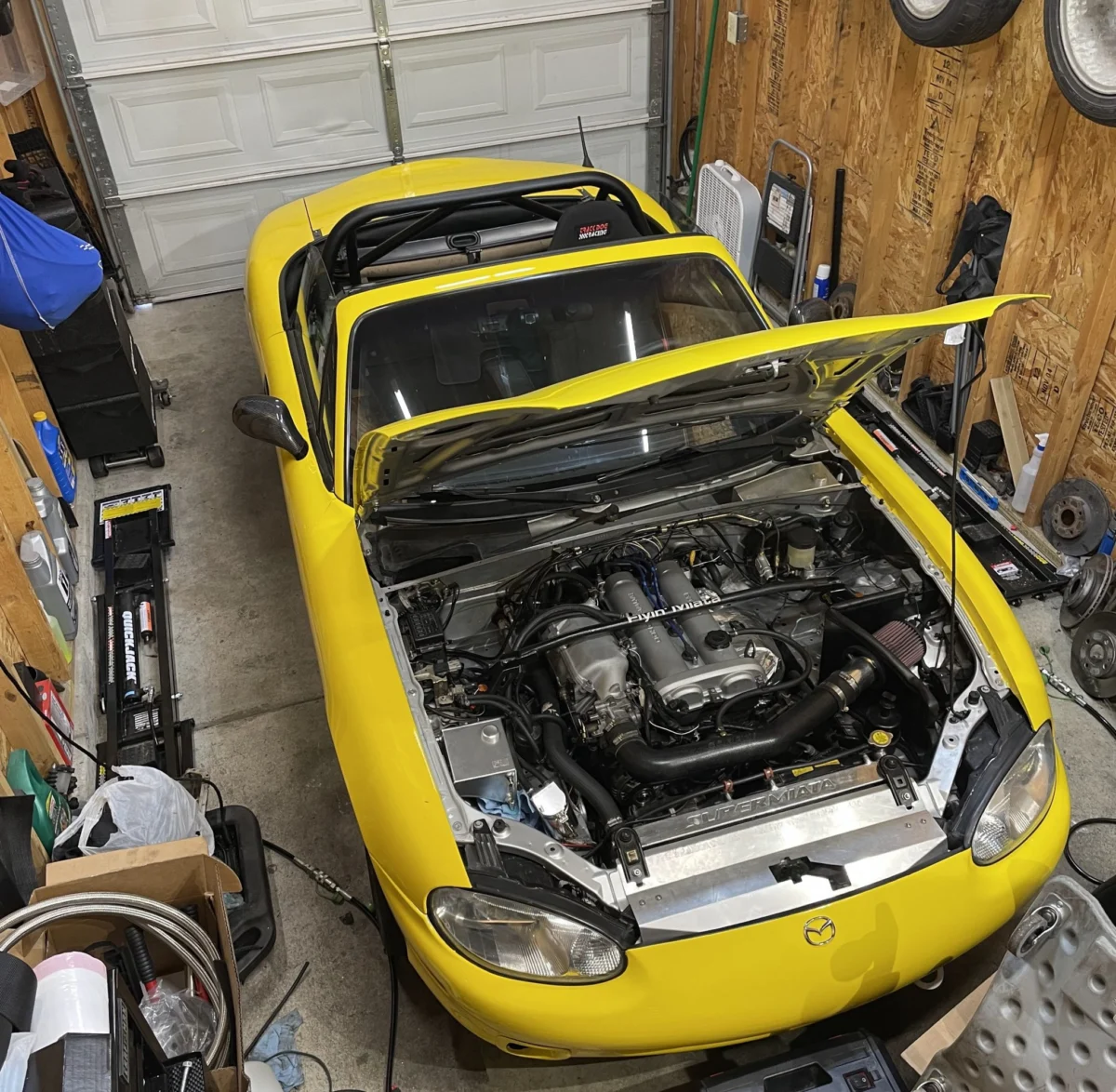
The second-generation Mazda MX-5, known internally as the NB, remains a cornerstone of the global enthusiast community, praised for its balanced chassis and the venerable BP-series engine. However, as these vehicles age—with the earliest examples now exceeding a quarter-century of service—comprehensive mechanical overhauls become a necessity rather than a luxury. For many owners, the decision to extract the engine is a pivotal moment in the vehicle’s lifecycle. While individual repairs such as a rear main seal replacement or an intake manifold swap can be performed in situ, the convergence of multiple mechanical requirements often dictates a complete engine extraction to ensure precision, cleanliness, and ergonomic efficiency. This report examines the technical processes, performance upgrades, and long-term implications of a comprehensive engine-out service on the NB Miata platform.
Historical Context and Engineering Background
The Mazda BP engine, a 1.8-liter DOHC four-cylinder unit, was not originally designed for the rear-wheel-drive configuration of the MX-5. Its lineage traces back to transverse-mounted applications in front-wheel-drive vehicles like the Mazda Familia and 323. This heritage created several engineering compromises that enthusiasts must address during major service intervals. Most notably, the cooling system’s flow path was optimized for a transverse layout, leading to thermal imbalances when rotated 90 degrees for the Miata’s longitudinal engine bay.
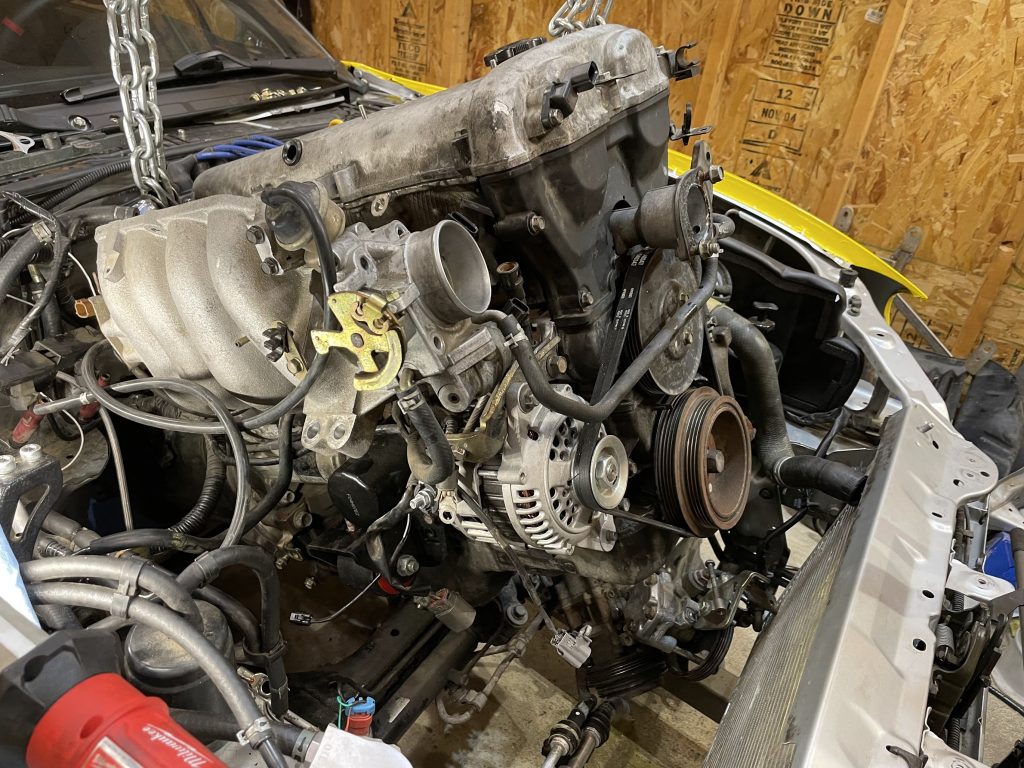
Furthermore, the NB generation (1998–2005) saw the introduction of several intake manifold variations designed to comply with different international emissions standards and power targets. The 1999–2000 models featured the Variable Inertia Charging System (VICS), which used butterflies to vary the effective length of the intake runners. Later models utilized the Variable Tumble Control System (VTCS) for cold-start emissions. The "flattop" or "square-top" manifold, found in Japanese (JDM) and European (EUDM) markets, is widely regarded by the racing community as the superior design for high-RPM performance due to its lack of internal obstructions and optimized plenum volume.
Procedural Chronology: The Extraction Phase
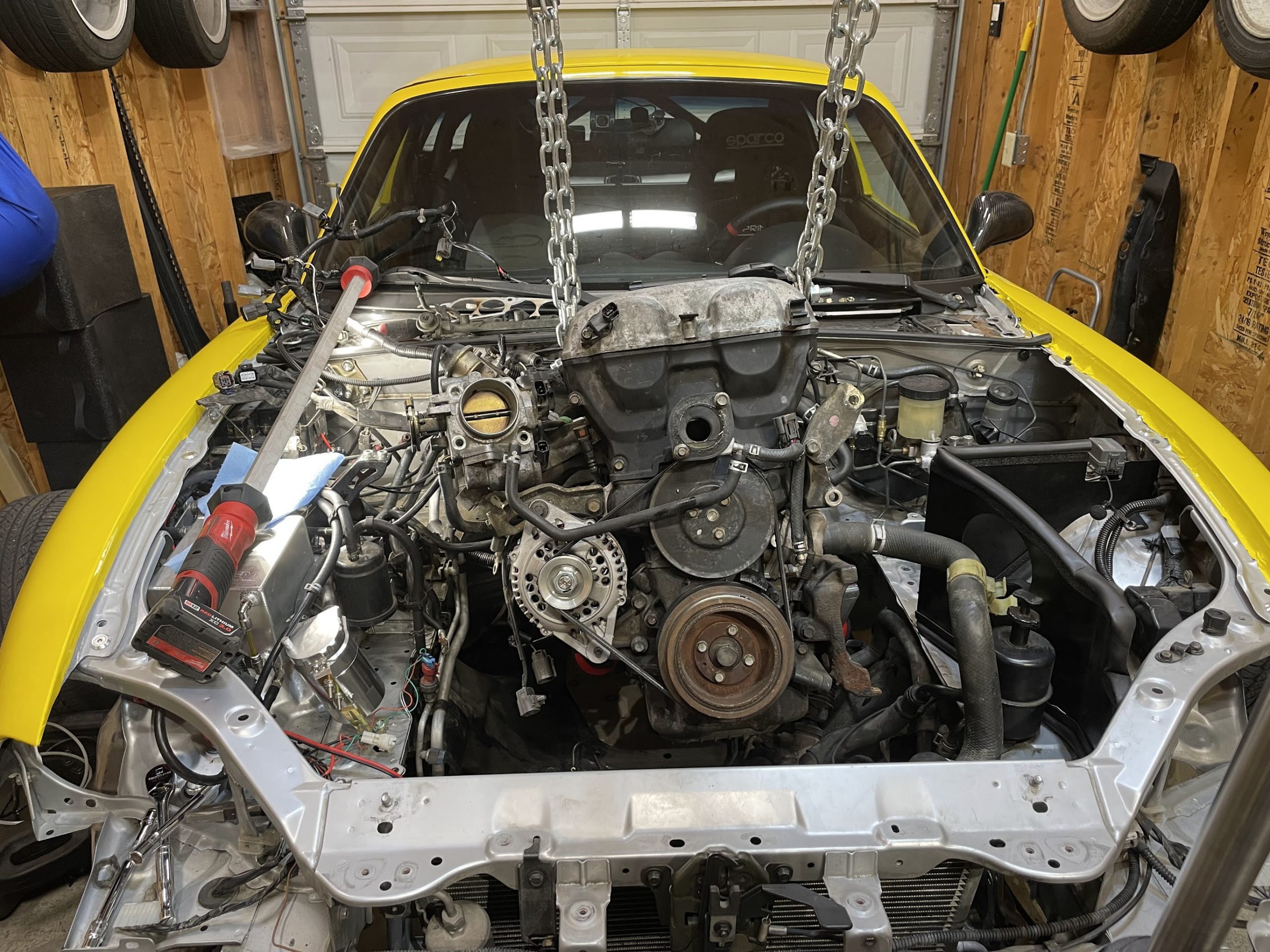
The extraction of a Miata engine is characterized by its relative simplicity compared to modern turbocharged or mid-engined counterparts. The prevailing methodology among experienced technicians is the removal of the engine and transmission as a single integrated unit. This approach avoids the difficulty of aligning the input shaft and bellhousing bolts within the cramped confines of the transmission tunnel.
The process begins with the systematic disconnection of the electrical harness, cooling hoses, and fuel lines. On the NB platform, the removal of the hood and the front bumper cover is often recommended to improve access and prevent accidental cosmetic damage. Once the Power Plant Frame (PPF)—a structural brace connecting the transmission to the differential—is disconnected and the shifter assembly is removed, the entire drivetrain can be tilted and hoisted forward. This phase requires careful management of the center of gravity to prevent the transmission tail-shaft from impacting the firewall or the delicate cooling fins of the air conditioning condenser.
Addressing Chronic Lubrication Failures
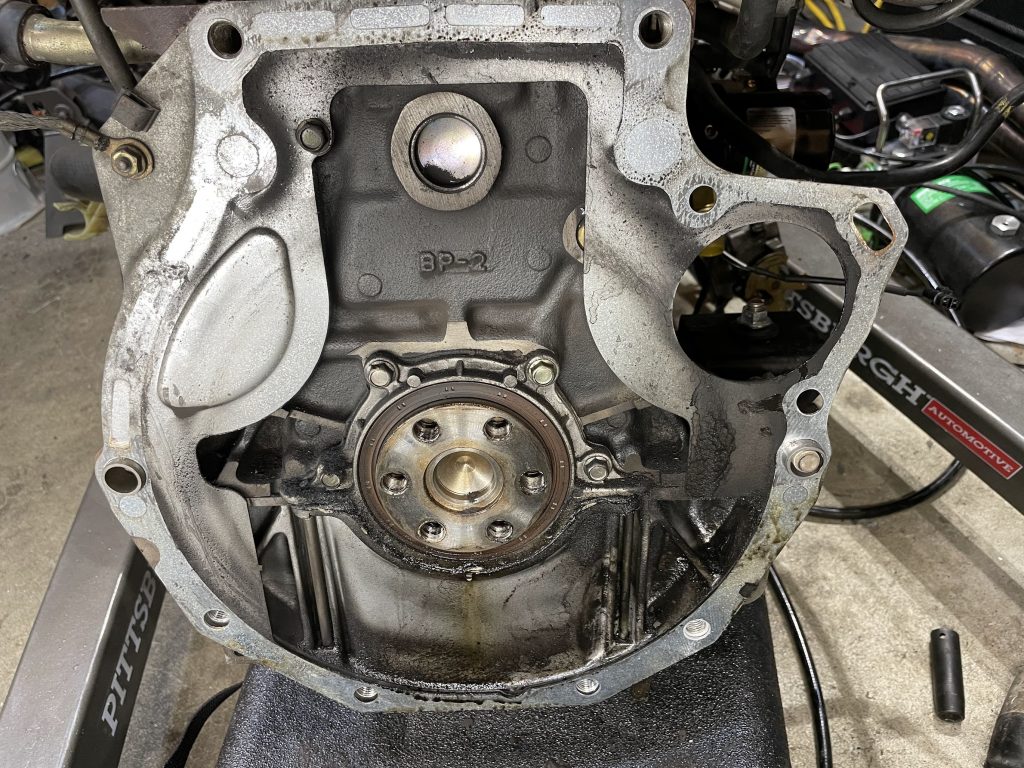
A primary catalyst for engine extraction is the failure of the rear main seal, a common malady in high-mileage BP engines. The rear main seal is located at the back of the crankshaft, and its failure results in oil leakage into the bellhousing, which can eventually contaminate the clutch disc and lead to slippage. Data from the enthusiast community suggests that while the seal itself is inexpensive, the labor involved in reaching it—requiring the separation of the engine and transmission—is significant.
During this specific overhaul, several critical leak points were addressed:
- Rear Main Seal: Replaced using precision installation tools to ensure the seal sits flush and at the correct depth.
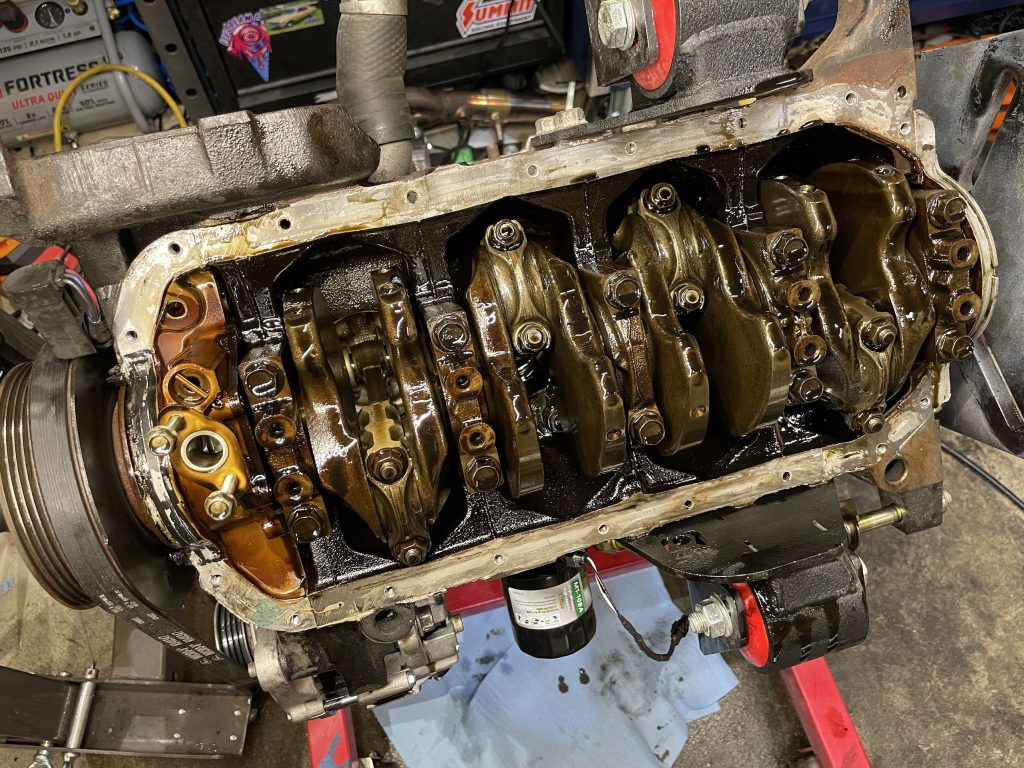
- Oil Pan RTV Seal: The NB uses a two-piece oil pan design consisting of an aluminum upper pan and a steel lower baffle. Resealing this requires the application of high-quality Room Temperature Vulcanizing (RTV) silicone.
- Transmission Seals: The input and output shaft seals of the five-speed manual transmission were replaced as a preventative measure.
- Valve Cover Gasket: A standard maintenance item that often fails due to heat-cycling.
A complicating factor discovered during this process was a stripped oil pan drain plug. In many older Miatas, over-torquing the drain bolt leads to stripped threads in the soft aluminum pan, often resulting in the use of "piggyback" or conical repair plugs. Replacing the entire pan while the engine is on a stand is the only reliable way to restore factory-spec drainage and ensure a leak-free seal.
Drivetrain and Thermal Management Upgrades
With the engine removed, the opportunity for performance optimization is vast. The installation of a Supermiata Sport Clutch and a 9lb lightweight aluminum flywheel represents a significant departure from the factory specifications. The stock flywheel on an NB Miata weighs approximately 18–19 lbs; reducing this mass by nearly 50% significantly decreases rotational inertia. This allows the engine to rev more freely, improving the speed of downshifts and throttle response, though it requires a more disciplined technique when launching from a standstill.
Simultaneously, the "coolant reroute" was performed using a Hawley Performance kit. As previously noted, the factory cooling path enters the front of the engine and exits the front, leaving the fourth cylinder (at the rear) to operate at higher temperatures. By moving the thermostat housing to the back of the cylinder head, the reroute forces coolant to flow across all four cylinders before exiting. Independent testing on track-driven Miatas has shown that a reroute can reduce the temperature delta between the front and rear of the head by as much as 20 degrees Fahrenheit, significantly reducing the risk of head gasket failure or localized warping.
Intake Optimization and Aesthetic Restoration
The transition to the EUDM/JDM flattop intake manifold serves both performance and simplification goals. By removing the VICS system, the owner eliminates the need for vacuum-operated solenoids and electronic switchover points in the engine management software. This manifold is known to provide a measurable increase in horsepower above 6,000 RPM, making it a staple for cars intended for track use.
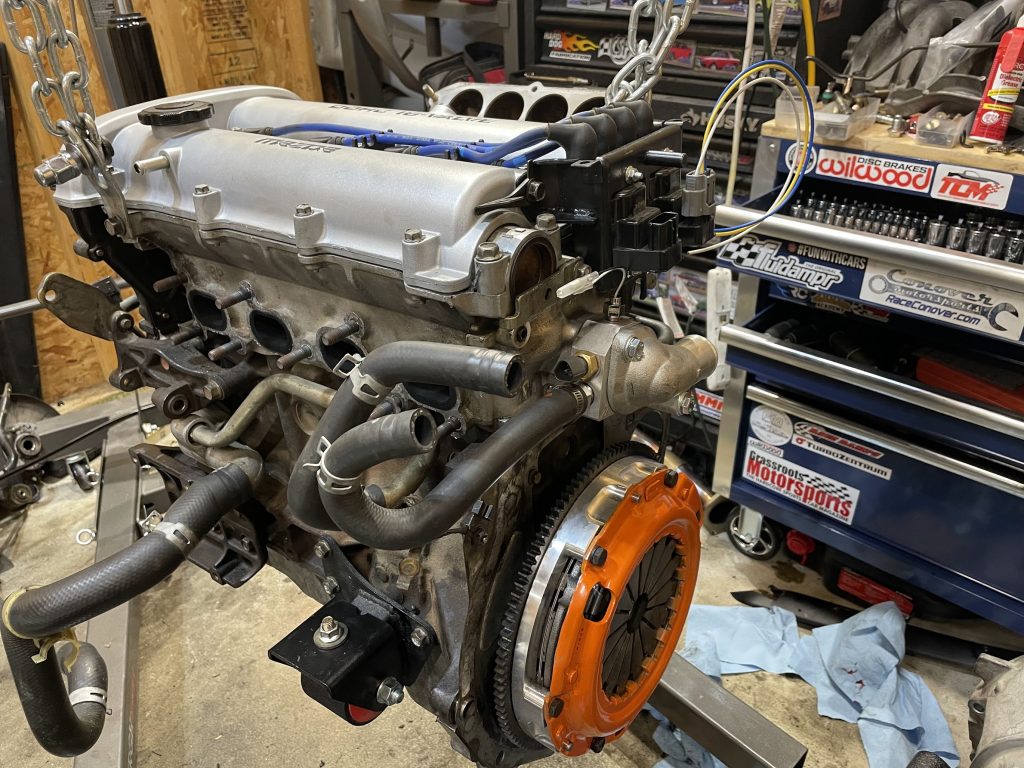
To complement the mechanical work, the valve cover and manifold were refinished in an OEM-style aluminum paint. This serves a dual purpose: protecting the casting from oxidation and facilitating easier leak detection in the future. While some owners opt for high-polish finishes, the professional consensus often favors matte or satin finishes that mimic the factory "as-cast" look, as they are more resilient to the heat and chemicals found in an active engine bay.
Post-Operational Analysis and Future Implications
Following the reinstallation and a 500-mile break-in period, the project encountered a common setback in vintage car restoration: the persistence of a minor oil leak at the rear of the engine. Despite the use of new seals and precise installation tools, the BP engine’s crankshaft can sometimes develop micro-grooves over decades of use, preventing a perfect seal even with new components.
The analytical response to this development involves two potential paths:
- In-car diagnosis: Separating the transmission while the engine remains in the car to verify if the leak is originating from the rear main seal, the oil pan’s rear "half-moon" seal, or the transmission input seal.
- Engine Replacement: Due to the inherent risks of repairing high-mileage blocks, the acquisition of a replacement BP4W motor from a specialist importer like Prestige Spares serves as a strategic contingency.
The broader impact of such a project is felt across the secondary market for the Mazda MX-5. As "clean" examples of the NB become rarer, the value of documented, engine-out maintenance increases. Vehicles that have had their cooling deficiencies addressed and their drivetrain seals refreshed command a premium among collectors and racers alike.
Furthermore, this case study highlights the importance of specialized tools, such as the Flyin’ Miata seal installer, which minimizes the margin for human error in critical tolerances. For the DIY community, the project underscores a fundamental truth of automotive restoration: the "while you’re in there" philosophy—replacing a $500 clutch while performing a $20 seal repair—is the most cost-effective way to maintain a high-performance vintage vehicle.
In conclusion, the extraction and revitalization of the NB Miata engine is a comprehensive undertaking that blends routine maintenance with proactive engineering corrections. By addressing the platform’s known weaknesses in thermal management and lubrication, owners can extend the operational life of these iconic roadsters, ensuring they remain viable for both daily transport and competitive motorsport in the decades to come.