Retno Hari Mulyono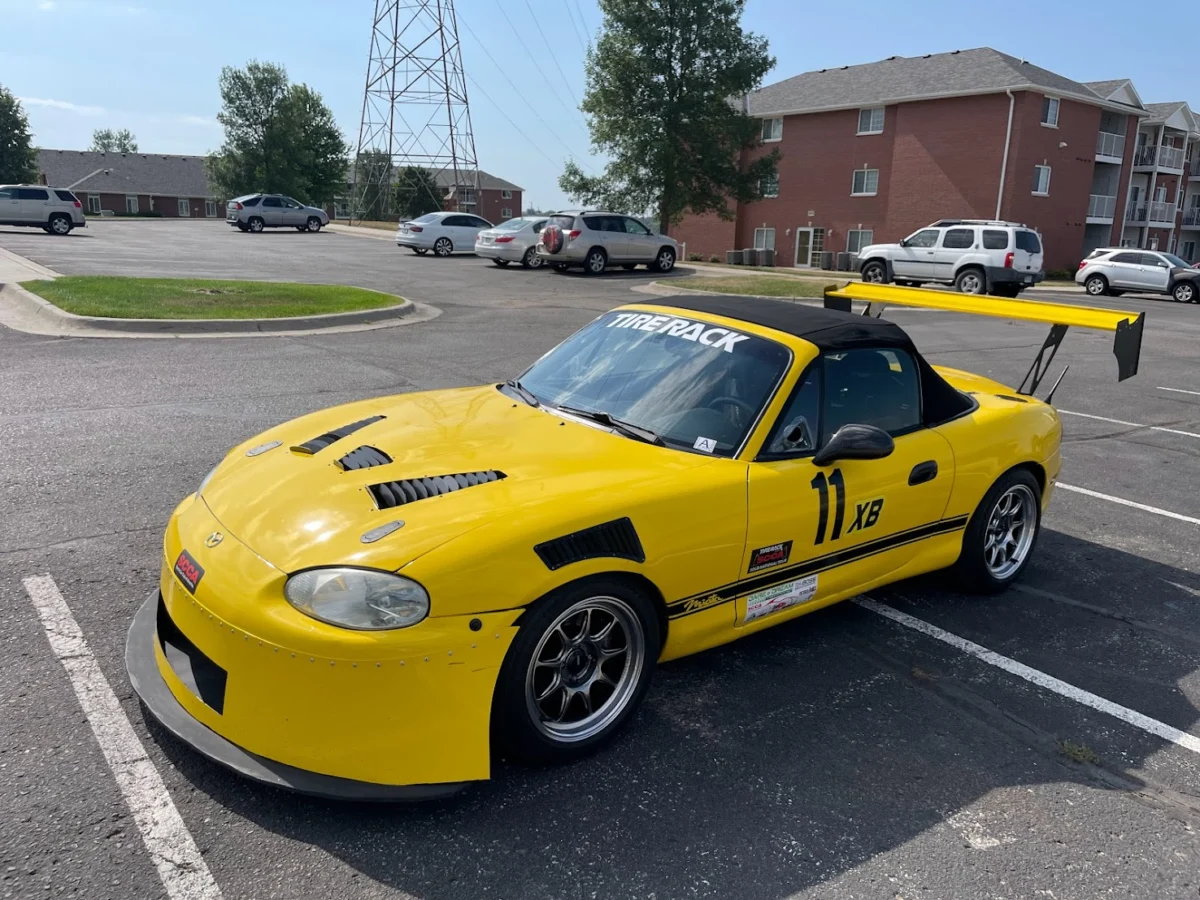
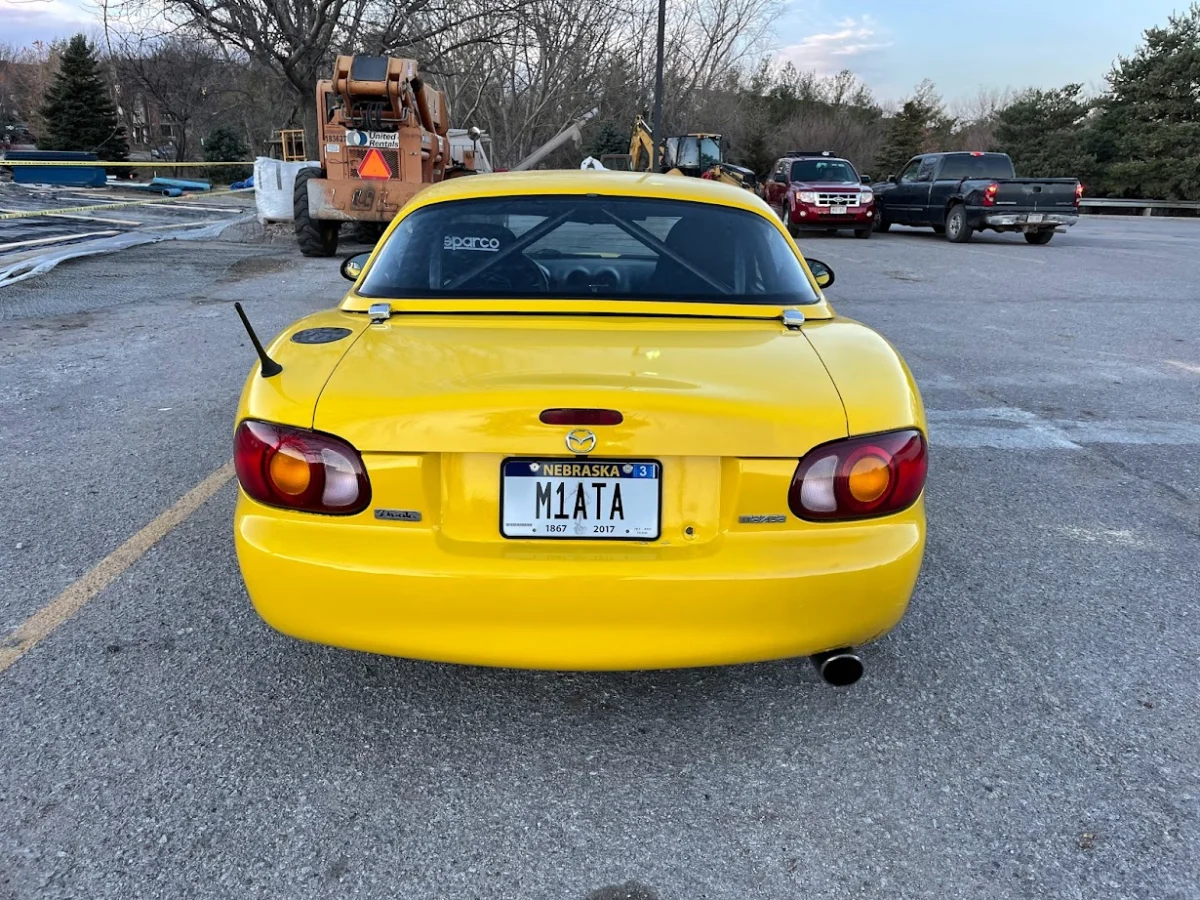
The third year of ownership for a dedicated track-prepared Mazda NB Miata represents a critical juncture in the life cycle of a grassroots racing vehicle. Transitioning from a street-legal enthusiast car to a purpose-built competition machine requires a meticulous balance of mechanical reliability, aerodynamic efficiency, and weight management. Between March 2023 and February 2024, one such vehicle underwent a rigorous development program, participating in 30 competitive events across five states. This period was marked by significant hardware upgrades, the navigation of mechanical failures, and an analytical approach to lap-time optimization in the SCCA Time Trials and autocross circuits.
Aerodynamic Integration and the Plywood Solution
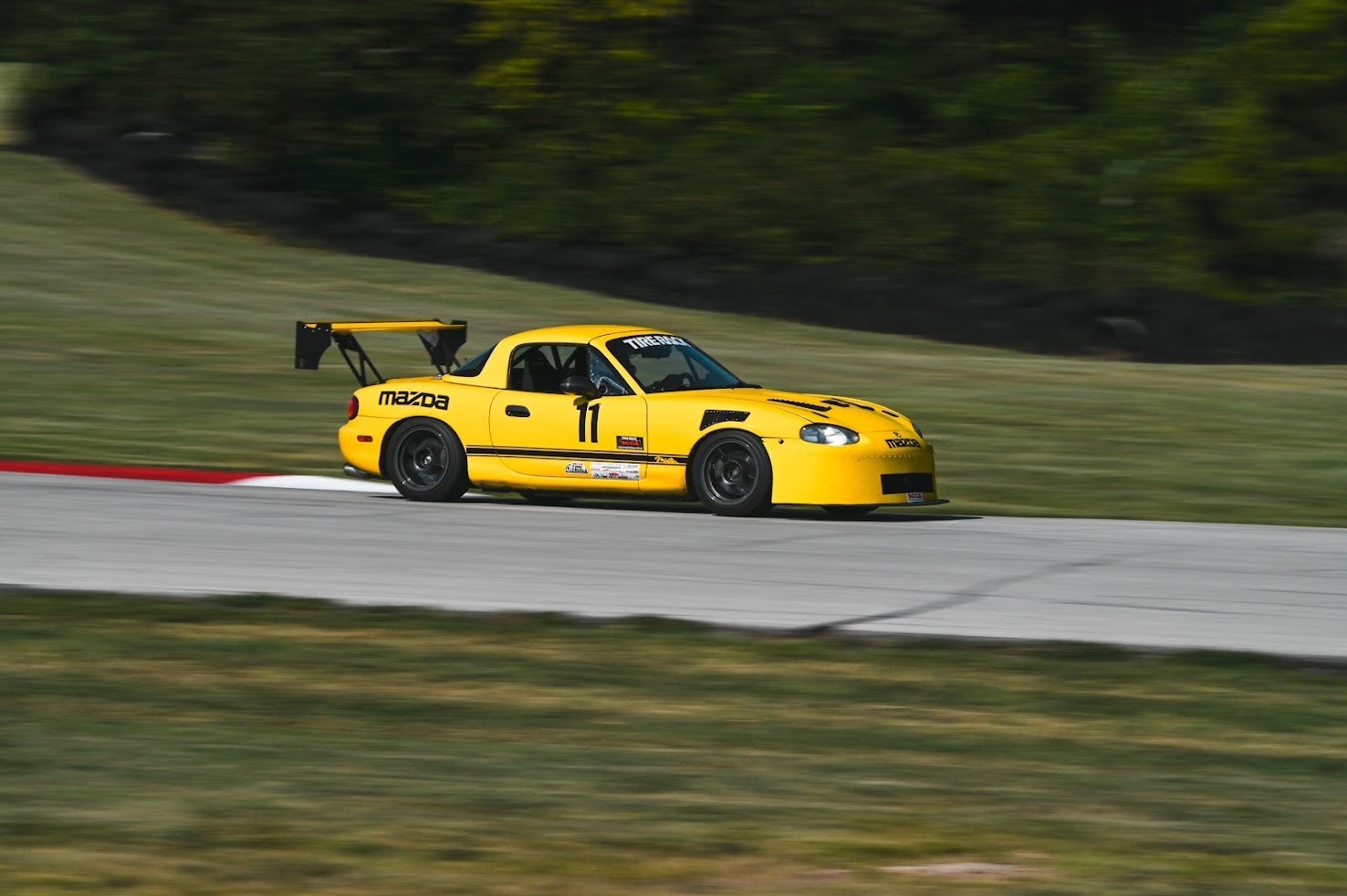
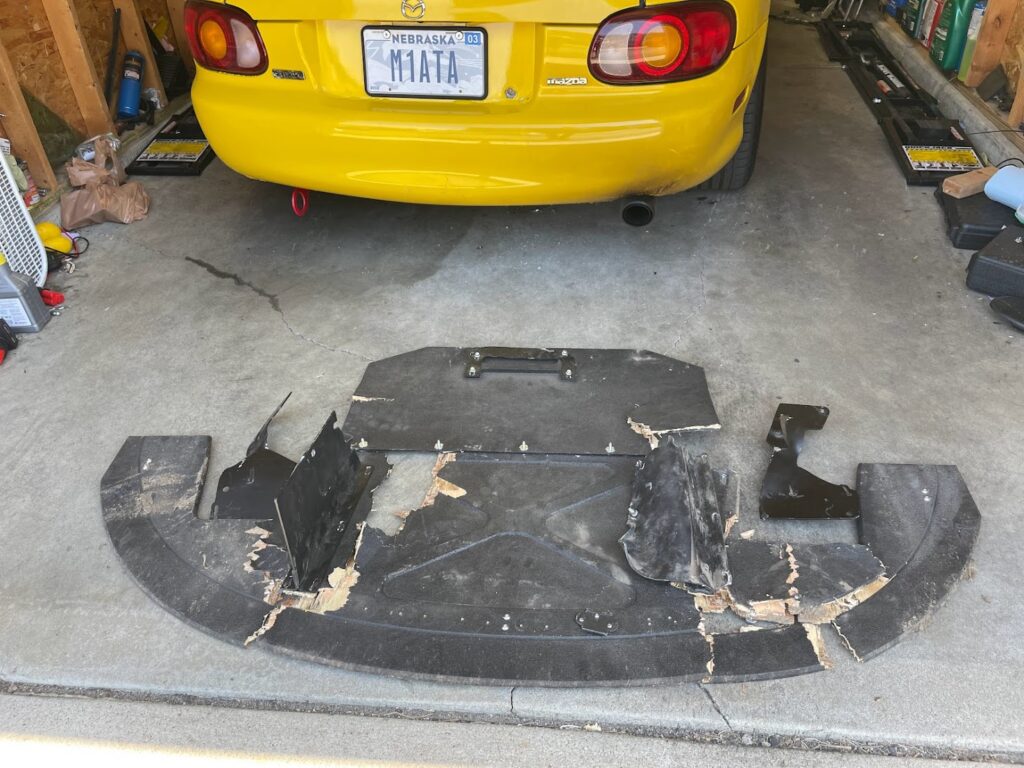
The 2023 season commenced with the integration of a Nine Lives Racing medium downforce kit, a popular aerodynamic upgrade designed to balance high-speed stability with manageable drag. However, the introduction of advanced aerodynamics necessitates a corresponding shift in driving dynamics. In April 2023, the limits of this new setup were tested during a high-speed track session. An over-correction led to an off-track excursion that decimated the front splitter, bent the radiator support, and compromised the splitter mounts.
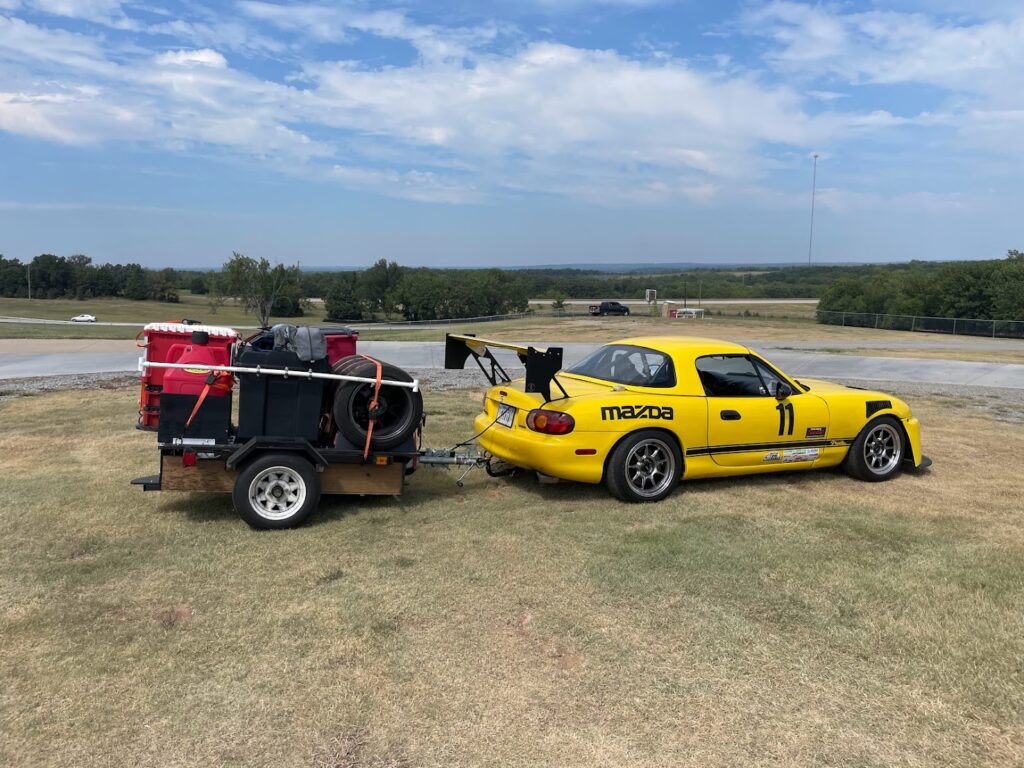
In a display of paddock ingenuity often found in grassroots motorsports, the damaged components were replaced with a custom-fabricated 1/4-inch plywood splitter to complete the weekend’s scheduled autocross events. This temporary fix eventually evolved into a more permanent 1/2-inch plywood solution with reinforced side supports. Industry data suggests that plywood, while seemingly rudimentary, remains a favored material for front splitters in Time Trials due to its low cost, high rigidity-to-weight ratio, and sacrificial nature during ground contact. To mitigate future downtime, the vehicle’s support trailer was modified to carry pre-cut spare splitters, ensuring that "bottoming out" on track or during transport would not end a competitive weekend.
Regional Circuit Analysis and the Heartland Closure
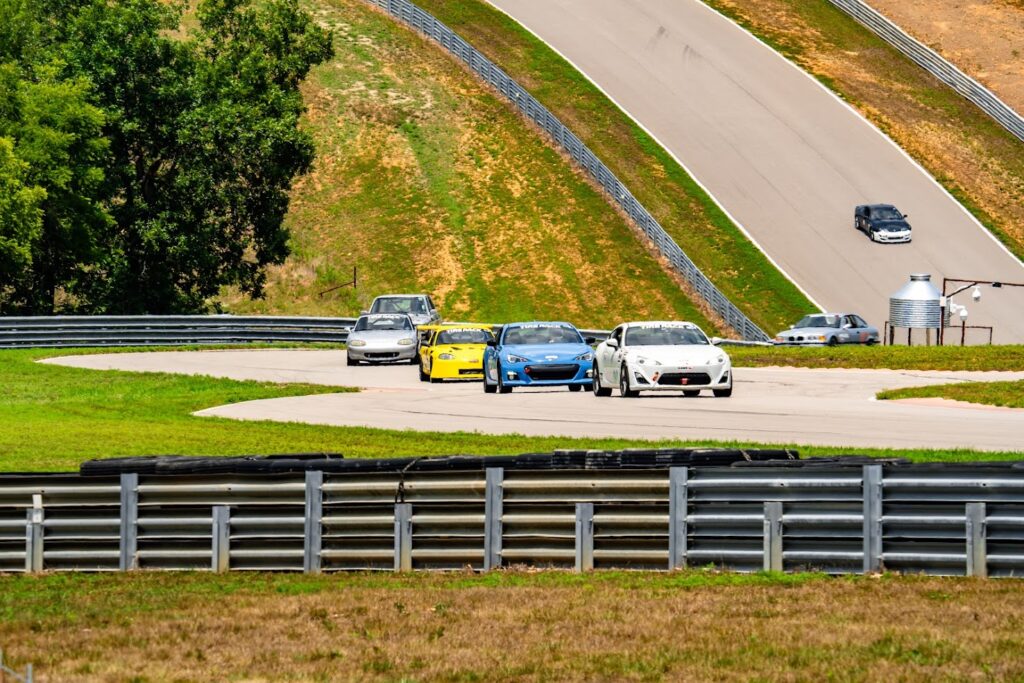
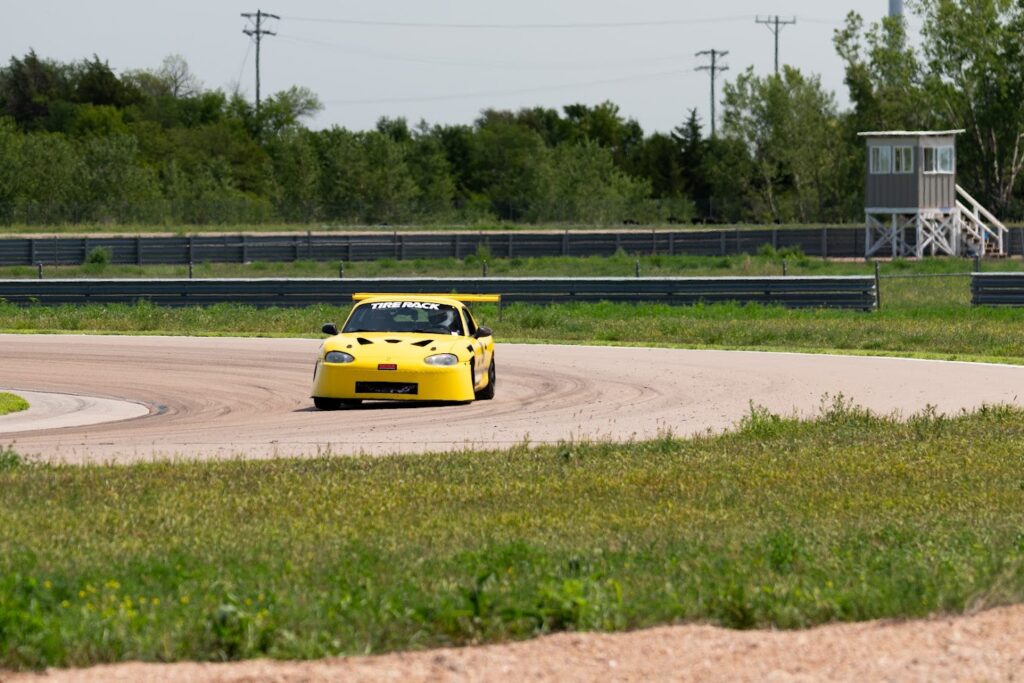
The mid-season schedule centered on Heartland Motorsports Park in Topeka, Kansas, and the newer Ozarks International Raceway in Missouri. In May 2023, the vehicle participated in the SCCA Time Trials at Heartland, utilizing a performance-oriented tire setup consisting of 225/45R15 Falken RT660s on 15×9 wheels. This setup provided a significant lateral grip advantage over the previous year’s Hankook RS4 endurance-focused tires.
However, the regional racing community faced a significant setback with the closure of Heartland Motorsports Park at the end of the 2023 season. Following a protracted dispute over property taxes, the facility was shuttered, and its assets were auctioned. This closure forced a shift in the regional competition landscape, placing greater emphasis on venues like Ozarks International Raceway.
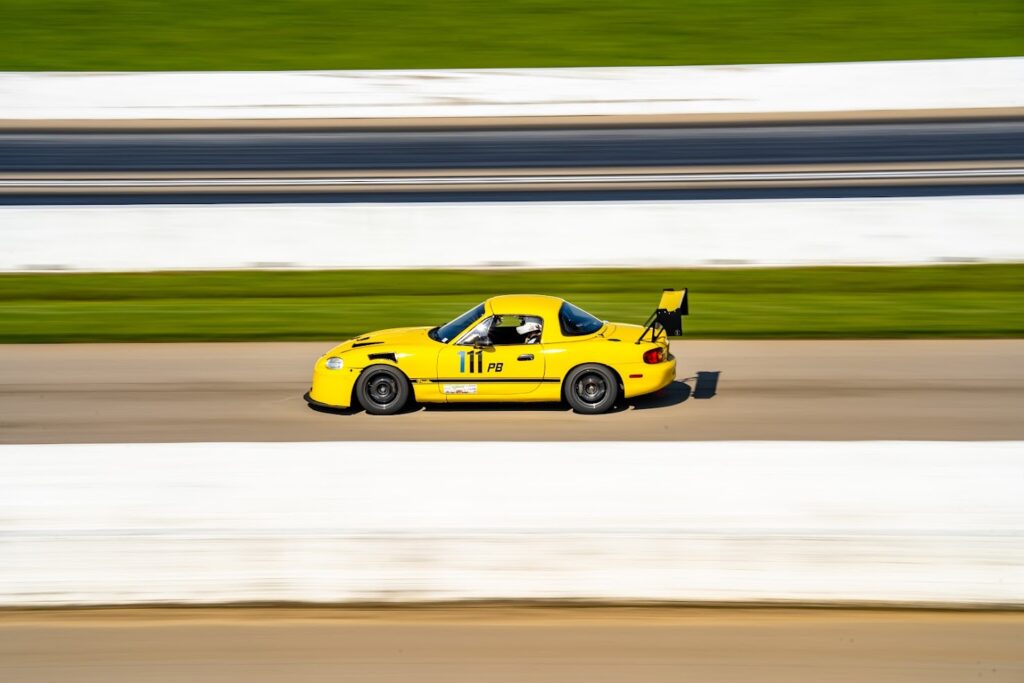
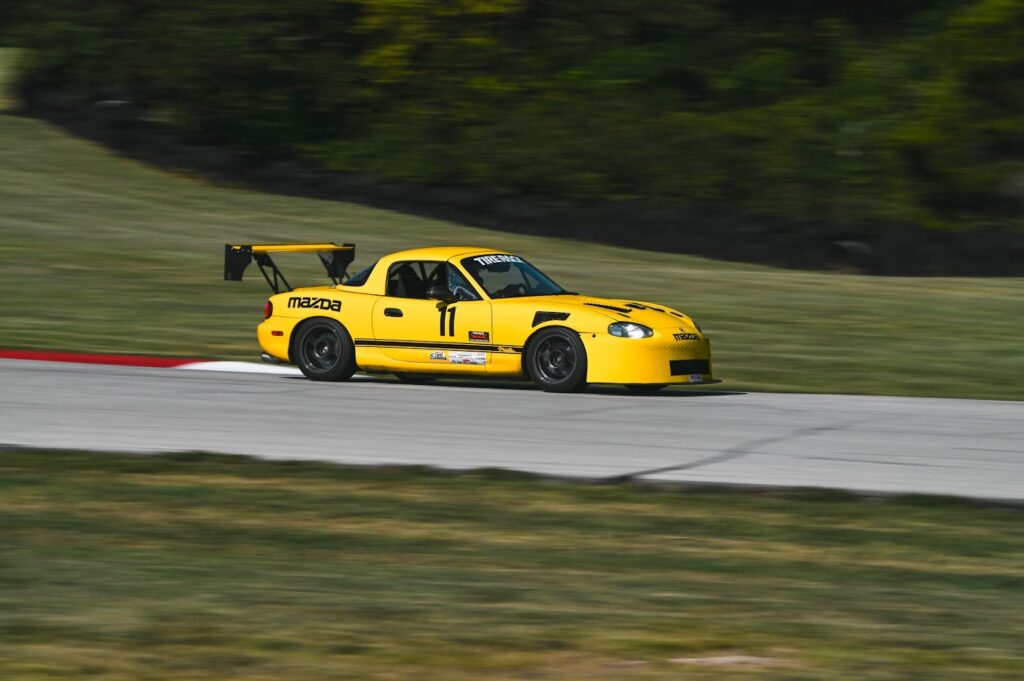
Ozarks, known for its extreme elevation changes and technical complexity, presented a steep learning curve. During a July visit, the Miata faced a critical mechanical failure when the clutch began to slip. Due to time constraints, the performance-grade clutch was replaced with a standard organic unit sourced from a local parts retailer. Despite the downgraded hardware, the vehicle demonstrated the effectiveness of its aerodynamic package, as the driver shaved significant time off each subsequent session by leveraging the high-speed downforce provided by the rear wing and hardtop configuration.
Thermal Management and Driver Ergonomics
As ambient temperatures rose during the summer months, the focus shifted toward thermal management—both for the mechanical components and the operator. In September, at the Miatas at Hallett event in Oklahoma, a "Cool Shirt" system was integrated into the vehicle. This system utilizes a pump-driven cooler to circulate ice water through a network of tubes in the driver’s garment.
In a racing environment where cockpit temperatures can exceed 120 degrees Fahrenheit, such systems are increasingly viewed as safety equipment rather than luxuries. Data indicates that maintaining a stable core body temperature reduces cognitive fatigue and improves reaction times, directly correlating to more consistent lap times and reduced error rates during 20-minute sprint sessions.
The BP-Series Engine Program and Hybrid Architecture
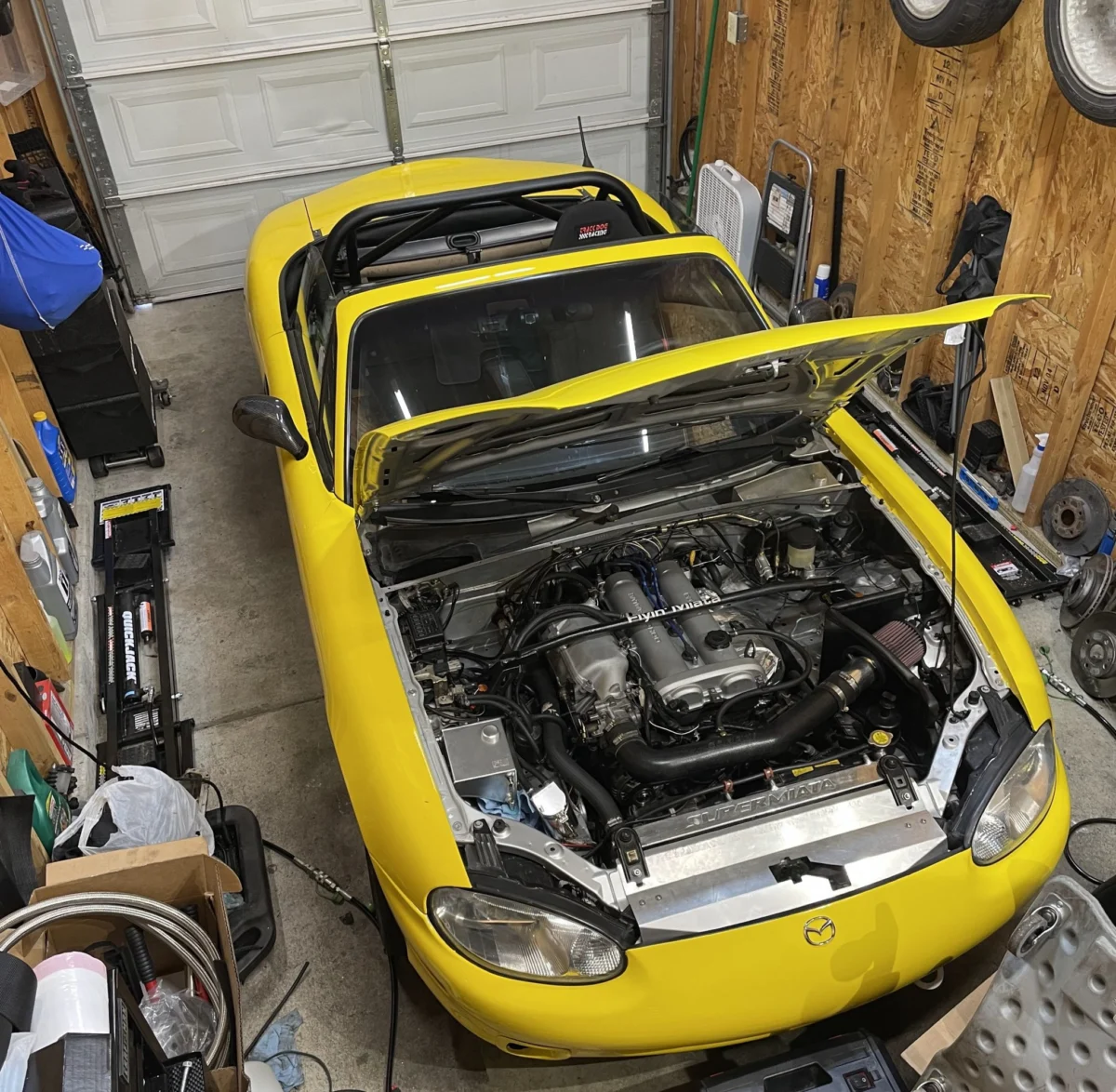
The original BP4W engine, a 1.8-liter naturally aspirated unit, remained the vehicle’s primary powerplant through 2023. Despite modifications including a Boundary Engineering oil pump, a coolant reroute, and an "Exhintake" camshaft swap, the engine began exhibiting signs of wear, specifically oil consumption at high RPM and smoke during engine braking.
To address this, an engine development program was initiated using a collection of spare components:
- BP4W Block: Sourced from the 1999-2000 model years, known for its solid foundation but prone to valve wear.
- BP6D Head: Sourced from the 2001-2005 "VVT" (Variable Valve Timing) models, offering superior airflow and mid-range torque.
In late 2023, a hybrid engine was conceptualized, combining a refreshed BP4W bottom end with a rebuilt BP6D head and high-compression pistons. This "VVT swap" is a hallmark of the NB Miata performance community, as it allows for a broader power band without the complexity of forced induction, keeping the vehicle within the competitive power-to-weight ratios of its Time Trials class.
Weight Reduction Strategies and Winter Overhaul
As the 2023 season concluded in November, the vehicle was transitioned into a winter overhaul phase focused on weight reduction. In competitive Time Trials, the power-to-weight ratio is the primary metric for classification. To improve the vehicle’s standing without an immediate increase in horsepower, several non-essential systems were removed or replaced:
- Interior Stripping: Removal of the dashboard, center console, and remaining carpet.
- Wiring Harness Thinning: Removal of unused circuits, including airbag systems and audio wiring.
- Steering Systems: Installation of an OMP 330mm quick-release steering wheel, which facilitated easier ingress/egress and reduced weight by several pounds compared to the factory airbag unit.
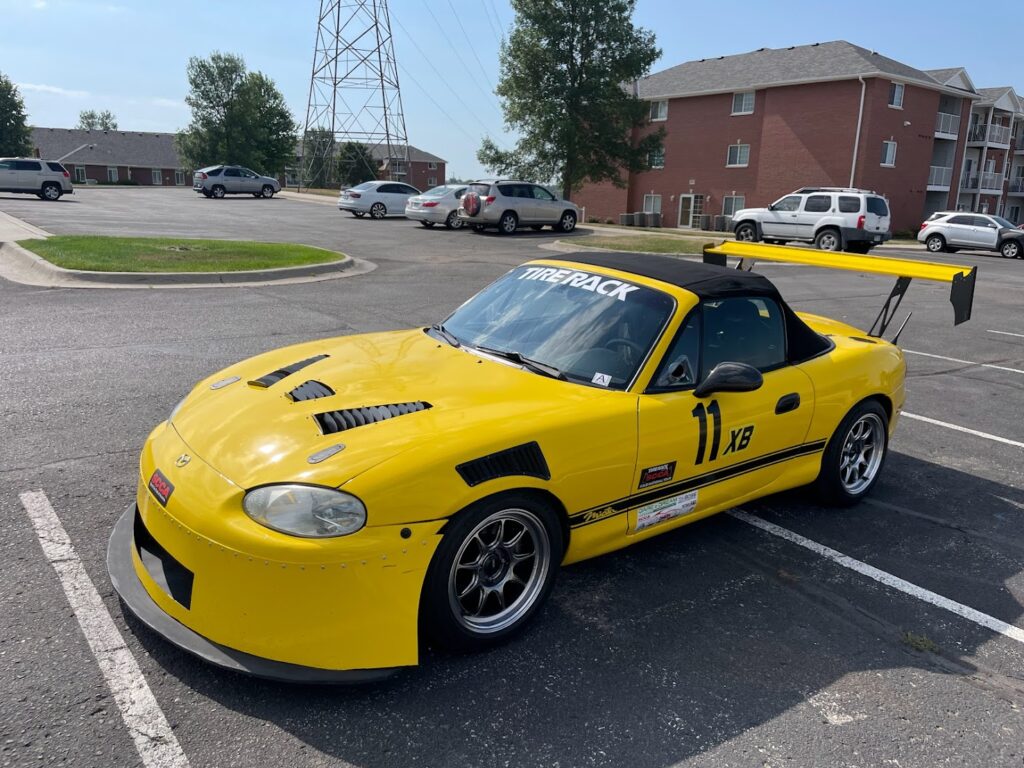
- Soft Top Removal: The permanent removal of the convertible mechanism in favor of a dedicated hardtop, saving approximately 40 pounds.
Collectively, these modifications resulted in a weight reduction of approximately 50 pounds. While seemingly minor, this reduction improves braking distances, corner entry speeds, and overall tire longevity.
Data-Driven Tire Performance and Future Projections
A critical component of the 2023 season was the comparative analysis of tire compounds. The vehicle’s 30-day event calendar provided a wealth of data regarding heat cycles and treadwear:
- Bridgestone RE71-RS: Utilized for 17 autocross events (70+ runs), these tires maintained competitive grip levels throughout the season, proving to be a durable "Super 200TW" option.
- Falken RT660: Logged 8.5 hours of track time across 38 heat cycles. While the tires remained functional, data suggested a slight decline in peak grip after the 30th cycle.
- Continental ExtremeContact Sport: Tested in wet conditions, these tires provided a benchmark for "all-weather" performance, matching the pace of aging endurance tires like the Hankook RS4.
For the 2024 season, the program plans to transition to Yokohama A052s for autocross and Nankang CRS v2s for track use. These selections represent the current "bleeding edge" of street-legal competition tires, aimed at extracting the final tenths of a second from the chassis.
Conclusion and Strategic Implications
The three-year evolution of this NB Miata illustrates the trajectory of modern grassroots motorsport. It is no longer sufficient to simply maintain a vehicle; competitive success requires a holistic approach involving aerodynamics, thermal management, and data analysis. The 2023 season demonstrated that while catastrophic failures (like the April splitter incident) are inevitable, they provide opportunities for engineering improvements.
As the vehicle enters its fourth year, the focus shifts from refinement to power. With the "VVT" engine hybrid nearly complete and the chassis lightened, the owner’s next logical step involves the exploration of forced induction to reach the upper limits of the Time Trials power-to-weight bracket. The journey of this Miata serves as a microcosm of the broader racing community’s resilience, adapting to track closures and mechanical setbacks with a commitment to continuous, data-driven improvement.