Retno Hari Mulyono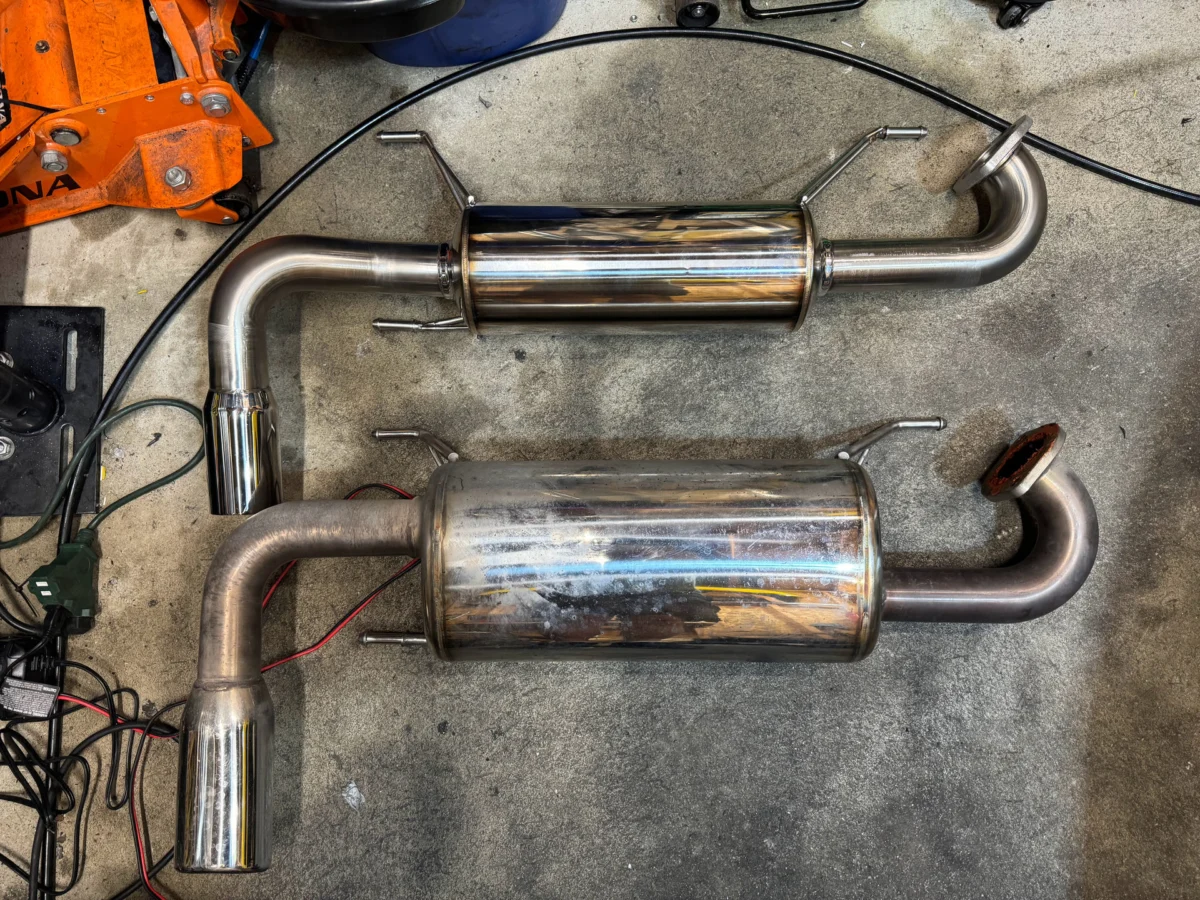
The second-generation Mazda MX-5, known internally as the NB chassis, has long served as a cornerstone of grassroots motorsports due to its balanced handling, mechanical simplicity, and robust aftermarket support. For one dedicated enthusiast entering their fourth year of ownership, the period between March 2024 and February 2025 represented a significant shift from casual track participation to a highly technical, data-driven approach to time trials and vehicle logistics. This annual cycle of development highlights the iterative nature of performance engineering, where mechanical setbacks are met with rigorous troubleshooting and incremental upgrades to both the vehicle and its supporting infrastructure.
Mechanical Engineering and Powerplant Development
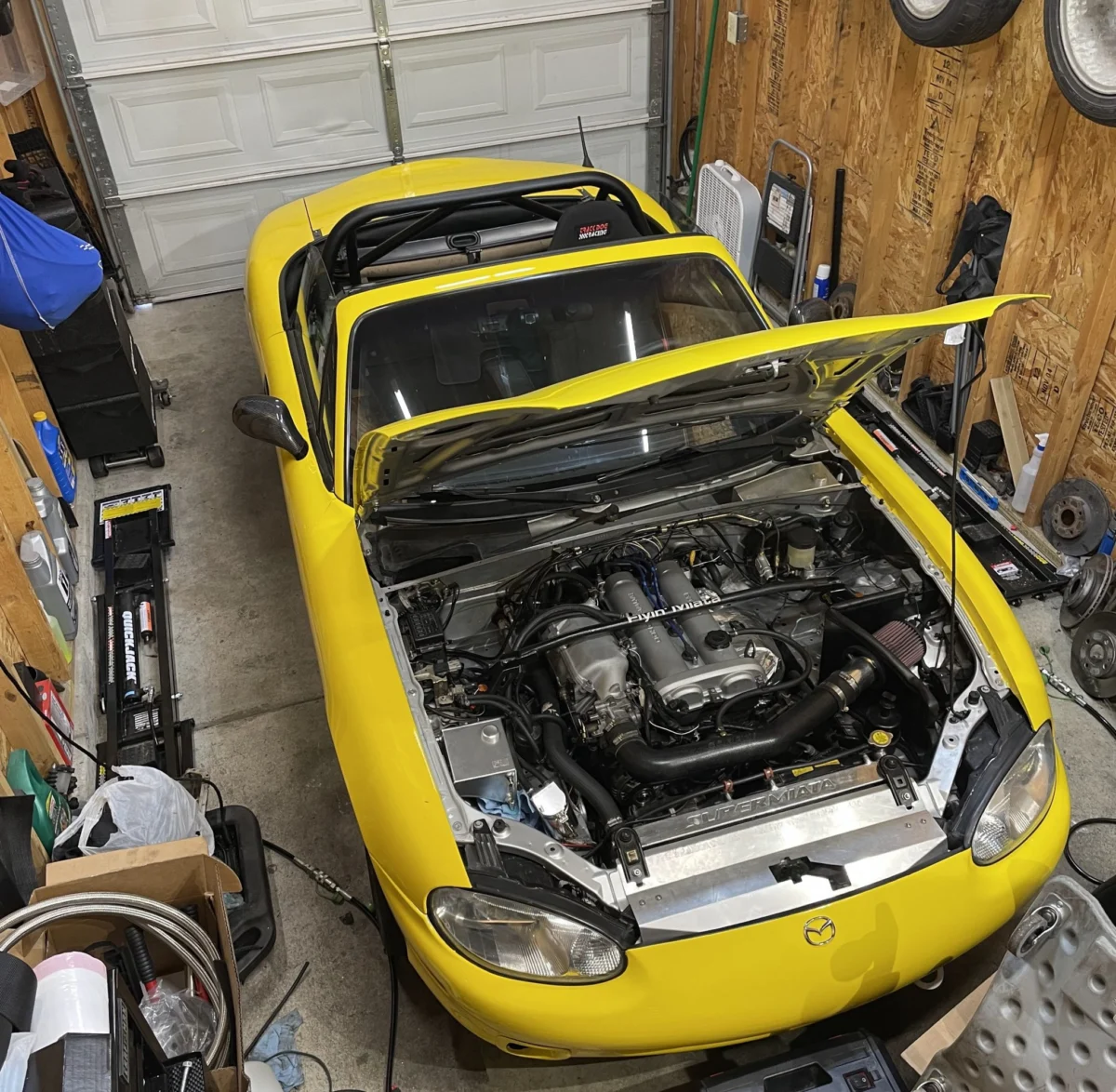
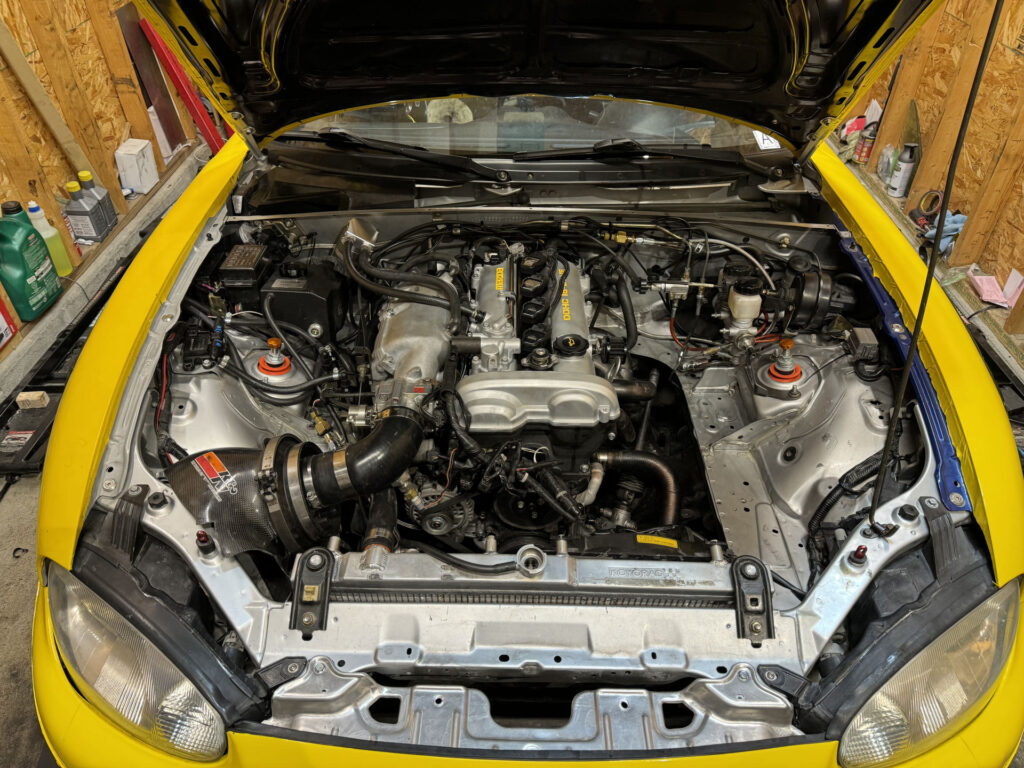
The 2024 season began with an ambitious attempt to modernize the vehicle’s powertrain. In March 2024, the primary objective was the installation of a rebuilt BP6D Variable Valve Timing (VVT) motor, sourced from a later-model NB2 Miata, to replace the original BP4W engine. This swap is a common performance upgrade within the Mazda community, as the VVT system allows for a broader torque curve and improved high-end breathing. During the preparation phase, a comprehensive cylinder head rebuild was conducted after initial testing revealed poor valve sealing. The bottom end of the engine received a "Do-It-Yourself" hone, paired with new Original Equipment Manufacturer (OEM) rings and aftermarket pistons.
To complement the increased power potential, the drivetrain was upgraded from a five-speed to a six-speed manual transmission. However, the limits of DIY engine assembly were reached during an early-season autocross event. Under the stress of continuous near-redline revolutions per minute (RPM), the cooling system experienced a pressure surge that resulted in the failure of a head gasket and the subsequent expulsion of a freeze plug. While the leak was classified as minor, the decision was made to reinstall the original BP4W engine to ensure reliability for the remainder of the competitive season. This mechanical regression underscores the "slippery slope" of engine modification, where small deviations in assembly or component tolerance can lead to significant setbacks in a high-stress racing environment.
Thermal Management and Aerodynamic Efficiency
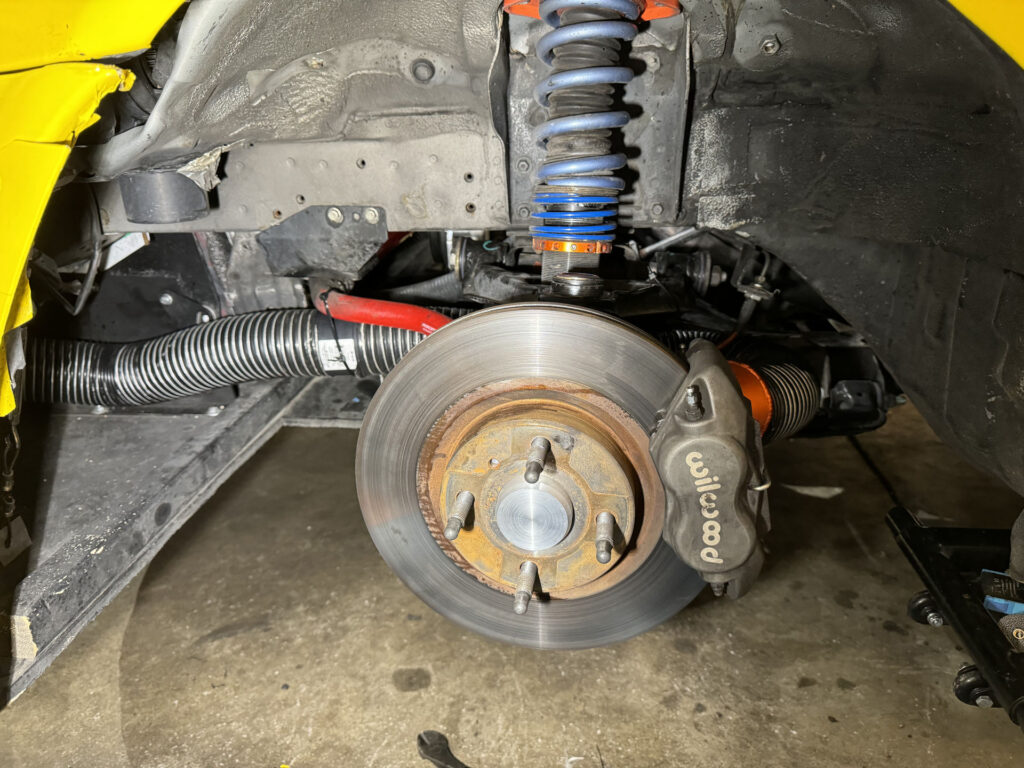
By April 2024, the focus shifted toward thermal management, specifically regarding the braking system. The vehicle utilized a Supermiata BX11 brake kit, which, while capable of providing sufficient stopping power, suffered from accelerated pad wear due to the thin profile of the pads and high operating temperatures. To mitigate this, custom brake cooling ducts were installed. The system utilized a modular two-section hose design with a central coupler, allowing for cost-effective replacement of damaged sections—a frequent occurrence in track environments where debris and tire rub are common.
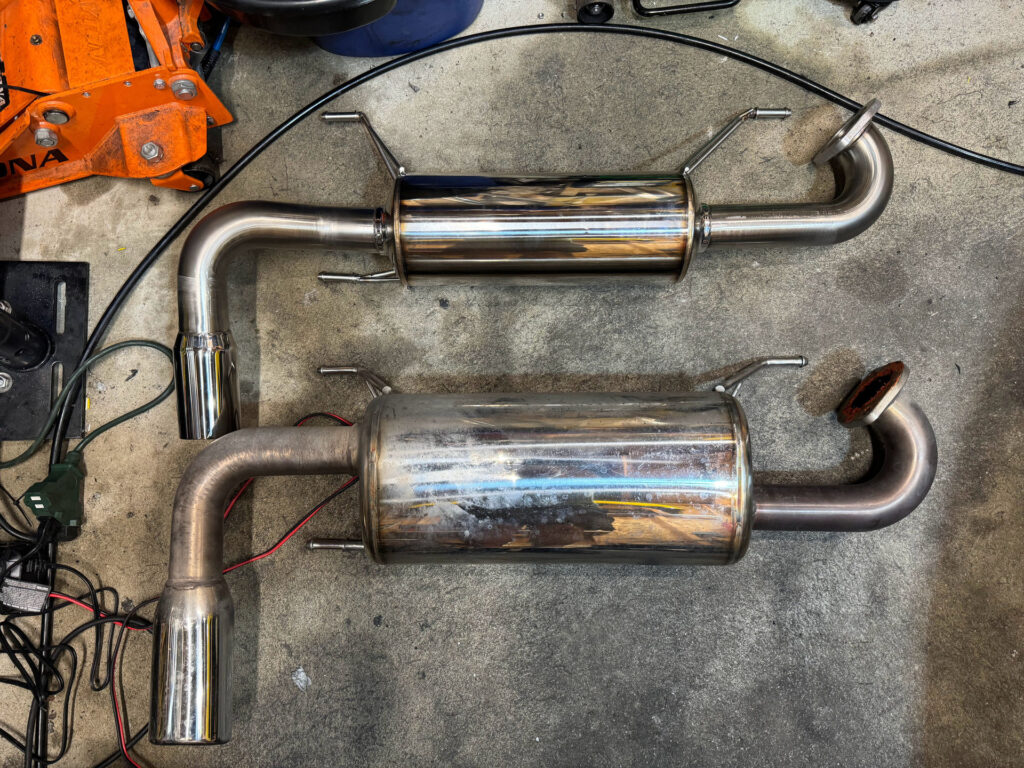
Empirical data collected throughout the season suggested that these cooling ducts approximately doubled the lifespan of the brake pads. This improvement in thermal efficiency not only reduced seasonal maintenance costs but also provided more consistent pedal feel during extended sessions. In May, further modifications were made to the exhaust system to reduce vehicle mass and improve the auditory feedback necessary for high-performance driving. The installation of a Racing Beat Race muffler, integrated with a Raceland header and a resonated midpipe, achieved a balance between weight reduction and noise compliance, ensuring the vehicle remained within the decibel limits enforced at various regional circuits.
Competitive Performance and Track Analysis
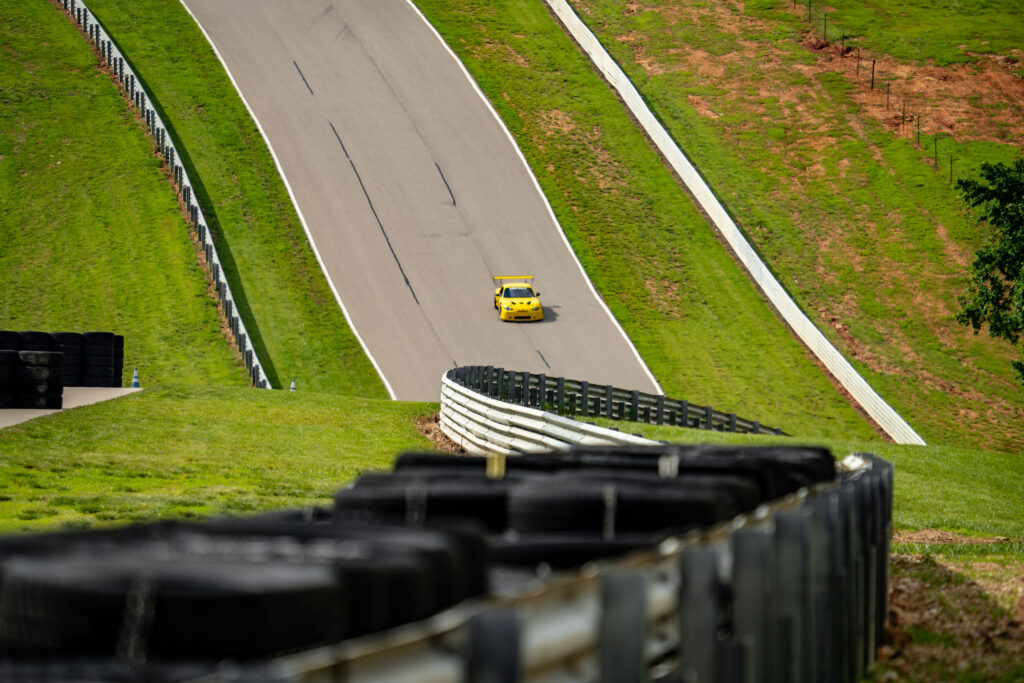
The summer months of 2024 were defined by a rigorous schedule of regional competitions, primarily within the Sports Car Club of America (SCCA) Time Trials series. In June, the vehicle was campaigned at Ozarks International Raceway, a highly technical 3.97-mile circuit known for its dramatic elevation changes and blind corners. The driver reported significant improvements in lap times over the previous year, attributing the gains to increased familiarity with the track’s complex topography.
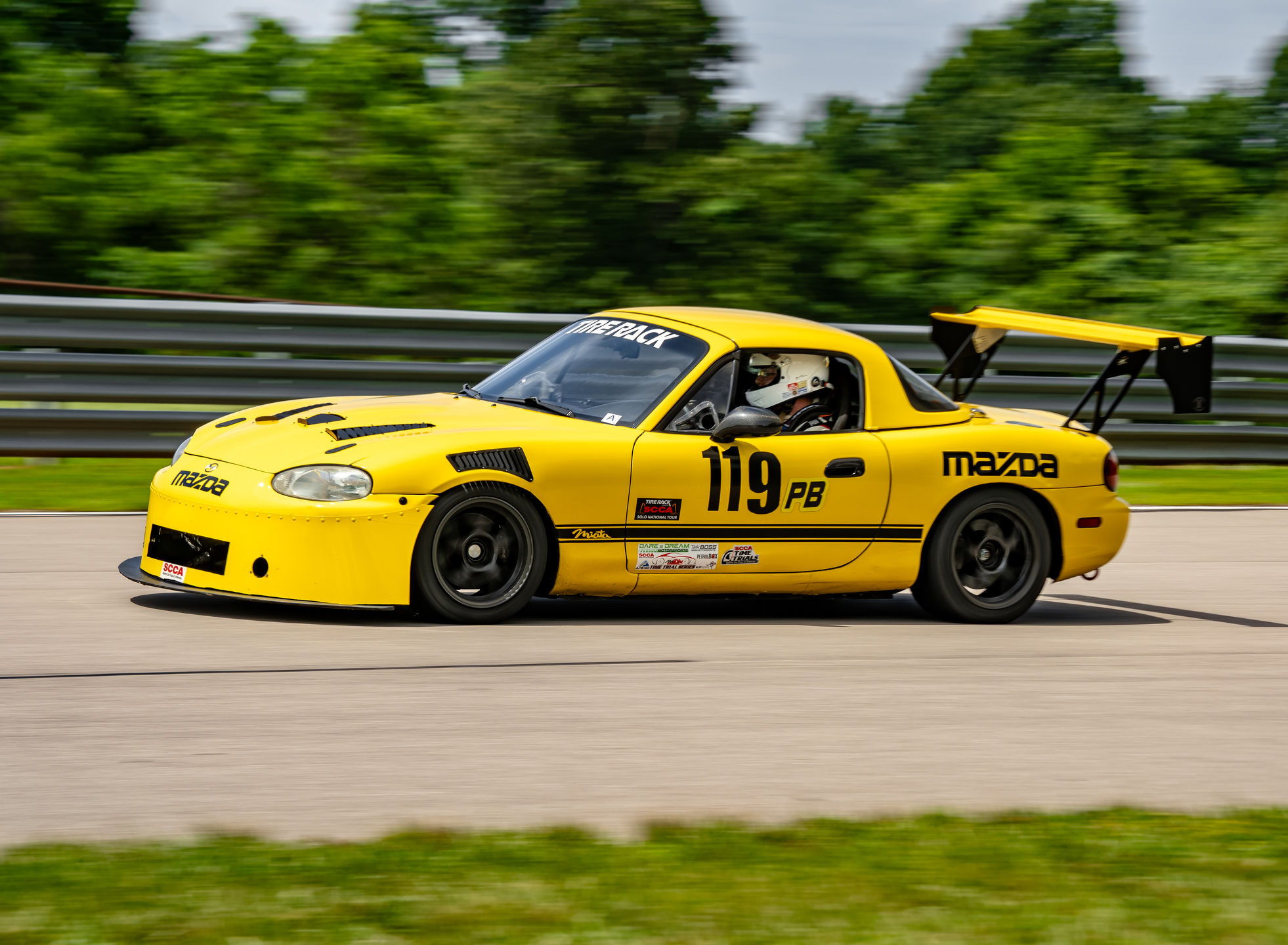
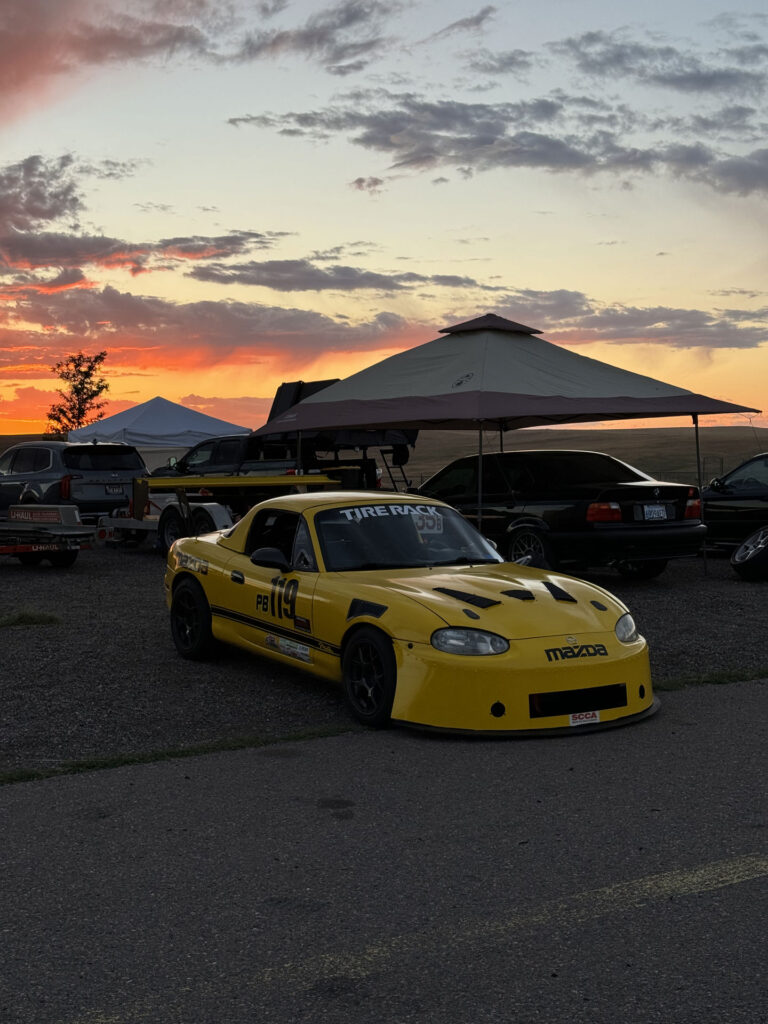
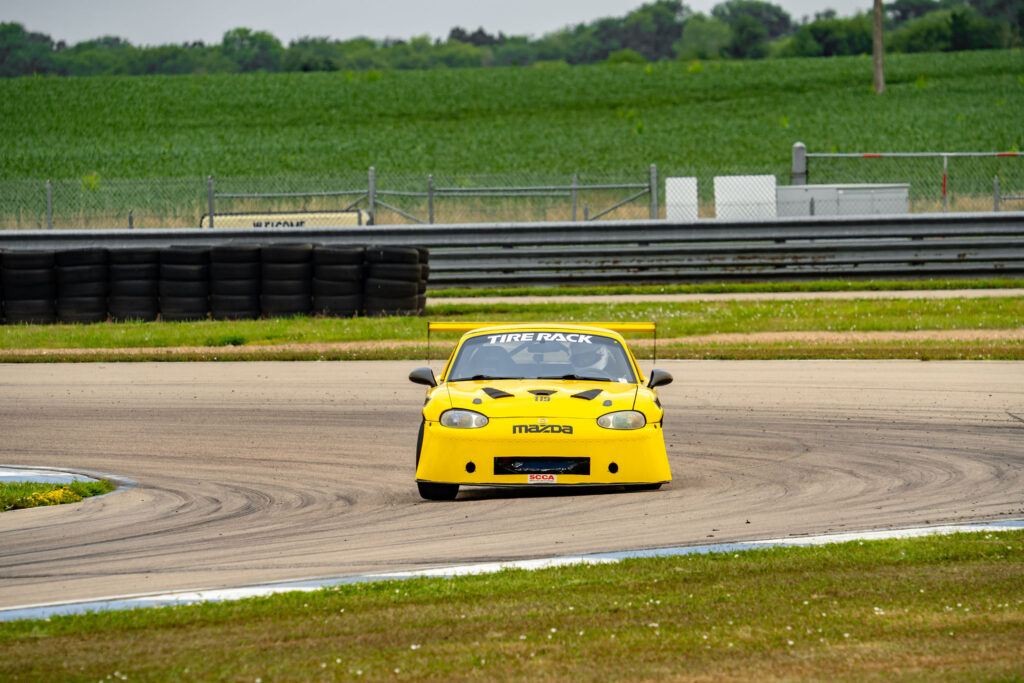
The pinnacle of the season’s competitive performance occurred in August 2024 at Motorsports Park Hastings. During the SCCA Time Trials event, the NB Miata demonstrated exceptional pace, leading every session within its class and outperforming vehicles in higher-tier categories. The fastest recorded lap of 1:39.19 represented a 3.59-second improvement over the previous year’s performance. For context, this time eclipsed the NASA Spec Miata track record of 1:40.415 and the NASA TT6 record of 1:39.625. Such data points indicate that the vehicle’s current setup—balancing weight, grip, and moderate power—places it competitively between the NASA TT6 and TT5 classifications.
However, the season finale at Hallett Motor Racing Circuit in November 2024 highlighted the physical toll that competitive driving takes on consumables. While the driver achieved personal bests in both clockwise and counter-clockwise configurations, the day was marred by rear-wheel lockups. These incidents, caused by worn tires and shifting brake bias under fatigue, resulted in flat-spotted tires that degraded the vehicle’s handling characteristics toward the end of the event.
Logistical Infrastructure and Support Systems
A significant evolution in the 2024-2025 cycle was the transition from "driving to the track" to a fully self-contained trailering and paddock setup. In June 2024, the acquisition of a dedicated tow vehicle allowed for the transportation of the Miata over long distances, such as the 900-mile round trip to High Plains Raceway in July. While the truck experienced minor ignition issues due to oil-fouled spark plugs, the shift to a trailer-based logistics model significantly reduced driver fatigue and provided a safety net for mechanical failures.
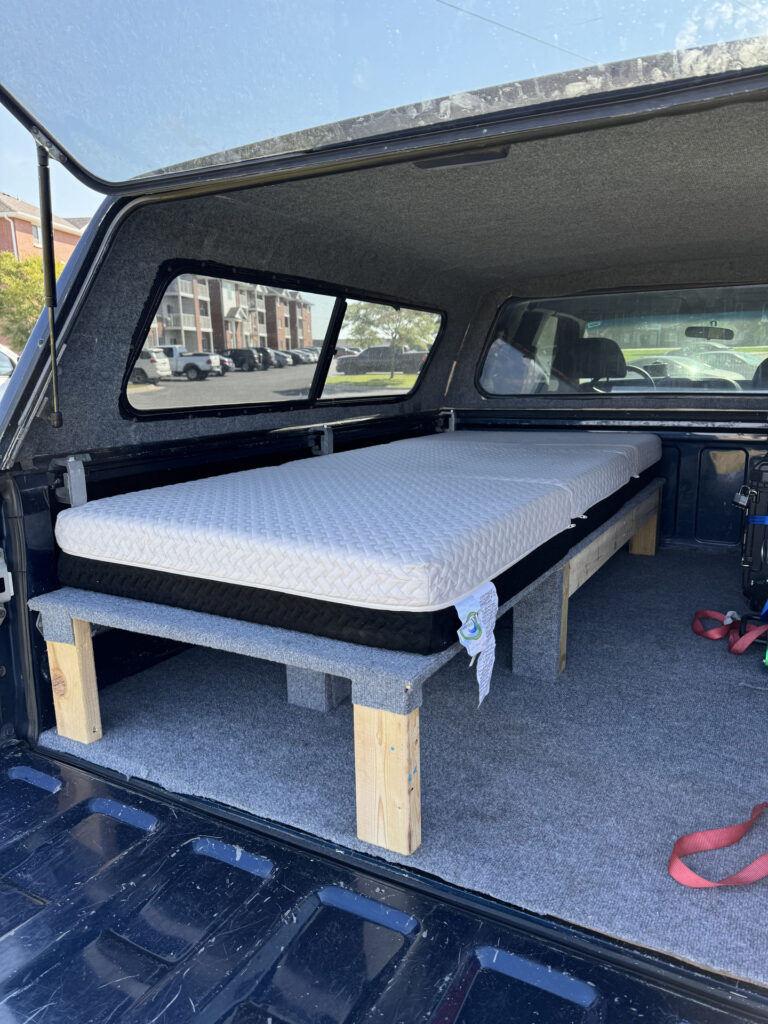
To further optimize the track experience, a comprehensive "truck bed camping" system was developed in September 2024. This included:
- A color-matched camper shell for secure storage.
- A custom-built sleeping platform with a memory foam mattress.
- A MaxxFan Deluxe RV roof vent for climate control.
- Solar panels to maintain auxiliary battery levels for lights and electronics.
By October 2024, the logistics suite was completed with the modification of an 18-foot open car hauler. Enhancements to the trailer included a specialized winch for loading non-running vehicles, a tire rack for spare sets of racing rubber, and upgraded lighting for night operations. A notable engineering challenge involved the trailer’s dovetail angle, which proved too aggressive for the Miata’s low ground clearance and front splitter. This necessitated the use of wooden planks to decrease the approach angle, illustrating the constant need for "field engineering" in the paddock.
Technical Forensics and Future Instrumentation
During the off-season in December 2024, a forensic teardown of the failed VVT motor was conducted. Surprisingly, the inspection revealed no catastrophic failure points in the head gasket or cylinder head surface. However, significant wear was noted on the thrust side of the cylinder walls, suggesting that the bores may have been out-of-round or that the piston-to-wall clearances were suboptimal during the DIY rebuild. This discovery led to a strategic pause on the engine swap, with the reliable BP4W remaining the primary powerplant for the upcoming 2025 season.
Despite the engine setback, development continued with the installation of a Skunk2 intake manifold in January 2025. This component is designed to improve high-RPM airflow, potentially yielding a 1-4 horsepower gain at the top of the power curve. Given that track-driven Miatas spend the majority of their operational life above 5,000 RPM, even marginal gains in top-end breathing can result in improved lap times.
The final major upgrade of the year, implemented in February 2025, was the integration of a GMRS (General Mobile Radio Service) communication system. Utilizing Baofeng UV-5R radios and a NASCAR-style wiring harness adapted for IMSA connectors, the system allows for real-time communication between the driver and pit crew. In the context of time trials, where split-second gaps determine podium finishes, the ability to receive live timing data from the pits is a critical tactical advantage.
Conclusion and Seasonal Summary
The fourth year of NB Miata ownership resulted in a total of 392 laps and 12.1 hours of track time across 16 separate days. Cumulative data from the vehicle’s Garmin Catalyst instrumentation now shows over 1,023 laps and 34.6 hours of high-speed operation. The transition away from autocross—a discipline the owner cited as offering too little driving time relative to the logistical effort—marks a full commitment to road course competition.
The evolution of this vehicle from a street-legal sports car to a dedicated, trailer-towed time trials machine reflects the broader trajectory of many grassroots racers. Through a combination of mechanical trial-and-error, logistical investment, and data-driven performance analysis, the NB Miata continues to prove its relevance in the modern motorsports landscape. As the 2025 season approaches, the focus remains on extracting maximum performance from a refined chassis, proving that in the world of racing, consistency and incremental development are often more valuable than raw horsepower.