Cecilia Chamidah Nur
The retro gaming community witnessed a confluence of significant developments this past week, ranging from a monumental fan-made game remake reaching completion after nearly two decades, to new hardware releases, crucial updates on beloved franchises, and a contentious debate surrounding artificial intelligence in game development. These events underscore the vibrant dynamism of the retro sector, where nostalgia intertwines with modern innovation and persistent community efforts.
The Culmination of a Nearly Two-Decade Endeavor: EarthBound Beginnings Remake Released
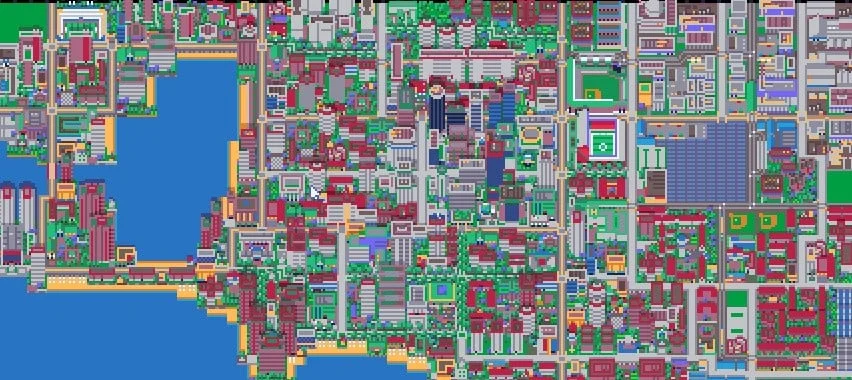
One of the most anticipated and long-gestating fan projects in retro gaming history has finally seen the light of day. After an astounding "nineteen-ish years of development," the EarthBound Beginnings Remake is now available for download as a ROM hack for the Super Nintendo Entertainment System (SNES) title EarthBound. This release, initially highlighted by GBA Temp, represents a monumental achievement in fan dedication and technical prowess, effectively porting and reimagining the original 8-bit Mother (known as EarthBound Beginnings in the West) into the more graphically sophisticated and narratively rich style of its 16-bit sequel.
The Mother series, particularly the first installment, holds a unique and revered place in video game history. Originally released in Japan for the Famicom in 1989, Mother was never officially localized for Western audiences until its digital release on the Wii U Virtual Console in 2015 under the title EarthBound Beginnings. Despite its delayed international debut, the game garnered a dedicated cult following, largely due to the immense popularity of its SNES sequel, EarthBound (known as Mother 2 in Japan). Fans have long yearned for a version of the original game that could be experienced with the visual and gameplay refinements introduced in its successor, making this ROM hack a dream realized for many.
The project’s extensive timeline speaks volumes about the challenges and commitment involved. While the current iteration, led by ROM hacker Gabbls, has been actively in development since 2021, its roots trace back significantly further. The concept and initial efforts for such a remake reportedly began as early as 2007, with a separate but related project emerging around 2012. This layered history of development, spanning multiple teams and iterations over nearly two decades, highlights the sheer passion and collaborative spirit within the ROM hacking community. The technical undertaking involved not just recreating assets and translating scripts, but deeply understanding and manipulating the SNES EarthBound engine to accommodate an entirely different game’s structure and narrative. Its release is not merely a new way to play an old game, but a significant act of digital preservation and community-driven content creation that challenges conventional notions of intellectual property and game development. The implications extend to how fan communities can sustain and eventually deliver projects of this magnitude, offering new life to classic titles that might otherwise remain inaccessible or visually dated for modern audiences.
Hardware Innovations: Super Pocket Rare Edition and Commodore’s Unexpected Turn
The handheld retro gaming market continues its vigorous expansion, marked this week by a significant new entry and a surprising pivot from a legendary brand. The HyperMegaTech Super Pocket handheld range, already a robust platform with numerous special editions, welcomed the Super Pocket Rare Edition, a device that has generated considerable excitement.
The Super Pocket, part of the Evercade ecosystem, distinguishes itself through its affordability and compatibility with Evercade’s extensive library of physical game cartridges. This modular approach allows users to expand their game collection beyond the pre-installed titles, offering a blend of fixed and expandable gaming experiences. Previous collaborations have seen editions themed around Atari, Taito, Capcom, Data East, and SNK, each offering a curated selection of classic games tailored to the respective publisher.
The announcement of a partnership with legendary British studio Rare, however, sent "shockwaves through the retro gaming world." Rare, a developer synonymous with iconic titles across multiple generations, particularly on Nintendo platforms, brought immense pedigree to the Super Pocket line. The standout feature of this edition is the pre-installation of the seminal Nintendo 64 3D platformer, Banjo-Kazooie. Released in 1998, Banjo-Kazooie is widely regarded as one of the finest games of its era, praised for its innovative level design, charming characters, intricate puzzles, and fluid gameplay. Its inclusion alone elevates the Rare Edition to a must-buy status for many enthusiasts, especially at its competitive price point of £50. Early reviews confirm its success, with the device being hailed as a "rousing success" and potentially "one of the best entries in the Super Pocket family thus far." This strategic release not only capitalizes on Rare’s enduring legacy but also reinforces the Super Pocket’s position as a premier, accessible retro handheld.
In a contrasting move, Commodore International, the revived computing giant, unveiled its next hardware release, the Callback 8020. This announcement follows CEO Christian Simpson’s earlier statements in August 2025, emphasizing that the company "cannot survive solely on nostalgia" and needed to innovate beyond its C64 roots. However, the Callback 8020 is a flip phone, a stark departure from its historical computing products and a clear embrace of "Y2K vibes" and pre-smartphone aesthetics. While not based on a pre-existing Commodore product, its design ethos leans heavily into a nostalgic period, albeit one distinct from the brand’s golden age.
The Callback 8020’s unveiling quickly sparked debate, necessitating a defense from Commodore regarding its positioning and pricing, reported to be around $500. This move suggests a strategy to tap into the burgeoning "dumbphone" trend, where consumers seek simpler devices for digital detox or as secondary phones, valuing minimalist functionality over smartphone complexities. For Commodore, this represents a bold, if controversial, attempt to re-establish itself in the hardware market by diversifying its product line. It signals a willingness to experiment beyond direct retro-computing remakes, even if the "dumbphone" aesthetic still evokes a sense of bygone eras. The success of this venture will largely depend on whether a market exists for a premium-priced, retro-styled flip phone carrying the Commodore brand, and how well it resonates with both tech enthusiasts and nostalgia seekers.
Industry Trends: Composer Departures, AI Controversies, and Creative Freedoms

The retro gaming landscape is not just about old games and new hardware; it’s also a crucible for contemporary industry debates, creative evolutions, and the celebration of artistic legacies. This week brought news concerning the musical direction of a major franchise, a significant controversy over AI in game development, and reflections on historical creative freedoms.
Stewart Copeland, the renowned drummer of the iconic band The Police, confirmed in an interview with The Independent (as reported by Game Informer) that he will not be involved with the upcoming Spyro: A Realm Beyond. Copeland’s association with the Spyro the Dragon series is deeply ingrained in its identity, particularly his distinctive musical compositions for many of the original PlayStation games. His scores were integral to establishing the whimsical, adventurous, and often ethereal atmosphere that defined Spyro’s early adventures. While other composers have contributed to the series over the years, Copeland’s early work remains a benchmark. His non-involvement in the latest installment raises questions about the game’s potential sonic direction and how it might diverge from the established auditory signature that fans have cherished for decades. This decision highlights the delicate balance between evolving a franchise and preserving its core identity, particularly in crucial elements like its musical score.
Meanwhile, the ongoing debate surrounding artificial intelligence in creative industries found a new flashpoint in the retro gaming sphere. Barely Making Games, the developer behind Retro Rail Go!, an upcoming Steam "tribute" to the classic Japanese train simulator Densha De Go!, admitted to using AI in its development. This admission came after the project faced a "torrent of negative feedback on social media," with users accusing the game of being a "rip-off" and actively campaigning for its removal from Steam. The developer’s consideration of halting the project altogether due to "online hate & accusations" underscores the intense scrutiny and ethical concerns currently surrounding AI-generated content in video games.
The controversy reflects broader industry tensions regarding originality, intellectual property, and fair compensation for human artists, particularly when AI tools are perceived to mimic or appropriate existing styles and assets. Gamers and developers alike are grappling with how to define "tribute" versus "rip-off" in the age of generative AI, and what standards platforms like Steam should enforce. This incident serves as a stark reminder of the challenges and reputational risks associated with AI adoption without clear guidelines or transparent communication within the game development community.
Shifting to a more retrospective analysis of creative freedom, Time Extension’s Jack Yarwood offered a feature reflecting on Fleetway’s Sonic the Comic. Titled "You’d Never Be Allowed This Kind Of Freedom Nowadays," the piece commemorates Sonic the Hedgehog’s 35th anniversary by exploring the unique and often unconventional approach taken by the UK comic series. Sonic the Comic, which ran from 1993 to 2002, developed its own rich lore and character interpretations, often diverging significantly from the game canon. This creative autonomy allowed writers and artists to craft compelling storylines and expand the Sonic universe in ways that would likely be constrained by stricter corporate oversight in today’s highly managed intellectual property landscape. Yarwood’s reflection, based on interviews with individuals involved in the comic’s creation, highlights a bygone era where licensed properties often afforded creators more latitude, shaping a generation of fans through its distinctive narrative voice.
Celebrating Milestones: Bitmap Bureau’s Decade of 2D Excellence
The UK studio Bitmap Bureau is celebrating a significant milestone in 2026: a decade in the business. Known for its dedication to high-quality 2D indie gaming, the studio has consistently delivered titles that pay homage to classic arcade and console experiences while offering modern refinements. This anniversary year finds Bitmap Bureau fresh off the success of Terminator 2D: No Fate, a game that reimagined the iconic sci-fi franchise in a retro-inspired side-scrolling format, and actively preparing for the release of He-Man: Dragon Pearl of Destruction.
Bitmap Bureau’s portfolio showcases a commitment to action-packed, pixel-art aesthetics, often characterized by challenging gameplay and intricate level design. Their most famous title, Xeno Crisis, a top-down arena shooter, garnered critical acclaim for its intense action, precise controls, and nostalgic feel upon its initial release. To mark the studio’s tenth birthday and Xeno Crisis‘s enduring popularity, the game is receiving new physical releases on modern platforms including Nintendo Switch, PlayStation, and Xbox, ensuring its accessibility to a wider audience and solidifying its status as a contemporary retro classic.
An interview with Bitmap Bureau co-founder and design director Mike Tucker provided insights into the studio’s journey, creative philosophy, and future aspirations. Tucker’s reflections likely touched upon the evolution of the indie game scene over the past decade, the challenges and rewards of specializing in 2D development, and the studio’s vision for continuing to deliver compelling retro-inspired experiences. Their consistent output of well-regarded titles like Xeno Crisis, Terminator 2D: No Fate, and the anticipation for He-Man: Dragon Pearl of Destruction firmly positions Bitmap Bureau at the "apex of 2D indie gaming," demonstrating that classic genres, when executed with passion and precision, continue to resonate deeply with players.
Career Opportunity at Time Extension
Finally, for those passionate about the retro gaming landscape, Time Extension announced an opening for a talented and knowledgeable UK-based News Editor. This role is crucial for keeping readers informed on the "latest announcements and breaking stories in classic gaming," involving comprehensive coverage of news from across the retro gaming world. The expansion of the editorial team underscores Time Extension’s commitment to delivering timely, in-depth, and engaging content to its growing readership, further cementing its position as a leading voice in retro gaming journalism. Interested applicants are directed to the provided application portal for more details.
This past week has been a microcosm of the retro gaming world’s multifaceted appeal: a celebration of community-driven passion, a showcase of innovative hardware, a stage for crucial industry debates, and a reaffirmation of enduring creative legacies. The dynamic interplay between past and present continues to define and enrich this vibrant segment of the video game industry.