Cecilia Chamidah Nur
A significant new venture into the storied universe of Capcom’s iconic blue bomber, Mega Man, has been officially unveiled: Mega Man: Bot in the Family, a comprehensive collection of official comic strips spearheaded by Matthew Taranto, the acclaimed creator behind the Super Smash Bros.-inspired webcomic Brawl in the Family. This forthcoming hardcover anthology, published by NF Publishing and bearing the official Capcom license, promises to offer a fresh yet reverent take on the beloved robot hero, with an explicit commitment to being "drawn by a human" in an era increasingly grappling with generative AI.
Unveiling the Project: A New Era for Mega Man Comics
The initial public announcement for Mega Man: Bot in the Family transpired yesterday across various social media platforms, generating immediate buzz within the gaming and comic communities. Matthew Taranto personally confirmed via his X (formerly Twitter) account that the project is an officially licensed Capcom product, underscoring its authenticity and direct connection to the venerable video game franchise. This collaboration signals Capcom’s continued interest in diversifying the Mega Man intellectual property beyond its gaming roots, tapping into established creative talent known for their deep understanding of gaming culture.
Pitched as a substantial 200-plus page hardcover volume, the collection aims to chronicle an impressive "forty years of Mega Man," a thematic scope that suggests a comprehensive exploration of the character’s universe. A key structural element highlighted is the dedication of "one chapter devoted to each mainline game in the Classic series." This episodic approach, likely presented through interconnected comic strips, offers a unique narrative framework for revisiting the foundational adventures of Mega Man, from his initial battles against Dr. Wily to his evolving heroic journey. The project is slated for a Kickstarter launch on August 4, 2026, a notably forward-dated announcement that points to a meticulously planned rollout and a strategy aimed at building anticipation and community engagement over an extended period.
The Creative Force: Matthew Taranto and the Legacy of Brawl in the Family
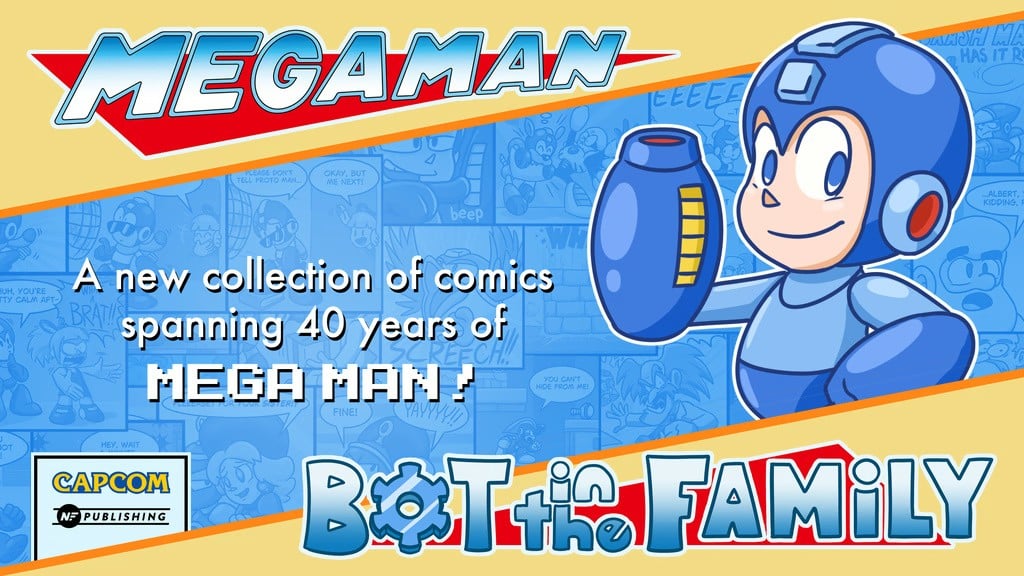
At the heart of Mega Man: Bot in the Family is Matthew Taranto, an artist and writer celebrated for his distinct comedic voice and profound appreciation for video game lore. Taranto rose to prominence through his highly popular webcomic, Brawl in the Family, which ran from 2008 to 2014. This webcomic gained a significant following for its humorous and often heartwarming takes on characters from Nintendo’s Super Smash Bros. universe. Taranto’s work on Brawl in the Family demonstrated his ability to distill the essence of iconic gaming characters, crafting scenarios that resonated with long-time fans while also being accessible to newcomers. His strips frequently explored character relationships, poked fun at game mechanics, and occasionally delved into more emotional narratives, all delivered with a clean, expressive art style.
The transition from Super Smash Bros. to Mega Man is a natural fit for Taranto. Both franchises feature ensemble casts of characters with distinct personalities and rich histories. Taranto’s proven track record of injecting humor and heart into established gaming universes suggests he is uniquely positioned to bring a fresh perspective to Mega Man. The publisher’s Kickstarter description explicitly states, "Matthew Taranto (of gaming webcomic Brawl in the Family) has been cooking up a smorgasbord of Mega Man-centric comic strips aimed to delight, amuse, and perhaps even touch your heart?" This phrasing directly echoes the emotional range and comedic sensibility that characterized his previous work, promising a collection that goes beyond mere gags to offer genuine insight into the world of Mega Man.
The comparison drawn by NF Publishing to "hardbound volumes of Calvin & Hobbes" is particularly telling. This analogy suggests that Mega Man: Bot in the Family will be more than a conventional comic book; it implies a collection of individual, self-contained strips that collectively build a larger narrative or thematic experience, much like Bill Watterson’s beloved newspaper strip. This format allows for flexibility in storytelling, catering to both quick reads and deeper thematic explorations, and positions the project as a substantial, enduring artifact for fans.
The "Drawn by a Human" Imperative: A Stand Against AI Art
One of the most salient and intentionally highlighted features of Mega Man: Bot in the Family is the emphatic declaration that every strip is "drawn by a full human." This statement, prominently featured in the initial announcement and Kickstarter description, is a direct and powerful response to the ongoing discourse and controversies surrounding the use of generative artificial intelligence in creative fields, particularly in illustration and comics.
In recent years, the rapid advancement of AI art generators has sparked widespread debate within the artistic community. Many artists express concerns about intellectual property theft, as AI models are often trained on vast datasets of existing human-created art without explicit consent or compensation. There are also ethical considerations regarding job displacement and the perceived devaluation of human creativity. As AI-generated art becomes more sophisticated, distinguishing it from human-made work can be challenging, leading to a climate of distrust and a demand for transparency.

By explicitly stating that Mega Man: Bot in the Family is "drawn by a human," NF Publishing and Matthew Taranto are making a clear ethical and artistic stance. This serves multiple purposes:
- Reassurance to the Audience: It assures potential backers and readers that their investment supports human artistry and the traditional creative process, a value proposition that resonates strongly with many consumers who prioritize ethical production.
- Marketing Differentiator: In a crowded market, highlighting human craftsmanship becomes a unique selling point, appealing to those who view AI art with skepticism or outright opposition.
- Support for Artists: It implicitly aligns the project with the broader movement advocating for the protection of human artists’ livelihoods and creative rights.
- Preservation of Craft: It emphasizes the unique skill, intentionality, and nuanced expression that only human artists can bring to their work, contrasting it with the often soulless or derivative output of AI.
This deliberate choice positions Mega Man: Bot in the Family not just as a comic collection, but as a statement on the value of human creativity in the digital age, a stance likely to be applauded by a significant segment of the target audience.
The Kickstarter Strategy and Future Timeline
The decision to launch Mega Man: Bot in the Family through Kickstarter on August 4, 2026, is a strategic move that reflects modern publishing trends and the unique dynamics of crowdfunding. An announcement more than two years in advance of the campaign launch is unusual but serves several potential purposes:
- Early Hype Generation: It allows ample time to build anticipation, generate organic discussion, and cultivate a dedicated following well before the campaign goes live. This long lead time can be crucial for maximizing initial funding momentum.
- Gauge Interest and Feedback: The period between announcement and launch can be used to gauge community interest, gather preliminary feedback, and potentially refine aspects of the project or stretch goals based on fan input.
- Development Time: A 200-plus page hardcover comic collection, especially one with a chapter dedicated to each mainline game and promising full color, requires extensive artistic and writing effort. The long timeline allows Matthew Taranto sufficient time to produce high-quality content without undue pressure.
- Community Building: Encouraging potential backers to "sign up for notifications today" is a standard Kickstarter tactic designed to build an email list of highly engaged individuals. This "first group alerted" strategy is critical for driving a strong launch day performance, which algorithms often favor, leading to greater visibility.
Kickstarter has become a favored platform for creators, especially those with established fanbases or projects tied to popular intellectual properties. It offers direct engagement with the audience, allows creators to retain more control over their work, and can fund projects that might not fit traditional publishing models due or whose niche appeal might be underestimated by large publishers. For Mega Man: Bot in the Family, it provides a mechanism to directly connect with the passionate Mega Man and Matthew Taranto fanbases, leveraging their enthusiasm to bring the ambitious project to fruition.
A Rich History in Print: Mega Man’s Comic Legacy
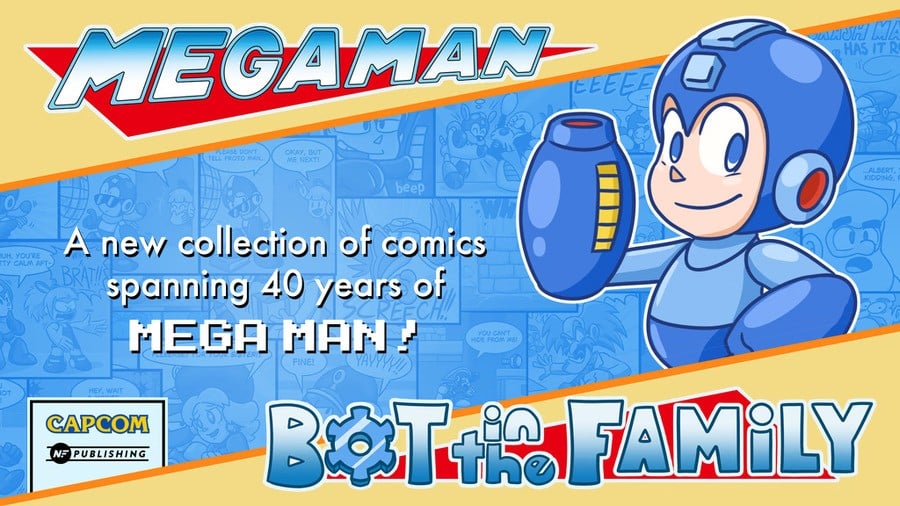
Mega Man is far from a stranger to the comic medium. The character’s global appeal and rich narrative potential have inspired numerous adaptations across various print formats over the decades, making Mega Man: Bot in the Family the latest chapter in a long and diverse comic history.
Perhaps the most prominent recent example in the West was the Archie Comics series, which ran from 2011 to 2015. This critically acclaimed series, penned by veteran Sonic the Hedgehog writer Ian Flynn, was lauded for its faithful adaptation of the game’s lore, its dynamic artwork, and its ability to weave together elements from different Mega Man sub-series. The Archie Comics run was particularly innovative in its "Worlds Collide" and "Worlds Unite" crossovers with the Sonic the Hedgehog comic universe, creating massive events that captivated fans of both franchises. Despite its popularity and consistent sales, the series was ultimately cancelled due to declining comic sales across the industry and internal restructuring at Archie Comics, leaving many storylines unresolved and fans disappointed. Its legacy, however, remains significant, demonstrating the enduring appetite for well-crafted Mega Man comic narratives.
Prior to and concurrently with Archie’s efforts, Udon Entertainment also played a crucial role in bringing Mega Man to the comic and art book sphere. Udon is well-known for its high-quality art books and manga-style adaptations of various video game franchises. They have published several Mega Man collections, including reprints of classic Japanese manga, original graphic novels, and comprehensive art books that showcase character designs and concept art from the games. Udon’s approach often emphasized visual fidelity to the original game aesthetics, appealing to fans who appreciated the intricate designs and vibrant world of Mega Man.
Beyond these Western efforts, Mega Man has a deep history in Japanese manga. Numerous manga series and one-shots have been published over the years, often adapting specific game storylines or exploring original comedic or dramatic scenarios. These manga series, some dating back to the early days of the franchise, offered different interpretations of Mega Man’s character and adventures, from lighthearted school-life comedies to more action-oriented sagas. This extensive history underscores the character’s versatility and adaptability across different storytelling formats and cultural contexts.
Mega Man: Bot in the Family will carve its own niche within this rich tapestry. Unlike the traditional comic book arcs of Archie or the manga adaptations, Taranto’s strip-based approach, reminiscent of Calvin & Hobbes, promises a different rhythm and comedic timing, offering a fresh artistic interpretation while honoring the franchise’s deep lore.
Broader Implications for the Mega Man Franchise
The announcement of Mega Man: Bot in the Family carries several broader implications for the Mega Man franchise and its future trajectory:
- IP Revitalization and Diversification: While Capcom has released new games like Mega Man 11 (2018) and various legacy collections, a major, officially licensed comic project suggests a renewed and diversified strategy for engaging with the IP. It indicates that Capcom sees value in expanding the brand into complementary media, catering to different fan segments and potentially attracting new audiences who might be more familiar with webcomics or graphic novels.
- Fan Engagement and Nostalgia: The focus on the "Classic series" and the "forty years of Mega Man" tagline directly taps into the deep well of nostalgia held by long-time fans. Projects that revisit foundational elements of a franchise often generate significant enthusiasm, especially when helmed by creators who understand and respect the source material.
- Pioneering Creator-Led IP Adaptations: This project highlights a growing trend where established creators with distinct voices are entrusted with adapting major video game IPs. By partnering with Matthew Taranto, Capcom is embracing a creator-driven approach that can bring unique artistic vision and humor to a beloved property, potentially setting a precedent for future collaborations.
- The Future of Human Art in Gaming Media: The explicit "drawn by a human" statement positions this project as a touchstone in the ongoing debate about AI in art. Should Mega Man: Bot in the Family achieve significant success, it could reinforce the market demand for human-created content and encourage other publishers and creators to similarly emphasize authentic artistry.
As the August 4, 2026, Kickstarter launch approaches, fans of the blue bomber and Matthew Taranto’s distinctive style will undoubtedly be watching with keen interest. Mega Man: Bot in the Family represents a compelling blend of classic gaming heritage, contemporary webcomic sensibilities, and a principled stance on artistic integrity, poised to become a significant entry in the expansive narrative of Mega Man.