Hartono Sudibyo
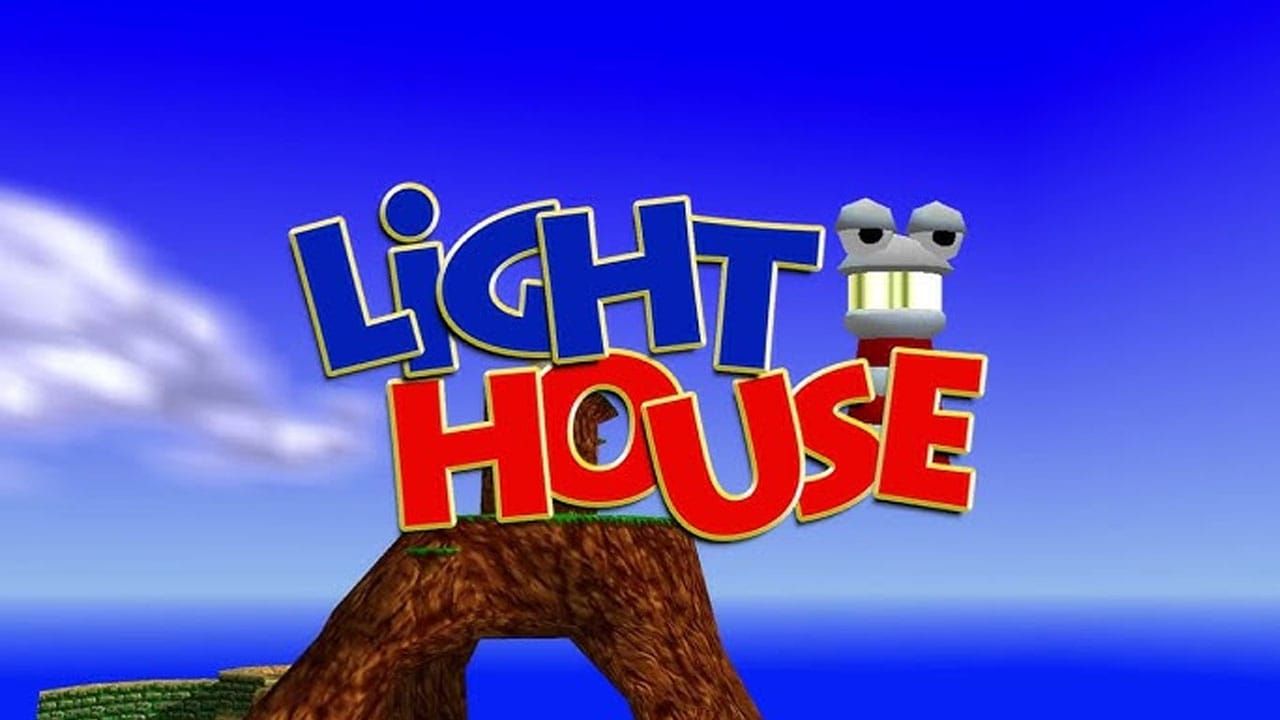
The burgeoning scene of unofficial PC ports for beloved retro console titles has a new, highly anticipated addition: "Light House," an open-source port of Rare’s iconic Nintendo 64 platformer, Banjo-Kazooie. Developed by the acclaimed Harbour Masters team, known for their groundbreaking work on the "Ship Of Harkinian" project – an open-source port of The Legend of Zelda: Ocarina of Time – "Light House" promises to bring the whimsical world of Banjo and Kazooie to modern PCs with a suite of enhancements and features. The project is slated for a July 2026 release, marking another significant milestone for the dedicated community of reverse engineers and game preservationists.
A Legacy of Innovation: Harbour Masters’ Track Record
Harbour Masters, formerly known as "Harbour Masters 64," has established a formidable reputation within the retro gaming community for their ambitious and high-quality PC port projects. Their previous endeavors include successful ports of Star Fox 64, Super Mario Kart, The Legend of Zelda: Majora’s Mask, and Super Mario 64. The team’s decision to expand their focus beyond the Nintendo 64, as indicated by their name change and initial pronouncements about GameCube titles, had raised questions about their continued commitment to N64 classics. However, the announcement and subsequent preview of "Light House" unequivocally demonstrate their enduring dedication to preserving and enhancing the N64 library for a new generation of players.
The "Ship Of Harkinian" project, a port of Ocarina of Time, garnered significant attention for its open-source nature, allowing for community contributions and extensive modding capabilities. This philosophy of openness and community involvement is a hallmark of Harbour Masters’ work and is expected to be a cornerstone of the "Light House" project. By making the source code publicly available, they foster an environment where enthusiasts can contribute to bug fixes, performance optimizations, and the development of new features, ensuring the longevity and adaptability of the port.
"Light House": More Than Just a Port
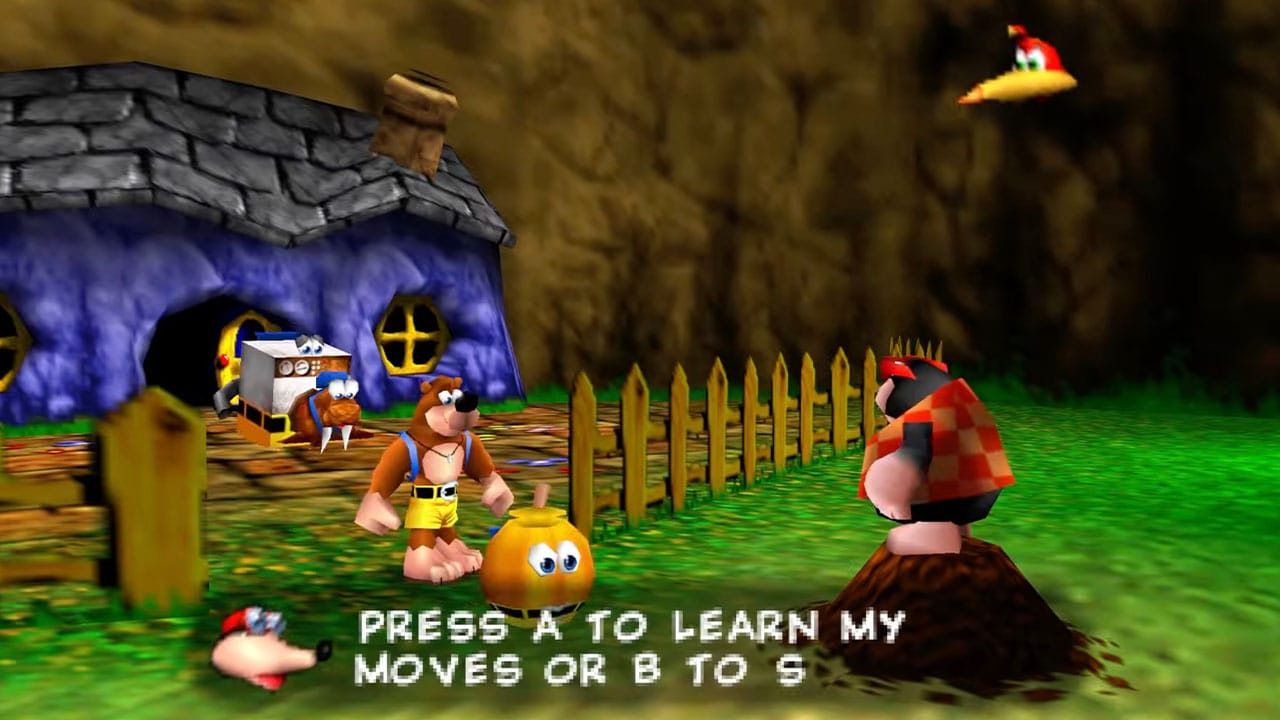
"Light House" is not merely a direct translation of the original Banjo-Kazooie to the PC. The project integrates a wealth of enhancements and features that significantly elevate the gameplay experience. Early previews and developer insights reveal a project that goes above and beyond, incorporating elements that players have only dreamed of.
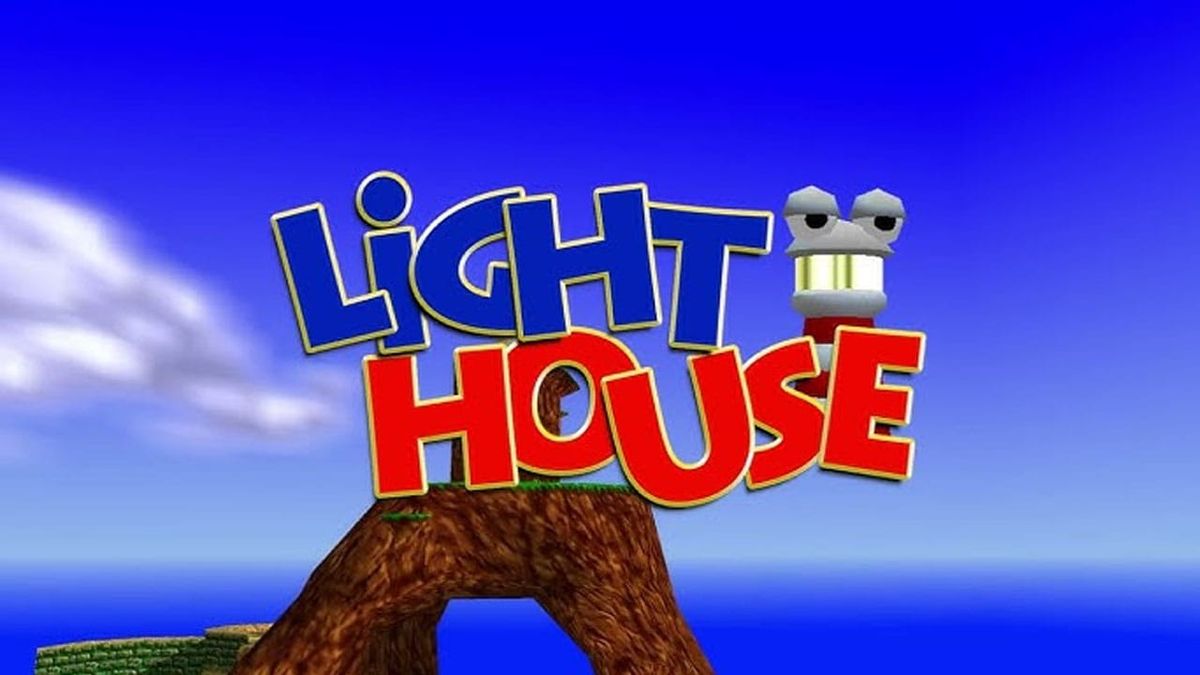
Key features highlighted for "Light House" include:
- Widescreen Support: A crucial upgrade for modern displays, ensuring the game is presented without the letterboxing or stretching that plagued original hardware.
- Co-op Play: The addition of cooperative multiplayer, a feature absent in the original N64 release, promises a new way for friends to experience the game together.
- Ability Shuffle: This innovative feature allows players to reassign Banjo and Kazooie’s abilities, potentially offering novel gameplay challenges and strategic depth.
- Item and Jiggy Randomizer: Introducing an element of unpredictability, this option randomizes the placement of collectibles, providing a fresh experience for returning players and enhancing replayability.
- Regional Compatibility: "Light House" is designed to be compatible with all regional versions of Banjo-Kazooie, ensuring a universal experience for players regardless of their game cartridge’s origin.
- Integration of ROM Hacks: The port showcases the seamless integration of popular ROM hacks, such as those developed by Kurko Mods. This includes the "Bear Waker" opening scene and other fan-created content, demonstrating the project’s robust modding support and its commitment to celebrating the creativity of the ROM hacking community.
The inclusion of these features underscores Harbour Masters’ commitment to not only preserving the original game but also innovating upon it, offering a definitive Banjo-Kazooie experience for the PC platform.
A Glimpse into the Port’s Capabilities: Video Previews and Community Buzz
Developer teasers and gameplay demonstrations have provided the community with compelling glimpses into the capabilities of "Light House." A notable YouTube video, released in June 2026, showcases a variety of impressive sequences, including Mumbo Jumbo’s transformations, unique enemy behaviors, and the integration of various fan-made modifications. The visual fidelity and fluidity of the gameplay in these previews have generated considerable excitement.
One particularly striking visual from the previews is a Godzilla-like Jinjo emerging from the ocean, a detail that, while perhaps unsettling, highlights the developers’ willingness to inject a touch of dark humor and creative flair into the port. This, along with other visually distinct elements, suggests a meticulous attention to detail and a deep understanding of the game’s aesthetic and potential for creative expansion.
The video also features segments from other notable ROM hacks, such as "Nostalgia 64," "Lair Witch Project," and "Jiggies Of Time." The latter is specifically mentioned as the author’s personal favorite Banjo-Kazooie ROM hack, further emphasizing the port’s commitment to celebrating and integrating the best of the fan-made content ecosystem. This integration is not merely cosmetic; it signifies a technical achievement in building a platform that can accommodate and showcase a wide array of community-driven modifications.

Chronology of Development and Anticipation
The development of "Light House" represents a continuation of Harbour Masters’ dedication to retro game preservation. While specific dates for the project’s inception are not publicly detailed, the progression from their previous N64 ports, the strategic name change, and the subsequent unveiling of "Light House" suggest a multi-year development cycle.
- Early 2020s (Estimated): Harbour Masters begins development on various N64 PC ports, gaining recognition for their technical prowess and commitment to open-source development.
- Mid-2020s (Estimated): The team announces a potential expansion to GameCube titles, leading to a name change from "Harbour Masters 64" to "Harbour Masters." This period might have involved initial exploration and proof-of-concept work for broader platform support.
- Late 2025/Early 2026 (Estimated): Focus shifts back to N64, with the announcement and initial development of the Banjo-Kazooie PC port, internally codenamed or referred to as "Light House."
- June 2026: Public unveiling of "Light House" with a teaser trailer and gameplay demonstrations, generating significant anticipation within the retro gaming community. The project is officially confirmed for a July 2026 release.
- July 2026: Expected release of the "Light House" PC port, making it available to the public for download and play.
This timeline reflects a strategic approach to development, balancing ambition with the practicalities of reverse engineering and porting complex titles. The community’s anticipation is a testament to the trust and respect Harbour Masters has cultivated through their previous successful projects.
Technical Achievements and Community Impact
The technical challenges involved in porting a game like Banjo-Kazooie are substantial. Developers must meticulously reverse-engineer the original game’s code, often working without official documentation or source assets. This process involves understanding the N64’s unique architecture, its graphics pipeline, and its input systems. Harbour Masters’ success in these endeavors speaks volumes about their expertise in low-level programming and game development.
The open-source nature of "Light House" is particularly significant for the longevity of retro gaming. By making the project accessible, it ensures that these beloved games can continue to be played and enjoyed on modern hardware, even as original consoles and media degrade over time. Furthermore, it empowers a new generation of developers to learn from their work and contribute to the preservation and enhancement of gaming history.
The integration of ROM hacks and community-created content also highlights a positive symbiotic relationship between official ports and the fan modification scene. Instead of viewing these as competing interests, "Light House" embraces them, recognizing the value and creativity that the community brings to the table. This approach fosters a more vibrant and dynamic ecosystem around retro games.
Supporting Data and Analysis
The success of previous PC ports by Harbour Masters and similar projects indicates a significant and growing market interest in playing retro games on modern platforms. While specific download numbers for "Ship Of Harkinian" or other Harbour Masters projects are not publicly disclosed, the consistent engagement and positive reception on platforms like YouTube and gaming forums suggest a substantial user base.
The trend towards emulation and unofficial ports is driven by several factors:
- Accessibility: Older consoles and cartridges can be expensive and difficult to find. PC ports offer a more accessible way to play these games.
- Enhanced Features: As demonstrated by "Light House," PC ports can offer significant improvements over the original experience, such as higher resolutions, better performance, and new gameplay modes.
- Preservation: These projects play a vital role in preserving gaming history by ensuring that classic titles remain playable for future generations.
- Community Engagement: The open-source nature of many of these projects fosters a strong sense of community among players and developers.
The implications of "Light House" extend beyond just Banjo-Kazooie. It sets a precedent for future projects and further solidifies the legitimacy and importance of the unofficial PC port scene as a crucial element of game preservation and fan engagement. The success of this project could inspire further development for other N64 titles and potentially pave the way for even more ambitious ports of games from later console generations.
Official Responses and Community Reactions
While there has been no direct official response from Nintendo or Rare regarding "Light House" or similar fan-made projects, the general stance of intellectual property holders has historically been one of cautious observation, with legal action typically reserved for projects that directly monetize copyrighted material or infringe on trademarks in a commercial capacity. The open-source, non-commercial nature of Harbour Masters’ work, coupled with their focus on preservation, has often allowed such projects to exist without immediate legal challenges.
The reaction from the gaming community has been overwhelmingly positive. Forums, social media, and dedicated retro gaming websites are abuzz with excitement. Comments frequently praise the dedication of the Harbour Masters team, express gratitude for their work, and highlight specific features they are most looking forward to. The integration of Kurko Mods’ work, in particular, has been met with enthusiasm, as it bridges two significant pillars of the Banjo-Kazooie fan community.
Looking Ahead: The Future of Retro Gaming on PC
"Light House" represents a significant advancement in the ongoing effort to bring classic video games to modern platforms. Harbour Masters’ dedication to quality, innovation, and community engagement positions this project as a benchmark for future endeavors. As the release date approaches, the anticipation continues to build, promising a vibrant and enhanced Banjo-Kazooie experience for PC players worldwide. The project serves as a powerful reminder of the enduring legacy of these beloved games and the passionate communities that strive to keep them alive and accessible. For more information on their previous ports and ongoing development, interested parties are encouraged to visit the official Harbour Masters website.