Cecilia Chamidah Nur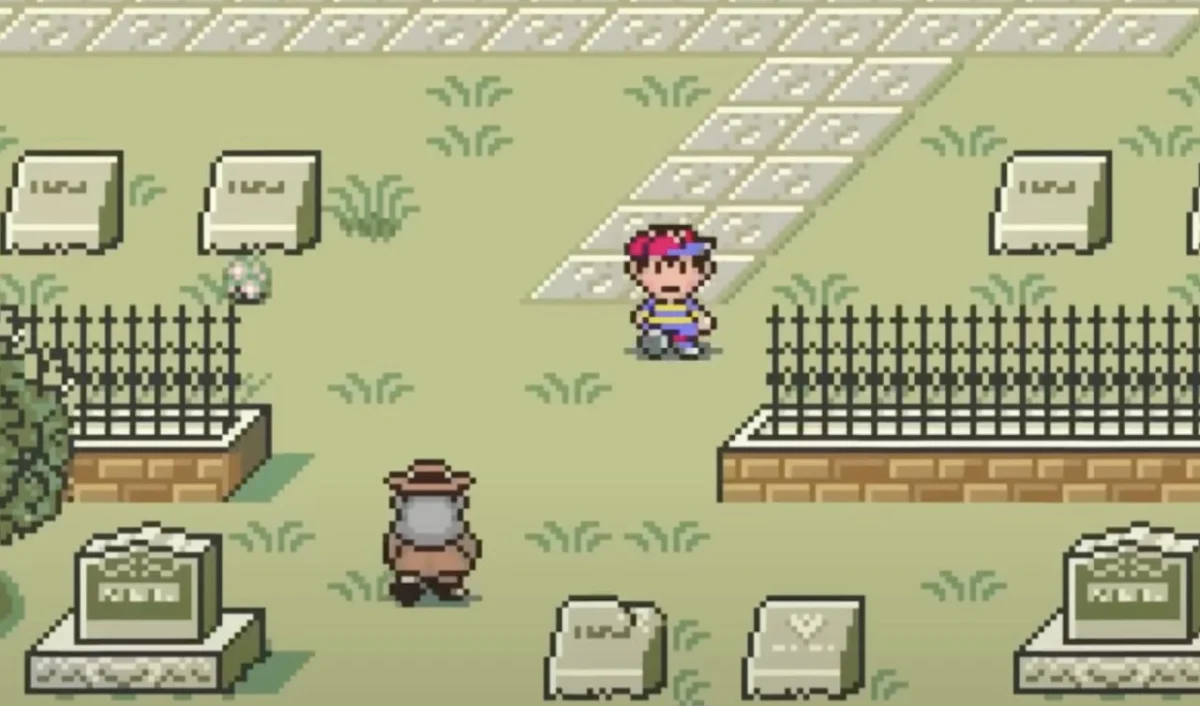
After an extensive development period spanning nearly two decades, the highly anticipated Earthbound Beginnings Remake, a transformative ROM hack designed to reimagine the original 8-bit Mother title in the distinctive 16-bit aesthetic of its Super Nintendo sequel, EarthBound, has officially launched. This monumental community achievement, which has navigated numerous leadership changes, technical challenges, and periods of uncertainty since its inception in 2007, is now available for download, marking a significant milestone for the dedicated Mother/EarthBound fanbase. The release was first widely reported by outlets such as GBA Temp, confirming the culmination of what its creators playfully describe as "nineteen-ish years of development."
A Decades-Long Endeavor: Tracing the Remake’s Complex Genesis
The journey of the Earthbound Beginnings Remake is a testament to the perseverance and passion of the Mother community, a narrative stretching back to an ambitious initial concept in 2007. The project, at its core, aimed to bridge the stylistic gap between the first game in the Mother series, known as EarthBound Beginnings in the West, and its critically acclaimed successor, EarthBound. This involved painstakingly recreating the entire 1989 Famicom title within the graphical and gameplay framework of the 1994 SNES classic, a task far more intricate than a simple port or graphical update.
The Genesis: EarthBound Zero (2007-2012)
The project’s earliest iteration, then known as EarthBound Zero, commenced in 2007 under the leadership of Clyde Mandelin, widely recognized by his online moniker "Tomato." Mandelin is a prominent figure in the Mother community, notably one of the co-founders of the influential fan website Starmen.Net, and a key individual behind the celebrated unofficial English translation of Mother 3 for the Game Boy Advance. His initial vision laid the groundwork for the remake, but as with many volunteer-driven endeavors, the scope and time commitment proved substantial.
Community Revival: Starmen.Net Takes the Helm (2012-2019)
By 2012, the torch was passed to members of the Starmen.Net forums. A new version of the project emerged, led by a user identified as "H.S." This phase saw considerable progress, with much of the development occurring behind closed doors, a common practice in ROM hacking communities to manage expectations and avoid premature hype. The team dedicated approximately seven years to refining the hack, meticulously translating the original game’s narrative, characters, and world into the EarthBound engine. However, this period of steady progress was abruptly halted in 2019 when H.S. effectively vanished, leaving the project in an uncertain state and its future in limbo. The disappearance of lead developers is a recurring challenge for long-term fan projects, often leading to abandonment due to lack of continuity and accessible project files.
Preservation and Resurgence: Gabbls’ Leadership (2019-2026)
The potential loss of years of work spurred a concerted effort by a group of dedicated individuals, including Starmen.Net user Livvy94, to salvage and preserve the existing assets and code. Their diligent work in archiving the unfinished project proved crucial. Following this preservation effort, in 2021, another community member, Gabbls, stepped forward to take up the mantle, initiating a new offshoot of the project. Gabbls’ leadership revitalized the development, bringing renewed focus and momentum to the ambitious undertaking.
The renewed project began to show public signs of its advanced state in recent years. The first full trailer for Gabbls’ iteration debuted at the Mother Direct in 2024, an online fan event dedicated to the series, indicating that progress was "steady." This was followed by an even more definitive announcement in July 2025 during the Free Fangame Festival (F3), where a new trailer confirmed the project was "nearing completion" and slated for a 2026 release. This public communication helped build anticipation and reassure the community of the project’s imminent launch.
Technical Specifications and Accessibility for Players
The Earthbound Beginnings Remake is fundamentally a ROM hack of the Super Nintendo Entertainment System (SNES) title EarthBound. This means that to play it, users must apply a patch to a legally acquired copy of the EarthBound ROM. The development team has streamlined this process for accessibility. Players can utilize a built-in ROM patcher directly on the official Earthbound Beginnings Remake website (ebbr.neocities.org/downloads), which simplifies the application of the patch. Alternatively, experienced users can download the hack file separately and apply it using their preferred ROM patching software, offering flexibility for various technical comfort levels. The emphasis on using a "legally acquired copy" underscores the fan community’s respect for intellectual property rights while pursuing their creative endeavors.
The hack transforms the original 8-bit Mother into a 16-bit experience, complete with updated graphics, enhanced sound, and potentially quality-of-life improvements that align with EarthBound‘s gameplay mechanics. This reimagining is not merely a visual upgrade but an attempt to integrate the first game seamlessly into the stylistic and mechanical universe of its more famous sequel, offering a cohesive experience for fans of the series.
Community-Driven Enhancements and Companion Releases
Beyond the core remake, the dedicated community has rallied to produce additional content and enhancements, further enriching the overall experience for players. To commemorate the release, the artist BigSharkZ meticulously crafted SNES-style box art for the game. This artistic endeavor captures the nostalgic aesthetic of the era, providing a tangible, albeit digital, representation of what an official SNES release of Mother 1 in the EarthBound style might have looked like. Furthermore, a comprehensive, full-color strategy guide is currently in the works, promising to assist players through the game’s challenges and lore, and will soon be available for download from the project’s website. Such ancillary projects highlight the depth of engagement and creative output within the Mother fanbase.
In a move that benefits the broader EarthBound community, the development team has also released a separate patch titled EarthBound: Giygas Strikes Back. This patch specifically targets the vanilla EarthBound game, integrating many of the quality-of-life features and improvements developed for the Earthbound Beginnings Remake. This thoughtful addition allows fans to experience enhancements even if they are not playing the remake, demonstrating the developers’ commitment to improving the overall playability of the series’ titles for everyone. These features often include minor gameplay tweaks, bug fixes, or interface improvements that streamline the player experience without altering the core game.
The Enduring Legacy of the Mother/EarthBound Series
The release of the Earthbound Beginnings Remake is particularly significant given the cult status and unique history of the Mother series. Created by Shigesato Itoi, the Mother series stands apart in the JRPG landscape for its unconventional settings, quirky humor, profound emotional depth, and often surreal narrative.
Mother 1 / EarthBound Beginnings: The original Mother, released in Japan for the Famicom in 1989, tells the story of Ninten, a young boy with psychic powers, who embarks on a journey to save the world from an alien invasion. While critically acclaimed in Japan, it faced a complex localization history. A nearly complete English version, known as EarthBound (later retroactively dubbed EarthBound Beginnings by Nintendo), was developed for the NES but ultimately canceled due to changing market conditions and the impending launch of the SNES. It wasn’t until 2015 that Nintendo officially released the localized version on the Wii U Virtual Console, finally making the original game legally accessible to Western audiences. Despite its historical significance, its 8-bit graphics and sometimes unforgiving difficulty meant it remained less accessible to modern players compared to its sequel.
EarthBound (Mother 2): The series truly gained international recognition with EarthBound (known as Mother 2 in Japan), released for the SNES in 1994 (Japan) and 1995 (North America). Its distinctive art style, contemporary setting, satirical take on American culture, and innovative gameplay mechanics garnered a devoted following, despite initial lukewarm sales. EarthBound is celebrated for its narrative originality, memorable characters, and philosophical undertones, establishing it as a cult classic.
Mother 3: The third installment, Mother 3, released exclusively in Japan for the Game Boy Advance in 2006, is often considered the emotional pinnacle of the series. Despite fervent Western demand, Nintendo has never officially localized or released Mother 3 outside of Japan, leading to the creation of the aforementioned highly regarded fan translation by Tomato and others. This history of official neglect, combined with the series’ unique charm, has fostered an exceptionally passionate and proactive fan community.
The Earthbound Beginnings Remake directly addresses one of the community’s long-standing desires: to experience the genesis of the series in a manner consistent with its most beloved entry. By porting Mother 1 into the EarthBound engine, the remake offers a more visually appealing and potentially more accessible entry point for new fans, while providing a nostalgic yet fresh experience for veterans. It allows players to trace the thematic and mechanical evolution of the series more seamlessly, enhancing appreciation for Itoi’s original vision within a familiar and beloved framework.
Broader Impact and Implications for Fan Preservation
The successful release of the Earthbound Beginnings Remake carries broader implications for the landscape of fan-driven game preservation and enhancement. In an era where many classic titles remain inaccessible, legally challenging to acquire, or visually dated for modern audiences, ROM hacking and fan translations serve as vital cultural mechanisms.
Fan Initiatives as Cultural Heritage: These projects often fill gaps left by official publishers, whether due to economic decisions, lack of perceived market demand, or the complexities of intellectual property rights. For series like Mother, which Nintendo has historically treated with cautious acknowledgment rather than aggressive re-promotion, fan initiatives become crucial for maintaining and expanding the cultural footprint of these games. The remake acts as a form of cultural preservation, making an older game relevant and enjoyable for a new generation accustomed to more modern graphical standards.
The Power of Community Collaboration: The protracted development cycle, marked by multiple leadership changes, project stalls, and resurgences, exemplifies the unique challenges and triumphs of volunteer-driven, decentralized development. It underscores the power of collective passion and collaboration within online communities. The willingness of individuals like Livvy94 to preserve past efforts and Gabbls to commit to years of unpaid work highlights a dedication rarely seen outside of professional development studios. This model of open-source-like collaboration, while often slower and less predictable, ultimately delivered a product that a significant portion of the gaming community deeply desired.
Legal and Ethical Considerations: While fan projects like the Earthbound Beginnings Remake operate in a legal gray area, they generally thrive due to a tacit understanding within the gaming industry. As long as these projects do not directly compete with official products, infringe too heavily on copyrights for commercial gain, or distribute copyrighted material directly (requiring users to provide their own ROMs), they often escape direct legal action. This delicate balance allows for creative expression and community engagement without directly challenging the IP holder’s rights. The requirement for users to supply a "legally acquired copy" of EarthBound is a common ethical safeguard employed by ROM hack developers to mitigate potential legal risks.
Highlighting Demand for Official Remasters: While a fan project, the immense anticipation and eventual release of the Earthbound Beginnings Remake can also serve as an informal indicator to Nintendo about the sustained and fervent demand for the Mother series. Each successful fan project subtly reinforces the potential market for official remasters, remakes, or even new entries, although Nintendo has historically been reticent to act on such signals for this particular franchise.
In conclusion, the launch of the Earthbound Beginnings Remake is more than just the release of a fan-made game; it is the culmination of nearly two decades of dedication, a testament to the enduring appeal of the Mother series, and a powerful demonstration of the capabilities of a passionate gaming community. It provides a unique opportunity for both long-time fans and newcomers to experience the foundational story of the Mother saga in a beautifully reimagined form, cementing its place as a significant achievement in fan-driven game development.