Johny Imanuel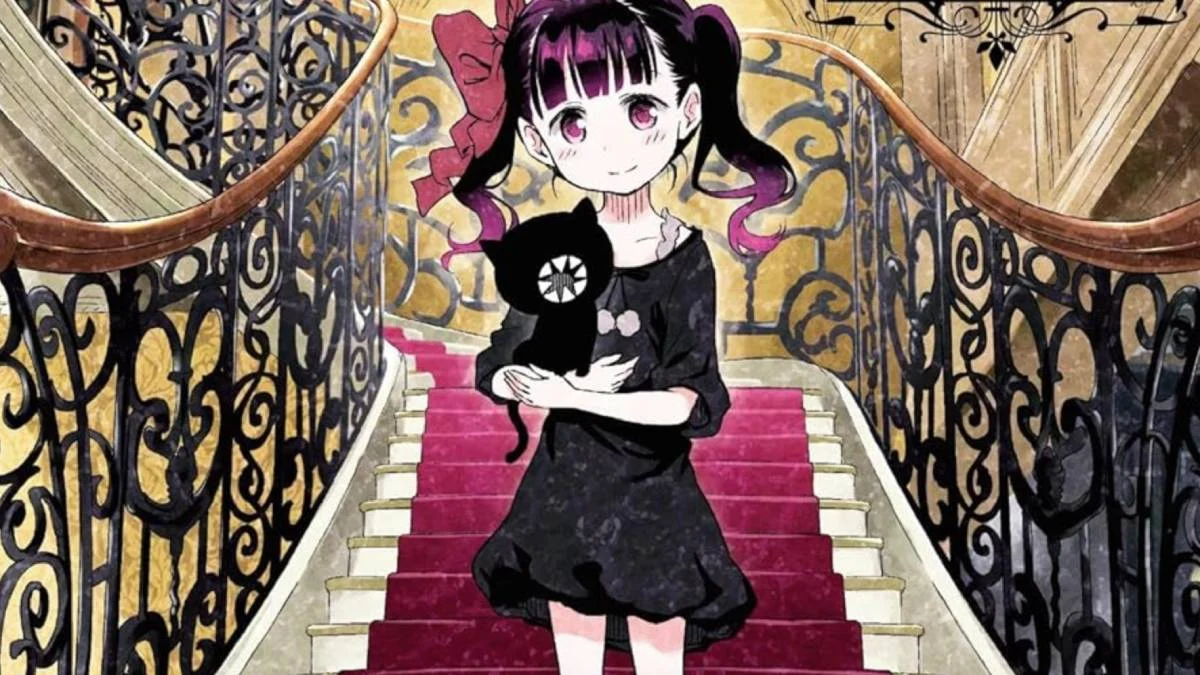
Narrative Framework and World-Building
The story of Kuro is set in a secluded, atmospheric town where the residents live in a state of perpetual caution due to the presence of "monsters" inhabiting the surrounding forests. The protagonist, Coco, resides alone in a sprawling mansion that once belonged to the town’s mayor. Her isolation is punctuated only by her interactions with her pet, Kuro, and occasional visits from a small circle of acquaintances, including a local doctor, her tutor, and her friends Milque and Maria.
Central to the world-building is the cultivation of specialized white flowers. These botanical elements are not merely decorative; they serve a vital defensive function. Coco earns her livelihood by tending these flowers, which are processed to create warding lines that protect the town’s roads and residents from the predations of the shadowy entities lurking in the woods. This setup establishes a delicate balance between the safety of the home and the danger of the wild, a dichotomy that is personified in the character of Kuro himself.
The mystery of Coco’s circumstances—her missing parents and a traumatic incident from her childhood that she cannot fully recall—forms the emotional core of the manga. However, the narrative frequently shifts its focus to the behavior and nature of Kuro, a creature that Coco insists is her childhood pet, despite overwhelming evidence to the contrary.
The Duality of Kuro: Monster vs. Companion
The brilliance of Somato’s characterization lies in the physical and behavioral duality of Kuro. While the creature maintains the silhouette of a small black cat, it is explicitly depicted as a supernatural entity. From the opening chapters, the manga establishes that the original Kuro, who disappeared years prior, may have been replaced by something far more ancient and inscrutable.
The visual storytelling utilizes Kuro’s anatomy to create a sense of "uncanny valley" within a domestic setting. The creature lacks traditional eyes, possessing instead a mouth filled with razor-sharp teeth that remains perpetually open or slightly agape. One of the series’ most effective recurring motifs is the manifestation of Kuro’s eyes; when Coco expresses concern or curiosity about his appearance, eyes will materialize on his face, including a third eye that opens on his forehead. This "third eye" serves as both a source of supernatural dread and a running gag, highlighting the mangaka’s ability to balance horror with levity.
Despite these monstrous attributes, Kuro exhibits quintessential feline behaviors that endear him to both Coco and the reader. He displays a fascination with paper bags, enjoys navigating cat tunnels, and pounces on toys with the dilated pupils of a predatory hunter. By mimicking these mundane actions, the entity transcends the role of a mere monster, becoming a complex character that embodies the theme that "dark" does not inherently equate to "evil."
Chronology and Publication History
The journey of Kuro from its original serialization to the English "Complete Edition" reflects the growing international appetite for niche, high-concept manga. Created by the duo known as Somato—who would later achieve widespread acclaim for the series Shadows House—Kuro was originally serialized in Japan between 2013 and 2016.
The series was initially published in a digital-first format through Shueisha’s Tonari no Young Jump before receiving physical tankōbon releases. Its transition to the North American market via Yen Press has seen the series evolve from individual volumes to this definitive omnibus. This format is particularly beneficial for a mystery-driven series like Kuro, as it allows readers to track the subtle clues and shifts in the "cat’s" behavior without the interruptions inherent in a multi-year publishing schedule.
Supporting Data and Market Context
The success of Kuro and its subsequent "Complete Edition" release can be analyzed within the broader context of Yen Press’s recent editorial strategy. The publisher has increasingly focused on titles that explore the intersection of the supernatural and the everyday, often featuring protagonists who form bonds with non-human entities.

Industry data suggests that "omnibus" editions are becoming a preferred format for completed series with cult followings. These editions offer a higher price-to-content ratio and appeal to collectors who value shelf aesthetics and narrative continuity. For Kuro, which relies heavily on atmospheric art and gradual revelations, the 3-in-1 format preserves the pacing intended by Somato while providing a more immersive reading experience.
Furthermore, the popularity of Shadows House (which received a successful anime adaptation) has retroactively boosted interest in Somato’s earlier works. Kuro serves as a thematic precursor to Shadows House, exploring similar ideas of identity, the "living shadow," and the innocence of children navigating a world filled with adult secrets and hidden dangers.
Comparative Analysis: The "Dark Companion" Trope
To understand the impact of Kuro, it is useful to compare it to other contemporary works within the same genre. A notable point of comparison is The Summer Hikaru Died (Hikaru ga Shinda Natsu), which also features a protagonist dealing with a supernatural entity that has replaced a loved one. However, where The Summer Hikaru Died leans heavily into existential dread and the horror of the unknown, Kuro maintains a softer, more melancholic tone.
In Kuro, the "monster" is not portrayed as a malevolent intruder but as a protective, albeit strange, guardian. This subversion of the "evil black cat" trope is a cornerstone of the series’ appeal. The narrative suggests that while Kuro is objectively a monster, his devotion to Coco is genuine. This creates a unique reading experience where the audience feels a sense of protective affection for a creature that could, in any other context, be a source of terror.
Official Responses and Critical Reception
While official statements from the creators at Somato are rare, their work on Kuro has been praised by critics for its use of color and panel composition. Unlike many manga series that are strictly black and white, Kuro originally featured significant color work, which has been preserved in the Yen Press edition. This use of color is instrumental in distinguishing the vibrant, innocent world of Coco from the dark, ink-blot nature of Kuro and the other monsters.
Literary analysts have noted that the manga serves as an allegory for grief and the coping mechanisms of children. Coco’s refusal to acknowledge that Kuro is a monster can be seen as a manifestation of her inability to process the loss of her parents and her former life. By accepting the "new" Kuro, she maintains a link to her past, even if that link is fundamentally altered.
Broader Impact and Implications
The release of the Kuro Complete Edition signifies a maturing manga market that is willing to invest in shorter, experimental works that do not necessarily follow the traditional "shonen" or "shojo" formulas. It highlights a trend toward "Seinen" (young adult men) and "Josei" (young adult women) titles that prioritize atmosphere and psychological depth over action.
The series’ exploration of the "dark-is-not-evil" philosophy also reflects a broader cultural shift in storytelling, where monsters are increasingly humanized and used to explore themes of "otherness" and unconditional companionship. For Yen Press, Kuro stands as a flagship example of their ability to curate titles that appeal to readers looking for something beyond mainstream tropes.
As the manga industry continues to expand globally, the preservation of such unique works in high-quality omnibus formats ensures that the artistry of creators like Somato remains accessible to new generations of readers. Kuro remains a poignant reminder that even in a world filled with shadows and monsters, the bond between a girl and her "cat" can be the most powerful light of all.
The Kuro Complete Edition is currently available in English, providing a definitive look at a series that remains as unsettling as it is heartwarming. Through its masterful blend of mystery, domesticity, and supernatural horror, it ensures that the black cat—no matter how many eyes it may have—will always be the star of the show.