Cecilia Chamidah Nur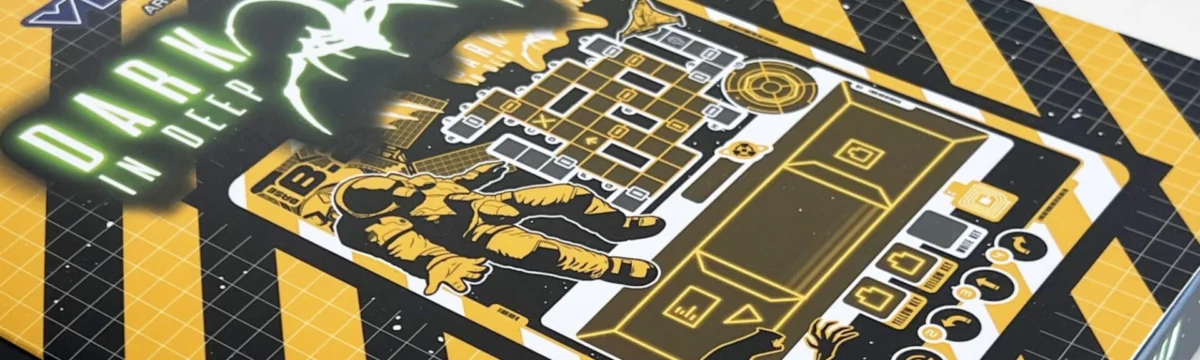
The release of Dark Alien In Deep Space for the venerable Vectrex console represents a significant milestone, not only for its developer, AR Vectrex, but also for the thriving, often enigmatic, homebrew community surrounding the iconic vector-graphics system. This title is a testament to the enduring passion of dedicated enthusiasts who continue to push the boundaries of 1980s hardware, offering a polished, immersive experience that stands out even within a scene renowned for its prolific output.
The Unseen Universe of Vectrex Homebrew: A Phenomenon of Dedication
The Vectrex, originally launched by General Consumer Electronics (GCE) in 1982, was a unique console for its time, featuring an integrated monochrome vector monitor that rendered crisp, glowing wireframe graphics. Despite its innovative design and a relatively short commercial lifespan, producing only 28 official retail titles, the Vectrex has cultivated an extraordinary legacy through its dedicated homebrew community. Current estimates suggest that aftermarket titles now number between 150 and 200, potentially even exceeding this figure. This translates to an astounding ratio of homebrew to retail releases, conservatively estimated at 5:1, and possibly as high as 6:1 or more. Such a disproportionate output raises a compelling question: Does the Vectrex boast the highest ratio of aftermarket titles to retail releases of any gaming system in history? If substantiated, this could represent a Guinness World Record, underscoring the unparalleled dedication of its fan base.
This phenomenon is further highlighted when considering the ratio of homebrew games to systems sold. While official sales figures for the Vectrex are elusive, community consensus suggests approximately half a million units were released worldwide. Using a conservative estimate of 150 aftermarket titles, this equates to 30 new games for every 100,000 systems, or 300 per million. These are astronomical figures in the context of niche gaming, reflecting an unwavering commitment from developers to create for an audience that, by modern standards, is minuscule. For comparison, while platforms like the Commodore 64 have seen thousands of homebrew releases, their colossal retail catalogues mean the ratio of aftermarket to official titles remains comparatively small. The Vectrex’s unique situation paints a picture of creation driven purely by passion, rather than commercial viability.
However, this vibrant scene is not without its challenges. The decentralized nature of the Vectrex community often leads to difficulties in discoverability and preservation. New releases frequently emerge via "stealth drops" on private Facebook groups or as obscure forum topics, making them easily missed by even diligent collectors. Instances abound where highly anticipated physical cartridges, such as the Vectral compilation of four games, sell out almost instantly upon release, leaving many enthusiasts unable to acquire them. Furthermore, initiatives like the annual Vectrex Academy, where students develop multiple new titles each year, contribute to this rich library, yet some of the oldest creations are no longer available for download, posing significant challenges for digital preservation. The author’s personal experience of attempting to compile a comprehensive list of every Vectrex game only to confront the reality of potentially lost titles echoes a broader concern within retro gaming communities about safeguarding digital heritage.
The economic reality of Vectrex homebrew further distinguishes it. While many titles are distributed freely—though even finding these can be a quest—physical releases are typically manufactured in small, artisanal batches by enthusiasts for enthusiasts. The investment required for these bespoke productions, from custom PCBs to elaborate packaging, reflects a labor of love rather than a profit-driven venture. This creates an insular ecosystem, where the value lies not just in the game itself, but in the collective effort and shared passion of a dedicated subculture. One might humorously suggest that a community outsider stumbling upon a hypothetical brick-and-mortar store stocked with these treasures would be met with the playful, yet telling, sentiment: "This is a local shop, for local people, there’s nothing for you here!" While a jest, it encapsulates the high barrier to entry and the profound sense of belonging among Vectrex aficionados.
"Dark Alien In Deep Space": A Thematic and Technical Deep Dive
Against this backdrop of fervent homebrew development, Dark Alien In Deep Space emerges as a particularly compelling offering. Drawing clear inspiration from Ridley Scott’s seminal Alien film series, a franchise whose influence on the video game industry, both direct and indirect, is immeasurable (from early Alien arcade games to modern survival horrors like Alien: Isolation), this Vectrex title running on 1982 hardware channels the suspense and dread of its cinematic muse with remarkable efficacy. The game’s appeal extends beyond its core mechanics, encompassing a meticulously crafted presentation that elevates the entire package.
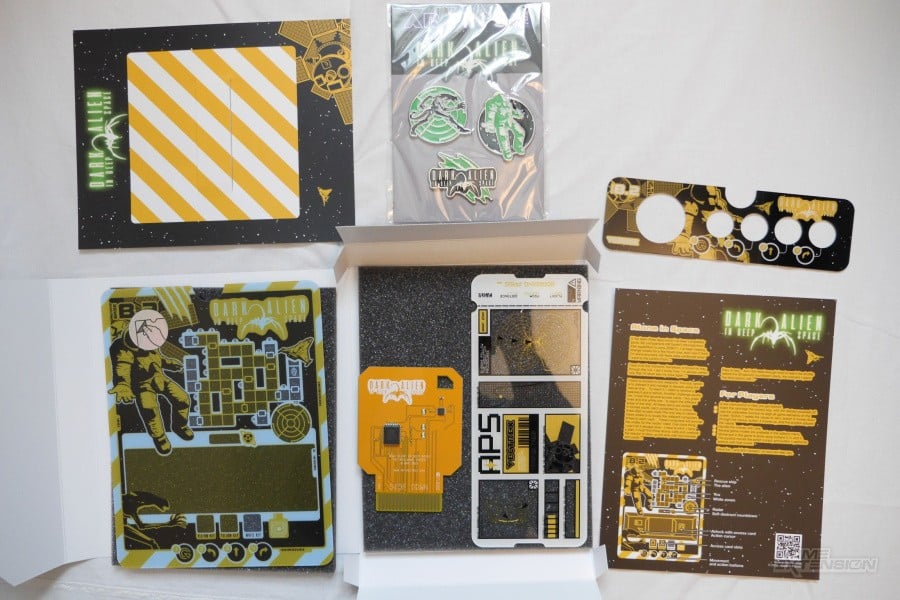
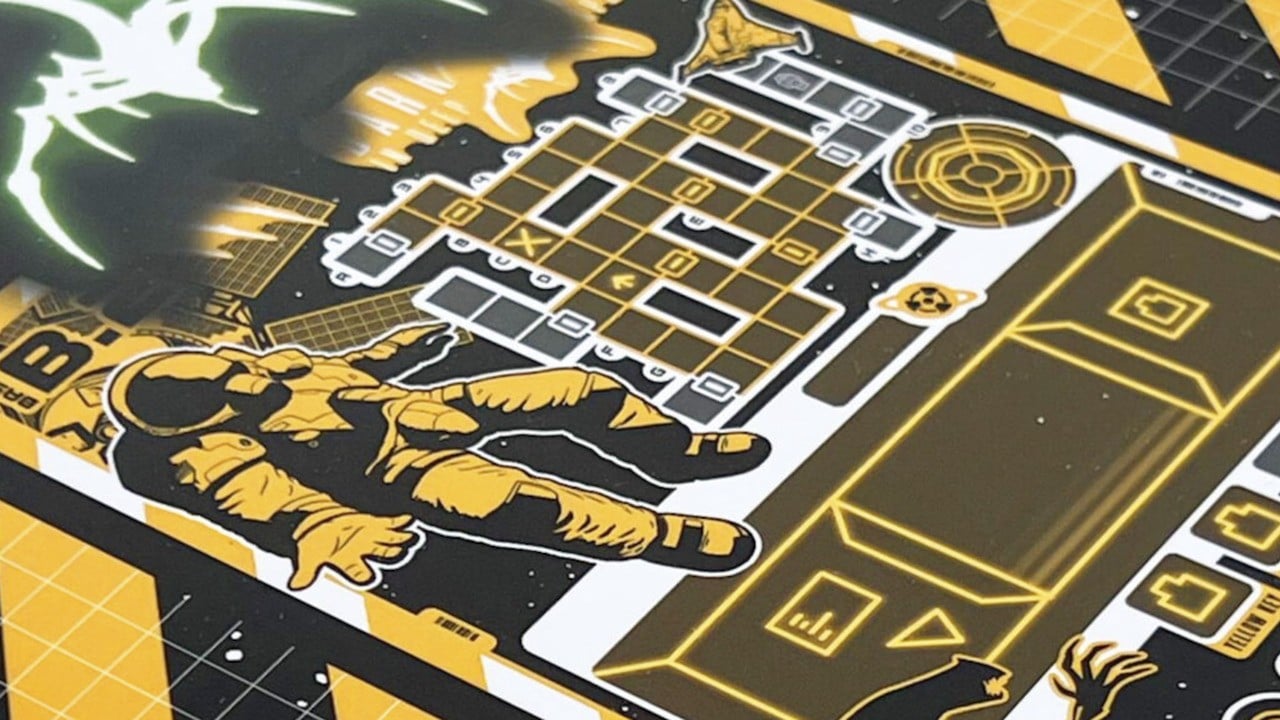
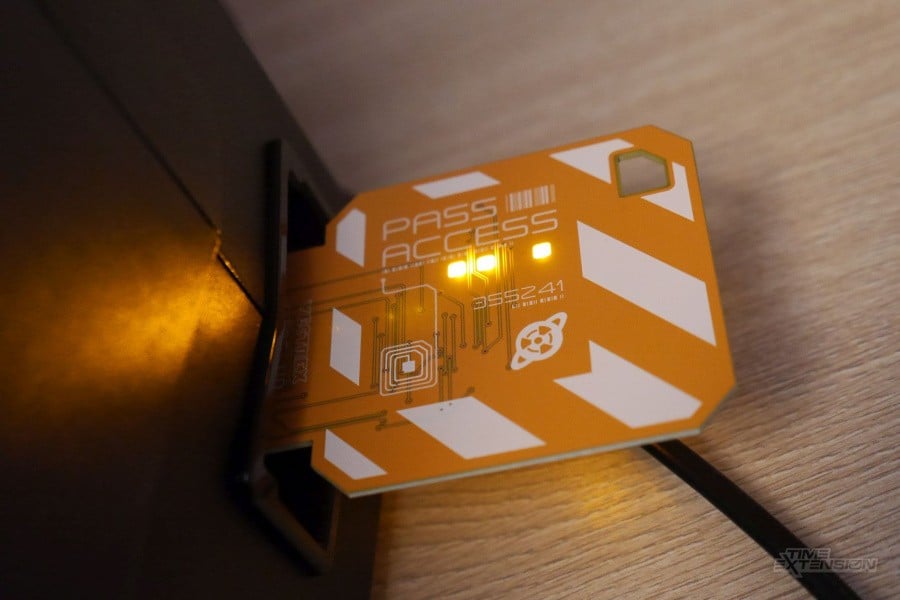
The physical release of Dark Alien In Deep Space is a collector’s dream, underscoring the developer AR Vectrex’s commitment to quality and immersive theming. Each copy arrives in a bespoke box, notably larger than standard retail Vectrex packaging, which, while precluding its fit into typical plastic protectors, immediately signals its premium nature. Inside, players discover a thick plastic novelty "boarding pass" for their simulated space voyage, a concise instruction card, a custom controller overlay, and, crucially, an essential screen overlay. The package is completed with a custom game PCB nestled within its own cardboard holder. While the reviewer received a pack of three pin badges, these are noted as not being standard inclusions with either the Solaris or Teria versions of the game.
Dual Realities: The Solaris and Teria Versions
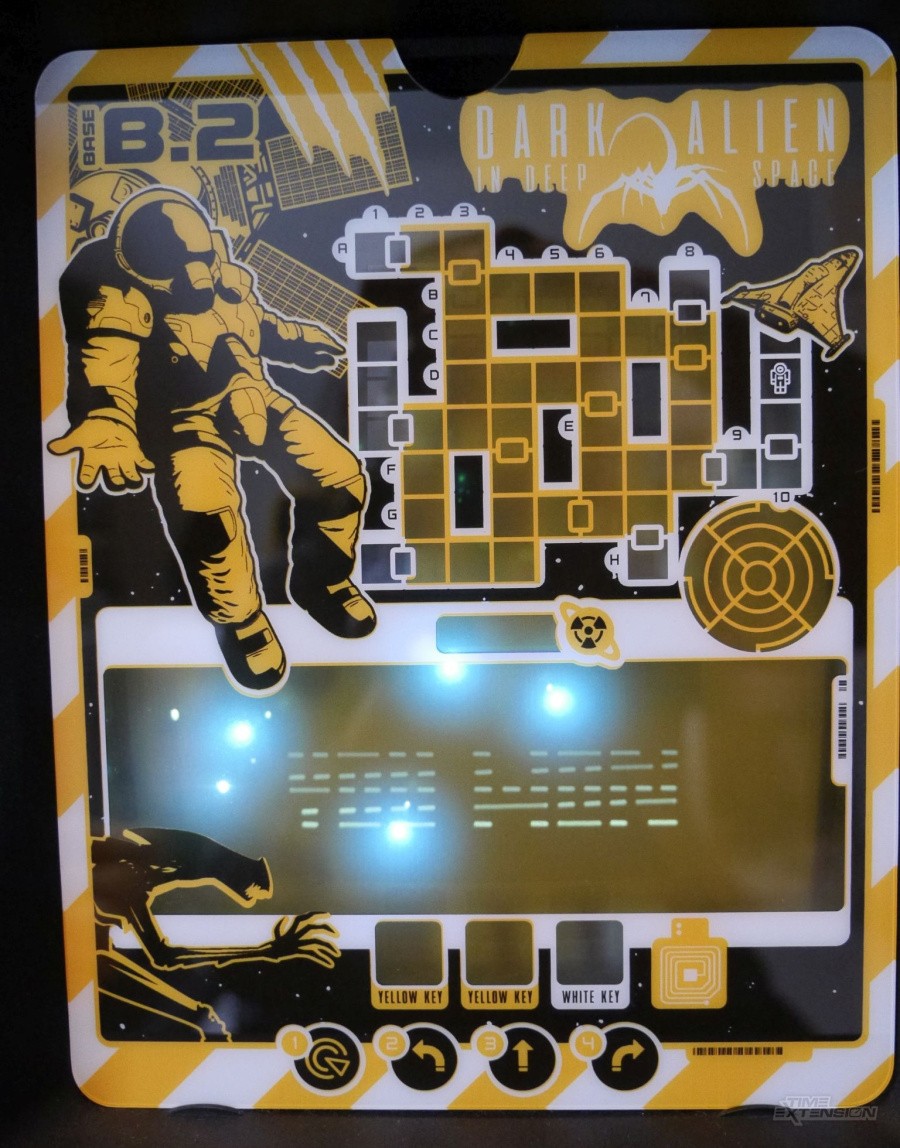
A noteworthy aspect of Dark Alien In Deep Space is its release in two distinct versions: Solaris (green) and Teria (yellow). These are not merely aesthetic variations; each version features a unique map layout for the space base. While the core gameplay loop remains consistent across both, the differing environments necessitate distinct strategic approaches. The developer confirmed that the yellow (Solaris) version presents a slightly higher difficulty curve, offering players a choice based on their desired challenge level and preferred visual aesthetic. The developer elaborated: "Dark Alien is available in two versions: Teria and Solaris, featuring two different space bases. The gameplay and the Alien’s AI are the same, but each version offers a different playing experience. There are also different goodies and, of course, different overlays." This dual-release strategy adds significant replayability and caters to varying player preferences, further enriching the overall experience.
Gameplay Mechanics: A Retro Survival Horror
At its heart, Dark Alien In Deep Space functions as a retro survival horror, bearing a conceptual resemblance to contemporary titles like Alien: Isolation. Players find themselves trapped within an enclosed, maze-like environment, tasked with scavenging vital resources while relentlessly pursued by an unkillable alien entity. The primary objective is not confrontation, but evasion and the acquisition of specific items to facilitate escape or neutralize the threat.
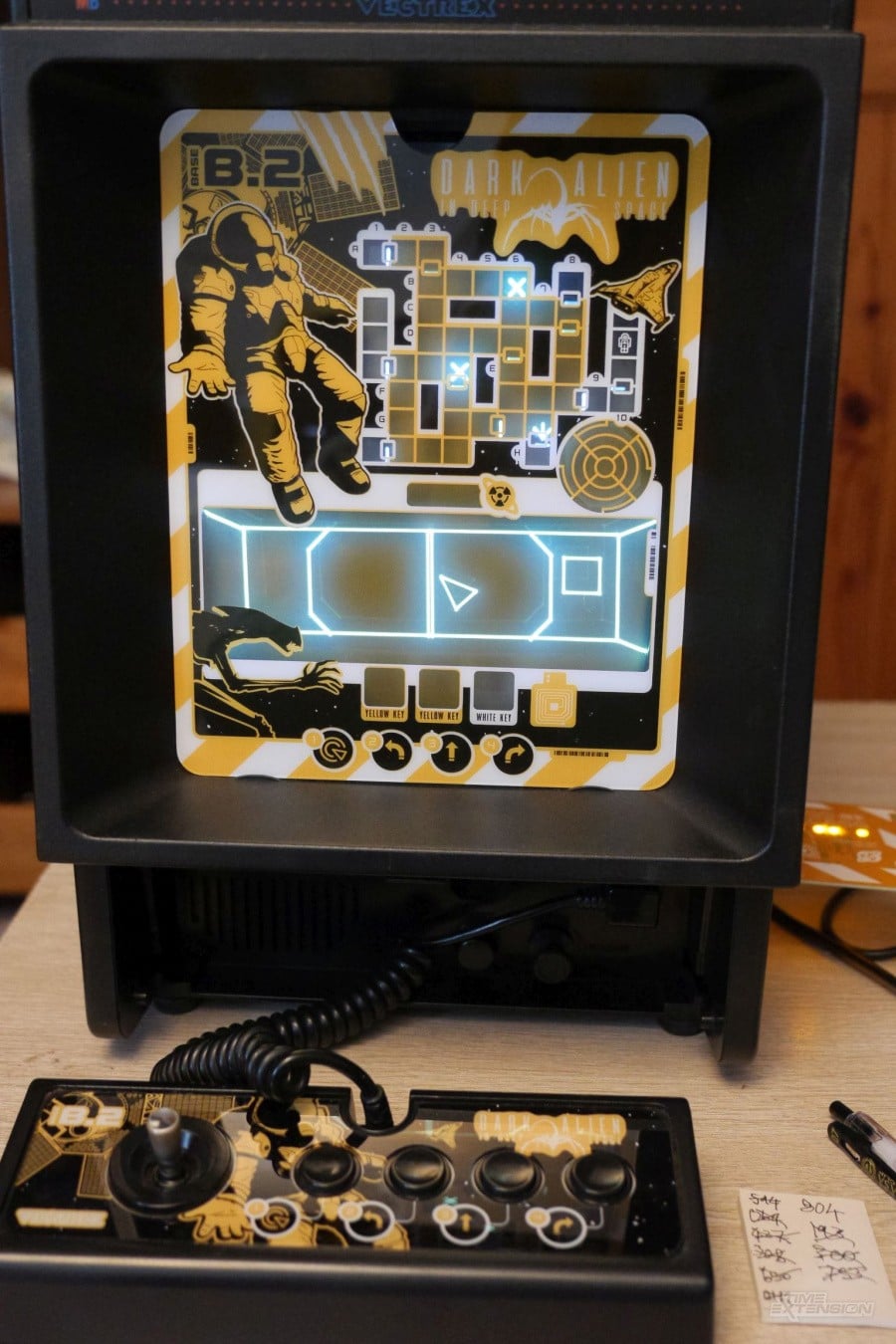
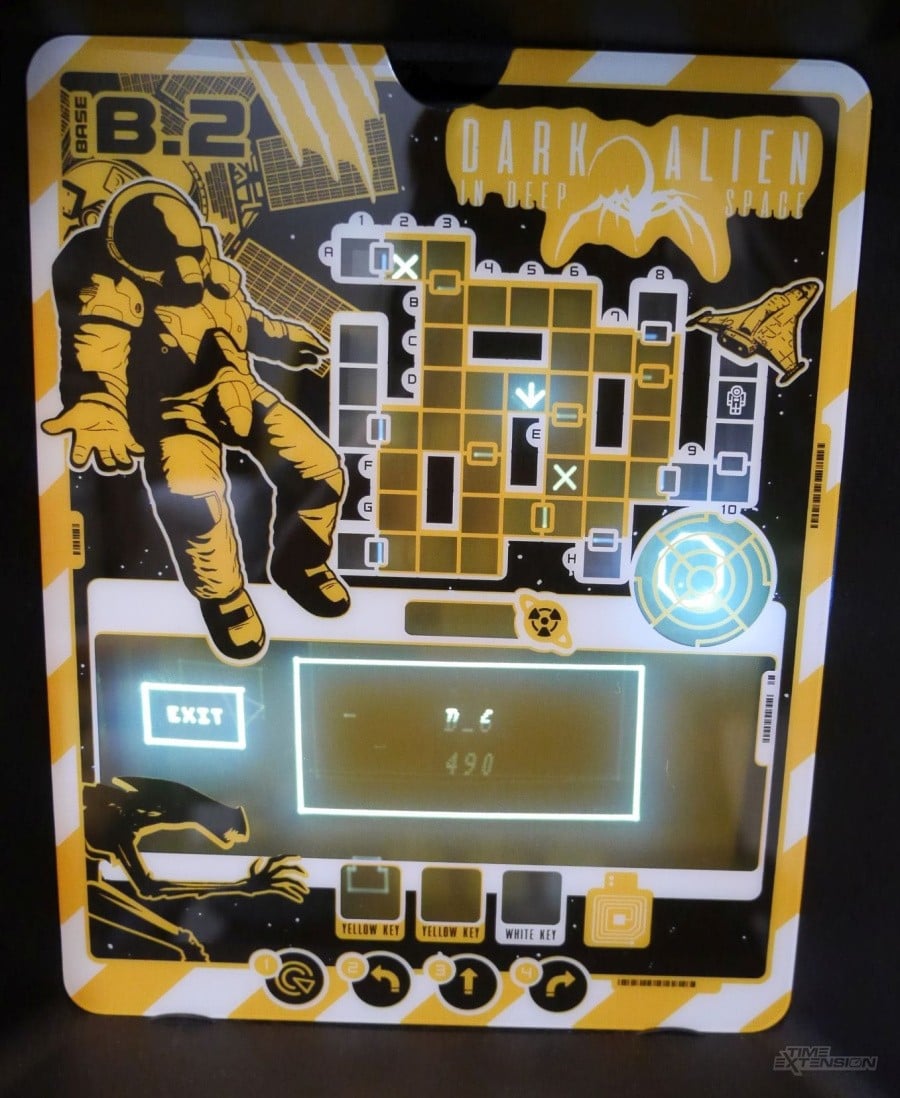
The game adopts a first-person perspective, a remarkable feat for the Vectrex, augmented by a map displayed at the top of the screen. This map provides crucial tactical information, depicting the alien as a prominent "X" and the player’s current direction via an arrow. Navigation and progress hinge on interacting with specific wall-mounted elements: locked safes requiring a three-digit code, and computer monitors that dispense these codes along with corresponding map coordinates. A key gameplay nuance, as highlighted by the reviewer, is the imperative to pay close attention to these coordinates, as initial attempts might overlook their navigational significance.
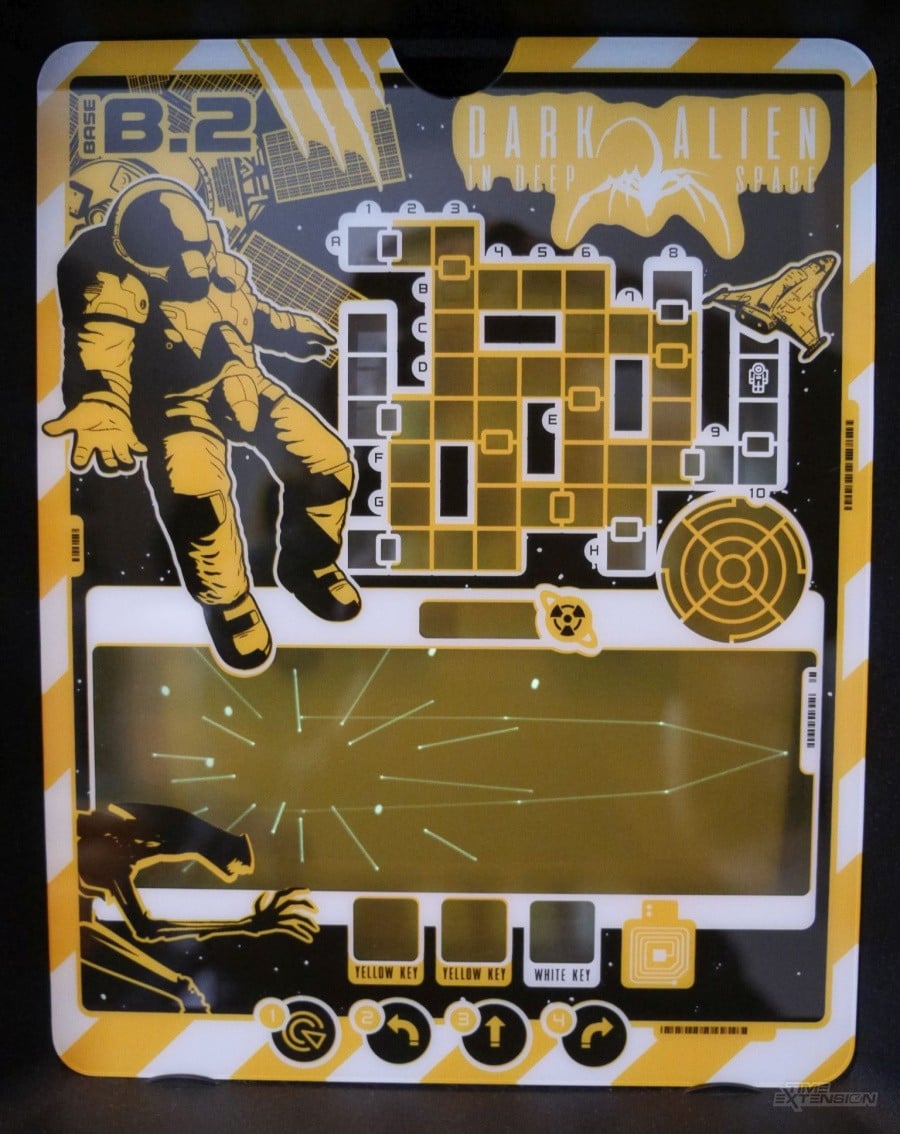
Each game session randomizes the three-digit codes and the specific monitor-to-safe linkages, ensuring fresh challenges with every playthrough. However, the physical locations of monitors and safes remain fixed on the map. The starting room consistently contains a linked monitor and safe, providing a safe zone for players to acclimate to the mechanics and acquire their initial key card before venturing into the more perilous sections of the base.
Safes yield a variety of contents, from innocuous junk like drilling samples or papers to critical key items. These include a second yellow key card, a white key card granting access to restricted "white zones," or one of three fuel cells essential for initiating the base’s self-destruction sequence. Within the white zones, randomly placed rooms contain a helmet and spacesuit, prerequisites for entering the escape pod. A clever environmental interaction allows players to retract key cards from either side of a door, effectively closing and locking it. This mechanic is vital for survival, as the aliens are incapable of opening doors, enabling players to strategically trap their pursuers.
Navigating the Labyrinth: Strategies and Challenges
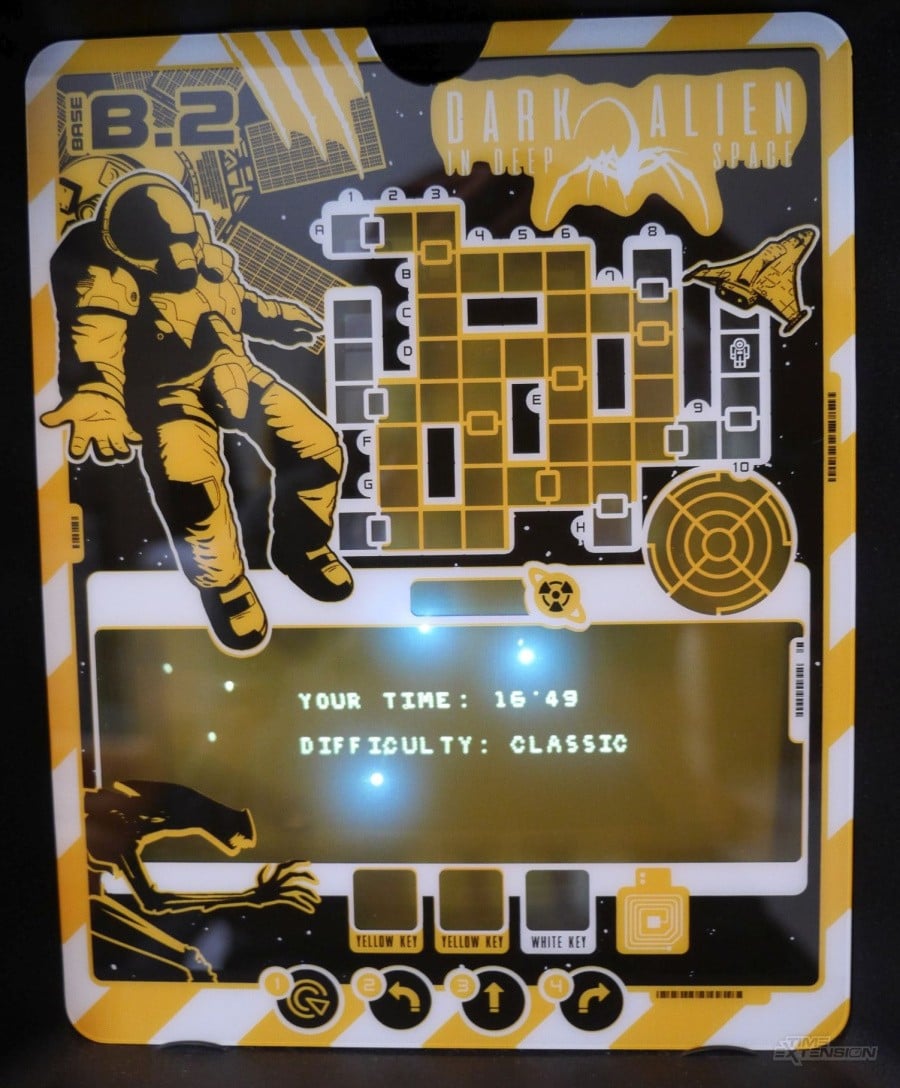
Dark Alien In Deep Space offers a graduated challenge through its difficulty modes. "Classic Mode," featuring a single alien, serves as an accessible introduction, allowing players to accustom themselves to the environment and mechanics. The single alien can often be trapped in the starting area, providing a period of relatively free movement. The reviewer noted completing this mode in 16 minutes initially, subsequently reducing it to under 12 minutes, indicative of its role as a tutorial.
"Hard Mode," introducing two aliens, significantly ratchets up the tension. A common strategy involves attempting to trap one alien, then focusing on evading the second. While theoretically possible to trap both in a single room, the aliens’ movement patterns are highly randomized, making such a maneuver incredibly difficult and unreliable. The alien AI, while not exhibiting advanced pathfinding or lure mechanics, contributes to the game’s unique tension. They cannot be reliably lured into chases or specific locations, forcing players to adapt to unpredictable movements. This unpredictability, however, also allows for audacious plays; unlocking a safe with an alien only a few squares away becomes a thrilling gamble, with the outcome entirely dependent on its random trajectory. The exhilarating tension derived from these risky attempts is a core part of the game’s appeal.
"Suicide Mode," featuring three aliens, presents an almost overwhelming challenge, with the reviewer admitting to giving it minimal attention due to its daunting nature. Throughout various playthroughs, the reviewer experienced multiple "Game Over" scenarios, succumbing to the alien threat, alongside successful escapes and base destructions. A particularly memorable, albeit unfortunate, incident involved accidentally blowing up the base without the necessary escape equipment. The detonation timer activates upon collecting the third fuel cell, but the game provides no on-screen inventory count for fuel cells, helmet, or spacesuit. This oversight led to a critical miscalculation, resulting in a "unique bad ending" where humanity was saved, but the player perished—a testament to the game’s unforgiving yet engaging design.
Effective play necessitates meticulous note-taking. Jotted-down codes and coordinates, crossed off once used, become an indispensable tool. The reviewer’s Post-it notes, often filled with ten or more codes, exemplify the cognitive load and strategic planning required. Players can either make a direct dash for corresponding safes or systematically explore, building their list of clues while mindful of alien positions.
The Vectrex Experience: Immersion Through Limitation
Playing Dark Alien on native Vectrex hardware is described as an "absolute delight," highlighting how the game’s design harmonizes with the console’s idiosyncratic nature. The "warm glow of the vector screen," a characteristic lost in modern emulation, even with its perfectly smooth lines, is central to this immersion. The experience transcends mere gameplay; sitting before the Vectrex, one is transported, akin to Dallas or Ripley interacting with the Nostromo‘s computer terminals. The cathode ray tube not only bathes the player in its distinctive light but also contributes to the auditory landscape. Beyond the title screen, the absence of music in-game leaves the player with the iconic, subtle buzz of the Vectrex hardware. Paradoxically, this buzz, often a source of annoyance for which the community has developed numerous modifications to mitigate, here enhances the immersion. It mimics the eerie, ambient hum one might expect from a deep-space station – an unsettling silence punctuated by the murmuring of electronics, perfectly complementing the survival horror atmosphere.
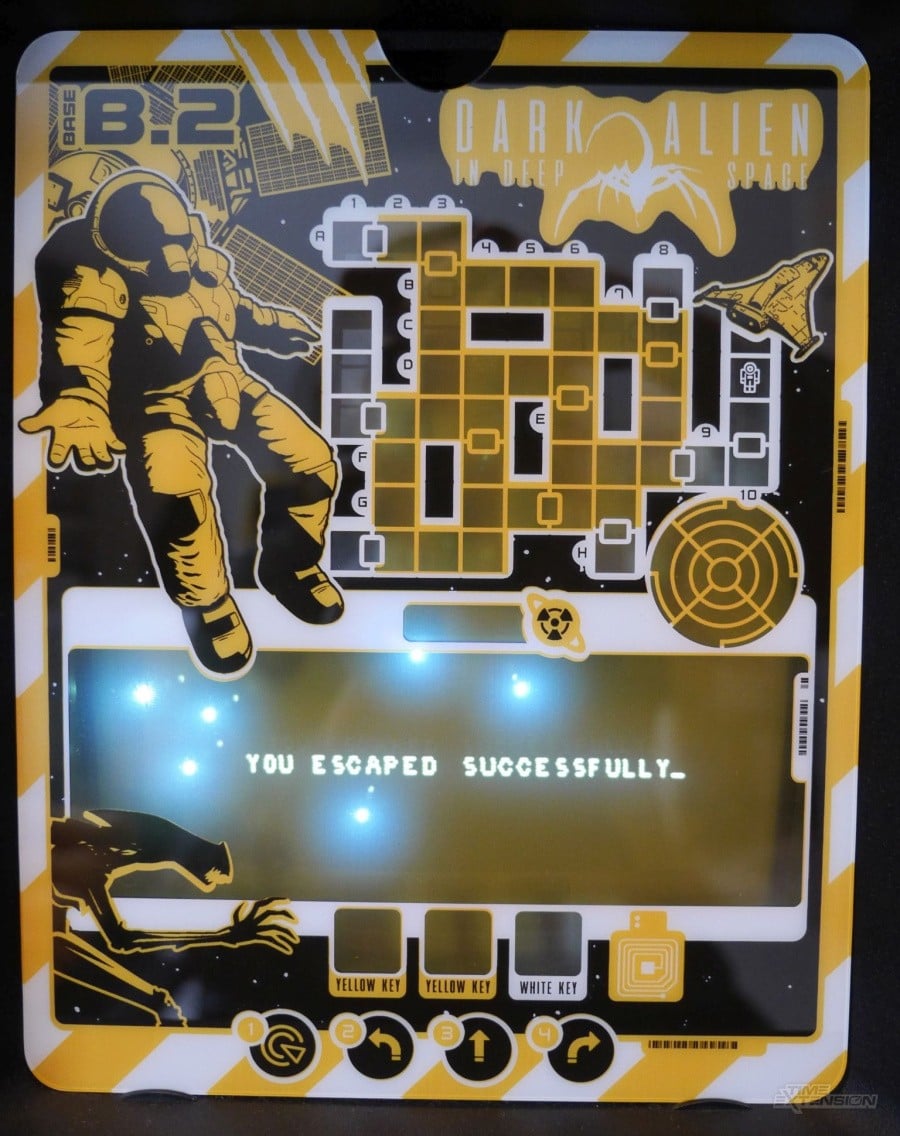
However, the unique nature of the Vectrex also introduces specific operational challenges. One significant point of both praise and frustration is the calibration screen. As Vectrex consoles age, their screen geometry inevitably shifts. This often necessitates replacing specific capacitors that tend to dry out and carefully adjusting potentiometers to realign the display. Consequently, no two Vectrex units will possess identical screen geometry. While generally unproblematic for most games, Dark Alien In Deep Space relies heavily on its physical screen overlay, meaning even slight misalignments can render the game unplayable.
AR Vectrex has ingeniously addressed this with an absolutely essential, comprehensive calibration screen. This feature allows players to precisely adjust parameters such as hall position, maze position, maze size, radar position, key position, and timer position. While becoming second nature with practice and taking less than a minute, this calibration is required every time the Vectrex is powered on, presenting a mild, albeit necessary, annoyance. The aforementioned lack of an on-screen inventory for crucial items like fuel cells, helmet, or spacesuit also remains a minor design flaw that players must compensate for through external note-taking.
Value Proposition and Community Impact
The price point of Dark Alien In Deep Space, approximately €80 plus shipping, represents a substantial investment. Conveying the nuanced, immersive experience through static images or even gameplay videos is inherently challenging. Yet, when contextualized within the retro gaming landscape, this cost becomes more understandable. Previous homebrew releases, such as A Crush of Lucifer (the last official retail game, lost for 40 years,