Cecilia Chamidah Nur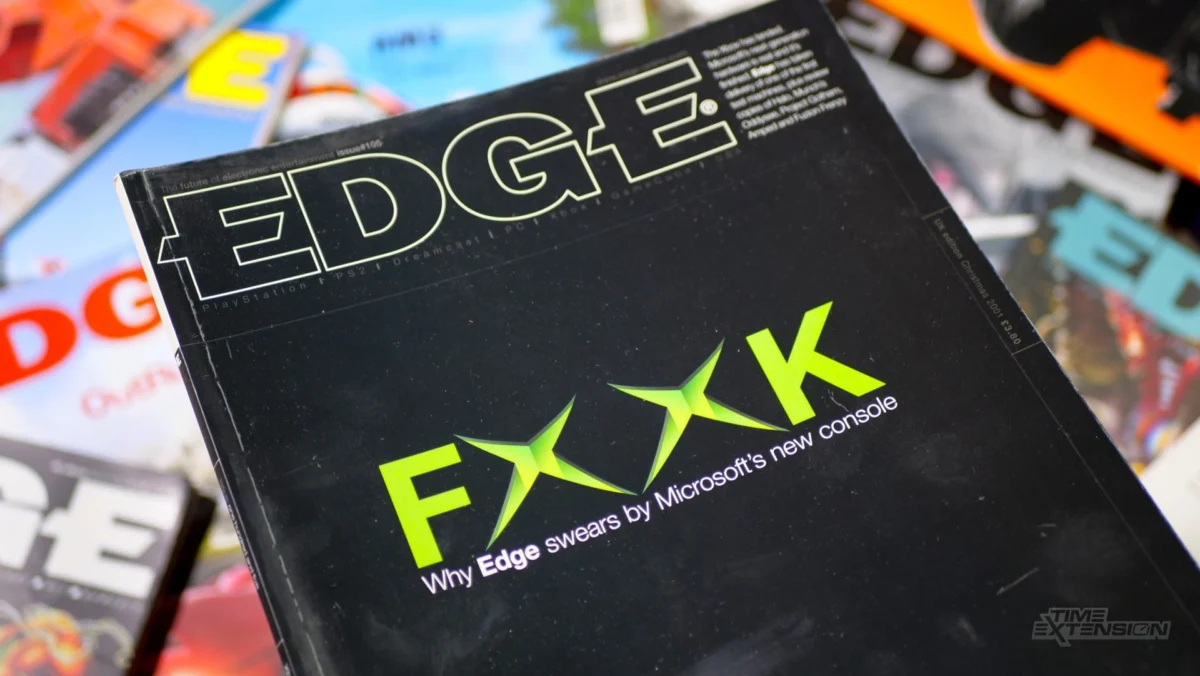
Tim Langdell, a figure widely recognized within the video game industry for his contentious assertions over the "Edge" trademark, has once again initiated legal proceedings, filing a federal complaint against Mobigame in Virginia. This latest action marks a significant escalation in a long-standing dispute, reigniting concerns about trademark trolling and its impact on developers. Mobigame CEO David Papazian has publicly affirmed his company’s determination to contest the claims, leveraging its recent commercial success to mount a robust defense against what it describes as a persistent and unwarranted legal challenge spanning nearly two decades.
A Protracted Battle: Mobigame’s 17-Year Ordeal with the ‘Edge’ Trademark
Mobigame’s critically acclaimed iOS title, EDGE, first encountered Langdell’s legal maneuvers in 2009. The game, lauded for its innovative puzzle-platforming mechanics, was temporarily removed from Apple’s App Store in both the U.S. and the UK following legal threats from Langdell, operating under the entity Edge Games. This forced removal deprived Mobigame of crucial revenue and market visibility during a formative period for mobile gaming. The incident became a widely publicized example of the challenges faced by independent developers when confronted by aggressive trademark enforcement.
The EDGE game eventually returned to digital storefronts under its original name later in 2009. This reversal was largely a consequence of broader legal action initiated by Electronic Arts (EA), which itself had clashed with Langdell over the title of its acclaimed parkour-themed game, Mirror’s Edge. EA’s legal challenge ultimately led to the cancellation of Langdell’s problematic "Edge" trademark registration, a victory that many in the industry hoped would put an end to his litigious activities. However, Papazian’s recent revelations indicate that the saga was far from over, highlighting the enduring nature of such intellectual property disputes.
"For more than 17 years, Mobigame has had to deal with Tim Langdell and Edge Games over the word EDGE," Papazian stated in a detailed post on LinkedIn, underscoring the extraordinary duration and burden of this legal entanglement. This long-running conflict has not only imposed significant financial and administrative strains on Mobigame but has also served as a stark reminder of the vulnerabilities of developers, particularly smaller studios, to broad trademark claims.
Langdell’s History: A Pattern of Broad Trademark Assertions
Tim Langdell’s history of asserting rights over the "Edge" trademark is extensive and has impacted several prominent entities within the gaming and publishing sectors. His modus operandi typically involved registering broad, common terms as trademarks and then issuing cease-and-desist letters or initiating legal action against any company using similar terminology, regardless of the distinctiveness of the products or the perceived lack of consumer confusion.
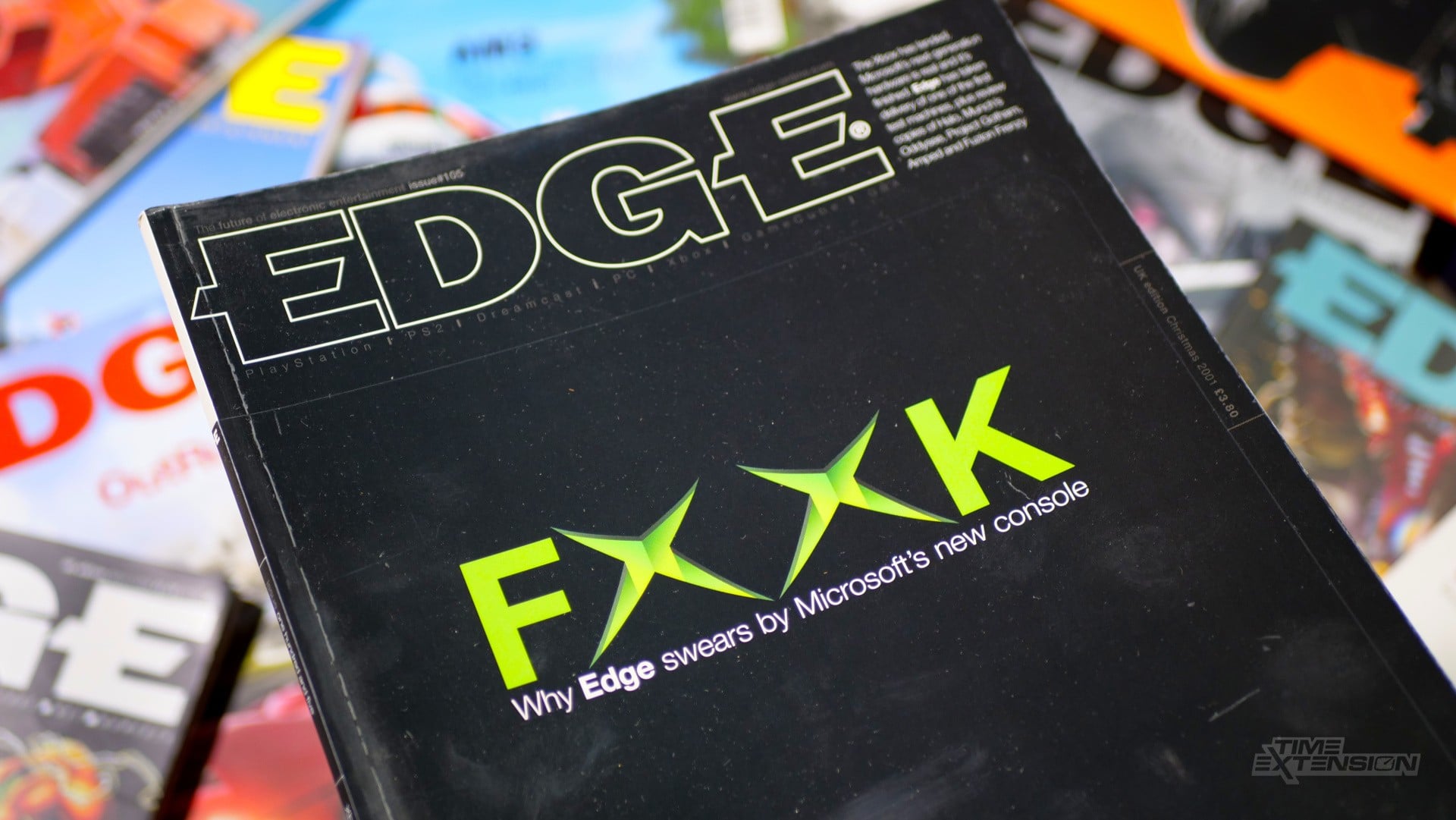
One of Langdell’s earliest and most notable targets was Future Publishing, the esteemed publisher behind the influential multi-format magazine Edge. Launched in 1993, Edge magazine quickly became a cornerstone of video game journalism, known for its in-depth reviews and critical analysis. Despite the clear distinction between a video game magazine and a video game itself, Langdell asserted his trademark rights, leading Future Publishing to initially license the trademark for its publication. This arrangement continued until 2005 when Future Publishing ultimately purchased the relevant part of the trademark from Langdell, effectively buying peace and securing their publication’s iconic name. This incident demonstrated Langdell’s willingness to leverage legal threats to extract financial concessions, even from established media companies.
Another high-profile case involved Japanese video game giant Namco. In the mid-1990s, Namco developed a highly anticipated 3D fighting game originally titled Soul Edge. To avoid potential legal issues and costly disputes with Langdell, Namco controversially changed the name of the game for its international release to Soul Blade. Subsequent installments in the immensely popular fighting series were then rechristened Soulcalibur, permanently altering the brand’s identity to steer clear of any further conflict. This decision by Namco, a major international developer, highlighted the chilling effect Langdell’s actions had on game development and marketing, forcing companies to make significant branding changes even when the merits of the trademark claim were debatable.
The legal challenge by Electronic Arts concerning Mirror’s Edge in the late 2000s proved to be a turning point. EA, a global publishing powerhouse, chose to fight Langdell’s claims rather than capitulate. Their legal action ultimately led to the U.S. Patent and Trademark Office (USPTO) canceling Langdell’s "Edge" trademark registration, a move widely celebrated by the gaming community as a victory against what was perceived as an abuse of trademark law. This cancellation should have, in theory, dismantled the legal foundation of Langdell’s claims. However, the current complaint against Mobigame suggests that Langdell is attempting to resurrect or re-establish his claims through new legal avenues.
The Current Complaint: The ‘Bobby Bearing’ Claim and Mobigame’s Rebuttal
The latest federal complaint filed by Langdell’s Edge Games hinges on a claim that "Edge Games used EDGE GAMES in U.S. commerce as early as 2003 through Bobby Bearing." This assertion seeks to establish a prior "use-based" claim for the trademark, which is crucial in U.S. trademark law where rights are often established by actual commercial use rather than mere registration. However, Mobigame’s CEO, David Papazian, has meticulously outlined the significant technical and factual flaws in this argument.
Papazian explained that the evidence highlighted by Langdell refers to a J2ME/Java mobile version of Bobby Bearing. The critical issue, as Mobigame points out, is that the trademark registration Langdell is attempting to revive stems from a use-based application filed in October 2010. For this claim to be valid, Edge Games would need to demonstrate "real, verifiable U.S. trademark use" before that 2010 date.
The technical landscape of mobile platforms in 2003 presents a significant hurdle for Langdell’s claim. In the early 2000s, the mobile market was fragmented, with distinct ecosystems. J2ME (Java 2 Platform, Micro Edition) was indeed prevalent in Europe, powering many feature phones and early smartphones. However, the U.S. carrier market was largely dominated by Qualcomm’s BREW (Binary Runtime Environment for Wireless) system. BREW and J2ME were incompatible ecosystems, meaning a game developed for one platform would not natively run on the other. Therefore, a European J2ME game available on the internet in 2003 does not, by itself, constitute evidence of U.S. trademark use in commerce. The barriers to entry for J2ME content into the U.S. market, largely controlled by carriers and their preferred BREW standard, were substantial.
Mobigame has taken proactive steps to debunk Langdell’s Bobby Bearing claim. Papazian revealed that Mobigame has contacted the original developer of the Bobby Bearing mobile version. The developer’s testimony is unequivocal: "The J2ME version was created by his team, not by Langdell, and distributed mainly in Europe. A BREW version was discussed, but they refused the proposed conditions." Furthermore, Papazian notes that the screenshot used by Langdell as evidence even bears the name "Artegence," a Polish company directly connected to that development work. This detail strongly corroborates the developer’s account and undermines Langdell’s assertion of independent U.S. commercial use. The implication is that Langdell is attempting to claim credit for, and derive trademark rights from, a product developed and primarily distributed by a third party in a different market, with no substantial U.S. commercial footprint attributable to Edge Games prior to the 2010 cutoff.
Mobigame’s Strong Stance: A Public Fight for Justice
The landscape for Mobigame today is dramatically different from what it was in 2009. The intervening years have seen the studio achieve significant commercial success, particularly with its popular mobile game Zombie Tsunami. This title has garnered over 500 million downloads globally, establishing Mobigame as a financially robust and prominent player in the mobile gaming market. This newfound strength fundamentally alters Mobigame’s approach to the renewed legal challenge.
"Mobigame will not treat this as a private nuisance to be settled quietly," Papazian declared, signaling a departure from the typical strategy of quietly resolving such disputes to avoid prolonged litigation. He added with palpable resolve, "Thanks to Zombie Tsunami and its 500M+ downloads, we have the means, evidence and determination to fight this case to the end. Yes, Tim, more than half a billion zombies are finally here to help us clean up this mess." This statement, while containing a touch of defiant humor, underscores the company’s serious commitment to a full legal battle.
Mobigame is not merely defending itself; it is actively seeking to expose what it characterizes as predatory legal practices. Papazian emphasized his team’s willingness to "welcome discovery," a legal process allowing parties to obtain evidence from each other. He explicitly stated their intent to request "the documents, metadata, alleged sales records, file sources, chain of rights, communications, …" from Edge Games. The stated goal is clear: "If the evidence confirms what the public record suggests, Mobigame will seek full compensation. We intend to expose Tim Langdell for what he is: a trademark troll, and keep this fight public, factual and documented, so the industry can learn from it and help ensure this never happens again." This approach suggests Mobigame aims not just for a win in court, but for a precedent that deters similar actions in the future, positioning itself as a champion for other developers who might face similar challenges.
Broader Implications for Trademark Law and the Digital Games Industry
This renewed legal battle carries significant implications for trademark law, especially in the context of digital products and international commerce. The core of the dispute—establishing "use in commerce" for older digital products across different geographical and technical ecosystems—is complex. If Langdell were to succeed, it could potentially embolden others to resurrect questionable, long-dormant trademark claims based on tenuous evidence of early digital distribution, creating uncertainty for developers operating in a global market.
Conversely, a decisive victory for Mobigame could set an important precedent. It could clarify the standards for proving "use in commerce" for legacy digital content, particularly regarding platform incompatibility and geographical market penetration. Such a ruling might provide greater protection for developers against broad, generic trademark claims, reinforcing the principle that trademarks must be actively and genuinely used in specific markets to maintain validity.
The case also highlights the ongoing struggle against "trademark trolling," where individuals or entities acquire trademarks with the primary intent of monetizing them through legal threats or settlements, rather than through active development and commercialization of distinct products or services. Such practices can stifle innovation, particularly within the independent game development community, where small studios often lack the resources to fight protracted legal battles. Mobigame’s public and determined stance, backed by its commercial success, offers a potential model for how developers can collectively resist such tactics. By meticulously documenting the facts and seeking full compensation, Mobigame aims to not only defend its own rights but also to educate the industry and potentially contribute to a legal framework that better protects creators.
Langdell’s Current Public Profile
In a curious juxtaposition to his litigious activities within the gaming industry, Tim Langdell has in recent years cultivated a public profile that includes spiritual and academic pursuits. He is reportedly an ordained Priest (Zen and Christian) and Chaplain, engaged in palliative care. Furthermore, he has authored books on diverse subjects ranging from "computer programming, video game design, virtual reality, psychology and hospice." Recently, he also republished a book he wrote about the ZX Spectrum, an iconic 8-bit home computer from the 1980s. These diverse activities present a stark contrast to the image of a relentless trademark litigant that he holds within the video game community.
The ongoing legal battle between Mobigame and Tim Langdell is more than just a dispute over a single word; it is a test case with the potential to significantly influence the landscape of intellectual property rights in the digital age. Mobigame’s resolute commitment to a public and thoroughly documented fight underscores a broader industry desire to address and curb the practices of trademark trolling, aiming to ensure a more equitable and predictable environment for creative endeavors. The industry will undoubtedly watch closely as the "half a billion zombies" of Zombie Tsunami downloads rally behind Mobigame in its quest to "clean up this mess."