Cecilia Chamidah Nur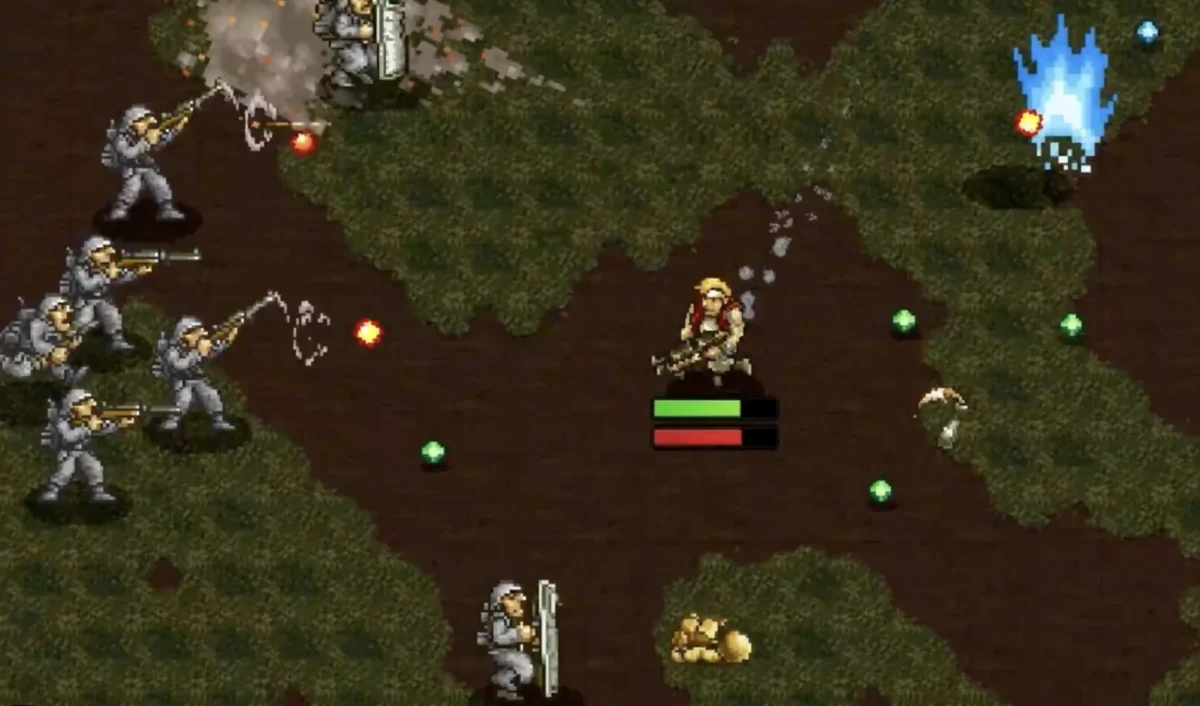
A Legacy Forged in Pixel Art and Precision
To understand the depth of the fan reaction, it is crucial to appreciate the indelible legacy of Metal Slug. The series first burst onto the scene in 1996 on SNK’s Neo Geo arcade and home systems, quickly establishing itself as a benchmark for 2D side-scrolling run-and-gun action. Developed initially by Nazca Corporation before being acquired by SNK, Metal Slug captivated players with its exquisitely detailed pixel art, fluid animations, and a distinctive blend of intense action and whimsical humor.
The core gameplay loop involved players controlling a soldier, typically Marco Rossi or Tarma Roving, through meticulously crafted levels, battling hordes of enemy soldiers, unique vehicles, and towering bosses. Key elements that defined the series included:
- Pixel Art Mastery: The visual fidelity was unparalleled for its time, with intricate environments, expressive character sprites, and explosive animations that gave every bullet and explosion a visceral impact.
- Tight Controls and Precision Platforming: Success in Metal Slug demanded precise movements, quick reflexes, and strategic weapon management.
- Iconic Vehicles: The titular "Metal Slug" tanks, alongside other inventive vehicles like camels, aircraft, and submarines, offered unique gameplay mechanics and amplified firepower.
- Distinctive Humor: Despite its military theme, the series was infused with slapstick comedy, from exaggerated enemy deaths to humorous character animations and unexpected transformations (like becoming a zombie or a mummy).
- Challenging Difficulty: Metal Slug was a true arcade experience, designed to be challenging but fair, encouraging replayability and mastery.
Over its nearly three-decade history, the Metal Slug series has seen numerous mainline entries and ports across various platforms, including PlayStation, Sega Saturn, Game Boy Advance, and modern digital storefronts. Its consistent quality in terms of gameplay and aesthetics solidified its place as a beloved classic, fostering a dedicated global fanbase that cherishes its unique blend of action, art, and humor. The expectation for any new Metal Slug title, therefore, is often rooted in a desire to see these core tenets upheld and evolved, not fundamentally altered.
The Rise of the "Vampire Survivors" Phenomenon
The genre Metal Slug Rush is attempting to emulate, often termed "bullet heaven" or "auto-battler roguelite," owes its recent explosive popularity almost entirely to the indie hit Vampire Survivors. Released in late 2021, Vampire Survivors quickly became a breakout success, garnering critical acclaim and a massive player base due to its deceptively simple yet incredibly addictive gameplay.
In Vampire Survivors, players control a character who automatically attacks surrounding enemies. The primary interaction involves moving the character to avoid incoming projectiles and collect experience gems, which are used to level up and acquire new weapons and passive abilities. The game’s roguelite elements ensure each run is unique, with players experimenting with different builds and strategies to survive increasingly overwhelming waves of enemies for as long as possible. Its accessible controls, deep progression system, and satisfying power-up synergies created a compelling loop that resonated deeply with players seeking a low-barrier-to-entry, high-satisfaction experience.
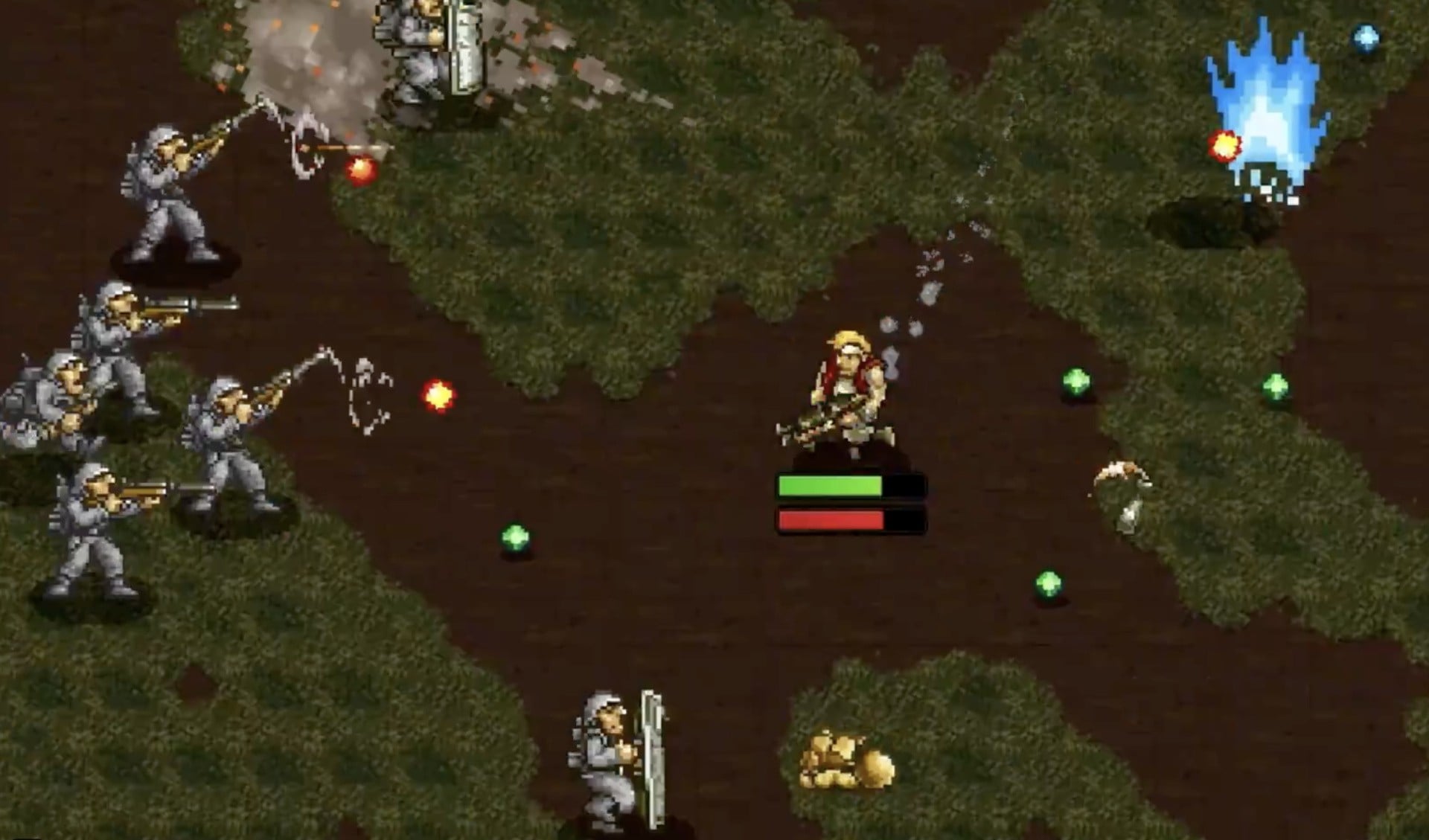
The success of Vampire Survivors spawned a new wave of imitators and inspired titles, eager to capitalize on its innovative formula. The mobile gaming market, in particular, has seen a proliferation of games adopting this genre due to its suitability for touch controls and short, engaging play sessions. Titles like Brotato, 20 Minutes Till Dawn, and countless mobile clones have proven the viability of this gameplay style.
However, the timing of Metal Slug Rush‘s entry into this crowded space has also drawn criticism. Some commentators suggest that the "Vampire Survivors" trend, while still popular, may have peaked, and that Metal Slug Rush is arriving "a year or two too late" to truly ride the crest of its wave, potentially appearing as a derivative rather than an innovative adaptation.
A Chronicle of Diversification: Metal Slug’s Prior Departures
While Metal Slug Rush represents a significant genre shift, it is not the first time the franchise has ventured beyond its traditional run-and-gun formula. SNK, like many legacy publishers, has explored various avenues to keep its classic IPs relevant and accessible to new audiences, often through spin-offs and genre experiments. These prior attempts offer crucial context to the current controversy:
- Metal Slug Defense (2014) & Metal Slug Attack (2016): These were mobile tower defense/strategy games that garnered considerable success, particularly in Asian markets. While they retained the iconic pixel art and characters, the gameplay was fundamentally different, focusing on deploying units and managing resources in lane-based combat. Despite their commercial performance, these titles were often viewed by core fans as separate entities from the main series, tolerated but not embraced as "true" Metal Slug experiences.
- Metal Slug Tactics (Announced 2021): This title, developed by Leikir Studio and published by Dotemu, promises a tactical RPG experience with roguelite elements. The announcement of Tactics was generally met with more positive reception, as it seemed to lean into a genre that still required strategic thinking and showcased a visually appealing pixel art style that resonated with the series’ heritage, even if the gameplay was different. It demonstrated a thoughtful approach to adapting the IP.
- Metal Slug Awakening (2023): This 2.5D side-scrolling action game, developed by TiMi Studios (Tencent Games) for mobile platforms, aimed to modernize the classic run-and-gun experience with updated visuals while retaining the core gameplay. While visually distinct, it was still recognizably a Metal Slug action game, albeit with a different aesthetic and mobile-centric design. Its reception was mixed, with some praising the modernization and others lamenting the loss of the original pixel art charm.
- Crossover Appearances: The Metal Slug IP has also appeared in various other free-to-play titles, such as the competitive RTS Warpath, where characters and vehicles from the series are integrated as special units or commanders. These crossovers are generally seen as promotional tools rather than significant entries in the franchise canon.
The key distinction between these previous spin-offs and Metal Slug Rush lies in the nature of the genre shift. While Tactics adapted the IP into a strategic format, it still implied a level of tactical depth. Awakening attempted to modernize the core action. Defense and Attack found their niche on mobile, but Rush‘s adoption of the "Vampire Survivors" formula feels, to many, like a more direct, less imaginative trend-chasing move, especially given its perceived lateness to the trend.
The Roar of Discontent: Fan and Community Reactions
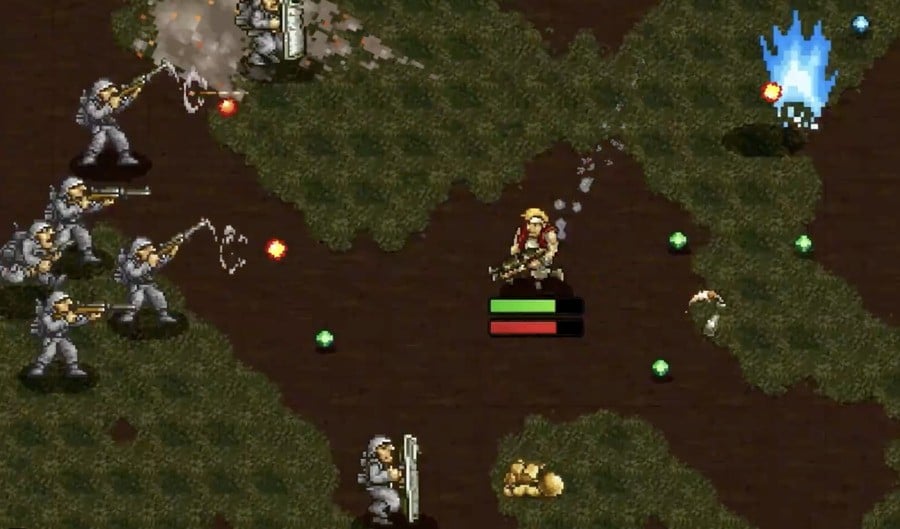
The immediate and widespread backlash to Metal Slug Rush highlights the deep emotional connection fans have with the franchise. The social media reaction, as the initial article notes, has been "mostly scathing," with a clear consensus that this particular interpretation misses the mark entirely. The evocative comparison to "seeing your dead granny’s corpse refurbished into a chair" underscores a profound sense of disrespect and disillusionment.
Common themes emerging from fan discussions include:
- IP Dilution: Many fear that constant genre shifts and mobile spin-offs dilute the brand identity of Metal Slug, making it harder for new generations to understand its original appeal.
- "Cash Grab" Accusations: Critics often perceive such mobile adaptations as cynical attempts to capitalize on a popular IP and current trends without genuine creative investment or respect for the source material. The free-to-play model, often associated with aggressive monetization, further fuels these concerns.
- Misunderstanding Core Appeal: Fans argue that the auto-battler genre fundamentally misunderstands what makes Metal Slug great: the precise controls, the skill-based shooting, the meticulously designed levels, and the dynamic interaction with weapons and vehicles. An auto-battler strips away much of this player agency.
- Lost Potential: There’s a palpable frustration that resources are being allocated to trend-following mobile games instead of a true successor that builds upon the foundational gameplay that made Metal Slug famous.
- "Too Late to the Party": As mentioned, the timing of Metal Slug Rush in the "Vampire Survivors" wave makes it appear less innovative and more like a belated attempt to cash in on an established trend.
This intense disappointment underscores the delicate balance publishers must strike when evolving a beloved franchise. While diversification can attract new players and generate revenue, it risks alienating the loyal fanbase that has sustained the IP for decades if the new direction strays too far from the core identity or appears to be creatively bankrupt.
SNK’s Strategic Vision and the Future of the IP
The development of Metal Slug Rush by Ring Games Corp, under the Metal Slug IP, falls within SNK’s broader strategy for its extensive catalog of classic franchises. SNK, a company with a rich arcade heritage, has been navigating the evolving gaming landscape for decades, transitioning from arcade cabinets to console releases and, more recently, embracing the lucrative mobile market.
SNK’s strategy typically involves a multi-pronged approach:
- Mainline Console/PC Releases: Titles like The King of Fighters XV and Samurai Shodown demonstrate a commitment to delivering high-quality, competitive fighting games for core fans on traditional platforms.
- Remasters and Re-releases: SNK frequently re-releases its classic titles on modern platforms, catering to nostalgia and introducing them to new players.
- Mobile Adaptations and Spin-offs: This is where titles like Metal Slug Rush, Defense, and Attack fit in. The mobile market represents a massive audience and a significant revenue stream, especially in Asia, where free-to-play models are dominant.
- Genre Diversification: Experimenting with IPs in different genres, such as the upcoming Metal Slug Tactics, is a way to broaden the appeal and explore new creative avenues for the franchise.
The decision to greenlight Metal Slug Rush likely stems from a combination of factors: the undeniable success of the "Vampire Survivors" genre, the lower development cost and faster turnaround time often associated with mobile games, and the desire to continually push the Metal Slug brand into new market segments. From a business perspective, leveraging a recognizable IP in a proven mobile genre can seem like a logical, low-risk strategy.
Crucially, the original article hints at a potential silver lining amidst the Rush controversy: the possibility that this mobile game is not the "mainline Metal Slug entry" SNK was teasing "a while back." This reference likely pertains to the previously announced "Saudi-funded Metal Slug reboot," which many fans hope will bring the series back to its pixel-art roots and traditional run-and-gun gameplay. SNK’s majority shareholder, Savvy Games Group, a gaming and esports company wholly owned by Saudi Arabia’s Public Investment Fund, has invested heavily in SNK, with an expressed interest in expanding the company’s IP reach globally. This investment could fuel both traditional, high-budget console entries and a wider array of mobile spin-offs, allowing SNK to pursue both strategies simultaneously. If Metal Slug Rush is indeed a separate, lower-stakes mobile venture, it might temper some of the frustration, leaving room for a more faithful "mainline" experience in the future.
Implications for Classic Franchises in a Modern Landscape
The Metal Slug Rush controversy serves as a microcosm of the broader challenges faced by classic gaming franchises in the modern era. As the gaming industry continues to evolve, publishers grapple with the delicate balance between honoring heritage and embracing innovation, between catering to established fanbases and attracting new players, and between artistic integrity and commercial viability.
Key implications include:
- The Power of Nostalgia vs. Market Trends: While nostalgia is a powerful force that drives re-releases and remasters, it can also set rigid expectations for new entries. Publishers must weigh the potential gains from chasing current market trends (like auto-battlers) against the risk of alienating their core, often vocal, fanbase.
- IP Management in a Multi-Platform World: With gaming spanning consoles, PC, and mobile, managing a beloved IP across diverse platforms and genres becomes increasingly complex. Each platform often demands a different design philosophy and monetization model, making it difficult to maintain a consistent brand identity.
- The "Spin-off" Dilemma: The line between a successful spin-off that expands an IP and a perceived "cash grab" that dilutes it is often thin. Transparency from publishers about the nature of new titles (i.e., clarifying if it’s a spin-off versus a mainline entry) can help manage fan expectations.
- Fan Engagement and Feedback: The instantaneous nature of social media means fan reactions are immediate and powerful. While not all feedback can or should dictate development, ignoring widespread sentiment can damage brand loyalty and long-term goodwill.
- The Future of 2D Pixel Art: For franchises like Metal Slug, where the aesthetic is integral to its identity, shifting to 3D or 2.5D, or abstracting the visuals entirely (as an auto-battler might), can be particularly contentious. The debate over whether to preserve or modernize classic art styles remains ongoing.
Ultimately, the reception of Metal Slug Rush underscores the high stakes involved when revered franchises venture into new territory. The gaming community’s passionate response is a testament to the series’ enduring appeal and a clear signal that, for many, the spirit of Metal Slug is inextricably linked to its roots as a precise, pixel-perfect run-and-gun masterpiece.
Conclusion: Navigating the Crossroads
The unveiling of Metal Slug Rush has placed SNK and the venerable Metal Slug franchise at a critical juncture. While the publisher’s desire to explore new genres and tap into the lucrative mobile market is understandable from a business perspective, the intense negative reaction from fans highlights the risks of diverging too sharply from an IP’s established identity. The perceived lateness to the "Vampire Survivors" trend, coupled with the fundamental shift away from the series’ iconic run-and-gun mechanics, has sparked a debate about what constitutes a genuine Metal Slug experience.
As the franchise approaches its 30th anniversary, the hope remains that Metal Slug Rush is merely one facet of a broader strategy, and that a dedicated mainline entry, one that honors the series’ rich heritage of exquisite pixel art, challenging gameplay, and unique humor, is still on the horizon. The industry continues to evolve, but the passionate voices of long-time fans serve as a powerful reminder that while innovation is welcome, the soul of a classic franchise is often best preserved by understanding and respecting its foundational pillars.