
 Hartono Sudibyo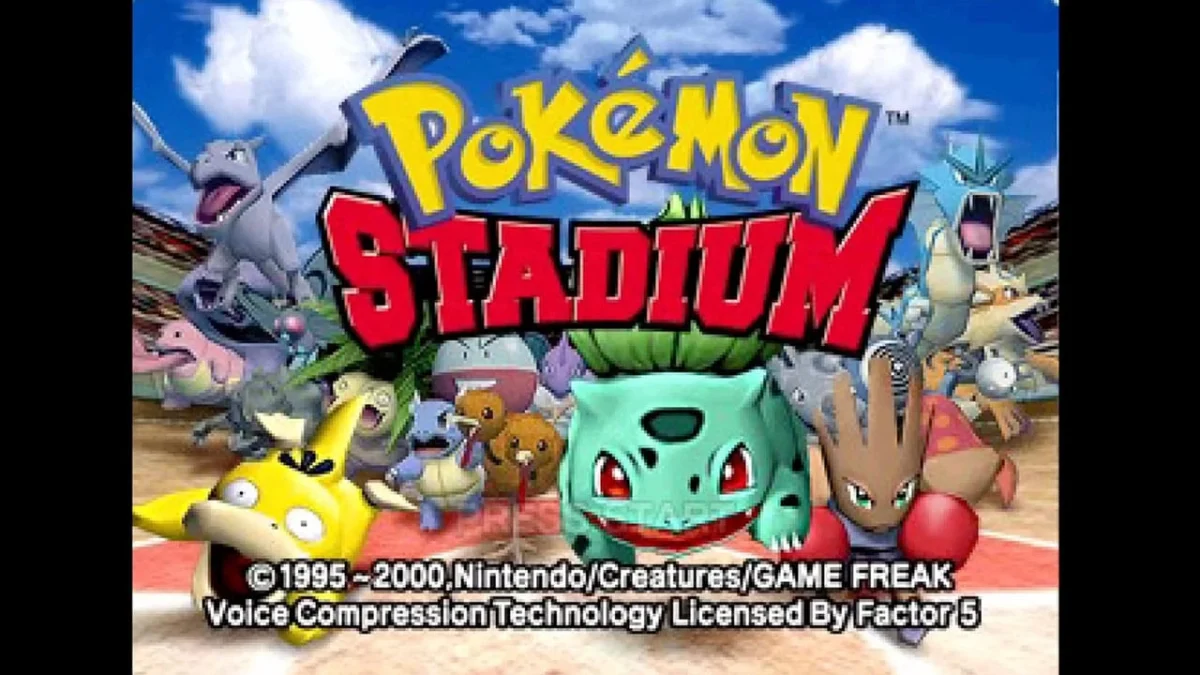
The landscape of classic video game preservation and accessibility continues to evolve at a rapid pace, with a notable surge in the number of Nintendo 64 titles being reimagined as native PC experiences. In a recent development that has generated both excitement and discussion within the retro gaming community, a recompilation of the beloved N64 title Pokémon Stadium has been released, offering players a chance to experience the Kanto region’s Pokémon battles on their personal computers. This project, spearheaded by developer Matt Stanley, known online as mstan, has been formally released as "SS Anne." However, the project’s transparency regarding the use of AI in its development has sparked a conversation about the role of artificial intelligence in game decompilations and the future of fan-made game enhancements.
The Genesis of the Pokémon Stadium Recompilation
Pokémon Stadium, originally released for the Nintendo 64 in 1998 (Japan) and 1999 (North America), allowed players to experience Pokémon battles in a 3D environment, a significant leap from the 2D sprites of the Game Boy titles. The game served as a companion to the original Pokémon Red, Blue, and Yellow versions, enabling players to transfer their captured Pokémon and engage in strategic battles against a series of trainers and gym leaders. Its popularity cemented its status as a fan favorite within the N64’s extensive library.
For years, dedicated fans have sought ways to play these classic titles on modern hardware, often relying on emulators like RetroArch or specific emulation front-ends. However, the desire for "native" PC ports, which offer enhanced performance, improved graphics, and quality-of-life features without the overhead of emulation, has grown considerably. Projects aiming to decompile these games—essentially reverse-engineering the original code to rebuild it for a different platform—have become increasingly sophisticated.
Prior to the Pokémon Stadium recompilation, other N64 titles have seen similar fan-driven efforts. Notable examples include native PC ports of The Legend of Zelda: Majora’s Mask and Quest 64 (also known as Holy Magic Century in some regions). These projects have demonstrated the technical prowess and dedication of the retro gaming community, offering players a taste of classic gameplay with modern conveniences. The release of Pokômon Stadium as a recompilation was, therefore, a highly anticipated event for many fans of the franchise.
The "SS Anne" Project: Features and Functionality
The "SS Anne" recompilation aims to transform Pokémon Stadium from an emulated game into a standalone PC application. This approach offers several distinct advantages for players. Firstly, it eliminates the need for external emulation software, streamlining the user experience. Secondly, it allows for optimizations and enhancements that are often difficult or impossible to achieve through emulation alone.

Key features highlighted by mstan and showcased in accompanying videos include:
- Native PC Execution: The game runs as a native application, potentially offering improved performance and stability compared to emulated versions.
- Transfer Pak Support: A significant draw for fans is the inclusion of support for a virtual Transfer Pak. This allows players to import their existing Pokémon teams from original Game Boy cartridges, a feature crucial for an authentic Pokémon Stadium experience.
- Game Boy Tower Integration: The recompilation includes functionality for the Game Boy Tower, enabling players to engage with their original Kanto adventures through the game. This integration requires selecting the desired game from a setup screen before launching the main application.
- Visual and Technical Enhancements: Beyond core functionality, the project boasts graphical improvements such as sharper visuals, smoother character models, and the rectification of various in-game glitches. These updates aim to modernize the game’s presentation while preserving its original aesthetic.
- Customization Options: A setup screen allows users to configure various aspects of the game before starting, potentially including control schemes, graphical settings, and the selection of linked Game Boy titles.
The project’s GitHub page serves as the central hub for technical details, development logs, and download links, fostering transparency and community engagement.
The AI Controversy: Transparency and Concern
While the technical achievements of the "SS Anne" recompilation are significant, its development has brought to the forefront a growing debate within the modding and decompilation community: the use of Artificial Intelligence. Matt Stanley has openly acknowledged and credited Claude, a large language model developed by Anthropic, as a contributor to the project. This transparency has been met with a mixed reception.
The original author expresses a personal unease with the increasing reliance on AI in game decompilations. The article notes a trend of "third decomp in the last couple of weeks that’s released with the help of AI," suggesting a rapid shift in development methodologies. The author’s reservations stem from a perceived impact on the quality and integrity of the decompiled games.
Concerns articulated include:
- Potential for "Jankier" and "Messier" Games: The author posits that AI-assisted development might lead to less polished and predictable outcomes, potentially introducing unforeseen bugs or inconsistencies.
- Loss of Human Touch: A core argument is that AI may lack the nuanced understanding and creative intuition that human developers bring to game modification. This "human touch" is seen as crucial for ensuring that fan-made enhancements respect the original game’s design philosophy and feel.
- Ethical Considerations: The article touches upon the origin of video games, which were created by human developers. The author questions whether extensive AI involvement in their reconstruction undermines this legacy or compromises the player’s connection to the original artistic intent.
The author’s hesitations highlight a broader philosophical debate about the role of AI in creative endeavors, particularly in fields that celebrate human artistry and nostalgia. The concern is not necessarily about AI’s capabilities but about its appropriate application and the potential for it to dilute the authentic experience of interacting with retro games.

Community Reactions and Future Implications
The release of "SS Anne" and the accompanying discussion about AI’s role are likely to have far-reaching implications for the retro gaming community and the practice of game decompilation.
- Shifting Development Paradigms: As AI tools become more accessible and powerful, it is probable that more decompilation projects will leverage their assistance. This could accelerate the development process, allowing for more ambitious projects to be realized by smaller teams or individual developers.
- Evolving Standards of Quality: The community will need to establish new benchmarks for evaluating AI-assisted decompilations. Transparency regarding AI usage, as demonstrated by mstan, will likely become a critical factor in community acceptance.
- The Debate on Authenticity: The core of the discussion revolves around what constitutes an "authentic" retro gaming experience. Is it fidelity to the original code and design principles, or can AI-driven enhancements that improve performance and visuals be considered part of an authentic evolution?
- Creator’s Perspective: The original article’s author, Sebastian Santabarbara, explicitly states his personal discomfort, noting that he has "toyed with covering this or not" due to his feelings about AI. This personal stance underscores the emotional and ideological investment many have in retro gaming and its preservation. He concludes by inviting community input, asking, "What are your thoughts on using Claude to help with decomps? I’m a little biased, I know, so I would like to hear your thoughts in the comments below." This call for dialogue is crucial for navigating these evolving technological frontiers.
While the precise extent of Claude’s contribution to "SS Anne" remains unspecified by mstan, the acknowledgment itself signals a significant point of discussion. The future of game decompilation may well involve a hybrid approach, where human ingenuity directs and refines the output of AI tools, aiming to strike a balance between efficiency and artistic integrity.
The Path Forward for N64 Decompilations
The continued release of N64 titles as native PC ports, such as Pokémon Stadium, is a testament to the enduring appeal of this console generation and the dedication of its fanbase. As these projects proliferate, the community will undoubtedly grapple with the ethical, technical, and artistic questions raised by the integration of AI.
The "SS Anne" recompilation of Pokémon Stadium stands as a landmark not only for bringing a beloved title to PC but also for initiating a vital conversation. The success of future decompilation projects may depend on how effectively developers and communities can navigate the complex relationship between human creativity and artificial intelligence, ensuring that the spirit of the original games is honored while embracing the potential of new technologies. The ongoing efforts to preserve and enhance classic gaming experiences are a valuable pursuit, and the evolution of these methods, including the role of AI, will be a key aspect to watch in the coming years. The desire to play these games on modern platforms remains strong, and the methods employed to achieve this are as dynamic as the technology itself.








