Hartono Sudibyo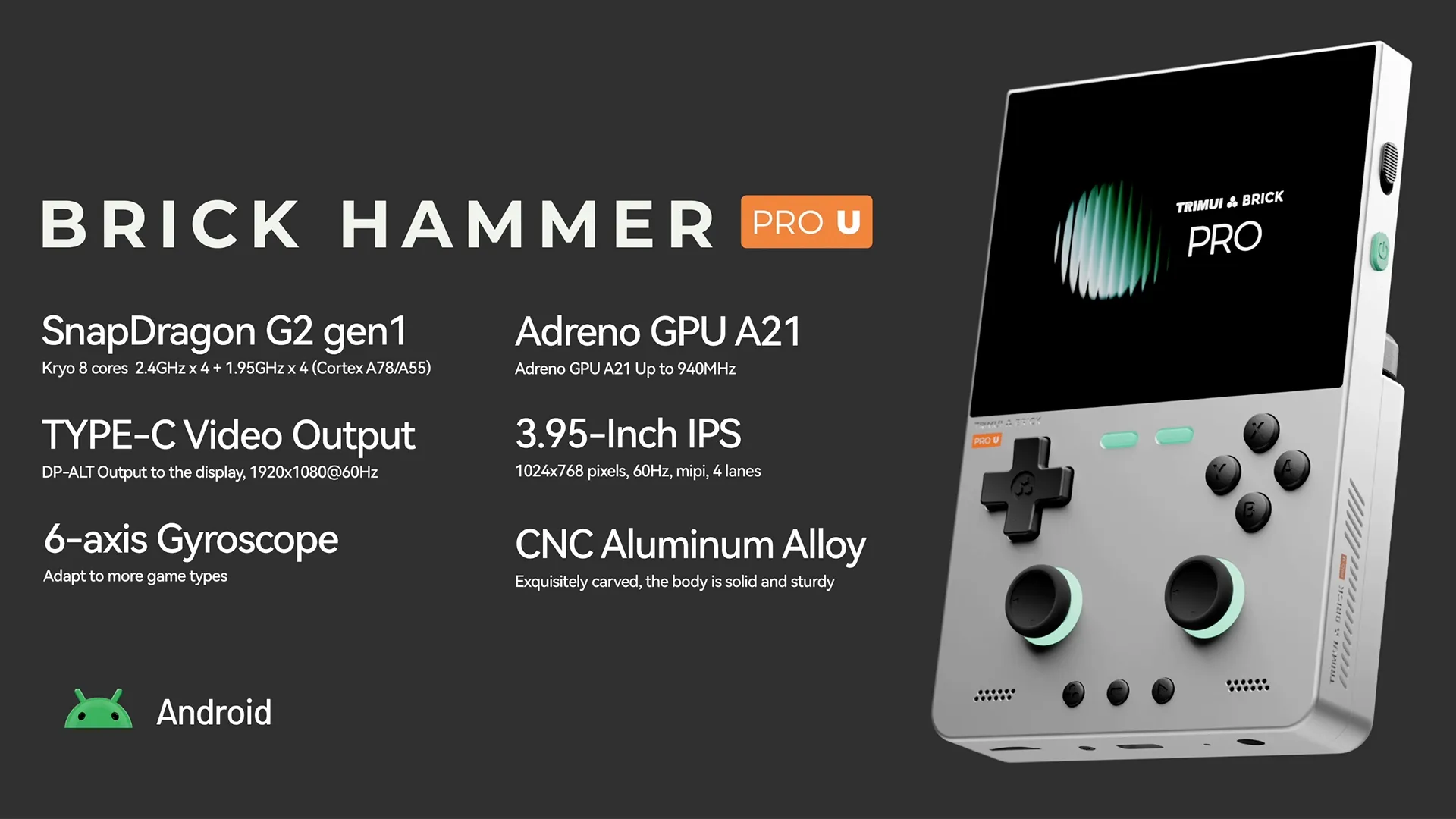
Retro gaming enthusiasts have a new reason to celebrate as TRIMUI, a company known for its stylish and capable retro handhelds, has officially announced the launch of two significant new devices: the premium Brick Hammer Pro U and the more accessible Brick Hammer Pro. This dual release, revealed via a YouTube broadcast and accompanied by detailed product pages, marks a notable expansion of TRIMUI’s product line, catering to different segments of the retro gaming market. The announcement comes after several months of anticipation, with the company having previously teased new hardware developments.
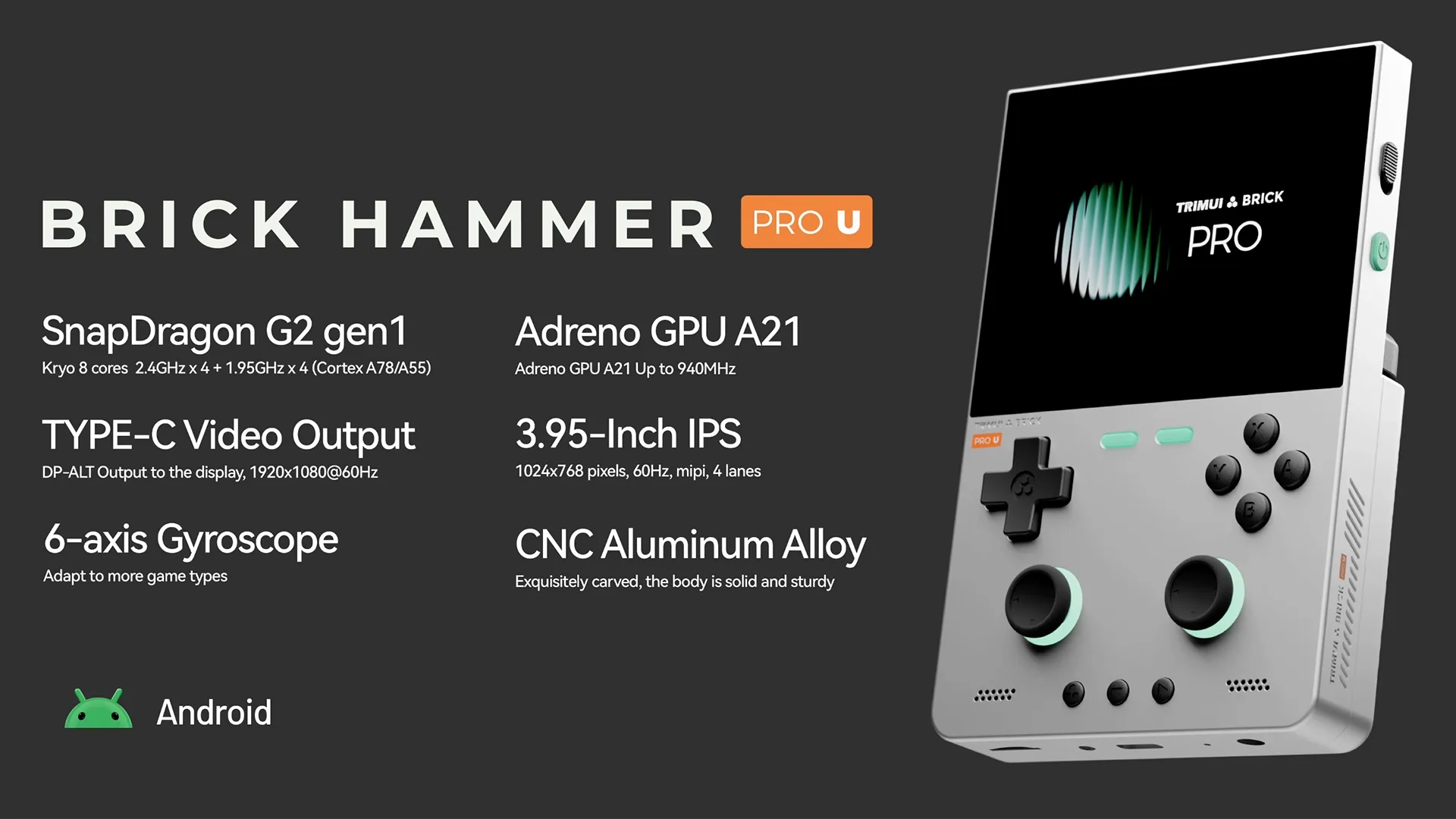
The TRIMUI Brick Hammer Pro U represents a significant step up in build quality and performance for the company. Constructed from a fully CNC-machined metal chassis, this Android-based handheld is designed to offer a robust and premium feel. Key specifications include dual Hall-effect joysticks, which are lauded for their durability and precision, and ALPS action buttons, a component often associated with high-quality gaming controllers. The device sports a 3.9-inch display, offering a vibrant visual experience for classic games, and features replaceable shoulder buttons, a thoughtful addition for customization and longevity. The design aesthetic appears to draw inspiration from the original TRIMUI Brick Hammer, a popular predecessor, suggesting a commitment to refined ergonomics and user-preferred layouts.
This new flagship device is positioned as TRIMUI’s most powerful handheld to date. Preliminary analysis of its specifications suggests it will be capable of emulating a wider range of systems than its predecessors, potentially including PlayStation 2 titles. This enhanced emulation capability is a key selling point for dedicated retro gamers seeking to experience a broader library of classic games on a dedicated device. The all-metal construction, while contributing to the premium feel and durability, also means the Brick Hammer Pro U will carry a noticeable weight, a factor that users typically weigh against the tactile benefits of metal casings. TRIMUI has indicated that the device will be available in three distinct metal finishes: Black, Grey, and Silver. Pricing and a firm release date for the Brick Hammer Pro U are yet to be officially disclosed, leaving enthusiasts to anticipate further details.
Complementing the premium offering is the TRIMUI Brick Hammer Pro. This model aims to provide a more budget-conscious entry point into TRIMUI’s latest handheld technology. Constructed from plastic, it is expected to be lighter and more affordable than its metal counterpart. Despite the material difference, the Brick Hammer Pro inherits several key features from the Pro U, including the dual Hall-effect joysticks, the same 3.9-inch display, and the ALPS action buttons, as well as the replaceable shoulder button design. This ensures that core gaming functionality and tactile experience remain high across both models.
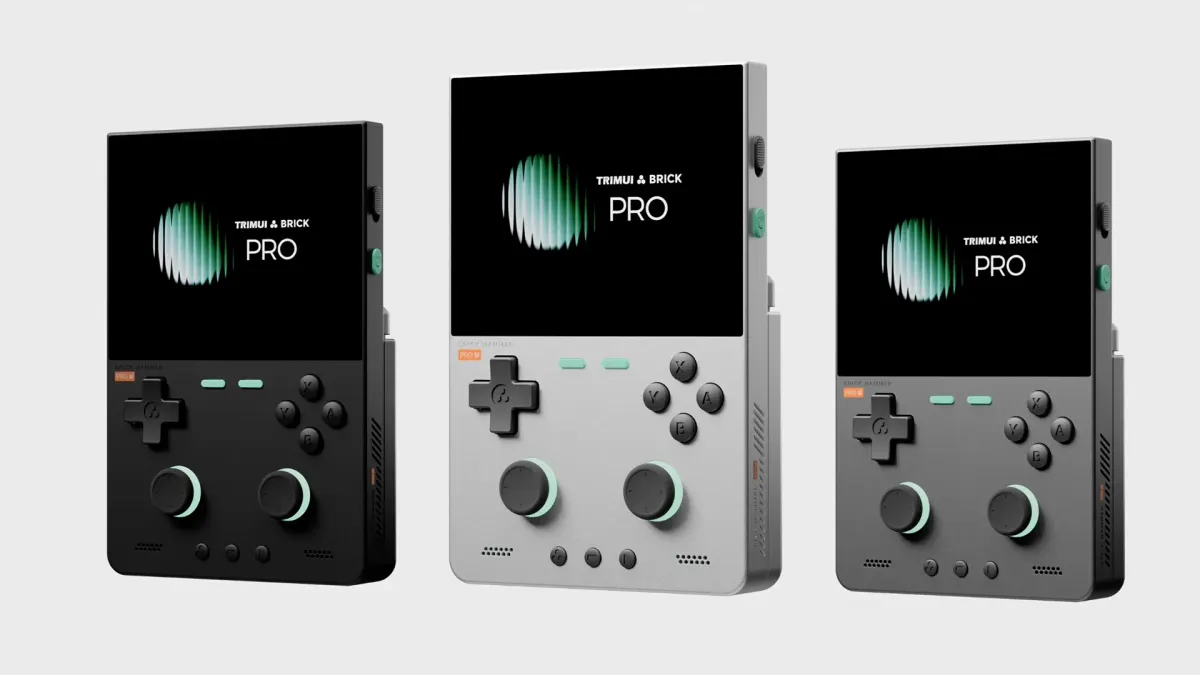
A notable design element of the Brick Hammer Pro is its "Retro Grey" variant, which features subtle design cues reminiscent of the original Nintendo Game Boy DMG. This inclusion is likely to resonate strongly with long-time retro gaming fans who appreciate such nostalgic touches. A familiar Black and White color option will also be available, catering to established TRIMUI aesthetics. In terms of performance, the Brick Hammer Pro’s internal specifications are reportedly identical to TRIMUI’s previous smaller Brick Hammer model. Based on past performance reviews of similar hardware configurations, this suggests that the Brick Hammer Pro will be adept at emulating systems up to and including the PlayStation 1, Nintendo 64, and Dreamcast eras. While the addition of dual joysticks and a larger screen are welcome upgrades, it remains to be seen if these enhancements alone will compel existing owners of the metal Brick Hammer to upgrade, especially when compared to the more substantial performance leap offered by the Pro U.
The unveiling of these two devices is strategically significant for TRIMUI. The retro handheld market has seen considerable growth in recent years, with numerous manufacturers entering the fray. TRIMUI’s approach of offering both a high-end, premium device and a more accessible option allows them to capture a wider audience. The Brick Hammer Pro U targets the enthusiast who prioritizes build quality, advanced features, and the highest possible emulation performance, while the Brick Hammer Pro appeals to those seeking a capable and stylish retro gaming device at a more attainable price point.
Background Context: The Rise of Retro Handhelds
The resurgence of interest in retro gaming has fueled a booming market for dedicated handheld consoles capable of emulating classic video games. Driven by nostalgia and a desire for more accessible and portable gaming experiences than original hardware provides, consumers have turned to devices that can play games from iconic consoles like the NES, Super Nintendo, Sega Genesis, PlayStation, and beyond. Companies like Anbernic, Retroid, Miyoo, and TRIMUI have emerged as key players, each offering a distinct approach to design, performance, and pricing.
TRIMUI has carved out a niche for itself with devices that often emphasize aesthetic appeal and build quality, such as their earlier Brick and Pocket series. The introduction of the Brick Hammer Pro U, with its CNC-machined metal body and powerful internals, signals an intent to compete at the higher end of the market, challenging established premium offerings. Simultaneously, the Brick Hammer Pro demonstrates a commitment to maintaining a presence in the more competitive mid-range and budget segments, where value for money is a crucial deciding factor.

Timeline of Development and Announcement
While specific internal development timelines are not public, the announcement follows a period of several months where TRIMUI engaged in teasing new hardware. This gradual reveal strategy is common in the consumer electronics industry, allowing companies to build anticipation and gauge market interest without committing to full product launches prematurely. The YouTube broadcast served as the official reveal event, providing a comprehensive overview of both devices, including visual demonstrations and a detailed look at their design and features. The inclusion of a video also allows for dynamic showcasing of the devices in action, a crucial element for consumer electronics.
Supporting Data and Technical Considerations
The choice of an Android operating system for the Brick Hammer Pro U is a strategic one. Android’s open nature allows for a vast ecosystem of emulators and front-end applications, giving users flexibility in how they manage and play their game libraries. The inclusion of Hall-effect joysticks is a significant upgrade over traditional potentiometer-based joysticks, which are prone to wear and drift over time. Hall-effect sensors use magnetic fields to detect movement, offering greater precision and significantly enhanced longevity. The ALPS action buttons are a recognized standard for quality in gaming peripherals, known for their tactile feedback and durability.
The 3.9-inch display size is a common choice in the vertical handheld form factor, striking a balance between portability and screen real estate. The resolution of this display will be a key factor in the visual fidelity of emulated games, particularly for systems with higher native resolutions. While specific CPU and GPU details for the Brick Hammer Pro U have not been fully disclosed, the claim of PS2 emulation capability suggests a chipset capable of handling demanding 3D graphics and complex processing, likely placing it in the mid-to-high tier of mobile processors suitable for emulation.
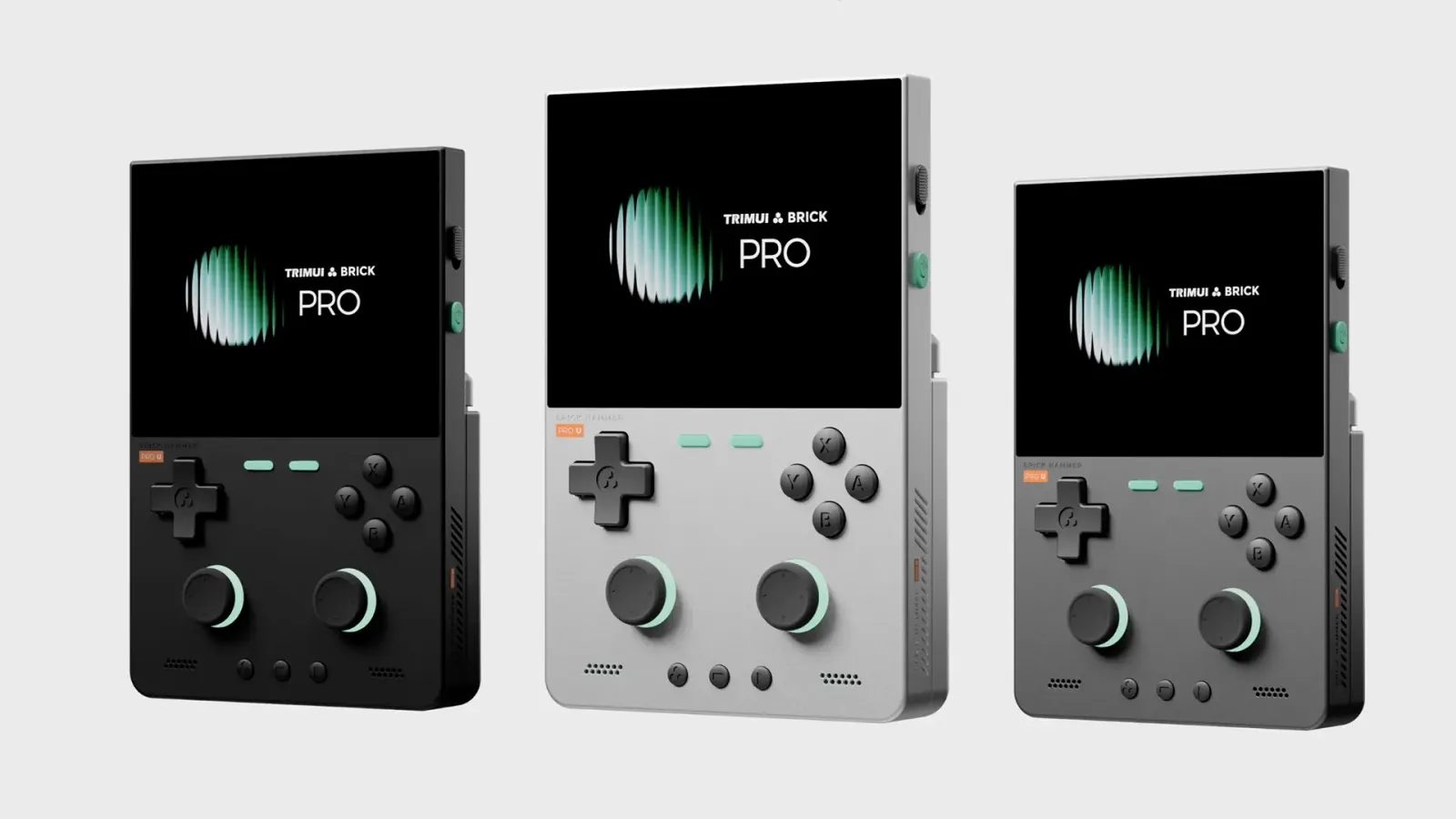
For the Brick Hammer Pro, the decision to retain the internal specifications of the previous Brick Hammer model, while upgrading the form factor and controls, suggests a focus on cost management and leveraging existing, proven hardware. The ability to emulate up to N64 and Dreamcast is a benchmark for many mid-range retro handhelds, indicating that this device will offer a robust gaming experience for a broad spectrum of classic titles.
Inferred Statements and Reactions
While no direct quotes from TRIMUI executives or external parties have been provided in the original content, we can infer potential sentiments. TRIMUI’s decision to launch two distinct devices likely stems from a strategic analysis of market demand. The company is likely aiming to solidify its position by catering to both the premium segment, where profit margins can be higher and brand prestige is built, and the volume-driven budget segment, which can ensure broader market penetration.
From the perspective of retro gaming enthusiasts, the announcement has been met with considerable interest. Forums and social media platforms dedicated to retro gaming are likely buzzing with discussions about the potential performance of the Brick Hammer Pro U, particularly its PS2 emulation capabilities. The aesthetic appeal of both devices, a hallmark of TRIMUI, is also a significant draw. The specific mention of the "Retro Grey" Game Boy-inspired design on the Brick Hammer Pro is likely to elicit positive reactions from a segment of the community that appreciates such thoughtful nods to gaming history.
Analysis of Implications
The introduction of the Brick Hammer Pro U signals TRIMUI’s ambition to be a serious contender in the premium retro handheld space. By investing in a CNC-machined metal build and high-quality components like Hall-effect joysticks, TRIMUI is positioning itself against established players in the high-end market. The success of this device will hinge on its actual emulation performance, particularly for more demanding systems like the PS2, and its competitive pricing relative to other premium Android handhelds.
The Brick Hammer Pro, on the other hand, represents a pragmatic approach to market coverage. By offering a refined design and updated controls at a potentially lower price point, TRIMUI can attract new customers who may have been deterred by the cost of higher-end devices. Its success will depend on its ability to offer a compelling value proposition, balancing features, build quality, and emulation performance against its competitors in the crowded budget handheld segment.
The dual release strategy allows TRIMUI to manage risk. If the premium market proves more challenging than anticipated, the Brick Hammer Pro can still drive sales volume. Conversely, if the Brick Hammer Pro U garners significant attention and positive reviews for its performance, it could elevate TRIMUI’s brand image across its entire product line. The company’s ability to deliver on promised performance, manage production effectively, and provide adequate customer support will be critical factors in the long-term success of both these new handhelds. The market will be watching closely to see how these two distinct offerings perform in terms of sales and user reception in the coming months.