Ganda Hendra Perkasa
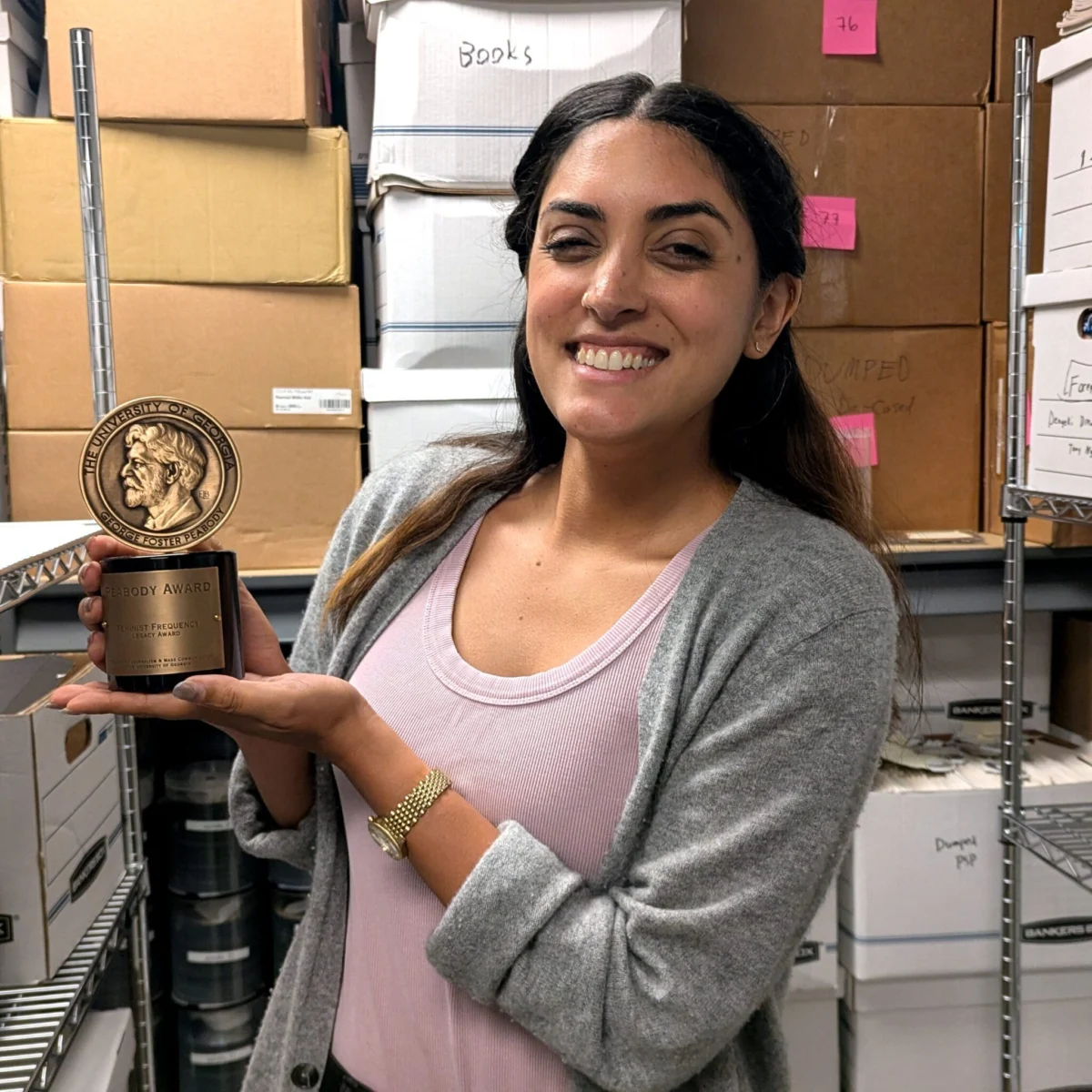
The latest installment of the esteemed "Video Game History Hour" podcast, Episode 155, features an in-depth conversation with Lindsey Kurano, the dedicated Curator of Electronic Games at The Strong Museum of Play. This episode offers listeners a compelling look into the multifaceted world of video game preservation, guided by Kurano’s unique and inspiring professional trajectory. Her journey, which began with an exchange student experience in Japan, evolved through a focus on film preservation, and ultimately led her to become a leading steward of interactive entertainment history, provides a rich narrative arc for understanding the complexities of safeguarding our digital heritage.
A Unconventional Path to Preserving Play
Lindsey Kurano’s professional path is a testament to the evolving landscape of cultural preservation and the growing recognition of video games as significant historical artifacts. Her early experience as a high school exchange student in Japan, a nation synonymous with pioneering video game development, likely sowed the seeds for her future specialization. This immersion in Japanese culture, particularly during a pivotal era for the burgeoning video game industry, provided an invaluable, albeit perhaps initially unintentional, foundation for her later career.
The transition from film preservation to electronic game curation highlights a broader trend in the museum world: the increasing acknowledgment that new media formats require specialized curatorial expertise. Film preservation, with its established methodologies and challenges related to analog media degradation, offers transferable skills and a foundational understanding of conservation principles. Applying these principles to the unique demands of digital and electronic media, which face distinct preservation hurdles such as technological obsolescence and format migration, demonstrates Kurano’s adaptability and foresight. The Strong Museum of Play, renowned for its comprehensive collections spanning toys, games, and digital entertainment, serves as an ideal institution for such specialized work, housing one of the most significant archives of electronic games globally.
Behind the Scenes: Building and Curating a Museum’s Legacy
The podcast episode delves into the operational realities of a major cultural institution, offering a rare glimpse into the processes that bring history to life for the public. Kurano elaborates on the critical and often labor-intensive work of building substantial museum collections. This process is heavily reliant on donor outreach, a sophisticated endeavor that involves identifying potential benefactors, articulating the museum’s mission, and fostering relationships that result in significant contributions of artifacts. The acquisition of rare or historically important video games, consoles, and related ephemera is crucial for ensuring a comprehensive and representative collection.
Beyond acquisition, the meticulous process of curating an engaging exhibit is explored. This involves not only the physical arrangement of artifacts but also the narrative development that contextualizes them for a diverse audience. Effective exhibition design requires a deep understanding of the subject matter, the ability to translate complex histories into accessible stories, and the consideration of visitor engagement. For video game exhibits, this can involve interactive displays, historical timelines, and the contextualization of games within broader social, technological, and cultural movements.
Spotlight on Japanese Indie Games and Broader Preservation Efforts
A significant portion of the discussion centers on Kurano’s recent exhibit dedicated to Japanese indie games. This focus is particularly noteworthy given Japan’s historical dominance in the video game industry and the often-overlooked contributions of its independent developers. Indie games, by their nature, represent a more diverse and experimental facet of game development, often pushing creative boundaries and reflecting niche cultural interests. Preserving these titles is vital for a complete understanding of the medium’s evolution and the varied creative voices within it. The exhibit likely showcased titles that might not have achieved mainstream commercial success but hold significant historical or artistic merit, offering a valuable counterpoint to the narratives of major console releases.
The conversation also addresses the fundamental challenge of preserving both hardware and software. This dual focus is essential because video games are intrinsically linked to the technology that enables them. A game cannot be experienced without the hardware it was designed for, and obsolete hardware can render software inaccessible. This necessitates efforts to preserve not only the game discs or cartridges but also the consoles, controllers, and even the operating systems required to run them. The rapid pace of technological advancement means that hardware from even a decade ago can become increasingly difficult to maintain and operate, posing a constant challenge for archivists.
The Indispensable Role of Independent Collectors and Enthusiasts
Kurano highlights the crucial, often underappreciated, role that independent collectors and enthusiasts play within the broader video game preservation ecosystem. These individuals, driven by passion and personal investment, often amass significant collections of games, consoles, and related materials that might otherwise be lost or discarded. Their efforts can predate or supplement institutional collecting, preserving items that may not yet be recognized as historically significant by larger organizations.
The relationship between institutions like The Strong Museum of Play and independent collectors is symbiotic. Collectors can provide access to rare items, offer invaluable knowledge about specific games or hardware, and sometimes even donate or sell their collections to museums, ensuring their long-term preservation and accessibility for research and public display. The podcast likely emphasized the importance of fostering these relationships and recognizing the contributions of this vital community. The digital age has also seen the rise of online communities dedicated to emulation, ROM preservation, and the sharing of technical knowledge, further amplifying the impact of individual enthusiasts.
A Glimpse into the Future: Upcoming Exhibits and Initiatives
The episode concludes with a tantalizing preview of upcoming exhibits and initiatives at The Strong Museum of Play. While specific details might remain under wraps, this forward-looking perspective underscores the museum’s commitment to ongoing engagement with the evolving field of video game history. These future projects will undoubtedly build upon the museum’s existing strengths and continue to shed light on under-explored aspects of gaming culture and technology.
The discussion about future exhibits suggests a dynamic and evolving approach to presenting video game history, hinting at potential themes that could encompass the social impact of gaming, the evolution of online multiplayer experiences, or the artistic and narrative innovations within the medium. Such previews serve to build anticipation and underscore the ongoing relevance and cultural significance of video games as a subject of serious study and preservation.
The "Video Game History Hour" and its Impact
The "Video Game History Hour" podcast, produced by the Video Game History Foundation, has established itself as a critical platform for disseminating knowledge and fostering discussion about the preservation of interactive entertainment. The foundation, a non-profit organization dedicated to safeguarding and celebrating the history of video games, plays a pivotal role in advocating for the preservation of this relatively young but profoundly influential medium.
Listeners can access "The Video Game History Hour" through various channels, ensuring broad accessibility. Episodes are released every other Wednesday, with early access available to patrons at the $5 tier and above on Patreon. The podcast is also available on major streaming platforms such as Spotify, as well as directly on the Video Game History Foundation’s website. This multi-platform release strategy reflects a commitment to reaching a wide audience and making historical discussions about video games readily available.
The availability of contact information for both Lindsey Kurano and the Video Game History Foundation, including email addresses and website links, further facilitates engagement, research, and potential collaboration. This open communication channels are essential for building a community around game preservation and encouraging broader participation in these critical efforts. The foundation’s explicit call to support their work on Patreon underscores the financial realities of preservation efforts, which often rely on public and private contributions to fund research, archiving, and educational initiatives.
Broader Implications for Cultural Heritage
Lindsey Kurano’s insights from Episode 155 of "The Video Game History Hour" carry significant implications beyond the realm of video game enthusiasts. The challenges and methodologies discussed—from donor outreach and collection building to hardware and software preservation—are directly applicable to the broader field of digital heritage. As more of our cultural output migrates to digital formats, the work of institutions like The Strong Museum of Play and organizations like the Video Game History Foundation becomes increasingly vital.
The preservation of video games is not merely about safeguarding entertainment; it is about preserving a significant cultural, technological, and artistic output of the late 20th and 21st centuries. These games reflect societal trends, technological advancements, artistic expressions, and the evolution of human interaction. Their loss would represent a significant gap in our understanding of contemporary history.
The conversation also underscores the evolving definition of "heritage" in the digital age. Traditionally, heritage was associated with tangible artifacts like books, paintings, and historical buildings. Today, it increasingly encompasses intangible or complex digital assets that require specialized expertise to maintain and access. The work of curators like Kurano is at the forefront of this paradigm shift, demonstrating that interactive digital experiences are as deserving of preservation as any other historical medium.
Furthermore, the emphasis on the role of independent collectors highlights a democratizing trend in cultural stewardship. While major institutions play a crucial role, the decentralized efforts of individuals can be equally impactful, especially in emerging fields where institutional recognition may lag behind the growth of the medium itself. This collaborative model, where professional institutions and passionate individuals work in tandem, offers a robust framework for ensuring the long-term survival of our digital past. The ongoing dialogue initiated by "The Video Game History Hour" and its guests like Lindsey Kurano is therefore not just about preserving games, but about shaping how future generations will understand and interact with the digital world they inherit.