Ganda Hendra Perkasa
The Game History Foundation has announced the successful digitization and release of the next 100 CDs from its extensive GamePro press CD collection, now accessible through its digital archive. This latest batch, comprising discs 201 through 300, offers a significant new window into the visual assets and marketing materials used for video games released between late 1998 and late 1999. This period is recognized as a pivotal transitionary phase in gaming, marking the twilight of the PlayStation and Nintendo 64 consoles and the burgeoning anticipation for next-generation hardware.
The GamePro press CDs represent a unique and invaluable historical resource, containing the raw artwork, screenshots, and promotional materials that game publishers submitted to GamePro magazine for review and editorial use. The Foundation’s ongoing project aims to preserve this vast collection, which is considered one of the most substantial surviving archives of its kind, offering unparalleled insight into the visual evolution and marketing strategies of classic video games.
A Deeper Dive into the Late 1990s Gaming Landscape
The newly released discs cover a period characterized by the maturation of 3D graphics and the refinement of gameplay mechanics on existing platforms. This era saw the release of iconic titles that would define the gaming landscape for years to come. The collection prominently features assets from games such as Ape Escape, a groundbreaking PlayStation title that pioneered the use of dual-analog stick controls; Bust-A-Groove, a rhythm-based fighting game that showcased vibrant character designs and music; Silent Hill, a seminal survival horror game renowned for its psychological depth and atmospheric tension; Rayman 2: The Great Escape, a visually stunning platformer that pushed the boundaries of 3D environments; Legend of Legaia, a role-playing game known for its innovative combat system; Tony Hawk’s Pro Skater, a revolutionary skateboarding simulation that captivated a generation; and Super Smash Bros., the inaugural installment of Nintendo’s beloved crossover fighting game. The inclusion of assets from these and many other titles provides researchers, historians, and enthusiasts with direct access to the visual language used to market these influential games.
Highlighting Rare and Previously Unseen Content
Among the most significant discoveries within this latest batch are the assets related to Sonic Adventure, a flagship title for the Sega Dreamcast. CDs 270, 283, and 285 contain a wealth of rarely seen materials, including intricate vector art for many of the game’s central characters. These vector graphics, distinct from typical pixel-based or polygonal assets, offer a glimpse into the early stages of character design and the flexibility of vector art in creating scalable and adaptable visual elements. Furthermore, these discs include high-resolution renders of the game’s opening cutscene, providing a detailed look at the visual fidelity and animation techniques employed during the development of one of the Dreamcast’s most anticipated titles. The availability of such detailed visual components allows for a deeper understanding of the artistic pipelines and creative decisions made by Sega’s development teams.
A particularly noteworthy inclusion is found on CD 211, sourced from Nintendo of America. This disc contains what are believed to be some of the only surviving screenshots of the unreleased Rareware game, Twelve Tales: Conker 64. Originally intended as a family-friendly platformer, the game underwent a significant transformation, eventually evolving into the notoriously mature-themed Conker’s Bad Fur Day. The presence of these early screenshots offers a rare, tangible link to the game’s initial concept and development trajectory, providing valuable historical context for one of the Nintendo 64’s most famously altered projects. The preservation of such "lost" or significantly altered game assets is a core objective of the Game History Foundation, as it sheds light on the often-turbulent process of game development.
The Foundation has also addressed an earlier inaccuracy in its reporting regarding a logo graphic for Silent Hill. An initial statement indicated the logo was a Konami creation. Subsequent review confirmed that the specific graphic in question was, in fact, an original asset produced by GamePro staff, likely for internal layout or promotional purposes. The Foundation has issued a correction, emphasizing its commitment to accuracy in archival and reporting. This incident underscores the challenges inherent in digitizing and cataloging vast archives, where meticulous verification is paramount.
The Chronology of the GamePro Press CD Project
The GamePro press CD collection project commenced with the goal of digitizing thousands of discs accumulated by the magazine’s art department over its operational lifespan. The Foundation began this ambitious undertaking by systematically cataloging and processing the physical media. The initial phases involved meticulous organization, ensuring each CD was properly identified and its contents assessed for preservation priority.
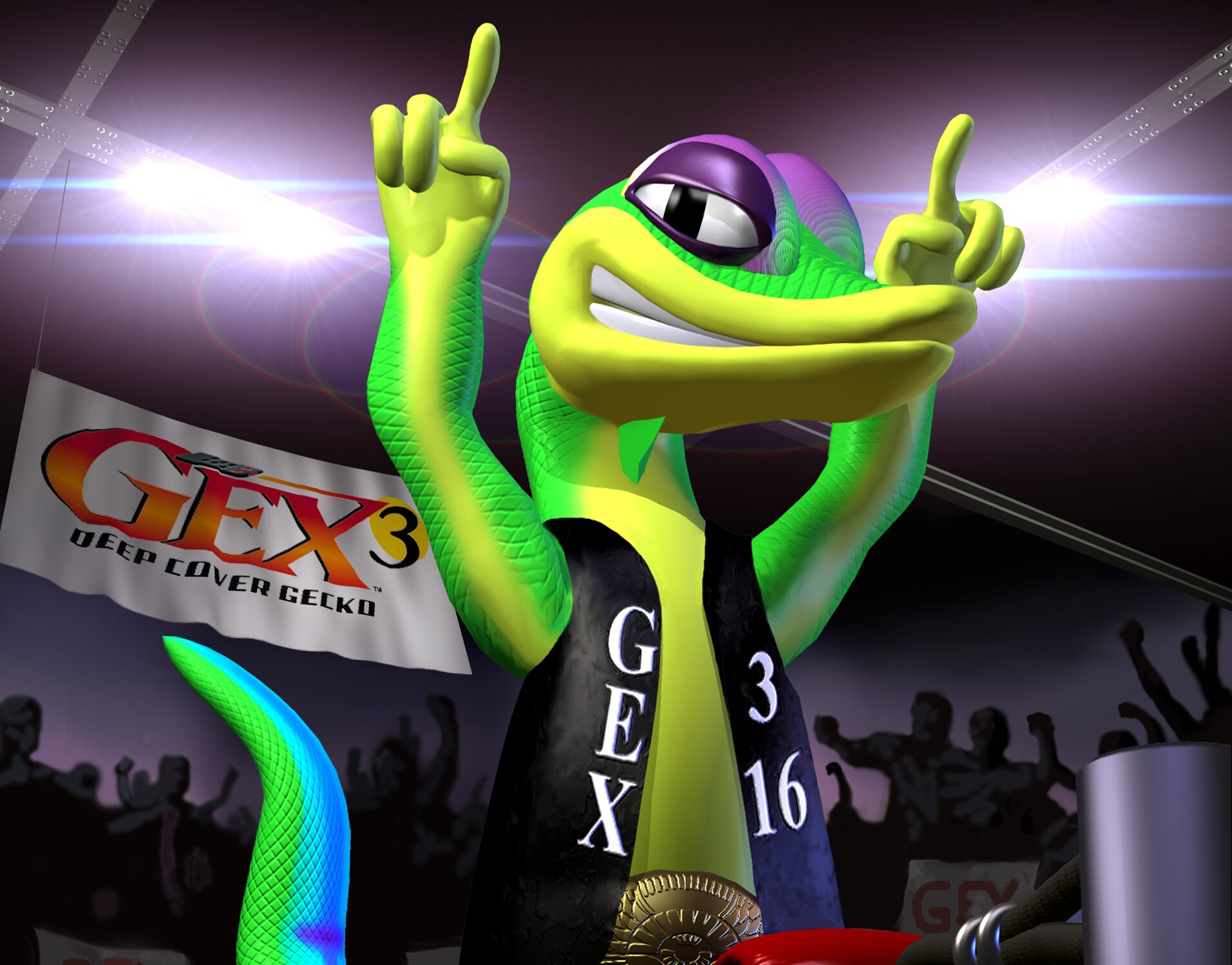
The first wave of digitized CDs, released in earlier announcements, covered a different range of publication dates. This recent release of discs 201-300, focusing on the late 1998 to late 1999 period, represents a significant milestone, bringing the project closer to its halfway point. The Foundation has reported increasing efficiency in its digitization process, attributing this to refined workflows and improved technical capabilities. This suggests that future releases of the collection are likely to continue at a steady pace, making more of this historical material available to the public.
The development of the digital archive platform itself has been crucial to the project’s success. By enabling in-browser viewing of tens of thousands of files, the Foundation has eliminated the need for specialized legacy media software, making the collection accessible to a broad audience without technical barriers. This democratizes access to historical game assets, allowing researchers to conduct in-depth analysis, journalists to find source material, and fans to explore the visual origins of their favorite games.
Supporting Data and Broader Implications
The inclusion of assets from the late 1998 to late 1999 period is particularly significant when considering the technological landscape of the time. The PlayStation was nearing the end of its dominant lifecycle, with developers pushing its capabilities to their limits. Titles like Ape Escape and Silent Hill demonstrated innovative uses of the DualShock controller and sophisticated atmospheric design, respectively. Meanwhile, the Nintendo 64, with its unique cartridge-based format and strong first-party lineup, continued to produce enduring classics such as Super Smash Bros. and Rayman 2.
The marketing materials contained within these CDs offer a direct link to the commercial strategies employed by game publishers during a period of intense competition. The visual styles, taglines, and promotional imagery provide valuable data for understanding how games were presented to consumers, how genres evolved in the public eye, and how different platforms were positioned. For instance, the marketing of Tony Hawk’s Pro Skater likely emphasized its revolutionary gameplay and accessible controls, appealing to a broad audience beyond traditional skateboarding enthusiasts.
The preservation of unreleased game assets, such as those for Twelve Tales: Conker 64, holds immense value for game historians and developers. It allows for the study of "what ifs" in game development, providing insights into design choices, market shifts, and the iterative nature of creative processes. The transformation of Conker 64 into Conker’s Bad Fur Day is a well-documented case of a game undergoing radical conceptual changes, and the newly available screenshots offer concrete evidence of its earlier iteration.
Official Responses and Community Engagement
The Game History Foundation operates as a non-profit organization, relying on donations and grants to fund its preservation efforts. The public availability of the GamePro collection is framed as a testament to the value of community support. By making these digitized assets freely accessible, the Foundation aims to foster a greater appreciation for video game history and its cultural significance.
While direct statements from game publishers regarding the digitization of their press materials are not typically solicited for such announcements, the implicit value of this archival work is recognized within the gaming history community. The Foundation’s proactive approach to preservation ensures that these materials are not lost to time or the obsolescence of physical media.
The ongoing progress of the GamePro press CD collection project signals a commitment to long-term archival goals. As the Foundation continues to process the remaining discs, the digital archive will undoubtedly grow, offering an even more comprehensive resource for understanding the evolution of video games. The ability to view these assets directly within a web browser, without the need for specialized software or hardware, is a significant achievement in making historical data accessible and usable for a wide audience. This initiative not only safeguards a critical component of gaming’s past but also enriches the collective understanding of a globally influential medium. The continued expansion of this archive promises to yield further revelations about the development, marketing, and cultural impact of video games from a pivotal era.