Ganda Hendra Perkasa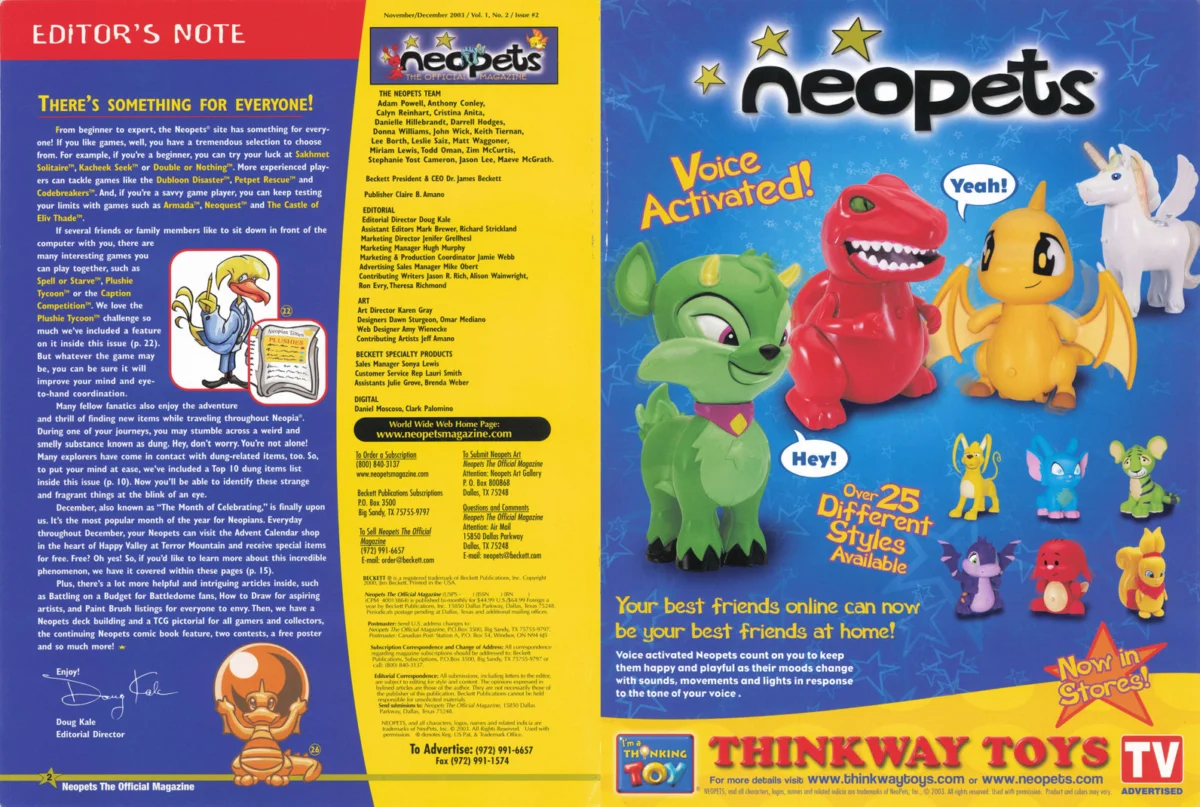
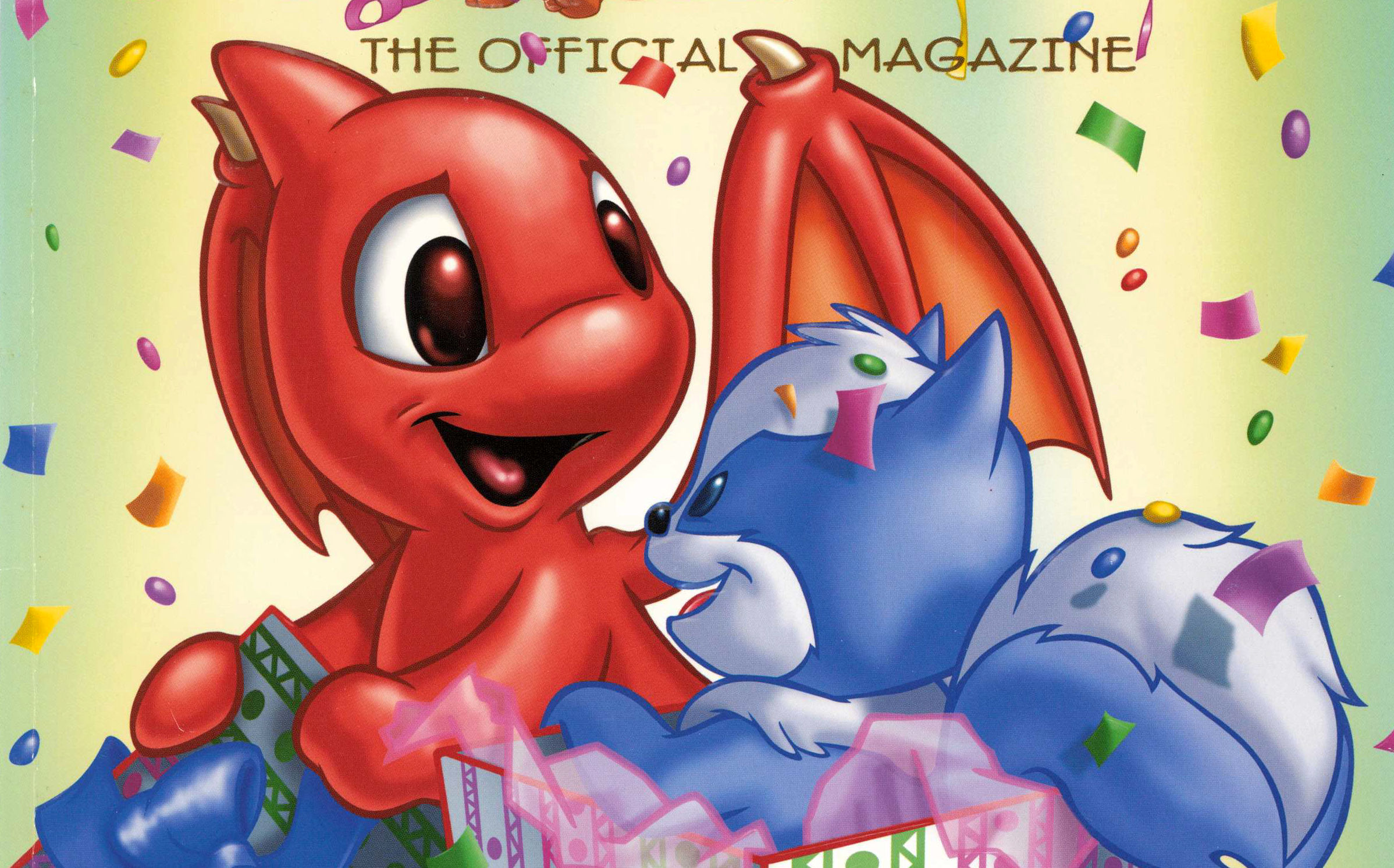
The Video Game History Foundation (VGHF) has announced the digitization and inclusion of the complete run of Neopets The Official Magazine into its publicly accessible digital archive. This significant undertaking, comprising over 2,000 scanned pages, aims to address a critical gap in the historical record of video game culture, specifically concerning the experiences and engagement of a generation of young female players. While not a typical gaming publication focused on industry news or competitive play, the magazine offers an unparalleled glimpse into the marketing, community, and cultural impact of the influential web-based game Neopets during the early to mid-2000s.
A Strategic Addition to the Archive
The VGHF, a non-profit organization dedicated to preserving and celebrating video game history, typically announces new additions to its extensive digital library. However, the inclusion of Neopets The Official Magazine warrants a special announcement due to its unique value and the specific historical narrative it helps to complete. The magazine, which ran for four years, documented the evolving world of Neopets, offering strategies, news on merchandise, and insights into the game’s lore. While a significant portion of its content consists of advertisements for Neopets products and detailed lore explanations, its true historical significance lies in its direct connection to the game’s vast and dedicated audience.
“We don’t announce every time we add a new magazine to our library,” stated the VGHF in their announcement. “But this week, we’ve added the complete run of Neopets The Official Magazine to our digital archive. This might sound like an extremely specific, silly thing to make an announcement about, but we didn’t scan 2000+ pages of this magazine without a good reason.”
Filling a Historical Void: The Neopets Audience
The Neopets phenomenon, which peaked in popularity during the early to mid-2000s, is widely recognized as a foundational digital experience for a substantial microgeneration of young girls. For many, it served as their initial foray into the world of online entertainment, involving the care of virtual pets, participation in Flash-based mini-games, and the accumulation of virtual currency known as Neopoints.
In contrast to the wealth of historical materials focusing on male-dominated gaming subcultures, the VGHF has identified a significant underrepresentation of this crucial demographic within its existing archives and the broader historical discourse of gaming. As the library director for the VGHF, the impetus for this digitization project is clear: to provide a documented space for this often-overlooked audience.
“Plenty has been written about the boy-centric marketing and messaging of the video game industry, and game magazines are a reflection of that culture,” the VGHF explained. “A magazine like Electronic Gaming Monthly is an important historical resource, and it is also—no judgment!—a magazine that had multiple supplements about football games.”
The foundation’s archive does contain some relevant materials, such as the publication Girl Gamer and a promotional magazine by Ubisoft, but the Neopets audience, in particular, has historically lacked a dedicated, well-documented presence in the historical record being preserved. This new addition aims to rectify that oversight.
A Journey of Acquisition and Digitization
The VGHF’s pursuit of Neopets The Official Magazine has been a long-term endeavor. The organization received a set of the magazines in 2023 and had long desired to include them in their digital collections, but suitable scans were not readily available. The magazine had been largely overlooked by mainstream game magazine collectors, to the extent that it was not cataloged in community groups.
An initial attempt to utilize existing scans from a Neopets fansite, Jellyneo, was unsuccessful. Jellyneo, which hosts a collection of Neopets magazine scans, declined the VGHF’s request to use their material for the digital archive. This decision may stem from Jellyneo’s close relationship with the Neopets company and potential licensing agreements that restrict content sharing. The VGHF, while committed to building upon community resources, prioritizes obtaining proper permissions.
Undeterred, the VGHF recognized the immense value of the magazine and committed to a comprehensive rescan of the entire run at a higher quality. With the assistance of the community, they were able to source a second set of the magazines, which were then carefully unbound and digitized. This meticulous process underscores the foundation’s dedication to preserving historical artifacts with integrity.
“Still, we really, really wanted this magazine to be part of our digital library,” the VGHF stated. “So we decided to rescan the whole thing, and at higher quality. With help from the community, we were able to source a second set of Neopets Magazine to debind and digitize. It was, in my professional opinion, totally worth it.”
Unpacking the Historical Significance
The value of Neopets The Official Magazine extends beyond its role as a chronicle of the game itself. It serves as a unique artifact illustrating how a major web game was presented to a young, primarily female audience in the mid-2000s. This period saw a diverse range of marketing strategies within the gaming industry. While some publishers experimented with "edgy" publications like Incite Video Gaming, which sought to appeal to a demographic interested in extreme sports and professional wrestling, Neopets Magazine offered a distinctly different approach.
The magazine’s content frequently featured fan art, with monthly sections often dedicated to showcasing reader creations. This emphasis on community contribution and creative expression stands in stark contrast to the more competitive or action-oriented content found in many contemporary gaming magazines. Advertisements within the publication were often for casual games, such as those compatible with the EyeToy, or other web-based titles like MapleStory, reflecting a broader spectrum of digital entertainment than the console-centric focus of many mainstream gaming publications.
“On the one hand, yes, Neopets Magazine is a good record of what was happening in Neopets. It’s unusual to have a print source that covered web games or evolving live games. That alone is interesting!” the VGHF noted. “But Neopets The Official Magazine is also a great resource for seeing how games like this were presented to girls in the mid-2000s.”
Furthermore, the magazine’s articles frequently delved into themes of creativity and customization, mirroring gameplay styles that have gained significant traction in recent years with the rise of cozy games and farming simulations. This foresight in content highlights the enduring appeal of player-driven creation and personalization in digital entertainment.
A Unique Audience and Distribution Model
One of the most striking aspects of Neopets The Official Magazine is its audience engagement and distribution model, which deviated significantly from traditional gaming magazine paradigms. An audience survey included in some issues revealed a surprising detail: readers were asked if they purchased the magazine at a clothing store. This question highlights a potential distribution strategy that would have reached an audience far beyond the typical gaming magazine consumer.
“My favorite quirk of Neopets Magazine is in the audience survey that came with some issues. In one survey question, they asked whether readers bought this magazine at a clothing store! That would have reached a completely different audience than we usually associate with game magazines. Can you imagine PC Gamer being sold at a Charlotte Russe?” the VGHF mused.
This observation underscores the magazine’s unique position in the media landscape, bridging the gap between popular youth culture and digital gaming. It suggests a deliberate effort to engage with young consumers in spaces they frequented, broadening the definition of a "gamer" and the channels through which gaming culture was disseminated.
Broader Implications for Game History Research
The inclusion of Neopets The Official Magazine is not merely an archival addition; it represents a deliberate effort to diversify the historical narrative of video games. The VGHF recognizes that materials like this magazine, often relegated to the periphery of "serious" game history, are crucial for understanding the full spectrum of gaming culture and its impact on diverse audiences.
“The point is that Neopets The Official Magazine represents a different slice of gaming culture, one that we know matters to researchers and to our extended community. But magazines like this are poorly documented! When you do see them, they’re usually not part of a ‘serious’ game history,” the VGHF explained.
By making this resource accessible, the VGHF empowers researchers, historians, and enthusiasts to explore previously under-documented aspects of gaming history. This includes the marketing strategies targeting young girls, the evolution of online communities, and the intersection of virtual worlds with tangible merchandise and offline fan engagement. The foundation’s commitment to preserving such materials ensures that a more inclusive and comprehensive understanding of video game history can be developed.
A Commitment to Inclusive Archiving
The Video Game History Foundation’s decision to digitize and archive Neopets The Official Magazine is a testament to its mission of preserving the entirety of video game history, not just its most commercially successful or critically acclaimed facets. By including materials that reflect the experiences of a broad range of players, the foundation is actively working to correct historical biases and ensure that the voices and cultural contributions of all gaming communities are recognized and preserved for future generations.
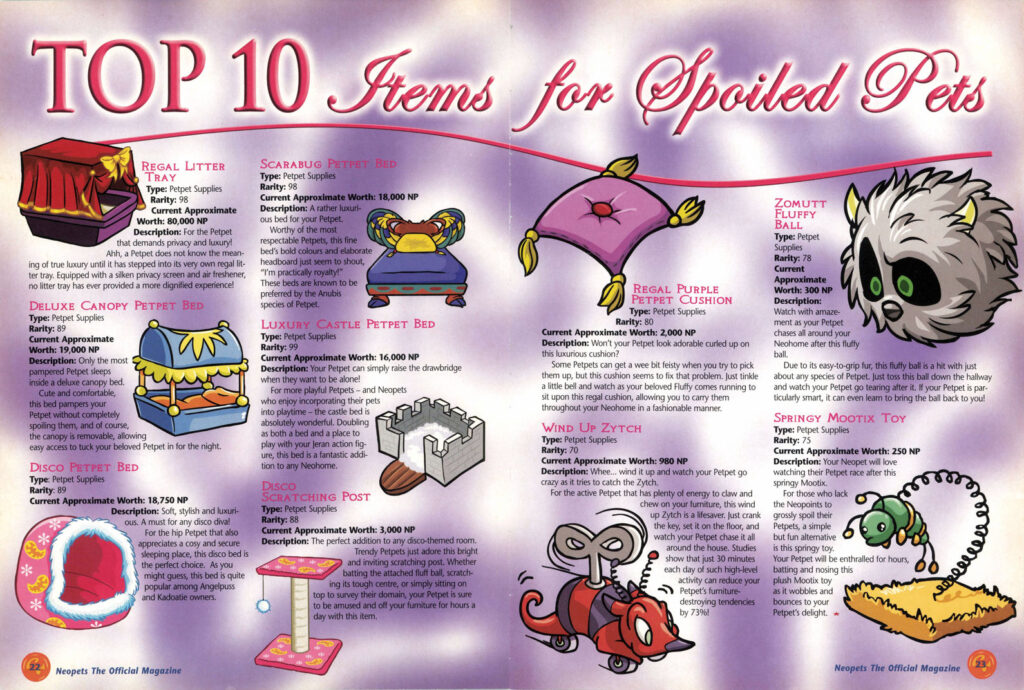
“For that reason, we’re excited to make this part of our digital archive, alongside Hardcore Gamer and other magazines that do not give you advice about the best food bowl for your Petpets,” the VGHF concluded, highlighting the unique but equally valuable nature of this new addition.
The digitization project, though demanding, has yielded a treasure trove of information that promises to enrich the study of gaming history, particularly concerning the experiences of young female players and the cultural impact of early online games. The VGHF’s dedication to this often-overlooked segment of gaming history is a significant step towards a more complete and representative archival record. The foundation noted, with a touch of humor, “I may have learned too much about Neopets while scanning this.”