Ganda Hendra Perkasa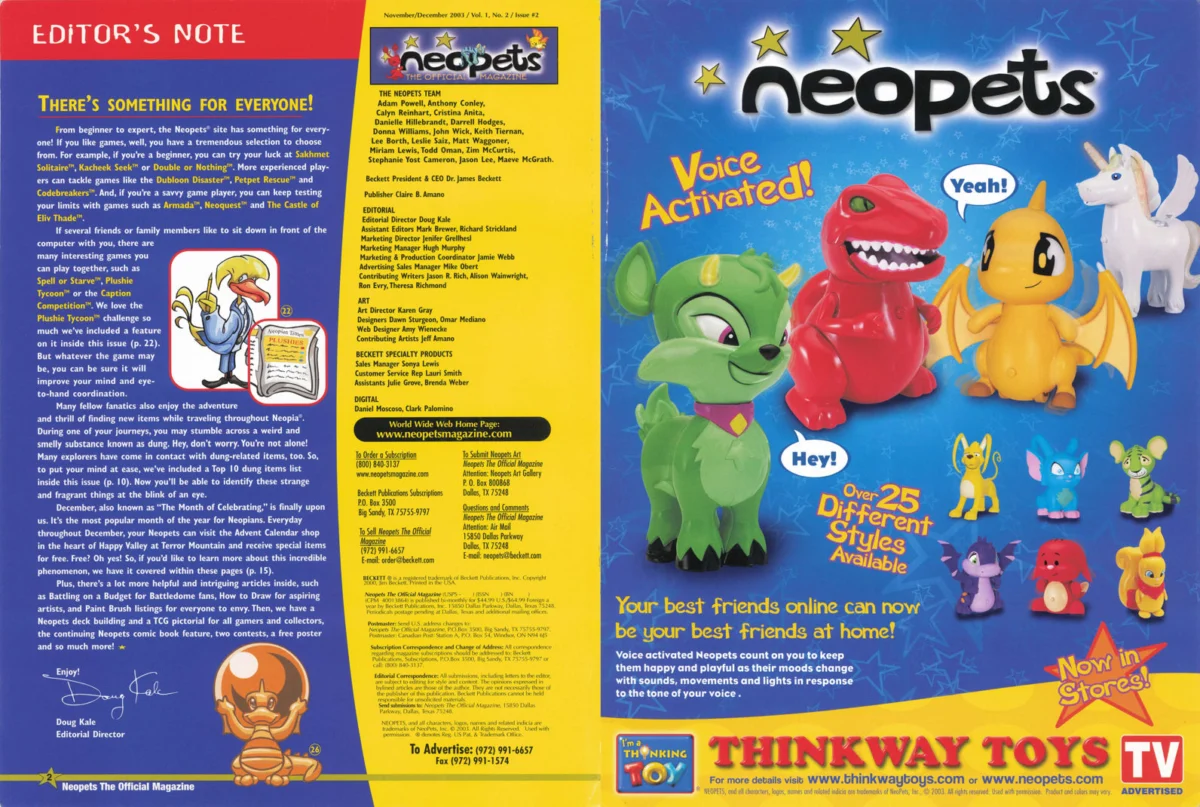
The Video Game History Foundation (VGHF) has announced the significant addition of the complete run of Neopets The Official Magazine to its expansive digital archive. This acquisition, comprising over 2,000 scanned pages, represents a pivotal moment in the organization’s mission to preserve and make accessible the diverse history of video gaming. While the magazine’s subject matter might appear niche, the VGHF asserts its profound importance in understanding a substantial demographic that has historically been underrepresented in gaming scholarship.
Unveiling a Unique Digital Resource
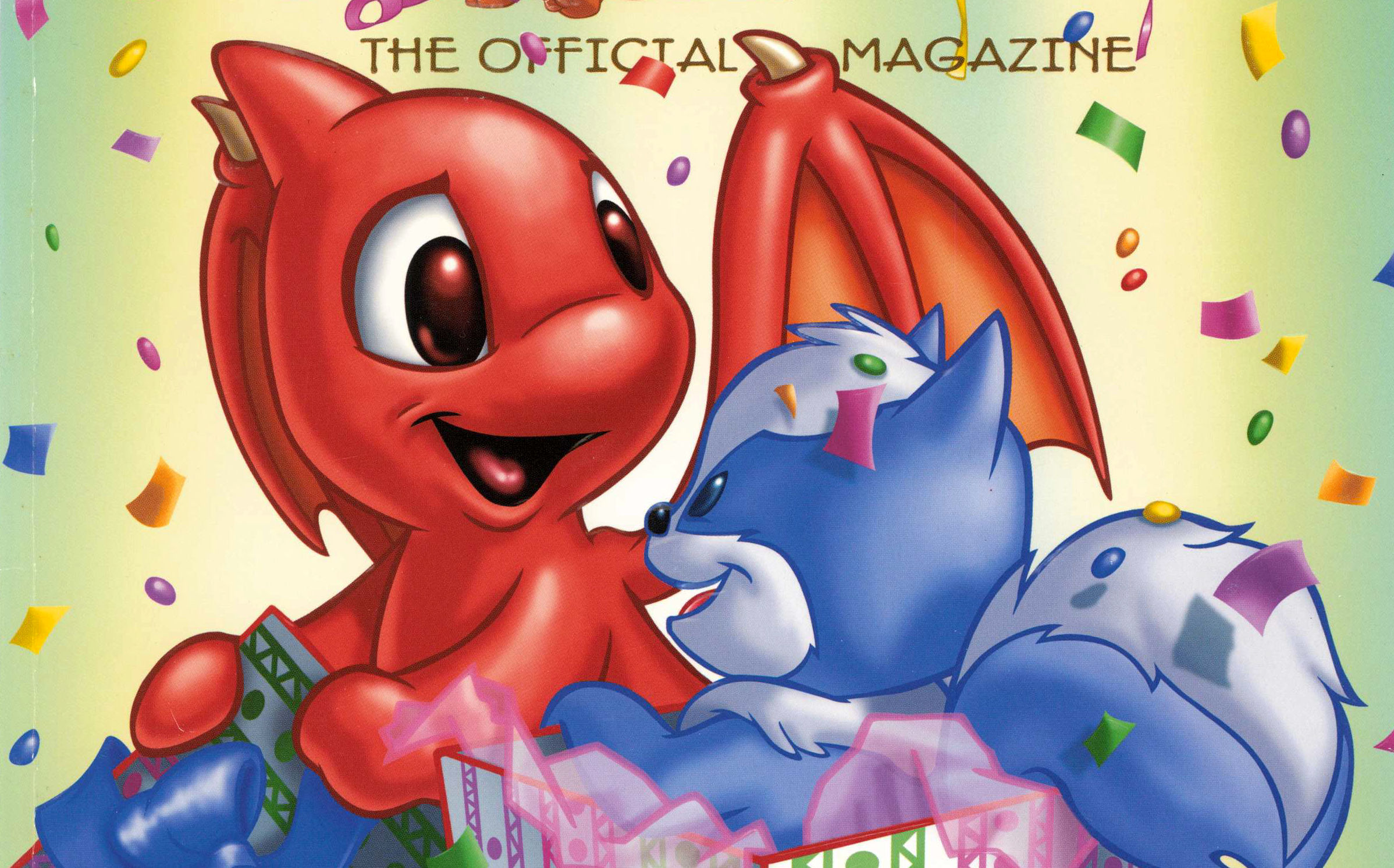
For many, Neopets conjures nostalgic memories of the early 2000s, a vibrant online world where players cared for virtual pets, played Flash-based mini-games, and accumulated virtual currency known as Neopoints. This digital ecosystem, launched in 1999 by Adam Powell and definitively acquired by Viacom in 2005, became a cornerstone of online entertainment for a generation. Its official magazine, which ran for four years, served as a tangible extension of this virtual universe, offering readers insights into game news, strategies, merchandise, and lore.
Despite its seemingly focused content, the VGHF emphasizes that the magazine’s true value lies not solely in its coverage of Neopets itself, but in its direct reflection of the game’s audience. The VGHF’s library director, in a statement accompanying the archive’s release, highlighted that Neopets was "arguably, the defining game for many girls in the 2000s." This demographic, the foundation argues, has been largely overlooked in traditional video game historical documentation, which has historically been dominated by male-centric narratives and marketing.
Addressing a Gap in Gaming Historiography
The VGHF’s strategic decision to digitize Neopets The Official Magazine is rooted in a broader objective to rectify the historical imbalance in video game archiving. The foundation acknowledges that existing archives, while valuable, often mirror the "boy-centric marketing and messaging of the video game industry." This is evident, for instance, in the prevalence of content related to traditionally male-dominated genres or sports within publications like Electronic Gaming Monthly, which, while a crucial historical document, also featured numerous supplements dedicated to titles like football games.
"That’s only one part of gaming culture," the VGHF statement asserts. "Outside of Girl Gamer (and a weird promotional magazine by Ubisoft), I don’t know that the Neopets audience has a place to see themselves represented in the history we’re capturing." This sentiment underscores the VGHF’s commitment to inclusivity and its recognition that a comprehensive understanding of gaming history requires documenting the experiences and cultural touchstones of all players, regardless of gender or demographic.
The Journey to Digitization: Overcoming Obstacles
The path to incorporating Neopets The Official Magazine into the VGHF’s digital archive was not without its challenges. The foundation first received a set of the magazines in 2023 and expressed immediate enthusiasm for their inclusion, having desired to digitize this resource for years. However, the initial obstacle was the lack of usable scans.
The VGHF noted that Neopets The Official Magazine has been largely overlooked by traditional game magazine collectors, to the extent that it is not even cataloged in many community groups. While a Neopets fansite, Jellyneo, hosts a collection of scans, the VGHF was unable to obtain permission to use these for their digital archive. Jellyneo’s apparent close ties with the Neopets company may have presented licensing or agreement constraints, leading the VGHF to respect their content ownership.
"We want to build on community resources whenever possible, but we don’t want to do that without permission," the foundation stated. This ethical stance led the VGHF to pursue a more intensive solution: rescanning the entire magazine collection at a higher quality. Through community assistance, they successfully sourced a second set of the magazines, which were then carefully unbound and digitized. The VGHF’s library director deemed this extensive effort "totally worth it."
More Than Just a Game Magazine: A Cultural Artifact
While Neopets The Official Magazine serves as a valuable record of the game’s evolution, its significance extends far beyond its immediate subject matter. The magazine offers a unique window into how web-based and evolving live-service games were presented in print during the mid-2000s, a time when the digital landscape was rapidly transforming. This print documentation of online gaming phenomena is considered a rare and important historical artifact.
Furthermore, the magazine provides critical insights into the marketing and content strategies employed to engage young female audiences in the gaming sphere. In an era where some publishers were attempting to appeal to young male demographics through edgy content blending gaming with elements like professional wrestling and extreme sports, Neopets The Official Magazine adopted a distinctly different approach. The VGHF points to its consistent inclusion of extensive fan art sections, often spanning ten pages per issue, as evidence of this alternative strategy. The advertisements featured within the magazine also tend to focus on more casual gaming experiences, such as titles like the EyeToy or web-based games like MapleStory, rather than the more aggressive, action-oriented titles often promoted elsewhere.
Analyzing the Broader Implications: Creativity, Customization, and Crossover Appeal
A notable theme woven throughout Neopets The Official Magazine is its emphasis on creativity and customization. Articles often delved into ways players could personalize their virtual pets, customize their Neohomes, and express themselves within the game’s ecosystem. The VGHF observes that these gameplay elements resonate with emergent trends in modern gaming, particularly the rise of "cozy games" and farming simulations, which prioritize player expression, relaxation, and personal growth. This suggests a prescient understanding of player engagement that predates the mainstream popularity of these genres.
One of the most intriguing aspects highlighted by the VGHF is the magazine’s audience survey. The surprising inclusion of a question asking readers if they purchased the magazine at a clothing store indicates a significant crossover appeal. This suggests that Neopets and its associated media reached an audience far beyond the typical gamer demographic, potentially including individuals who might not have otherwise engaged with video game publications. The VGHF uses the hypothetical scenario of PC Gamer being sold at a fashion retailer like Charlotte Russe to illustrate the unconventional reach of Neopets.
This broader appeal is precisely why the VGHF champions the inclusion of such materials. "The point is that Neopets The Official Magazine represents a different slice of gaming culture, one that we know matters to researchers and to our extended community," the foundation stated. It also serves as a critical counterpoint to the often-narrow historical narratives that dominate the field. The foundation further notes that magazines like this are "poorly documented" and often excluded from discussions of "serious" game history, despite their cultural significance.
A New Era for Digital Archiving
The VGHF’s commitment to preserving and digitizing Neopets The Official Magazine signifies a broader commitment to inclusive and comprehensive game history. By making this collection accessible, the foundation is not only preserving a piece of the Neopets phenomenon but also providing a vital resource for understanding the experiences of a generation of female gamers and the evolving landscape of online entertainment.
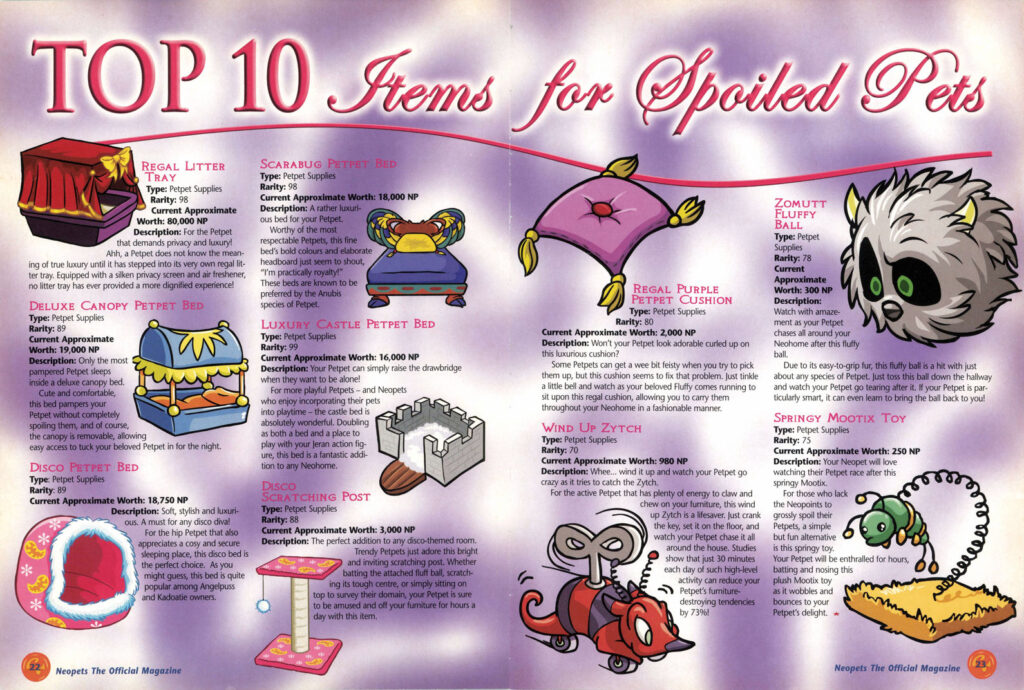
"For that reason, we’re excited to make this part of our digital archive, alongside Hardcore Gamer and other magazines that do not give you advice about the best food bowl for your Petpets," the VGHF concluded. This statement playfully acknowledges the magazine’s unique content while underscoring its fundamental importance to the VGHF’s mission. The foundation’s dedication to this project, despite the considerable effort involved, underscores their belief that every facet of gaming history, no matter how seemingly unconventional, deserves meticulous preservation and scholarly attention. The extensive scanning process, as the library director humorously noted, likely led to an "overdose" of Neopets lore, but the resulting archive promises to be an invaluable resource for years to come.