Cecilia Chamidah Nur
The recent launch of R-Type Dimensions III, a modern reimagining of the beloved Super Nintendo Entertainment System (SNES) classic R-Type III, has been met with significant backlash from the gaming community, culminating in a striking public critique from Kengo Miyata, the original director of the 1993 arcade-style shooter. Miyata, leveraging social media platforms, voiced his "deep concern" regarding the product’s initial state upon release, going so far as to suggest that ININ Games, the developer and publisher, should suspend sales, offer refunds to existing customers, and undertake a thorough quality assurance process before re-releasing the title. This extraordinary intervention by an original creator highlights a growing tension between the commercial pressures of game development and the preservation of artistic integrity, particularly within the burgeoning market for retro game remakes.
A Troubled Launch for a Revered Classic
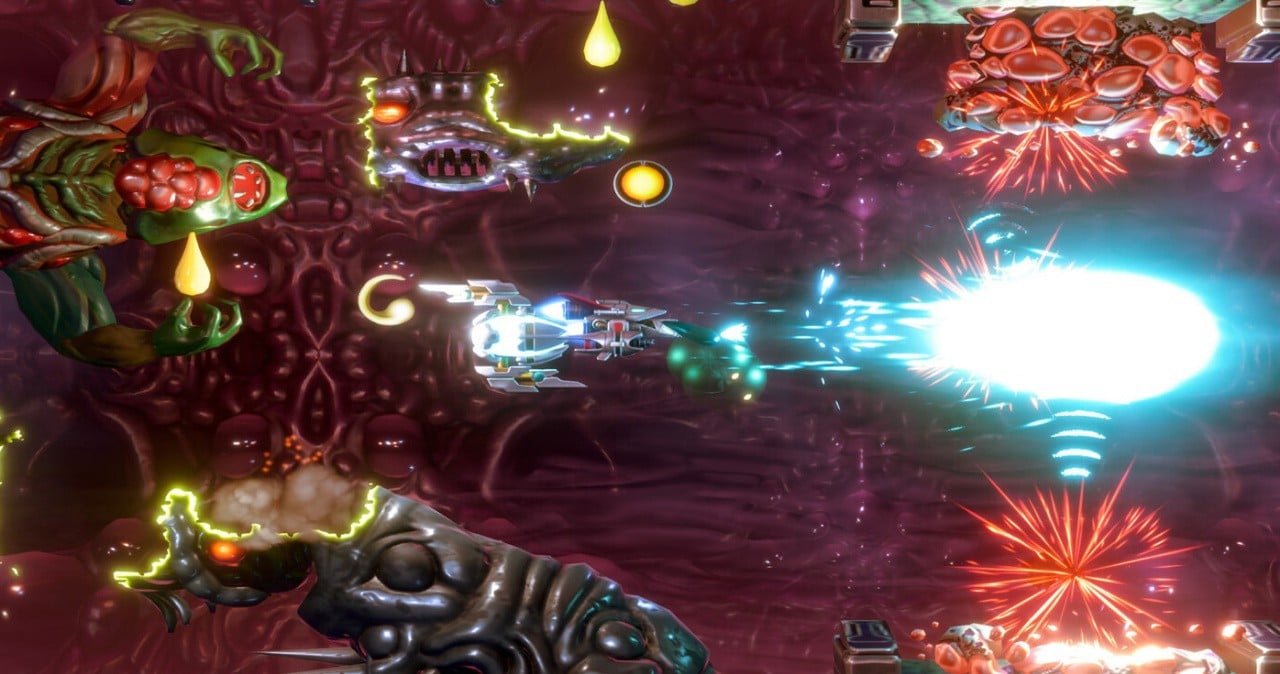
R-Type Dimensions III, released last month across PC and various console platforms, was intended to introduce a new generation to the challenging side-scrolling shoot ’em up (shmup) gameplay of R-Type III: The Third Lightning. However, fan expectations, already high for a franchise with a storied legacy, quickly turned to widespread disappointment. Reports from players flooded online forums and social media, detailing a litany of technical and design issues that significantly detracted from the experience.
Among the most frequently cited problems were critical gameplay inaccuracies. Players reported inconsistent hitbox and collision detection, leading to unfair deaths or missed opportunities. Enemy behaviors and attack patterns were described as deviating from the original, altering the intricate dance of dodging and firing that defines the R-Type series. Weapon behaviors, a cornerstone of R-Type‘s strategic depth, also reportedly suffered from discrepancies, rendering some iconic power-ups less effective or simply broken. Compounding these gameplay issues were auditory problems, with incorrect sound effects and timing further eroding the nostalgic appeal and immersion. These technical missteps, for a genre where precision and predictability are paramount, were not merely minor glitches but fundamental flaws that undermined the core gameplay loop.
The R-Type franchise, born in 1987 from Irem, has always been synonymous with challenging yet fair gameplay, innovative weapon systems, and memorable boss encounters. R-Type III: The Third Lightning, specifically, holds a special place in the hearts of SNES enthusiasts, often cited as one of the console’s most graphically impressive and mechanically refined shmups. Its intricate level design, iconic Bydo enemies, and the unique Force system—a detachable orb that can be used offensively and defensively—set a high bar for any subsequent adaptation. The perceived failure of R-Type Dimensions III to faithfully replicate these elements has thus been met with a particularly strong reaction from a dedicated fanbase deeply invested in the series’ legacy.
ININ Games’ Response: Patches and an "Improvement Initiative"
In the wake of the substantial community outcry, ININ Games has acknowledged the reported issues and initiated efforts to rectify them. The developer has begun rolling out patches aimed at addressing some of the most pressing concerns identified by players. Furthermore, the company publicly announced a "comprehensive improvement initiative for R-Type Dimensions III," a formal commitment detailed on their official blog. This initiative promises to tackle "important concerns regarding several aspects of the release" specifically highlighted by "members of the dedicated R-Type community."
While these actions signal an intent to address the problems, the timing and nature of the response have not fully assuaged critics. Many within the community argue that such a "comprehensive improvement initiative" should have preceded the game’s release, not followed it. The sentiment that consumers are effectively acting as unpaid quality assurance testers for a full-priced product is a recurring complaint in the modern gaming landscape, and R-Type Dimensions III has become another flashpoint in this ongoing debate.
Kengo Miyata’s Unprecedented Intervention
The most significant development in this unfolding narrative came with the public statement from Kengo Miyata, the original director of R-Type III. Miyata’s involvement adds a layer of profound legitimacy to the fan complaints and elevates the discussion beyond mere consumer dissatisfaction to one of creative integrity and stewardship of a cherished intellectual property.
Miyata revealed a personal history with the concept of an R-Type III remake, having previously approached Irem, the original rights holder, with his own vision for a modernized version of the game. These efforts were ultimately unsuccessful, with Irem declining new licensing agreements. His subsequent discussions with other prominent Japanese developers like Granzella and Tozai also failed to materialize into a project. This background underscores Miyata’s deep personal investment in R-Type III and explains his keen interest, and subsequent disappointment, in ININ Games’ rendition.
Contacting ININ Games directly via X (formerly Twitter), Miyata articulated his position with a measured yet unequivocal tone. "As the original director of R-TYPE III, I would like to share my thoughts regarding the current situation," he began. "I am deeply concerned about the state in which the product was released. While I welcome the fact that corrections are now being made, this product has already been released and sold as a paid product."
His statement continued, critiquing the current remediation strategy: "At this stage, effectively conducting another QA process with the help of paying customers seems inappropriate. Releasing a version containing so many issues and then relying on purchasers to identify and verify fixes does not feel like a sincere response from a company responsible for the release."
Miyata then presented his bold proposal, advocating for a more drastic and, in his view, more ethical approach. "Would it not be more appropriate to suspend sales, offer refunds to existing customers, and continue QA for as long as necessary until the major issues have been resolved? The product could then be re-released once it reaches an acceptable level of quality. I believe such an approach would be a more honest and respectful way to treat the fans who have supported this title."
As of the time of this report, ININ Games has not publicly responded to Miyata’s specific suggestions regarding sales suspension and refunds. The silence, while perhaps strategic, further fuels the discussion among players about the perceived lack of accountability and respect for consumer rights.
The Broader Context: Remakes, Remasters, and Fan Expectations
The situation surrounding R-Type Dimensions III is not isolated but rather indicative of broader trends within the video game industry, particularly concerning remakes and remasters of classic titles. The demand for modern versions of beloved retro games is at an all-time high, driven by nostalgia, the desire to experience classics with contemporary graphics and features, and the accessibility afforded by modern platforms. However, this demand also comes with significant pitfalls.
Developing a successful remake requires a delicate balance: honoring the original’s essence while introducing meaningful improvements. Fans expect fidelity to the source material’s core mechanics, level design, and overall feel, even as graphics and sound are updated. When a remake deviates significantly or introduces new bugs that were not present in the original, the disappointment is often amplified by the emotional connection players have to the source material.
High-profile failures in the remake space, such as the initial launch state of Warcraft III: Reforged or aspects of Grand Theft Auto: The Trilogy – The Definitive Edition, have left many players wary. These instances have fostered an environment where critical scrutiny of new remakes is intense, and the tolerance for buggy or unpolished releases is minimal. Developers like ININ Games, which specialize in bringing retro titles to modern platforms, operate under this magnified scrutiny. While ININ Games has previously released other R-Type titles, such as R-Type Dimensions EX, which generally received more positive reception, the current R-Type Dimensions III controversy threatens to significantly damage their reputation.

Implications for Consumer Trust and Developer Accountability
Miyata’s call for suspending sales and issuing refunds strikes at the heart of consumer rights in the digital age. Unlike physical products, digital games often come with less straightforward refund policies, and the idea of "returning" a purchased digital license is still evolving. His proposal suggests a standard of accountability that goes beyond mere patching, advocating for a complete withdrawal and re-launch, effectively admitting that the initial product was not fit for sale.
If ININ Games were to adopt Miyata’s suggestions, it would set a significant precedent, particularly for the retro gaming market. It would signal a profound commitment to quality and consumer satisfaction, potentially rebuilding trust that has been eroded by numerous "release now, patch later" incidents across the industry. Conversely, if ININ Games maintains its current course of patching while keeping the game on sale, it risks further alienating both the dedicated R-Type fanbase and the broader retro gaming community, who may view it as an insufficient response to fundamental quality issues.
The economic implications of withdrawing a game from sale and offering refunds are substantial. It would entail significant financial losses from halted sales, processing refund requests, and extended development costs for a thorough re-QA process. This financial burden is likely a primary reason why such measures are rarely taken, even in the face of widespread criticism. However, the long-term cost of a damaged reputation and lost consumer trust can be far greater.
The Path Forward: Unanswered Questions
The situation remains fluid. While ININ Games has committed to improving R-Type Dimensions III through patches and its "comprehensive improvement initiative," the specific and highly critical suggestions from Kengo Miyata present a new challenge. The gaming community, particularly R-Type aficionados, will be watching closely to see how ININ Games navigates this crisis.
For potential purchasers, the current advice from many within the community, echoing the sentiment of the initial article, is to exercise caution. Waiting until the promised fixes are comprehensively implemented and verified by the player base, or opting for the original SNES version if accessible, seems to be the prudent approach.
The R-Type Dimensions III saga underscores the complex responsibilities involved in reviving classic games. It’s not just about updating visuals; it’s about preserving a cherished experience, respecting the legacy of its creators, and ultimately, honoring the trust of a passionate fanbase. Kengo Miyata’s voice has amplified this message, leaving ININ Games with a critical decision that could define its reputation in the retro gaming sphere for years to come.