Cecilia Chamidah Nur
The long-forgotten 2003 Vodafone J-Sky/Vodafone Live! version of the iconic run-and-gun arcade game, Metal Slug, has been successfully preserved and made accessible to the public, marking a significant victory for video game history and digital preservation efforts. This specific mobile iteration, released exclusively in Japan, had largely vanished from collective memory and official records, making its resurrection a notable event for fans and historians alike. Thanks to the diligent work of Cuebus, a dedicated member of the Keitai Wiki Discord preservation group, players can now experience this unique, scaled-down version of the arcade classic on PC via the Keitai World Launcher.
The Enduring Legacy of Metal Slug and Its Myriad Iterations
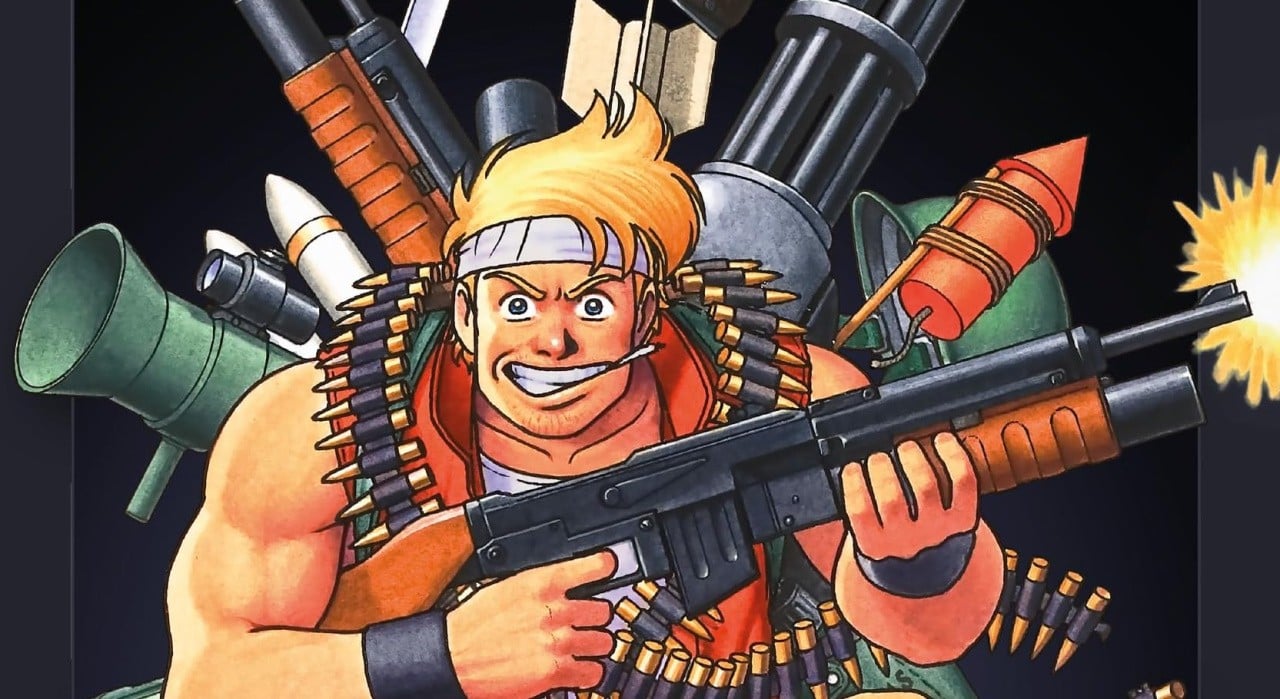
Since its debut on SNK’s Neo Geo AES/MVS arcade and home console systems in 1996, Metal Slug has cemented its place as a quintessential title in the action-shooter genre. Developed by Nazca Corporation before its acquisition by SNK, the game quickly gained acclaim for its meticulously hand-drawn pixel art, fluid animation, engaging gameplay, and distinct brand of chaotic humor. Players control highly trained soldiers, Marco Rossi and Tarma Roving, battling against General Morden’s rebel army across diverse environments, utilizing an arsenal of weapons and the titular Metal Slug tank. The game’s vibrant aesthetics, challenging difficulty, and innovative mechanics, such as rescuing POWs for bonus points and weapon upgrades, contributed to its enduring popularity.
The original Metal Slug was a commercial and critical success, leading to numerous sequels and spin-offs. Its widespread appeal also prompted a continuous stream of re-releases across an impressive array of platforms over nearly three decades. Shortly after its arcade debut, Japan received exclusive console ports for the Sony PlayStation and Sega Saturn in the late 1990s, allowing home audiences to experience the frenetic action. In the years that followed, the game found its way into countless compilations and collections, appearing on systems like the PlayStation 2, Xbox, Wii, PlayStation Portable, and later, digitally on modern consoles such as the Nintendo Switch, Xbox One, and PlayStation 4, as well as PC storefronts and even smartphones. This extensive re-release history underscores the game’s cultural significance and SNK’s commitment to keeping the franchise alive across evolving technological landscapes. However, amidst this prolific reissue schedule, one particular version remained largely obscure and, until recently, on the brink of being completely lost to time: the 2003 mobile phone adaptation.
The Dawn of Mobile Gaming in Japan and the Vodafone J-Sky Platform
To understand the significance of the Metal Slug mobile port, it is crucial to contextualize the burgeoning mobile phone market in Japan during the early 2000s. While smartphones as we know them today were still years away, Japan was at the forefront of mobile technology, particularly in the realm of internet-enabled feature phones. Platforms like NTT DoCoMo’s i-mode, KDDI’s EZweb, and J-Phone’s J-Sky (later Vodafone J-Sky and Vodafone Live!) offered advanced capabilities compared to their Western counterparts. These services provided access to email, web browsing, and, crucially, a nascent ecosystem for mobile games.
The Vodafone J-Sky/Vodafone Live! platform, launched by J-Phone (which became Vodafone K.K. in 2001), was a pioneering force in delivering rich multimedia content and applications to mobile users. These phones, though limited by today’s standards in terms of screen resolution, processing power, and storage, represented a significant leap forward for on-the-go entertainment. Developers faced considerable challenges in adapting complex console or arcade titles to these constrained environments. Games often required significant graphical downsizing, simplified controls, and reimagined level designs to fit the small screens and limited input methods (typically a numerical keypad). Despite these hurdles, the market was vibrant, with Japanese consumers eagerly embracing mobile entertainment. This period saw the creation of numerous unique mobile adaptations of popular franchises, many of which were tailored specifically for the Japanese market and never saw international release, contributing to their inherent obscurity outside the region.
Unearthing a Forgotten Chapter: The 2003 Metal Slug Mobile Port
The 2003 Vodafone J-Sky/Vodafone Live! version of Metal Slug emerged during this innovative, yet technically restrictive, era of mobile gaming. Information regarding this specific port has been remarkably scarce in both Japanese and English language sources. Online searches yield minimal details, with one of the most substantial pieces of historical press coverage being an article from Japanese technology news outlet itmedia. This report covered the game’s appearance at the Tokyo Game Show, where it was described as "a port of the popular NEOGEO title" featuring "scaled-down characters to fit the mobile screens, but roughly the same content as the Neo Geo version." This description hinted at a faithful, albeit visually adjusted, adaptation, a considerable technical feat for the mobile hardware of the time.
However, despite its public showing at TGS, the mobile Metal Slug quickly faded into obscurity. Its absence from comprehensive historical databases, such as the Japanese Wikipedia entry for Metal Slug, which typically lists "other versions" of the game, speaks volumes about its forgotten status. This omission strongly suggests that the port was largely overlooked or simply disappeared from the collective consciousness of players and historians in the years following its release. The transient nature of early mobile gaming platforms, coupled with the rapid evolution of mobile technology, often meant that games developed for specific handsets or services became unplayable once those services were discontinued or the hardware became obsolete. This phenomenon, known as digital rot, poses a significant threat to the preservation of early digital media, including video games.
The Imperative of Preservation: The Keitai Wiki Discord’s Role
The preservation of video game history is a multifaceted and increasingly urgent endeavor. As digital media proliferates, the risk of losing significant cultural artifacts grows. Unlike physical cartridges or discs that can endure for decades, digital-only titles or games tied to specific online services are highly vulnerable to server shutdowns, format obsolescence, and the general passage of time. Community-driven initiatives and dedicated preservation groups play a critical role in combating this digital erosion, often stepping in where commercial entities or institutional archives cannot or do not.
The Keitai Wiki Discord preservation group stands as a testament to these grassroots efforts. "Keitai" (携帯) is the Japanese term for mobile phone, signifying the group’s specialized focus on archiving and making playable games and applications from Japan’s pioneering mobile phone era. These volunteers often undertake the painstaking work of extracting data from old handsets, reverse-engineering proprietary formats, and developing emulators or launchers to run these historical titles on modern hardware. Their mission extends beyond mere nostalgia; it’s about safeguarding a vital part of technological and cultural history, providing future generations with access to the evolutionary path of interactive entertainment.
It was within this dedicated community that Cuebus, one of its active members, successfully "rescued the title from vanishing forever." The process likely involved locating a functioning handset with the game installed, extracting its data, and then meticulously working to ensure its compatibility with modern emulation tools. This kind of preservation work is complex, requiring deep technical knowledge, significant time investment, and often, access to rare, antiquated hardware. Cuebus’s achievement represents not just the recovery of a single game, but a proof of concept for the viability of preserving other such obscure mobile titles.

First Impressions: A Surprisingly Robust Mobile Adaptation
The news of the Metal Slug mobile port’s preservation quickly spread through the retro gaming community. Social media platforms became a primary channel for sharing this exciting development. RockmanCosmo, a prominent voice in the retro gaming sphere, shared footage of the resurrected title, describing it as "a simplified version of the original Metal Slug game" and notably praising its "small sprites as really cute." This observation highlights the unique aesthetic choices made by the original developers to adapt the game for small, low-resolution mobile screens, transforming the detailed Neo Geo sprites into charming, miniature renditions.
Further enhancing the appreciation for this preserved title, Newgrounds musician Chromadeline, upon viewing gameplay footage, remarked that the port was "surprisingly accurate and well done," especially considering the technological limitations of the platform it was built for. This sentiment underscores the skillful development that went into the 2003 adaptation. Despite the constraints, the developers managed to retain the core essence of Metal Slug‘s gameplay, revising level layouts and audio to suit the mobile experience without compromising the game’s identity. The footage showcased these revised elements, demonstrating how the game maintained its frantic pace and engaging combat even with a reduced visual fidelity and modified soundscape. The fact that the game could elicit such positive reactions from contemporary viewers, nearly two decades after its initial release, speaks volumes about the quality of the original development and the success of the preservation effort.
Another content creator, YouTuber Mr^Burns, also provided additional footage of the game in action, further illustrating its unique characteristics and gameplay. These public showings not only validate the preservation work but also serve to reintroduce a forgotten piece of gaming history to a broader audience.
Accessibility and Broader Implications for Gaming History
Crucially, the preserved Vodafone J-Sky/Vodafone Live! version of Metal Slug is not merely an archived curiosity; it has been made playable for PC users. Enthusiasts can now download and experience the game through the Keitai World Launcher, a tool developed by the Keitai Wiki group to facilitate the playing of these otherwise inaccessible mobile titles. This accessibility is a cornerstone of effective preservation, ensuring that historical artifacts are not just saved, but can also be interacted with and studied.
The implications of this preservation effort extend far beyond a single Metal Slug port. It highlights several critical aspects of video game history and the ongoing challenges of digital archiving:
-
Cultural Heritage: Video games are a significant cultural medium, and their preservation is akin to archiving films, books, or music. Each game, even an obscure mobile port, represents a snapshot of technological capabilities, design philosophies, and societal interests at a particular moment in time. The Metal Slug mobile port offers insights into the early days of mobile gaming and how developers approached adapting complex experiences for nascent platforms.
-
Technological Evolution: Examining games like the 2003 Metal Slug provides a tangible timeline of technological progress. The contrast between the powerful Neo Geo original and its resource-constrained mobile counterpart illustrates the ingenuity required to make games work within severe limitations, paving the way for the sophisticated mobile gaming experiences available today. It offers a valuable case study in optimization and creative problem-solving.
-
The Fight Against Digital Rot: This success story underscores the precarious nature of digital media. Had Cuebus and the Keitai Wiki Discord not intervened, this version of Metal Slug would likely have been lost forever, another victim of outdated technology and forgotten servers. This incident serves as a stark reminder of the continuous need for active preservation initiatives, especially for games released on ephemeral platforms.
-
Community-Driven Preservation: The preservation of the Metal Slug mobile port is a powerful example of how passionate communities can fill the gaps left by official channels. While large institutions like the Library of Congress or dedicated video game archives are vital, they often cannot keep pace with the sheer volume and diversity of digital releases. Grassroots groups, fueled by dedication and expertise, are indispensable in this ongoing battle.
-
Potential for Further Discoveries: The success in recovering this Metal Slug port could inspire further efforts to unearth other "lost" mobile games from the same era. There are undoubtedly countless other unique adaptations and original titles from Japan’s early mobile gaming scene that remain unpreserved, waiting for dedicated individuals to bring them back into the light.

In conclusion, the successful preservation and public release of the 2003 Vodafone J-Sky/Vodafone Live! version of Metal Slug is more than just a novelty for fans of the franchise. It is a significant milestone in video game preservation, demonstrating the enduring value of historical digital artifacts and the critical role of community efforts in safeguarding our interactive past. As technology continues to advance, the work of groups like the Keitai Wiki Discord will only become more vital in ensuring that no piece of gaming history is left to vanish forever.