Johny Imanuel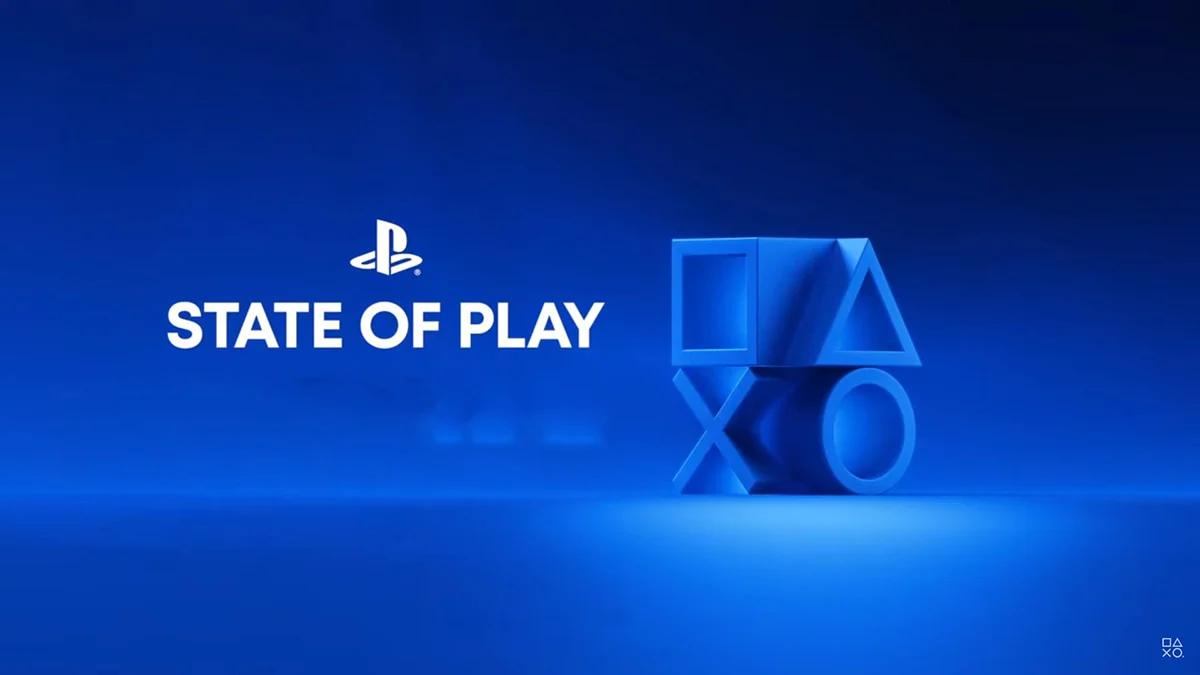
Strategic Overview and Event Chronology
The June 2026 State of Play was positioned as a mid-year anchor for Sony’s marketing strategy, aiming to solidify the software lineup for the second half of 2026 and early 2027. The event opened with a rapid-fire montage of third-party updates, followed by a middle segment dedicated to the "PlayStation Indies" initiative, before concluding with nearly 30 minutes of high-priority first-party content.
The chronology of the stream was meticulously paced to maintain viewer engagement across global time zones, including specific segments tailored for the Japanese, European, and North American markets. Early in the broadcast, Sony highlighted the continued integration of the PlayStation VR2 (PSVR2) and the PlayStation Portal, showing how upcoming titles would utilize these peripheral devices to enhance immersion. The latter half of the program shifted focus toward the "Marvel-PlayStation" partnership, which has become a cornerstone of Sony’s first-party strategy over the last decade.
The Resurrection of the Norse Saga: God of War: Laufey
The centerpiece of the presentation was undoubtedly the reveal and subsequent 20-minute gameplay demonstration of God of War: Laufey. This title represents a unique narrative direction for Santa Monica Studio. Rather than a direct sequel to the events of God of War Ragnarök, Laufey functions as a companion piece and prequel-hybrid. The narrative follows Faye (Laufey the Just) during the events that occurred after her mortal death, exploring her journey through the afterlife of the Nine Realms and her prior adventures that laid the groundwork for Kratos and Atreus’ journey.
The gameplay footage showcased a combat system that, while familiar to fans of the 2018 and 2022 entries, introduces a more fluid, magic-centric style reflecting Faye’s Jotun heritage. Utilizing the "Leviathan Axe" in its original form—before it was gifted to Kratos—the gameplay emphasized environmental manipulation and ancient giant sorcery. Analysts note that this move allows Sony to maintain the momentum of the God of War franchise without requiring a full-scale numerical sequel, effectively bridging the gap between major console generations.
Insomniac Games and the Marvel Expansion
Insomniac Games continues to be Sony’s most prolific internal studio, with a double-feature showing during the June 2026 event. After years of anticipation following its initial 2021 teaser, Marvel’s Wolverine received a firm release window and an extensive look at its "R-rated" combat mechanics. The footage confirmed a darker, more visceral tone than the Marvel’s Spider-Man series, featuring regenerative health mechanics and destructible environments. Simultaneously, Sony announced that Amazon pre-orders for the title have officially opened, signaling that development has reached its final stages.
In a surprise collaboration, Marvel Tokon: Fighting Souls was unveiled. While details remain sparse, the title appears to be a stylized, competitive fighting game or a high-action brawler designed to appeal to the "Tokon" (fighting spirit) aesthetic popular in the Japanese market. This title suggests a concerted effort by Sony and Marvel Games to diversify their portfolio beyond the open-world action-adventure genre, potentially tapping into the burgeoning esports and competitive gaming scenes.
Supporting Data: The PS5 Lifecycle and Market Position
The timing of this State of Play coincides with industry data suggesting the PlayStation 5 is currently in its peak saturation phase. As of mid-2026, market analysts estimate the PS5 install base has surpassed 85 million units worldwide. The reveal of 24 titles—a higher-than-average number for a State of Play—indicates Sony’s commitment to "software-driven hardware retention."
By diversifying the lineup with titles like God of War: Laufey, Sony is leveraging its existing assets to maximize return on investment. According to financial data from the previous fiscal year, "legacy-adjacent" titles (spin-offs or expansions of major IPs) tend to have lower production costs than entirely new franchises while maintaining high attachment rates among the existing fan base. The inclusion of Marvel Tokon: Fighting Souls also points toward a strategy of increasing "Live Service" elements and recurring revenue streams, which Sony Interactive Entertainment leadership has identified as a key growth pillar through 2030.
Third-Party Partnerships and Global Reach
Beyond the first-party heavyweights, the June 2026 roundup included significant updates from global partners. The presentation featured several "timed exclusives" from prominent Japanese publishers, reinforcing Sony’s historical dominance in the Asian market. These titles included updates on long-running RPG franchises and new experimental IPs that utilize the PS5’s high-speed SSD for seamless world-loading.
The European market was addressed through several indie titles developed by studios across the continent, many of which are slated for Day 1 inclusion in the PlayStation Plus Extra and Premium tiers. This move is seen as a direct response to competitor subscription services, ensuring that the PS5 remains a value-driven proposition for mid-range consumers.
Official Responses and Industry Impact
Following the stream, representatives from Sony Interactive Entertainment issued a brief statement emphasizing the "breadth of choice" offered to the PlayStation community. "Today’s State of Play demonstrates our commitment to delivering both the blockbuster experiences our fans expect and new, experimental titles that push the boundaries of the medium," the statement read.
Social media sentiment analysis in the hours following the broadcast showed a 78% positive reception rating, with God of War: Laufey and Marvel’s Wolverine trending globally on major platforms. Retailers have reported a significant uptick in hardware inquiries, suggesting that the software lineup revealed during the stream is successfully driving late-cycle hardware sales for those who have not yet transitioned from the PlayStation 4.
Broader Implications for the Gaming Landscape
The June 2026 State of Play reflects a broader shift in the gaming industry toward "IP Ecosystems." Rather than focusing solely on "Part III" or "Part IV" of a series, Sony is moving toward a model where a single universe—such as the Norse God of War mythos or the Marvel-Insomniac universe—can host multiple concurrent projects of varying scales.
Furthermore, the emphasis on 24 titles indicates that the industry-wide "development crunch" and pandemic-era delays of the early 2020s have largely stabilized. The pipeline of games appears more consistent, with a mix of AA and AAA titles filling the calendar. This stability is crucial for Sony as it prepares for the eventual transition to future hardware iterations later in the decade.
The inclusion of gameplay for nearly every title shown also marks a departure from previous years where "CGI teasers" were more common. This transparency is viewed by industry experts as a way to build consumer trust and manage expectations in an era where game development costs and consumer scrutiny are at an all-time high.
Conclusion and Future Outlook
As the dust settles on the June 2026 State of Play, the trajectory for the PlayStation 5 is clear: a heavy reliance on high-quality narrative expansions and a strategic partnership with global brands like Marvel. The 20-minute deep dive into God of War: Laufey served as a testament to the technical prowess of Santa Monica Studio, while the broad list of 24 titles ensured that there was content for every demographic of the PlayStation audience.
With Marvel’s Wolverine pre-orders now live and a robust schedule of releases planned for the coming months, Sony has successfully maintained its momentum in the console wars. The focus now shifts to the holiday season, where these newly announced titles will face their first true test of market viability. For now, the June 2026 roundup stands as one of the most content-dense presentations in the history of the State of Play format, signaling a vibrant and active future for the PS5 platform.