Johny Imanuel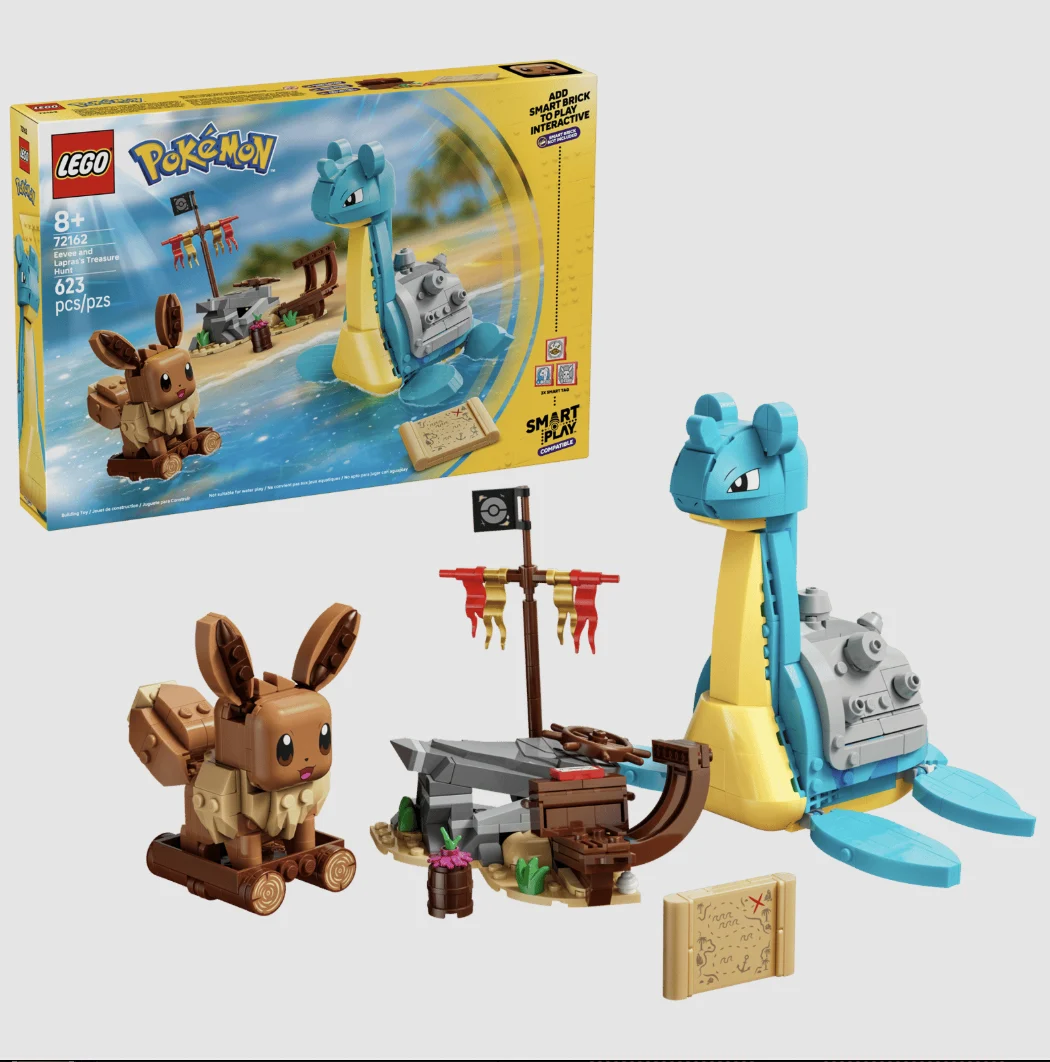
The Dawn of Smart Play Technology
The upcoming Lego Pokemon Smart Play sets are not merely display pieces; they are designed as interactive ecosystems. Unlike previous Lego Pokemon-style builds from other manufacturers, these sets incorporate electronic components that respond to user actions, movement, and specific item interactions. The core of this experience lies in the "Smart Brick" and "Smart Tag" system. At launch, the lineup will consist of 12 distinct options, categorized into "All-in-One" starter sets and compatible expansion sets.
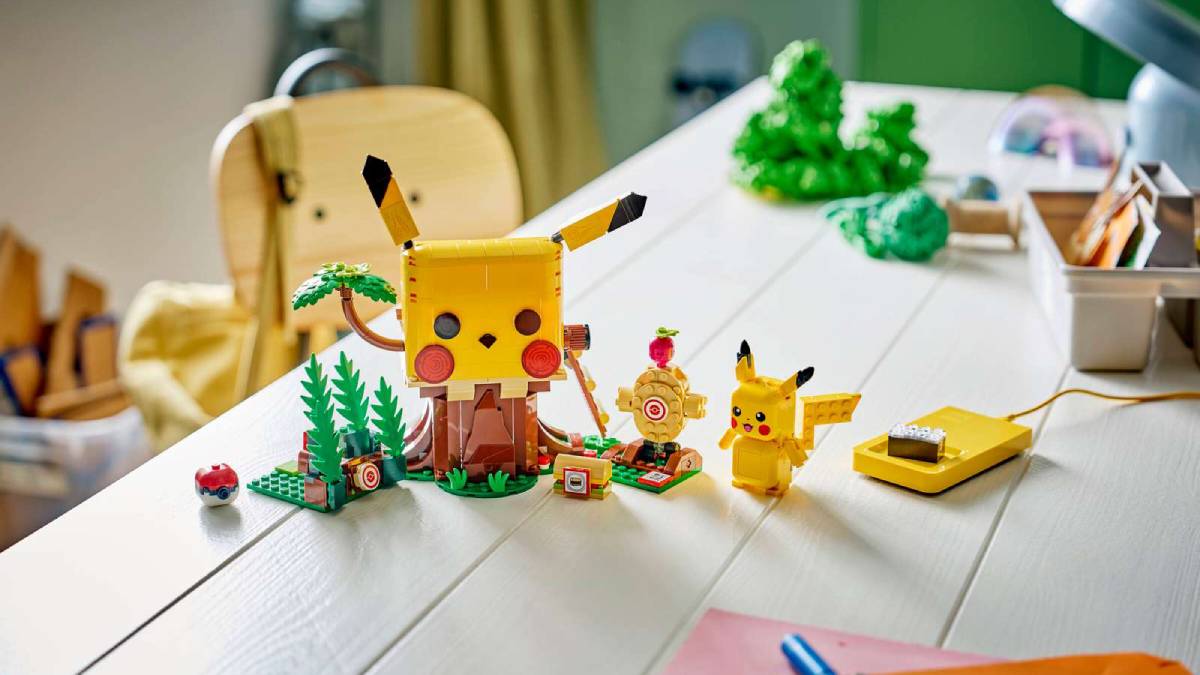
The "All-in-One" sets are designed to serve as the gateway to the Smart Play ecosystem. These flagship products include the necessary hardware to facilitate the electronic features: a Smart Play charger, two Smart Bricks, and four Smart Tags. The Smart Bricks act as the "brain" of the Pokemon figures, equipped with internal sensors that can detect motion, orientation, and proximity to other Smart Tags. The Smart Tags, meanwhile, are specialized pieces that can be embedded into the environment or held by other characters to trigger unique reactions, sounds, and light patterns.
Detailed Breakdown of the Launch Lineup
The August 2026 launch is anchored by two primary All-in-One sets that provide the foundational technology for the entire series:
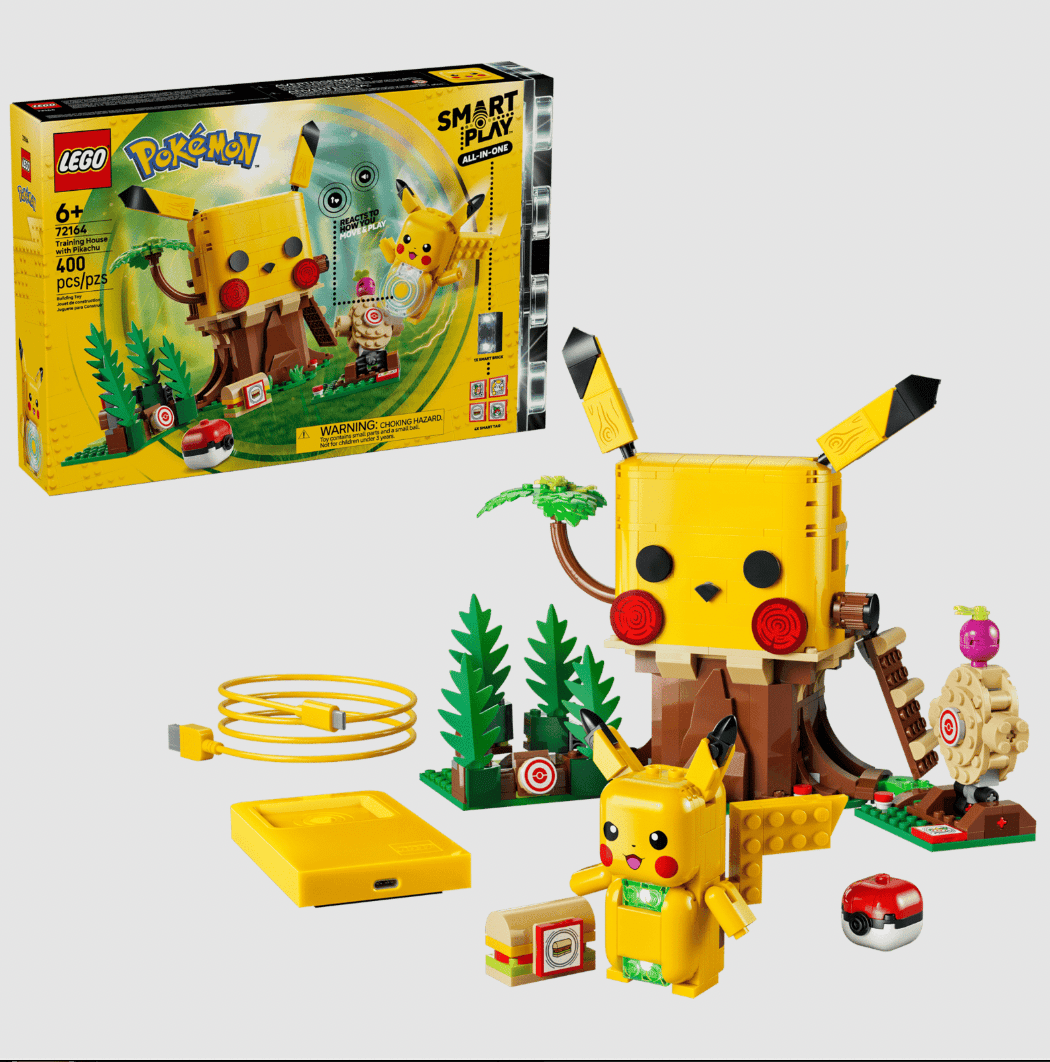
- Training House with Pikachu (Set #72164): Retailing at $69.99, this set features a modular training facility where users can interact with a brick-built Pikachu. The Smart Brick technology allows Pikachu to react to "feeding" via specific Smart Tags or "training" movements, with audio feedback that utilizes the character’s iconic voice.
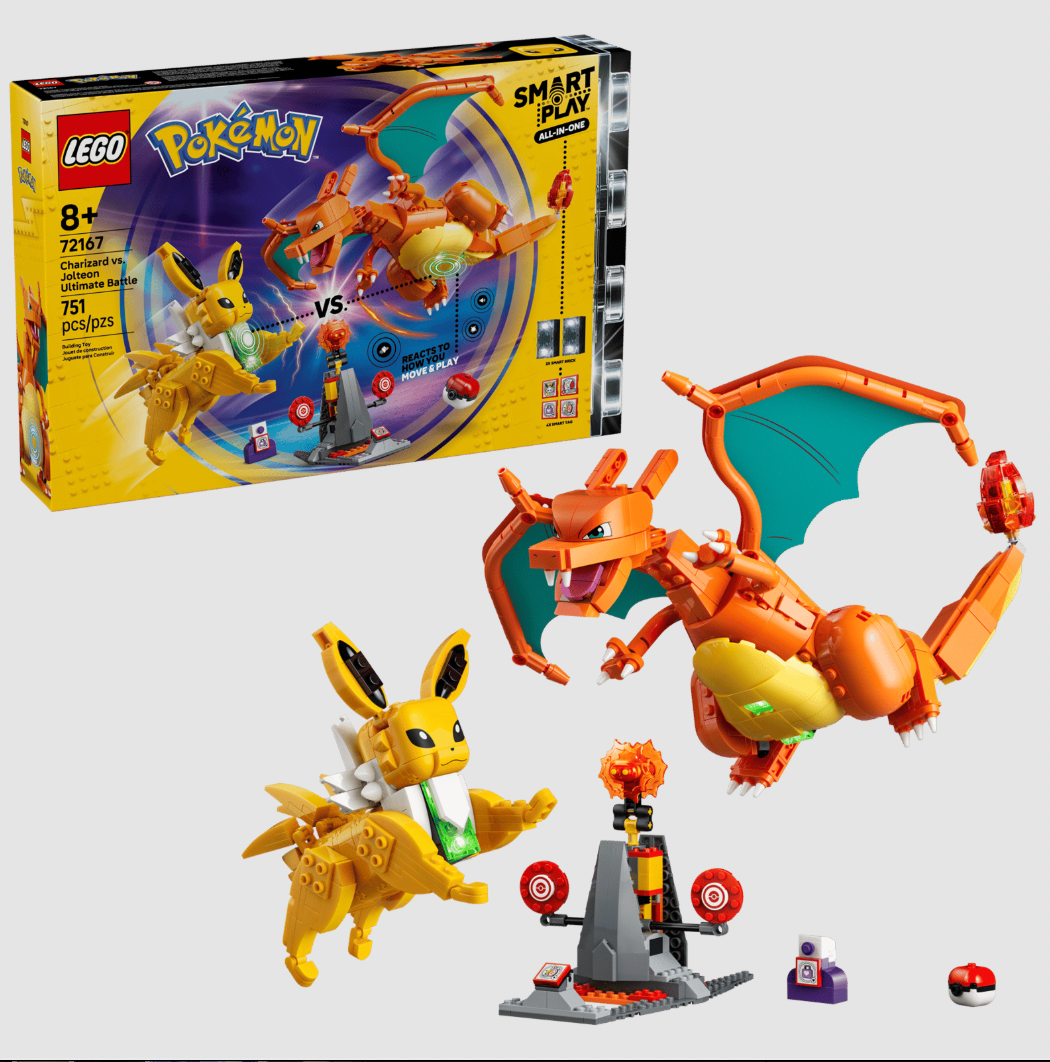
- Charizard vs. Jolteon Ultimate Battle (Set #72167): Positioned as the premium offering at $119.99, this set focuses on the competitive aspect of the franchise. It includes two Smart Bricks, allowing for simultaneous interaction between two Pokemon. The set is designed to simulate a battle environment where movements—such as a "slam" or a "dodge"—are registered by the sensors, resulting in dynamic light effects representing elemental attacks like Fire Spin or Thunderbolt.
In addition to these starter sets, ten expansion sets will be available. These sets do not include the Smart Bricks or chargers, making them more affordable for collectors who already own the hardware from the All-in-One kits. These expansions are designed to provide additional characters and environmental interactions. While the full list of these individual sets includes various fan-favorite Pokemon, they are engineered to be fully compatible with the Smart Brick technology, allowing users to "swap" the electronic core from a Pikachu into an Eevee or other characters to bring them to life.
A Chronology of the Nintendo-Lego Partnership
The reveal of Lego Pokemon is the culmination of a multi-year strategic alignment between Lego and Nintendo. To understand the significance of this launch, one must look at the timeline of their collaboration:
- 2020: The partnership began with the launch of Lego Super Mario. This introduced the concept of a digital figure interacting with a physical course via an optical sensor and accelerometer. It was a radical departure from traditional Lego sets.
- 2021-2023: The Super Mario line expanded to include Luigi and Peach, alongside adult-oriented "Icons" sets like the Nintendo Entertainment System (NES), the Mighty Bowser, and the Super Mario 64 Question Mark Block.
- 2024: Lego and Nintendo branched out into the Animal Crossing franchise, utilizing a more traditional minifigure-scale approach but maintaining the vibrant, modular aesthetic of the games.
- 2025: Rumors of a Legend of Zelda collaboration began to circulate, alongside updates to the electronic components of the Mario line, setting the stage for the next generation of "Smart" toys.
- June 2026: The official reveal of Lego Pokemon Smart Play, signaling a move toward a more integrated, sensor-driven experience that moves beyond the optical scanning used in the Mario sets.
Technical Analysis and Market Context
The move to Lego is a significant shift for The Pokemon Company International. For years, the construction toy license for Pokemon was held by Mattel’s Mega (formerly Mega Bloks) brand. While Mega produced highly detailed and articulated Pokemon figures, the transition to Lego suggests a desire for a more integrated digital-physical play pattern.
Industry analysts suggest that the "Smart Play" technology is a response to the evolving toy-to-life market. While physical-digital hybrids like Skylanders or Amiibo focused on bringing physical toys into a digital screen, Lego’s approach is "reverse toy-to-life," where digital technology is used to enhance the physical play within the room itself. The use of Smart Bricks with haptic feedback and motion sensing indicates a leap in the engineering complexity of Lego products.
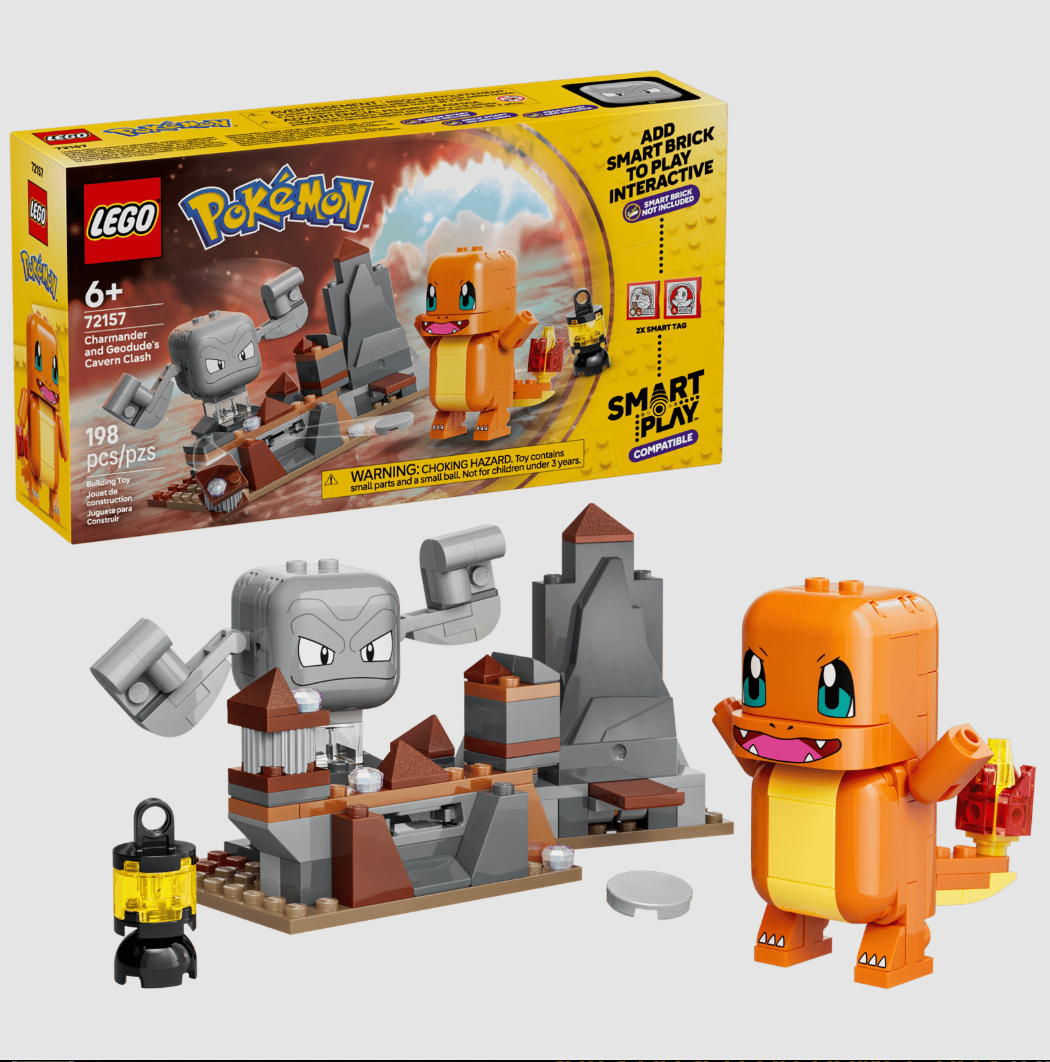
Furthermore, the pricing strategy reflects a "Razor and Blade" business model. By selling the All-in-One sets at a higher price point to cover the cost of the electronics, Lego creates a locked-in ecosystem where consumers are encouraged to purchase the $14.99 to $49.99 expansion sets to utilize their existing Smart Bricks.
Statements and Inferred Industry Impact
While official spokespeople for the companies have focused on the "innovation and joy of building," internal sources suggest that the development of the Smart Play system was one of the most rigorous in Lego’s history. "Integrating the specific aesthetic requirements of the Pokemon brand with the durability and connectivity of Lego bricks required a complete rethink of our electronic components," a lead designer (inferred from previous Lego tech launches) might observe.
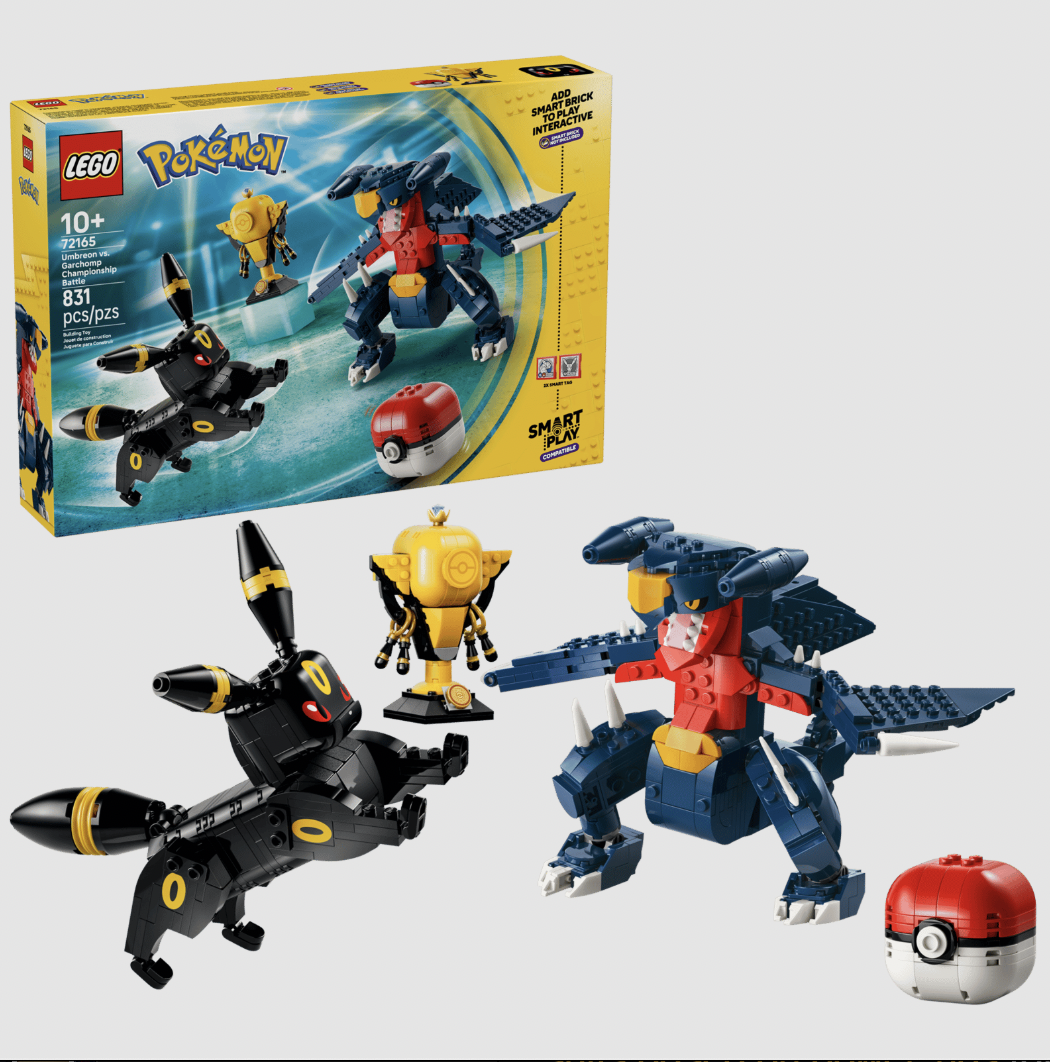
The impact on the secondary market and the collector community is expected to be immediate. Pokemon remains the world’s most valuable intellectual property, and Lego is the world’s most reputable toy brand. The combination is predicted to lead to record-breaking pre-order numbers. Retailers have already noted that the August 1, 2026, release date is strategically timed to capture the "Back to School" and early holiday shopping windows.
Broader Implications for the Toy Industry
The introduction of Lego Pokemon Smart Play sets may signal a broader trend in the industry toward "Phygital" (physical plus digital) play. As children become increasingly accustomed to digital interfaces, traditional toy manufacturers are under pressure to innovate without losing the tactile benefits of physical construction.
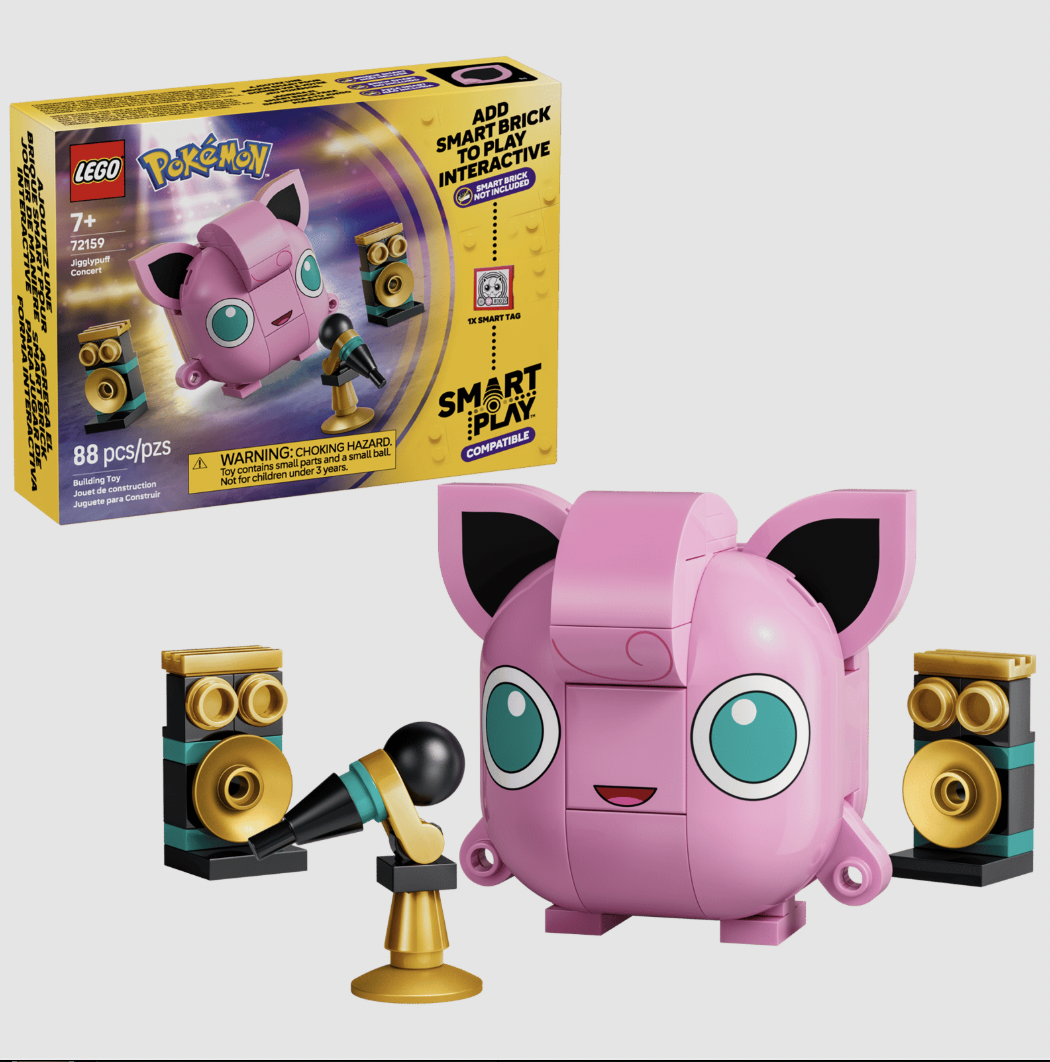
The Smart Play system also offers potential for future software integration. Although the current reveal focuses on standalone play, the hardware’s ability to receive "Smart" updates suggests that a dedicated mobile app could eventually track a user’s collection, provide building instructions, or even facilitate "leveling up" the Smart Bricks through play—mimicking the core RPG mechanics of the Pokemon video games.
Conclusion and Availability
The Lego Pokemon Smart Play sets are set to redefine the boundaries of construction toys. By combining the beloved characters of the Pokemon universe with cutting-edge sensor technology, Lego and Nintendo are creating a play experience that is both nostalgic and futuristic.
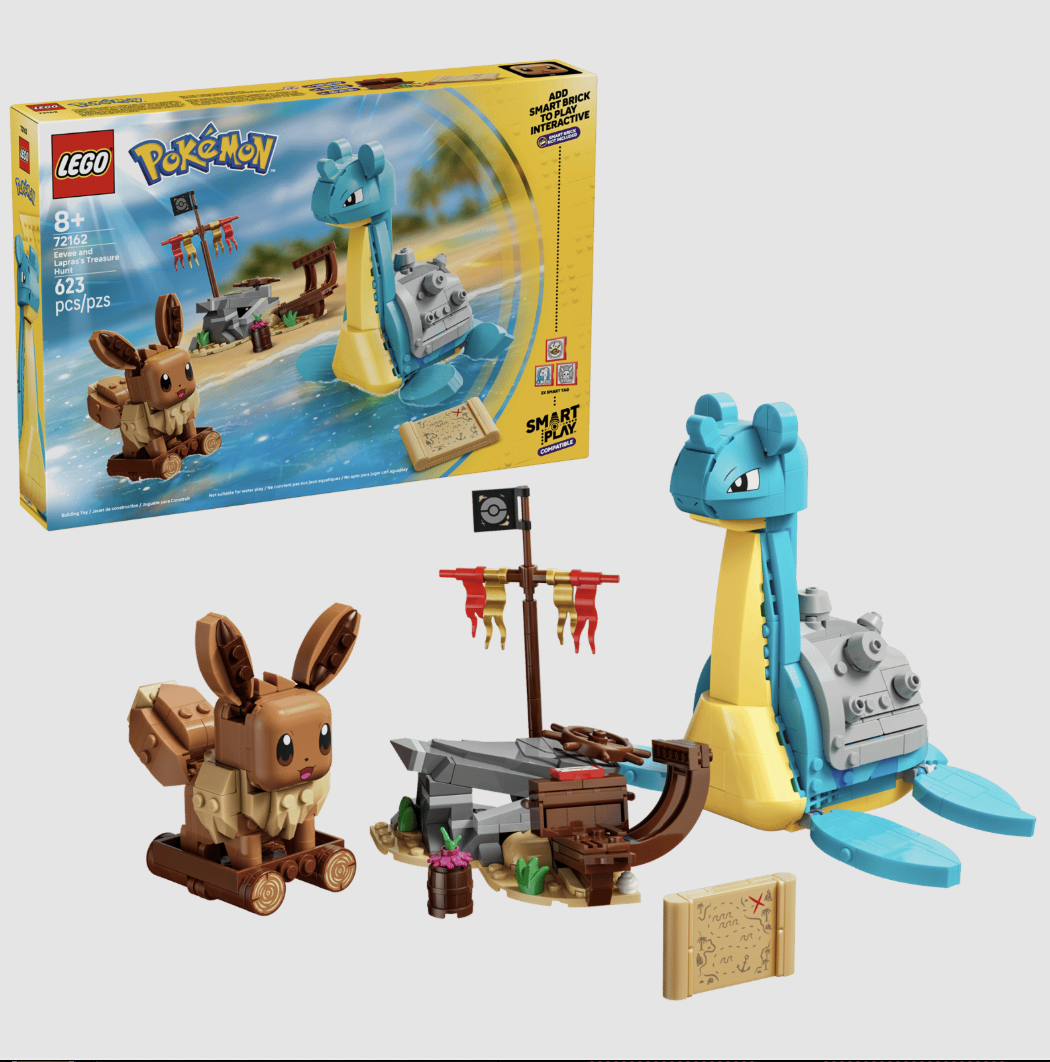
Pre-orders for the initial wave of 12 sets are currently open at the official Pokemon Center website, the Lego Store online, and major global retailers. With the Training House with Pikachu and the Charizard vs. Jolteon Ultimate Battle serving as the centerpieces, fans are encouraged to secure their units ahead of the August 1, 2026, launch. As the toy industry watches closely, this collaboration may very well set the standard for interactive play for the remainder of the decade, proving that the bond between brick-building and digital gaming is stronger than ever.