Retno Hari Mulyono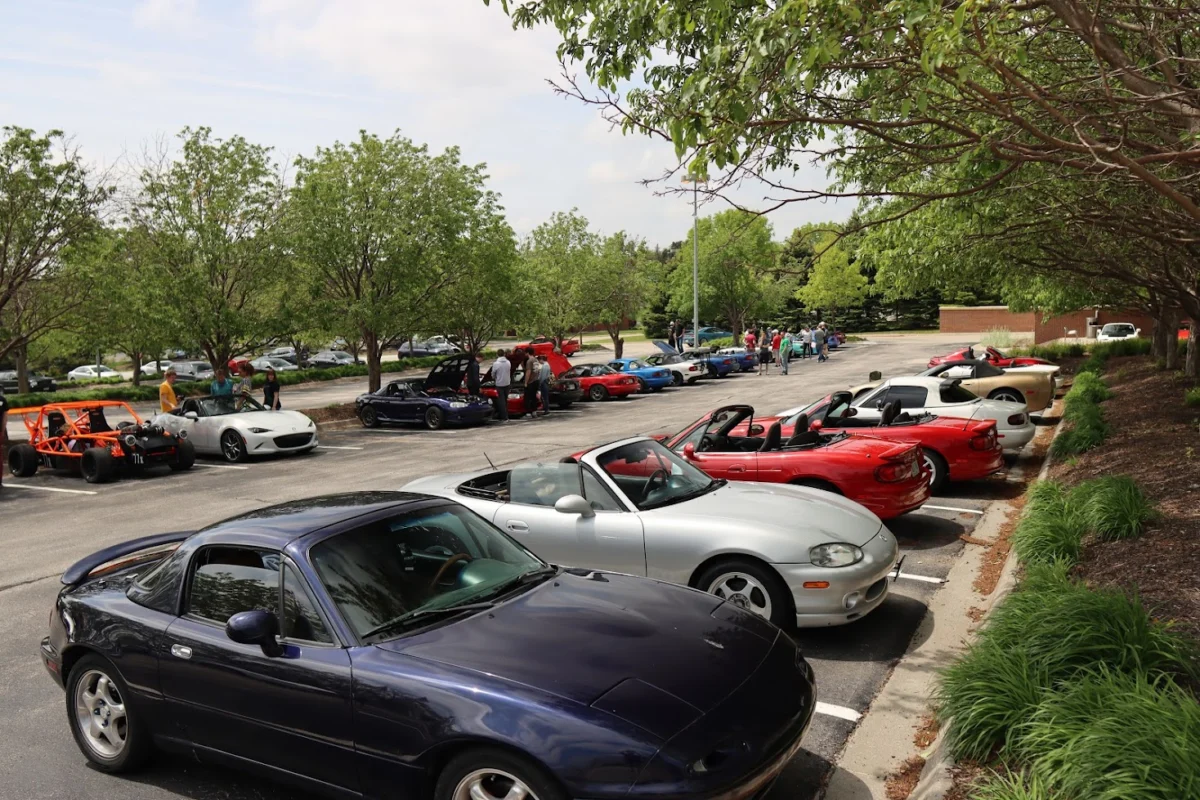
The revitalization of the second-generation Mazda MX-5 Miata, known internally as the NB series, has emerged as a focal point for automotive enthusiasts seeking a balance between mechanical simplicity and modern performance. This specific case study follows the twelve-month evolution of a 2000 Mazda Miata, documenting its transition from a neglected high-mileage roadster to a track-capable performance machine. Through a series of methodical mechanical upgrades, aesthetic modifications, and competitive testing, the project highlights the enduring viability of the NB platform in the contemporary automotive landscape.
Technical Foundation of the NB Mazda Miata
The 2000 Mazda Miata occupies a unique position in the history of the MX-5. Introduced as the successor to the iconic NA generation, the NB retained the lightweight ethos while offering improved structural rigidity and a more powerful 1.8-liter BP4W engine. Unlike later iterations, the BP4W is a non-interference engine, a critical design feature that ensures the valves and pistons do not collide should the timing belt fail. This characteristic makes the platform particularly resilient for high-stress environments such as autocross and track days.
In the early months of 2021, the acquisition of this specific 2000 model marked the beginning of a year-long technical overhaul. At the time of purchase, the vehicle lacked a documented maintenance history, a common challenge for buyers in the used sports car market. This necessitated an immediate baseline service to ensure mechanical reliability before any performance-oriented modifications could be implemented.
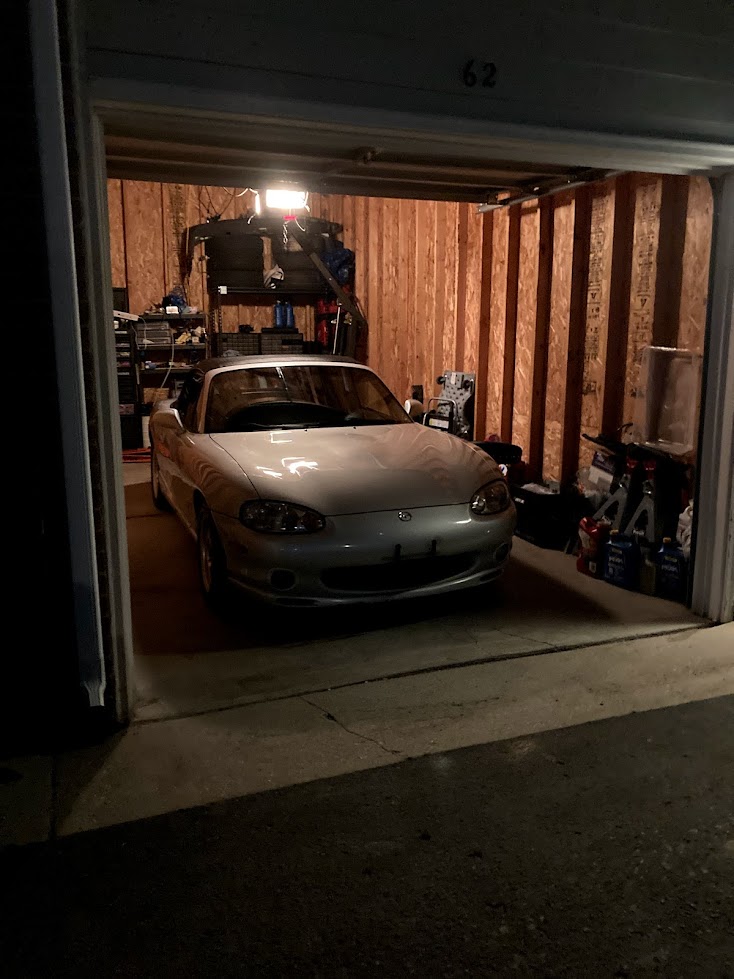
Chronology of Development: March 2021 to February 2022
The project followed a logical progression, beginning with safety and reliability before moving toward power delivery, handling, and competitive safety compliance.
Phase I: Acquisition and Baseline Reliability (Spring 2021)
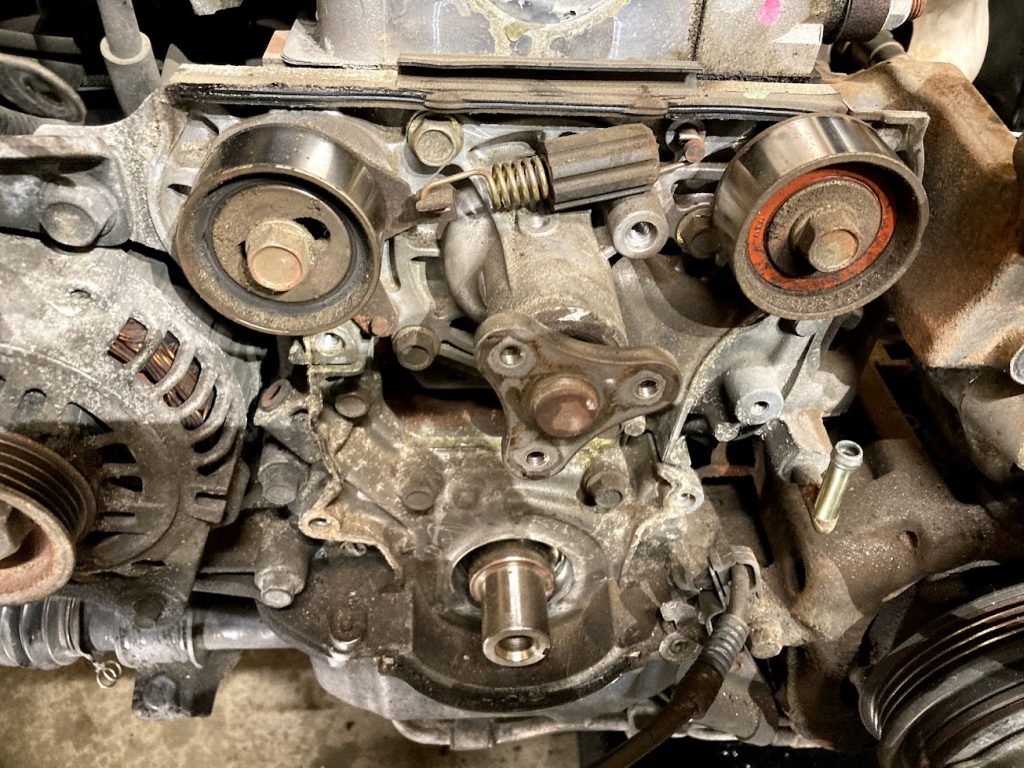
Following the acquisition in March 2021, the primary focus shifted to preventative maintenance. Despite the non-interference nature of the BP4W engine, the timing belt and associated cooling components were prioritized in April. Industry data suggests that the cooling system is the primary failure point for the Miata platform during track use; thus, establishing a "known good" state was paramount.
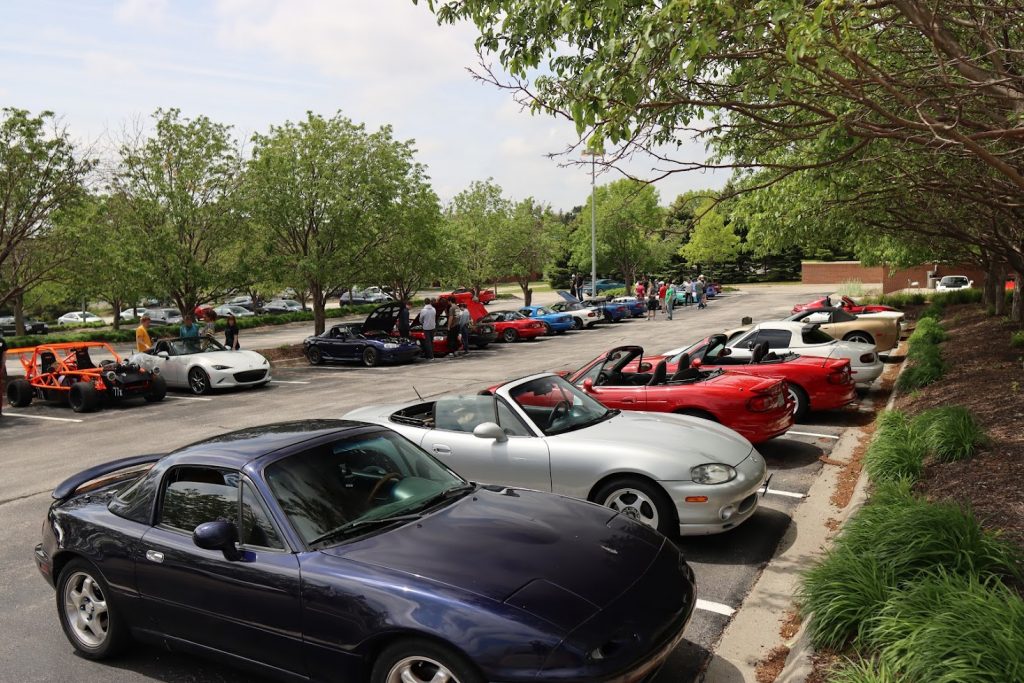
By May 2021, the vehicle began its integration into the broader enthusiast community. Attendance at regional car meets provided a benchmark for the project, allowing for the comparison of stock configurations against turbocharged, supercharged, and even V8-swapped variants. This exposure underscored the versatility of the NB platform as a modular performance base.
Phase II: Airflow Optimization and Aesthetic Overhaul (Summer 2021)
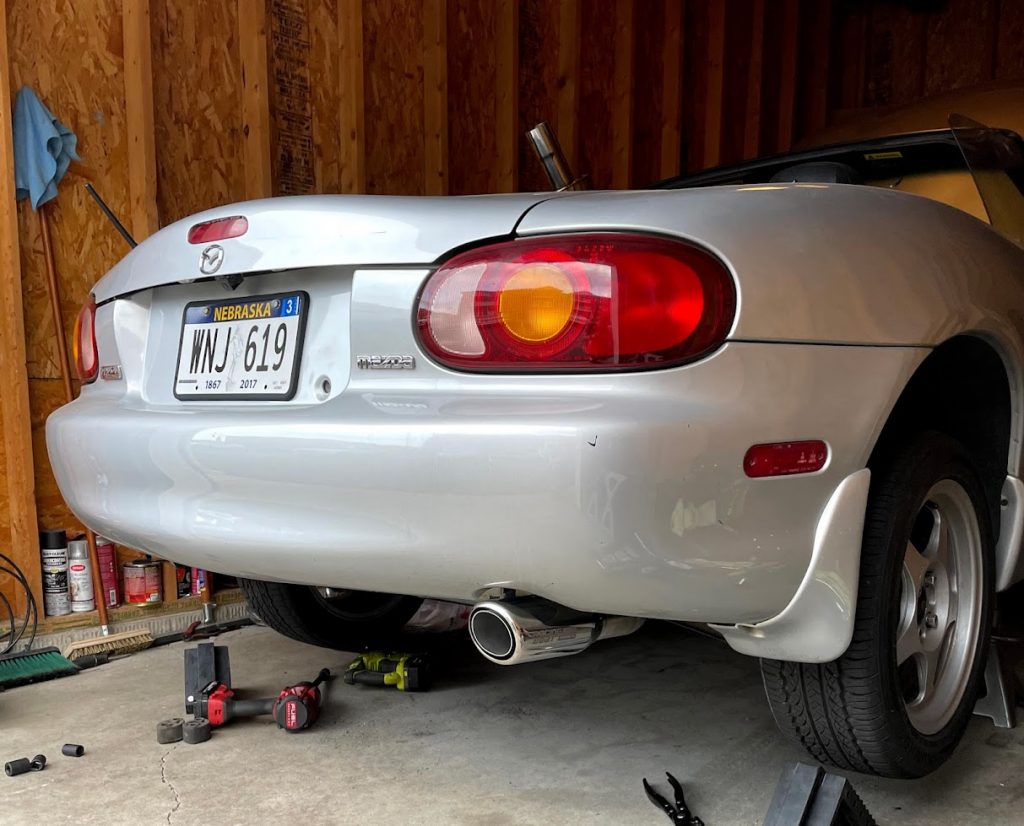
In June 2021, the technical focus transitioned to the exhaust system. The stock components, hampered by age-related corrosion and restrictive catalytic converters, were replaced with an aftermarket suite consisting of a Raceland header, a Cobalt midpipe, and a Racing Beat Power Pulse muffler. This configuration was selected to optimize backpressure and improve the engine’s acoustic profile without exceeding decibel limits common at many track facilities.
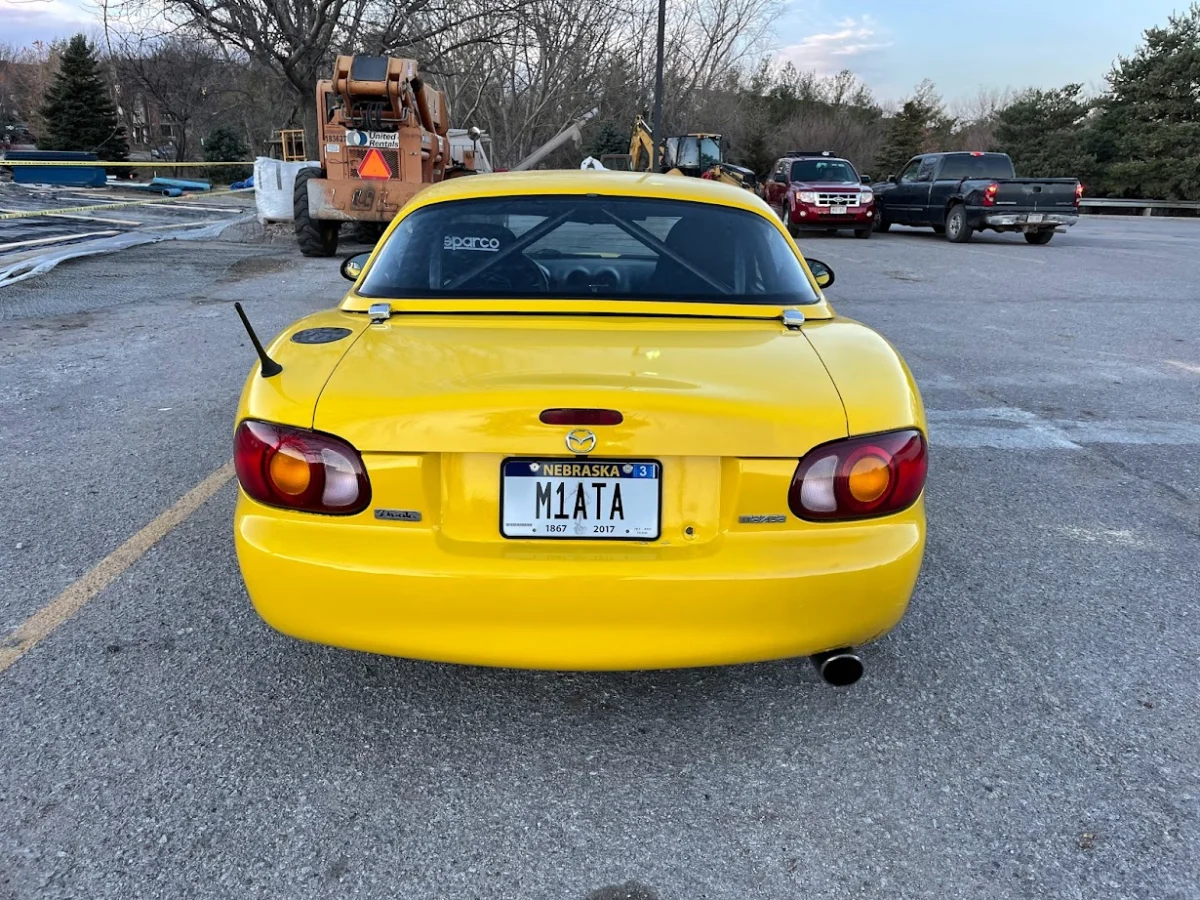
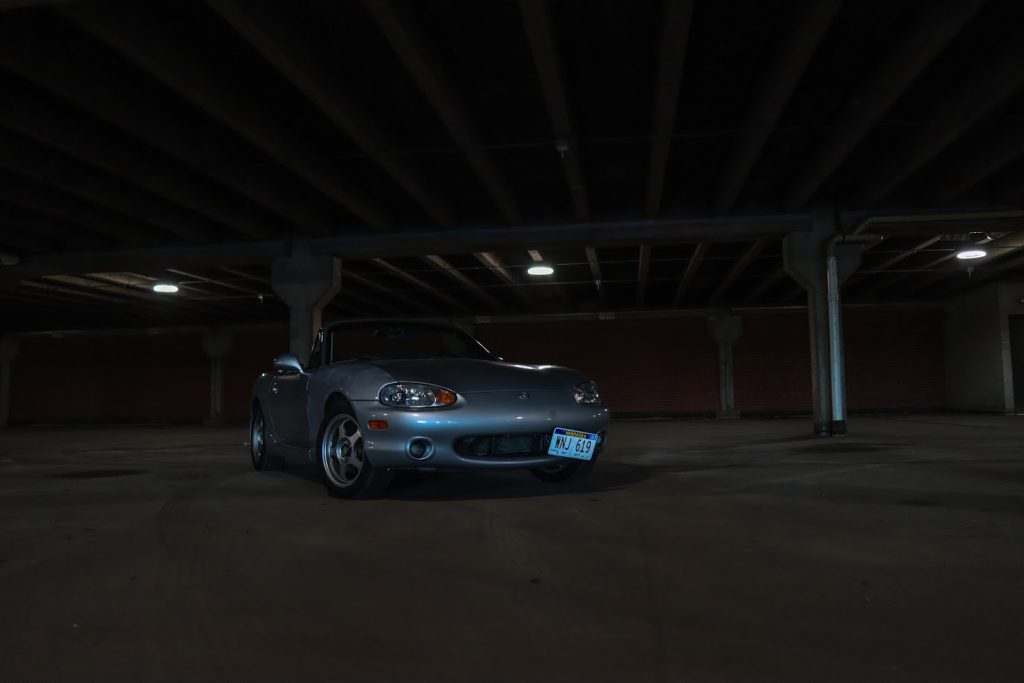
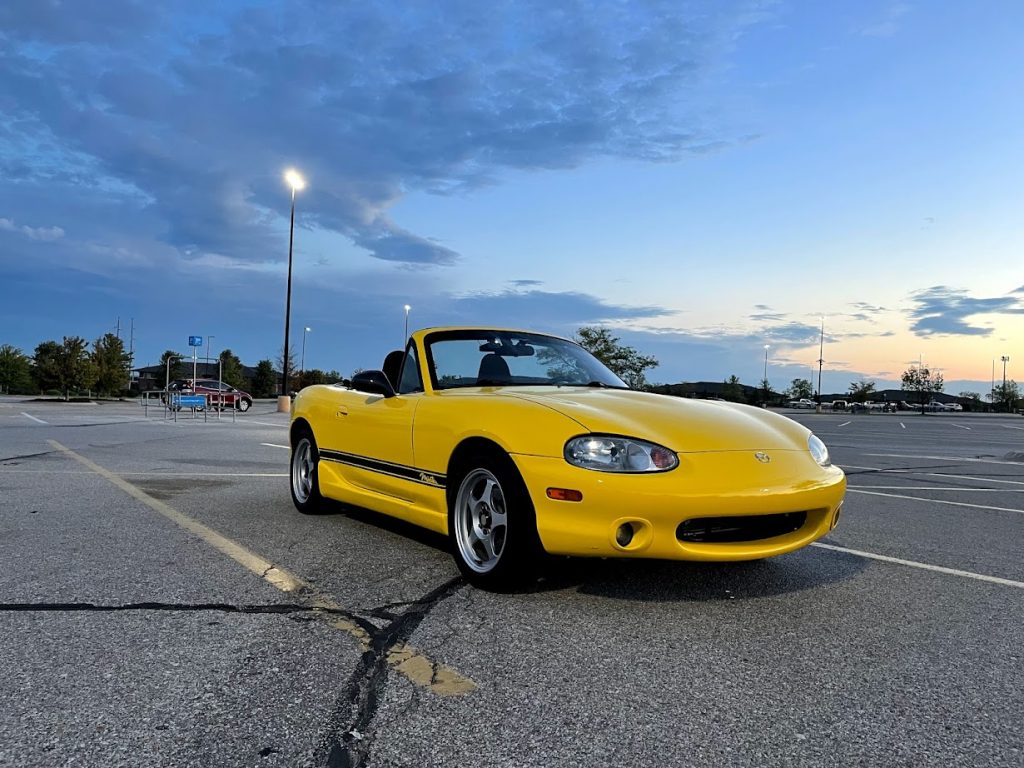
The aesthetic transformation occurred in July and August 2021. The vehicle’s original silver paint, which featured a damaged front fender, was prepared for a full vinyl wrap. The application of a high-visibility yellow wrap served a dual purpose: it modernized the vehicle’s appearance and increased visibility during competitive events.
Phase III: Competitive Entry and Dynamics (Autumn 2021)
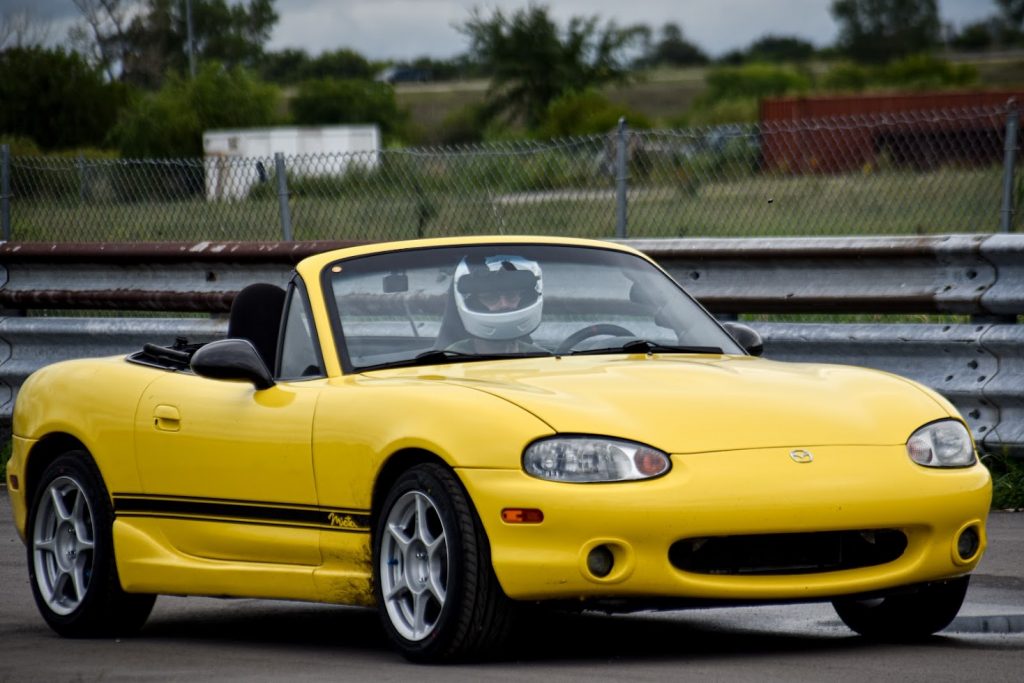
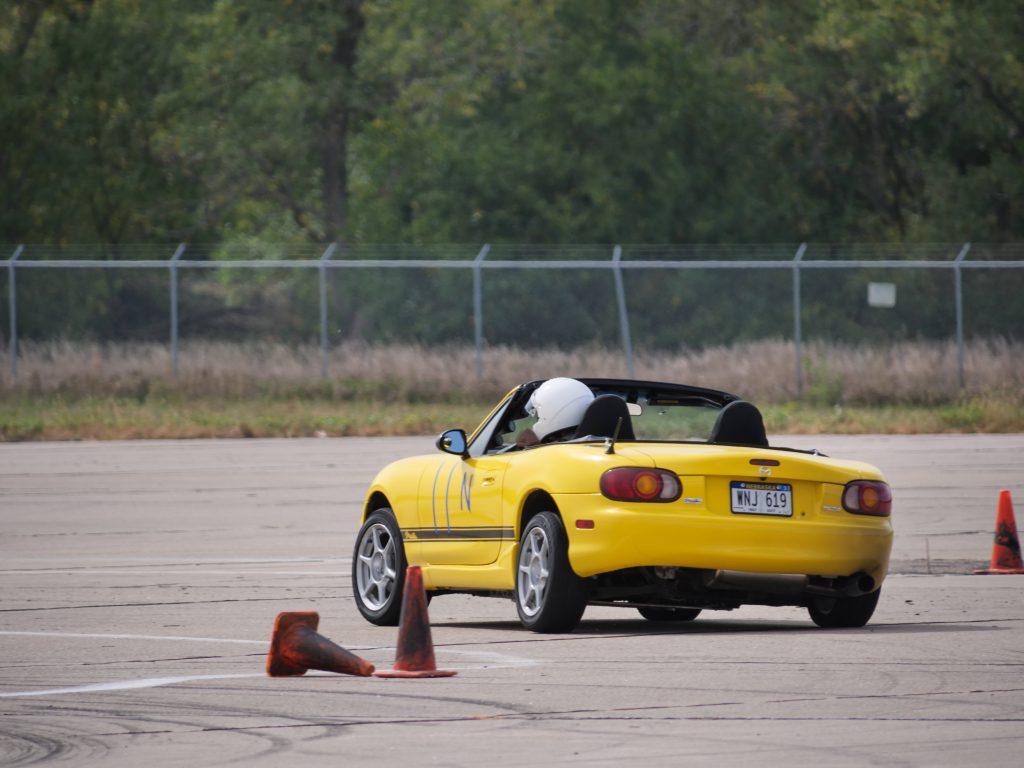
September 2021 marked the vehicle’s debut in high-performance driving environments. Testing at the Raceway Park of the Midlands provided empirical data on the car’s handling characteristics under sustained load. This was followed by entry into autocross competitions in October, which emphasized low-speed agility and transitional stability.
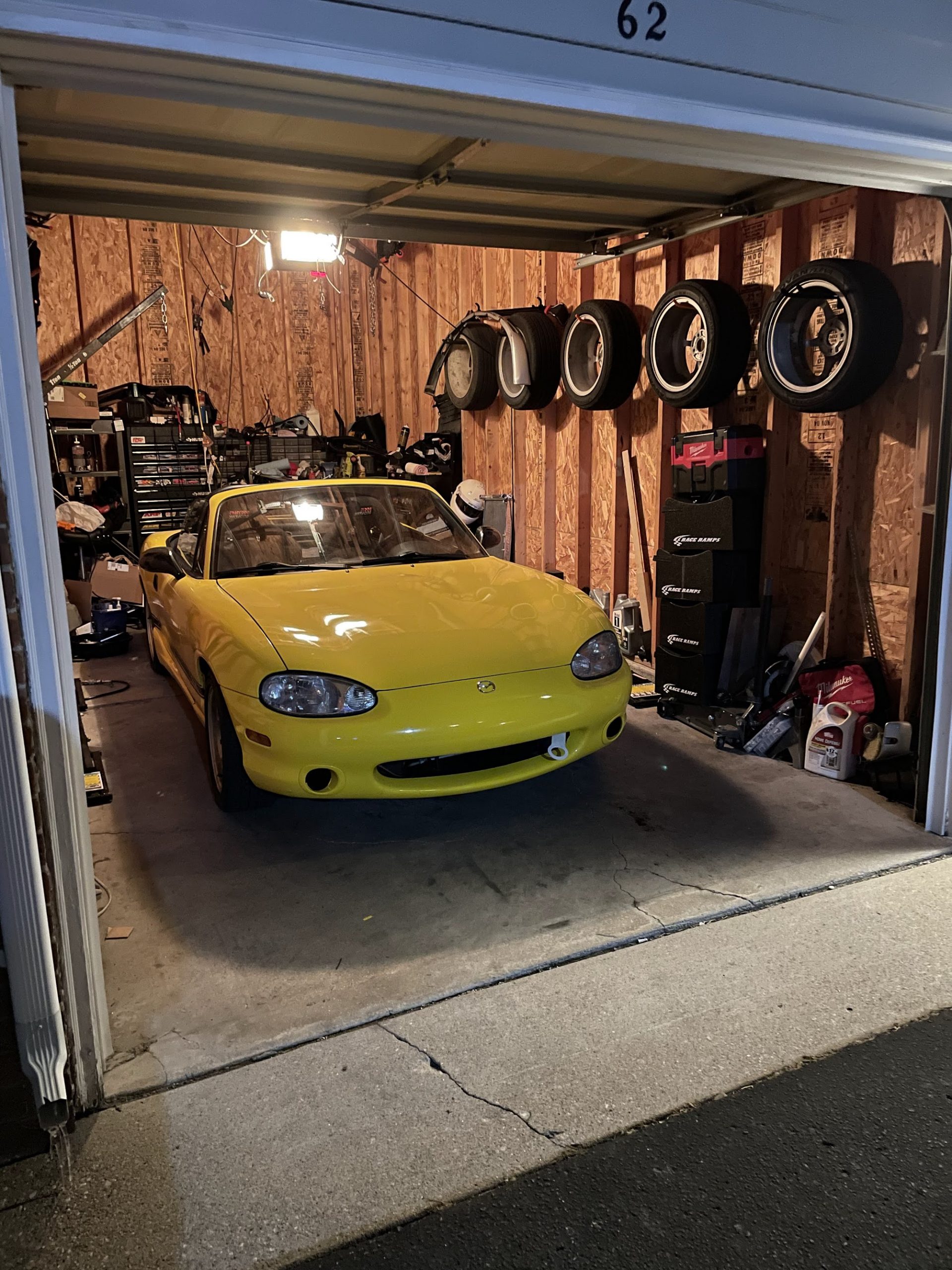
As the regional climate transitioned toward winter in November, the vehicle was equipped with a factory hardtop. Beyond weather protection, the hardtop significantly increases the structural rigidity of the Miata chassis, a factor that improves handling precision. In Nebraska, where salted roads pose a significant corrosion risk to the NB’s sensitive frame rails and rocker panels, the vehicle was largely withdrawn from daily use during inclement weather to preserve the chassis integrity.
Phase IV: Major Mechanical Revision and Safety Compliance (Winter 2022)
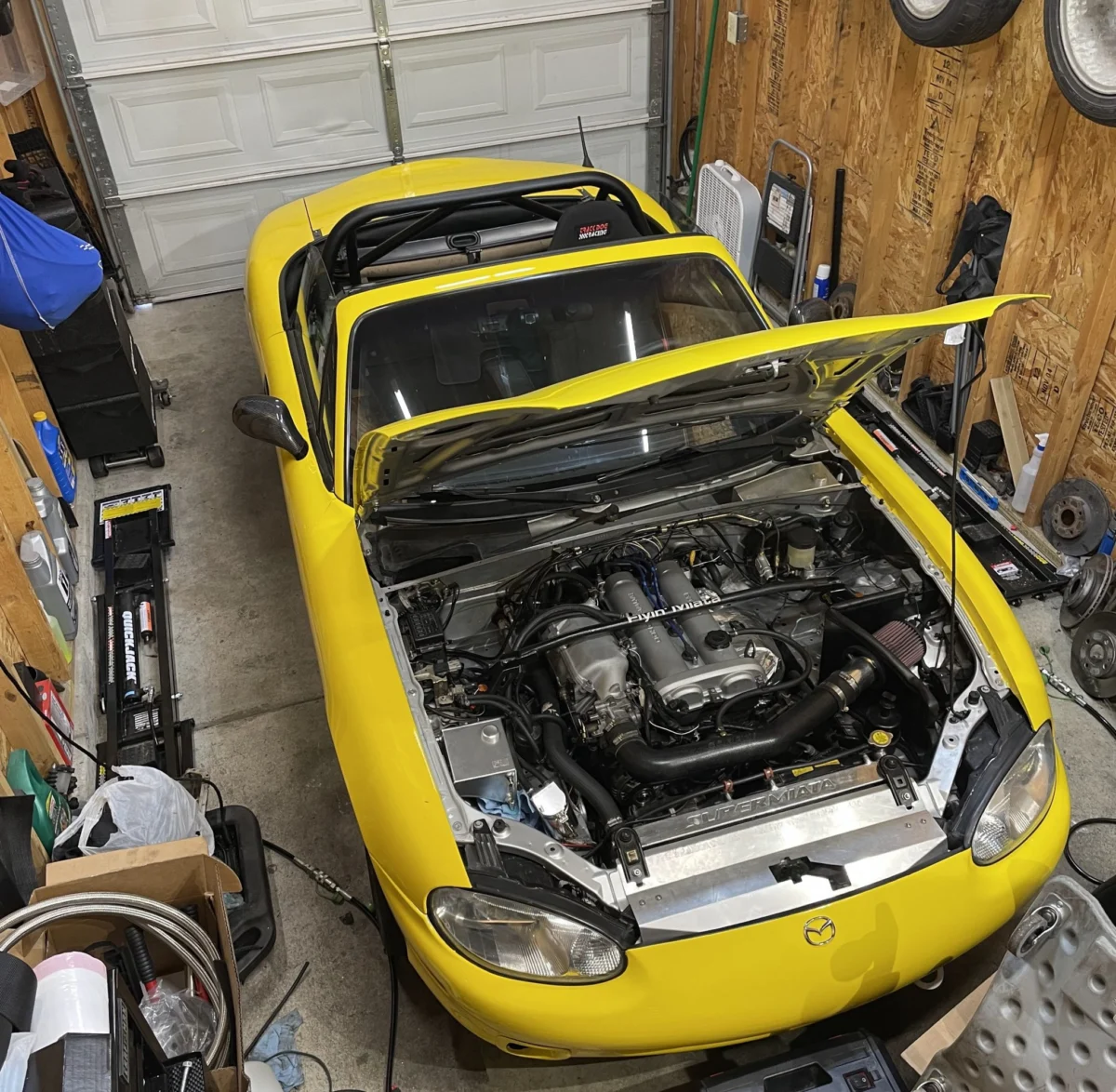
The winter months of December 2021 and January 2022 were dedicated to intensive mechanical work. The engine was removed from the chassis to facilitate several critical repairs:
- Rear Main Seal Replacement: Addressing a common oil leak point.
- Oil Pan Maintenance: Repairing a stripped drain plug to ensure long-term serviceability.
- Coolant Reroute Installation: This is a vital modification for the BP-series engine. The original factory design prioritizes cooling for the front of the engine, often leading to overheating in the rear cylinders. The reroute kit corrects the flow path, mirroring the engine’s original longitudinal design used in previous Mazda models.
In February 2022, the project reached its current peak with the installation of comprehensive safety gear. This included Track Dog Racing UltraShield Rally Sport seats, six-point racing harnesses, and a fire suppression system. Furthermore, a DIY alignment was performed to optimize the suspension geometry for the upcoming racing season.
Technical Specifications and Performance Data
The modifications performed over the twelve-month period resulted in a vehicle significantly more capable than its factory counterpart.
| Component | Stock Specification | Modified Specification |
|---|---|---|
| Engine | 1.8L BP4W (140 hp) | Optimized BP4W with Coolant Reroute |
| Exhaust | Cast Manifold / Stock Muffler | Raceland Header / Racing Beat Muffler |
| Safety | Factory Buckets / 3-Point Belt | UltraShield Seats / 6-Point Harness / HANS |
| Aesthetics | Silver Paint | High-Visibility Yellow Vinyl Wrap |
| Chassis | Open Top | Hardtop (Increased Rigidity) |
The "broomstick test"—a safety standard requiring the driver’s helmet to be below a line drawn from the roll bar to the windshield frame—was a critical metric during the seat installation. By utilizing low-profile brackets and specialized racing seats, the center of gravity was lowered while ensuring compliance with track safety regulations.
Market Context and Inferred Industry Trends
The revitalization of this NB Miata reflects a broader trend within the automotive industry. As the prices of the first-generation (NA) Miata have surged due to their "collector" status, the NB generation has become the preferred choice for grassroots motorsports. Technical analysts suggest that the NB provides approximately 80% of the modern ND Miata’s performance at roughly 25% of the total investment cost, including modifications.
The DIY nature of the project also highlights the growth of the aftermarket support industry. Companies like Racing Beat, Moss Motors, and Track Dog Racing have seen sustained demand as owners opt to rebuild older internal combustion vehicles rather than transition to modern, electronically complex alternatives. This "right to repair" and "build not bought" philosophy continues to drive significant economic activity within the specialty equipment market.
Broader Implications for the Enthusiast Community
The successful evolution of the 2000 Mazda Miata demonstrates that older vehicle platforms can be modernized to meet contemporary performance standards through methodical engineering. The project’s emphasis on safety—specifically the HANS (Head and Neck Support) device and 6-point harnesses—underscores a shift in the hobbyist community toward professional-grade safety standards even at the grassroots level.
Furthermore, the documentation of this process provides a roadmap for other owners. By addressing known weaknesses such as the cooling flow and chassis rigidity, enthusiasts can extend the lifespan of these vehicles while maintaining their relevance in competitive racing.
Conclusion and Future Outlook
After one year of ownership, the NB Miata has transitioned from a standard used car to a highly specialized performance tool. The project serves as a testament to the durability of Mazda’s engineering and the robust nature of the aftermarket ecosystem. As the vehicle enters its second year of development, the focus is expected to shift toward further weight reduction and potentially forced induction to address the platform’s primary limitation: straight-line speed.
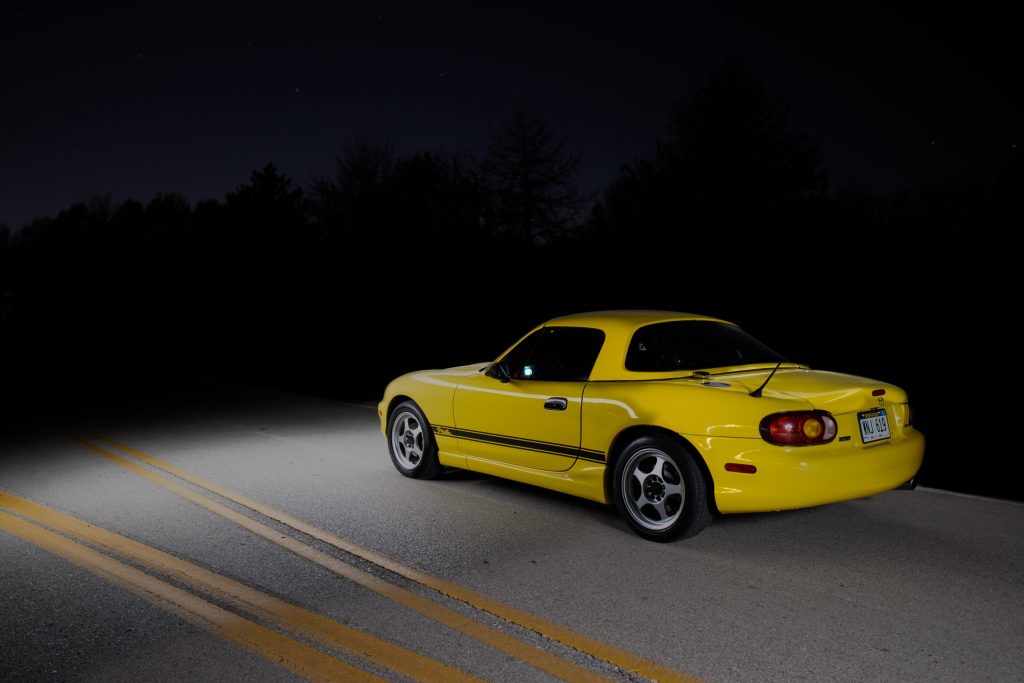
The evolution of this 2000 Mazda Miata remains an ongoing case study in automotive restoration and performance tuning. It stands as a clear example of how strategic mechanical investments and a commitment to maintenance can preserve the driving dynamics of a classic platform for the next generation of motorists. The project continues to be monitored by local enthusiasts and technical observers as a benchmark for the NB series’ potential.