Vera Clarissa
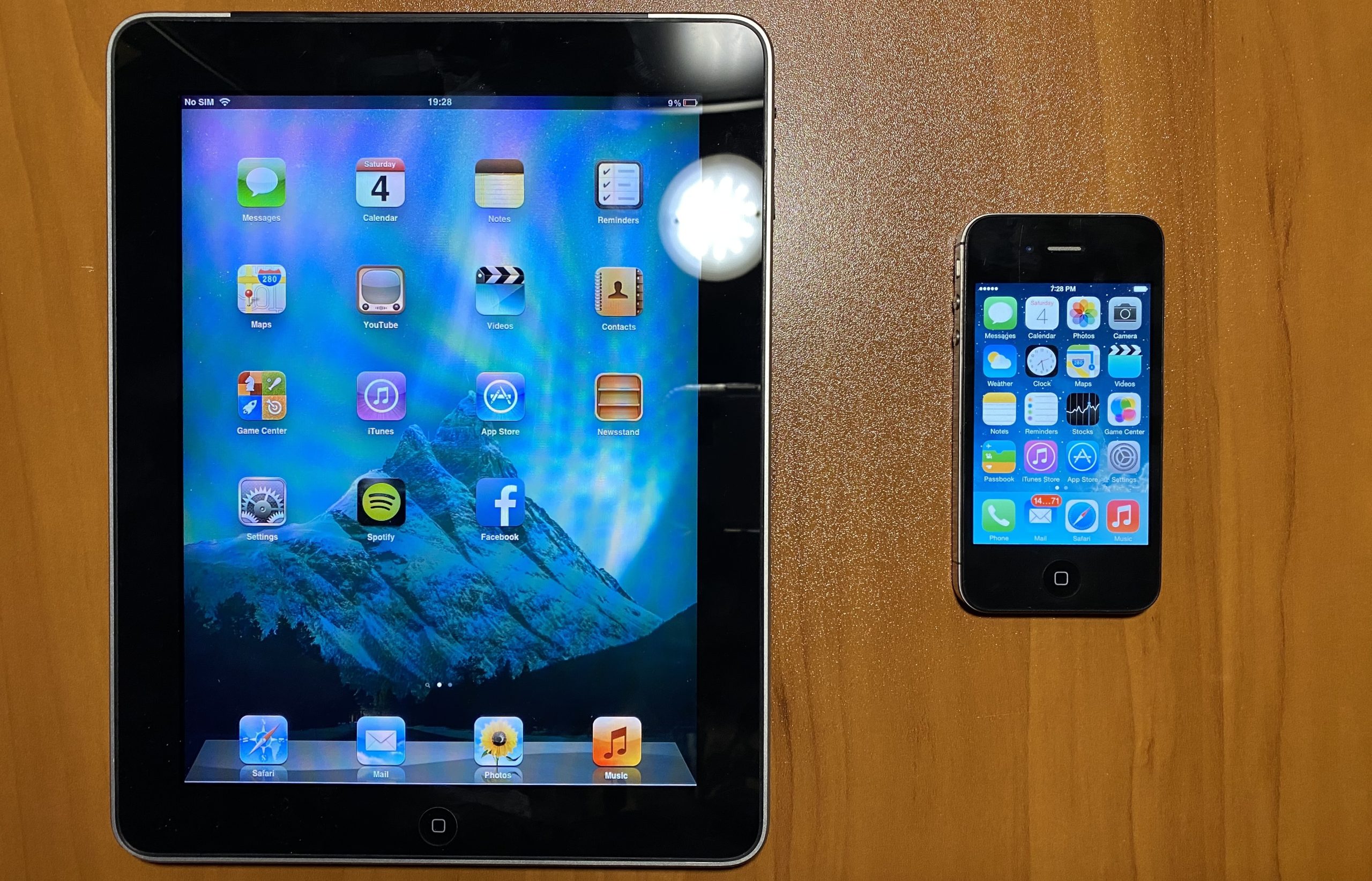
Before the advent of Apple’s proprietary custom silicon with the groundbreaking A4 chip in the iPhone 4, the company relied on chips manufactured by Samsung for its initial iOS devices. This strategic partnership laid the foundation for the mobile computing revolution, with these early Samsung-sourced processors powering the first iterations of iPhones and iPod Touches. However, a significant shift occurred with the introduction of the first iPad, marking the beginning of Apple’s in-house silicon design journey. Every subsequent device has sported a chip meticulously crafted by Apple, known collectively as the "A-Series" System-on-Chips (SoCs), a naming convention adopted from 2010 onwards. This evolution has been a testament to Apple’s commitment to vertical integration and its relentless pursuit of performance and efficiency, culminating in the current era where chips like the A19 and A19 Pro, powering the 2026 iPhone 17 lineup, deliver desktop-class processing power and graphics capabilities directly into the hands of consumers.
The Genesis: Samsung’s Role in Early Apple Devices
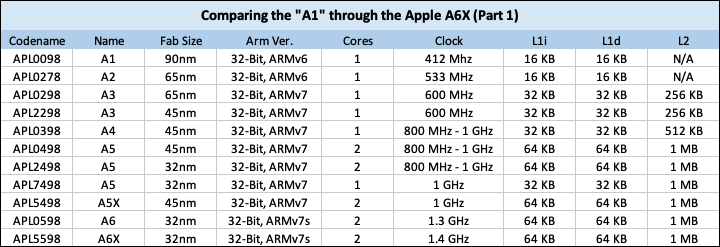
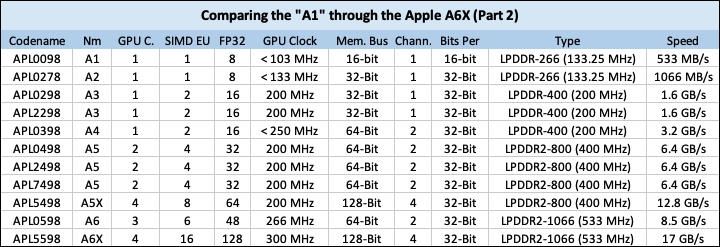
The earliest chapters of Apple’s mobile history are intrinsically linked to Samsung’s semiconductor prowess. The very first iPhone, the original iPod touch, and the iPhone 3G all utilized chips identified internally as "APL0098," more commonly recognized as the Samsung S5L8900. This chip, also referred to as the ARM 8900B, was a 32-bit ARMv6 processor manufactured on a 90-nanometer process. While its default clock speed was 666 MHz, it was strategically underclocked to 412 MHz, a decision likely driven by the paramount importance of power efficiency in nascent mobile devices. The S5L8900 featured a modest 16 Kilobytes of L1 Instruction cache and another 16 KB for L1 data cache. Notably, it lacked any L2 or L3 cache, relying on a single processor core. Memory was supplied by 128 MB of 133.25 MHz LPDDR-266 RAM, offering a total memory bandwidth of 533 MB/s. The adoption of the S5L89xx chips followed an earlier phase where initial iPhone prototypes experimented with Freescale i.MX31 chips. At this stage, the design philosophy prioritized battery life over raw computational horsepower, a pragmatic approach for a revolutionary new product category.

The second-generation iPod touch, while not officially branded with an "A2" designation, can be considered the spiritual successor to the A1. This device employed a chip that was a refinement of the S5L8900. While details are scarce, it is understood to be a 65nm process shrink of its predecessor, indicating improved power efficiency and potentially slightly enhanced performance characteristics. The subtle differences, though not drastically altering the user experience, represent a continuous effort in optimizing the underlying hardware.

The Leap to In-House Design: The A4 Chip Era
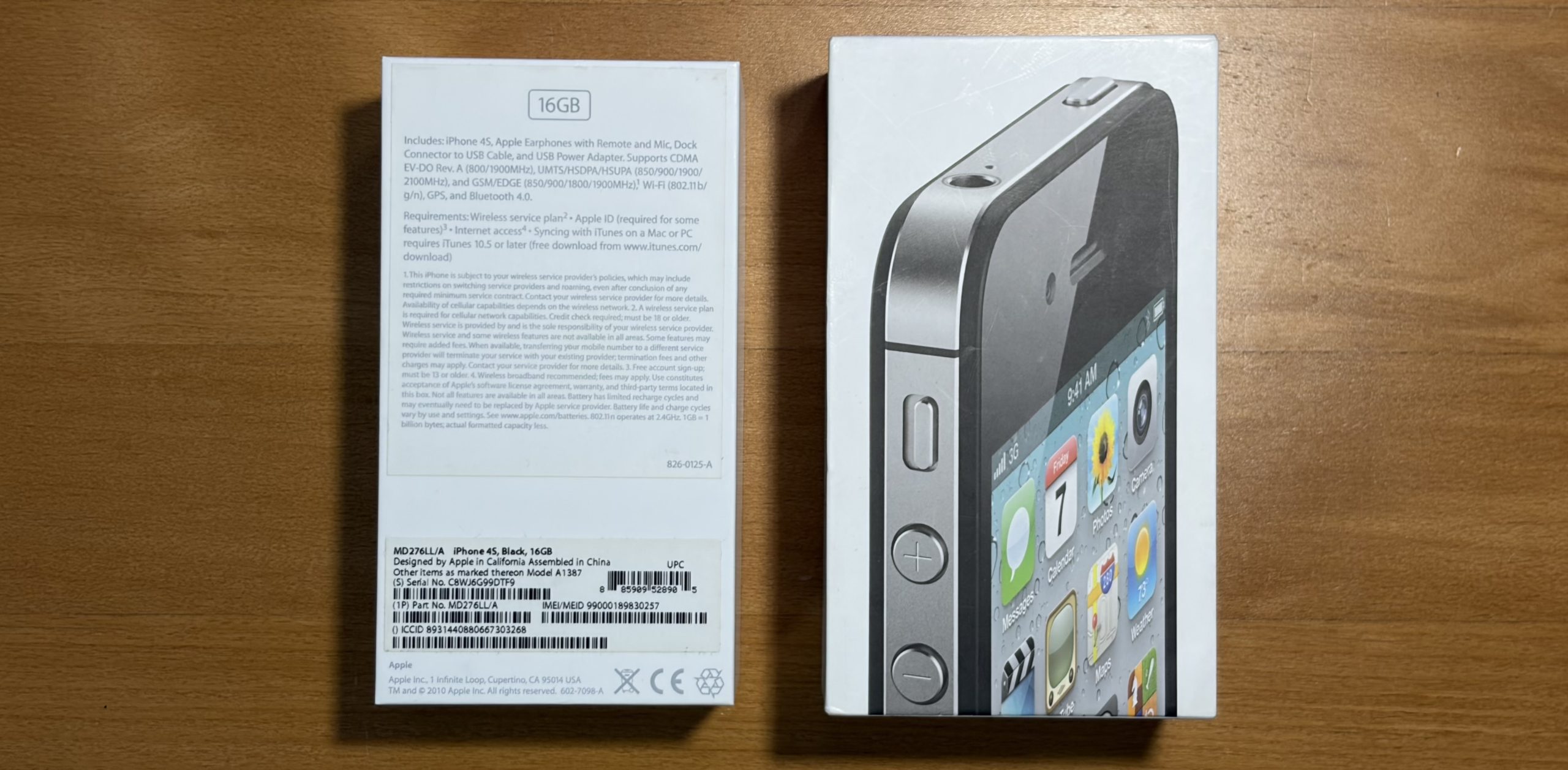
A pivotal moment in Apple’s hardware strategy arrived with the introduction of the A4 chip, which powered the iPhone 4, the original iPad, and the fourth-generation iPod touch. This marked Apple’s transition to designing its own silicon, a move that would profoundly shape its product roadmap and competitive standing. The A4, still a 32-bit processor, saw significant architectural improvements. It doubled the L2 cache to 512 KB compared to the S5L8920/S5L8922 series (A3). CPU clock speeds were also incrementally increased, ranging from 800 MHz to 1 GHz depending on the device. Memory bandwidth saw a substantial uplift to 3.2 GB/s across all devices utilizing this SoC. This represented a clear trajectory towards more powerful and capable mobile computing.

The A5 chip, introduced in March 2011 with the second-generation iPad, represented another significant evolutionary step. Apple advertised the A5 as capable of "twice the work" of the A4, with a staggering nine-fold increase in graphical performance. This was largely attributed to its dual-core architecture and improved memory subsystem. All A5 and A5X chips featured a 1 MB L2 cache. The A5X, specifically designed for the third-generation iPad, was a higher-performance variant featuring a quad-core graphics chip. This boosted graphical performance to an impressive 25.6 Gigaflops, a considerable leap for a tablet at the time, and incorporated further technical refinements over the standard A5.
Pushing Boundaries: The A6, A7, and the Dawn of 64-Bit
The A6 and A6X chips continued this upward trend. The A6, powering the iPhone 5 and 5c, pushed CPU clock speeds beyond the 1 GHz threshold, reaching 1.3 GHz. The A6X, found in the fourth-generation iPad, clocked in at 1.4 GHz. The RAM also received an upgrade to LPDDR2-1066 (533 MHz), enabling a memory bandwidth of 8.5 GB/s for iPhones and a remarkable 17 GB/s for the fourth-generation iPad. The GPU clock speeds were also boosted, with the A6X achieving 300 MHz compared to the A6’s 266 MHz.
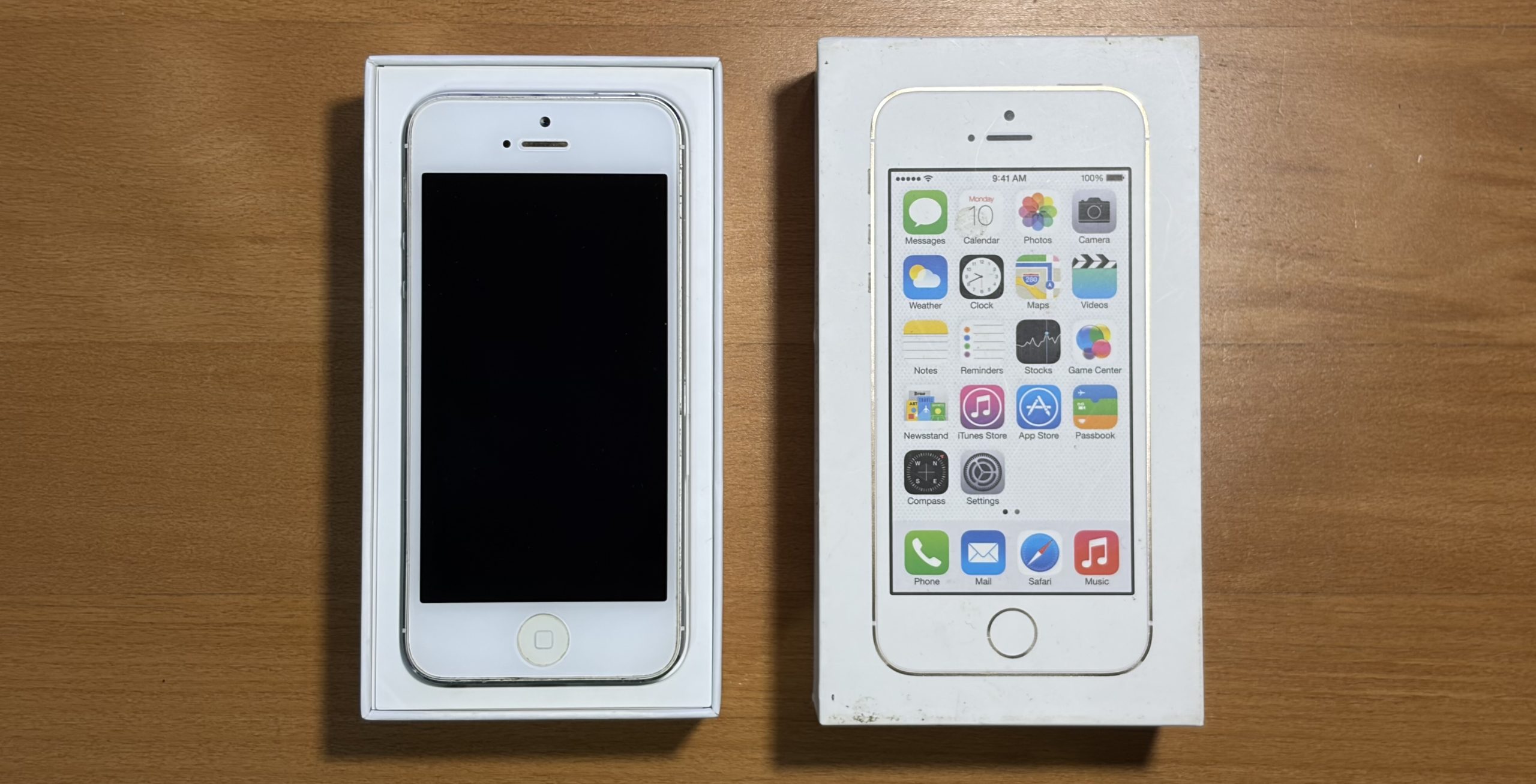
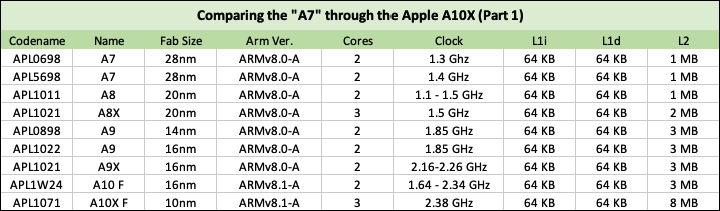
September 10th, 2013, marked a watershed moment with the introduction of the Apple A7 chip. This processor was a monumental achievement as it was the world’s first 64-bit mobile SoC. Found in the iPhone 5s, second and third-generation iPad mini, and the original iPad Air, the A7 housed one billion transistors and was manufactured on an even smaller fabrication process, leading to significant improvements in performance and efficiency. The move to 64-bit architecture was not merely an incremental upgrade; it was a fundamental architectural shift that opened doors for more complex applications, enhanced multitasking capabilities, and a more sophisticated operating system.
The Era of Mass Adoption and Manufacturing Diversification: A8 and A9
The iPhone 6 and 6 Plus, released in 2014, were powered by the Apple A8 chip. These devices became exceptionally popular, with a reported quarter of a billion units sold worldwide, solidifying their status as some of the most successful iPhones ever. The A8 continued the trajectory of performance gains, though specific technical details often remain proprietary. The A8 was manufactured by TSMC, marking a significant shift from the previous reliance on Samsung. This diversification of manufacturing partners was a strategic move by Apple to ensure supply chain resilience and competitive pricing.
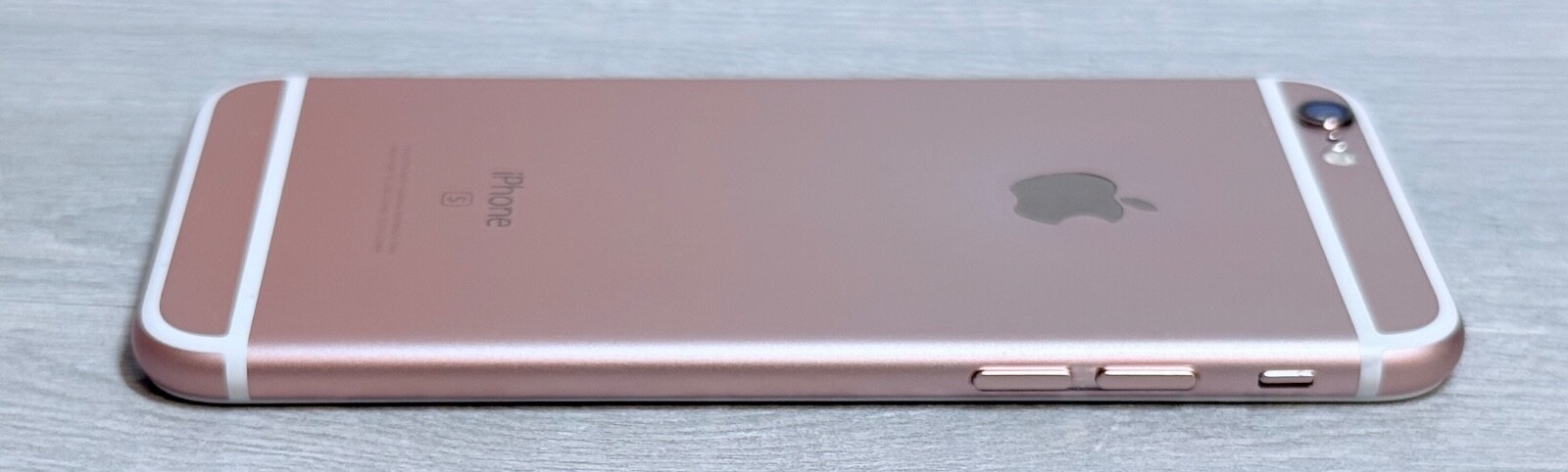
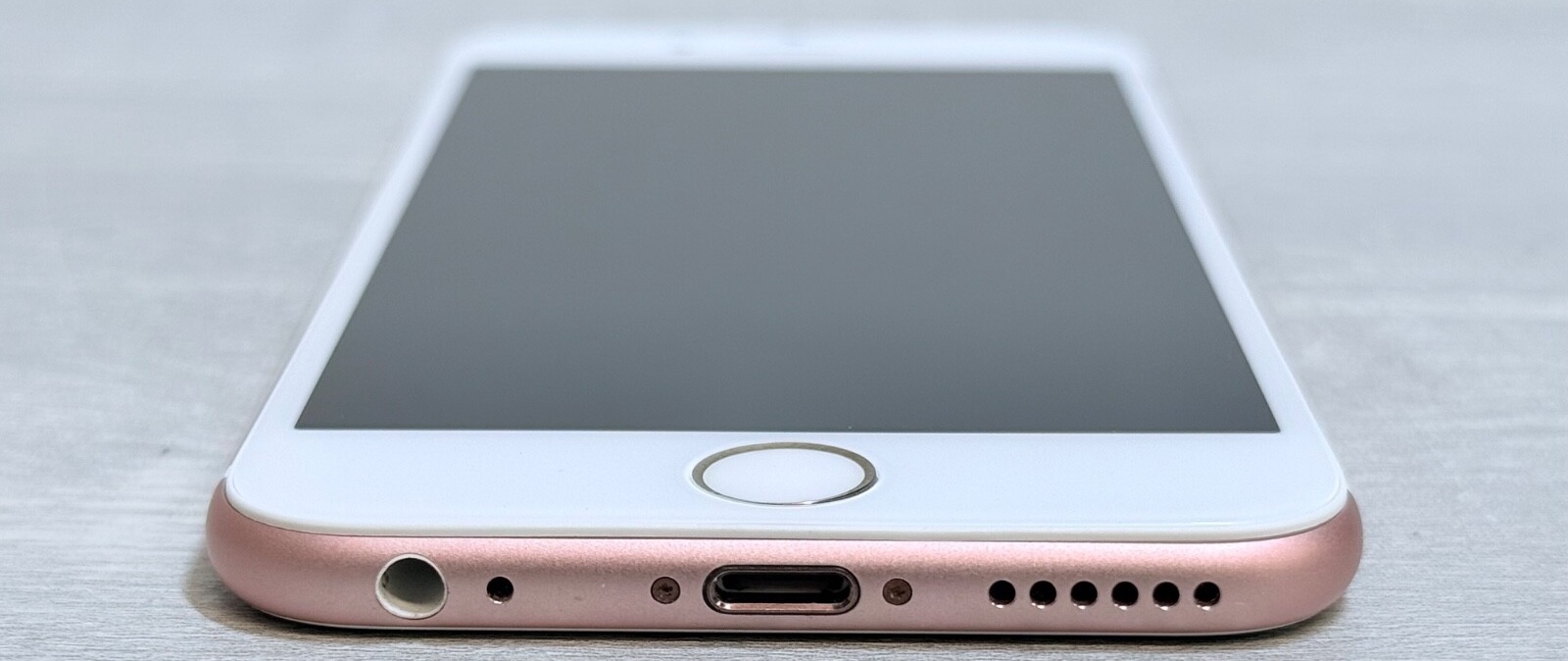
The A9 and A9X chips, introduced with the iPhone 6s and 6s Plus in 2015, represented another significant leap. The A9 featured two variants: one manufactured by Samsung and another by TSMC. This dual-sourcing strategy was again aimed at meeting high demand and mitigating supply risks. The A9 was also notable for being the first Apple device to utilize DDR4 memory, predating its adoption in Macs by approximately two years. A key innovation within the A9 was its custom storage solution, incorporating an Apple-designed NVMe controller that utilized PCI Express. This led to substantially faster internal storage speeds on iPhones, a crucial element for handling increasingly complex data and applications. The A9X, found in the iPad Pro, offered enhanced graphical capabilities to power the larger and more demanding tablet display.
The Fusion Era: Efficiency and Performance Unleashed
The iPhone 7 and 7 Plus, released in September 2016, debuted the A10 Fusion chip. This was a groundbreaking introduction for mobile processors, as the A10 Fusion was Apple’s first quad-core SoC and the first to implement an "efficiency core" architecture. This hybrid design paired high-performance cores with power-efficient cores, allowing the chip to dynamically switch between them based on workload. According to Apple’s own claims, the A10 Fusion delivered 40% better CPU performance and 50% more GPU performance than its predecessor, the A9. This efficiency-first approach was instrumental in extending battery life while simultaneously delivering superior performance for demanding tasks.
The A10X Fusion, found in the 2016 iPad Pro, further refined this architecture, offering even greater processing and graphical prowess for Apple’s professional tablet line. The T2 chip, while not a direct successor in the A-series line, also emerged around this period, acting as a secure enclave processor for Macs, handling tasks like encryption and secure boot, showcasing Apple’s expanding silicon expertise beyond just its mobile devices.
The A11 Bionic and Beyond: A New Naming Convention
The iPhone 8, 8 Plus, and the revolutionary iPhone X, all released in 2017, were powered by the A11 Bionic chip. The "Bionic" designation signaled a new era in Apple’s chip naming, emphasizing the integrated neural engine for advanced machine learning tasks. The A11 Bionic featured a six-core CPU with two high-performance "Mistral" cores and four high-efficiency "Monsoon" cores. This design further optimized power consumption and performance, allowing for tasks like facial recognition (Face ID) to be processed rapidly and efficiently. The A11 Bionic also boasted a three-core GPU designed by Apple, delivering up to 30% faster graphics than the A10 Fusion.

This trajectory continued with the A12 Bionic in the iPhone XS and XR, the A13 Bionic in the iPhone 11 series, and the A14 Bionic in the iPhone 12 lineup. Each generation brought incremental yet significant improvements in CPU and GPU performance, power efficiency, and the capabilities of the Neural Engine. The A14 Bionic, for instance, was the first Apple chip built on a 5-nanometer process, enabling a dramatic increase in transistor density and efficiency.

The M-Series Era and the Future of Apple Silicon
While the A-series chips continue to power iPhones and iPads, Apple’s silicon ambitions have expanded dramatically with the introduction of the M-series chips for its Mac computers, starting with the M1 in late 2020. These chips represent a convergence of Apple’s mobile and desktop silicon development, bringing the power-efficient, high-performance architecture that defined its mobile devices to the laptop and desktop space. The M-series chips, like the M1, M1 Pro, M1 Max, and subsequent iterations, have been lauded for their exceptional performance-per-watt, challenging established players in the PC market.
Looking ahead to 2026, the iPhone 17 lineup is expected to feature the A19 and A19 Pro chips. While specific details are speculative, it is reasonable to infer that these chips will continue to push the boundaries of mobile computing. Predictions suggest desktop-class multicore processing, unparalleled graphical power, and instantaneous responsiveness, further blurring the lines between mobile and desktop computing. The consistent, incremental yet impactful advancements seen across the A-series lineage, from the early Samsung-sourced chips to the sophisticated A19, underscore Apple’s long-term vision of complete hardware-software integration, driving innovation and defining the future of personal technology. This journey, from relying on external manufacturers to designing and producing its own powerful silicon, has been a cornerstone of Apple’s enduring success and its ability to deliver increasingly sophisticated and integrated user experiences.