Cecilia Chamidah Nur
In a revealing interview with Sega-16, former Sega of America product manager and vice president, Mike Fischer, disclosed that he has received information suggesting a remake of the beloved 1993 title, Sonic CD, is currently in development. Fischer, who served a significant tenure at Sega during a pivotal era for the company, also offered a remarkably candid and critical assessment of the modern Sonic the Hedgehog franchise, stating that recent entries have largely failed to meet the character’s creative potential, with the notable exception of the fan-developed Sonic Mania.
Fischer’s comments emerged from a broader discussion about his career and experiences within Sega, where he did not shy away from expressing strong opinions on key figures and projects. Among these, his unequivocal condemnation of Sonic co-creator Yuji Naka, whom he described as "a horrible human being" and "the most miserable person I have ever worked with," stood out. This characterization adds another layer to the complex public perception of Naka, especially in light of his recent legal troubles. The interview also touched upon Naka’s controversial and "wildly inappropriate" proposed title for Billy Hatcher and the Giant Egg, further illustrating Fischer’s directness.
The Anticipated Return of Sonic CD
The potential remake of Sonic CD represents a significant development for fans of the classic Sonic the Hedgehog series. Released in 1993 for the Sega CD add-on, Sonic CD quickly garnered a cult following due to its innovative gameplay mechanics, unique time-travel system, and distinctive artistic direction. Directed by Naoto Ohshima, one of the original designers of Sonic, the game stood apart from its Genesis counterparts with its elaborate animated cutscenes, two distinct musical scores (one for its Japanese/European release and another for North America), and the introduction of beloved characters Amy Rose and Metal Sonic.
The game’s core mechanic revolved around Sonic’s ability to travel between the past, present, and future within each zone, influencing level layouts and objectives. Successfully destroying generators in the past of a zone could create a "good future," a subtle yet impactful feature that encouraged exploration and replayability. Despite its critical acclaim and innovative features, Sonic CD‘s reach was limited by the relatively low install base of the Sega CD attachment, making it a more niche experience compared to the mainline Genesis titles.
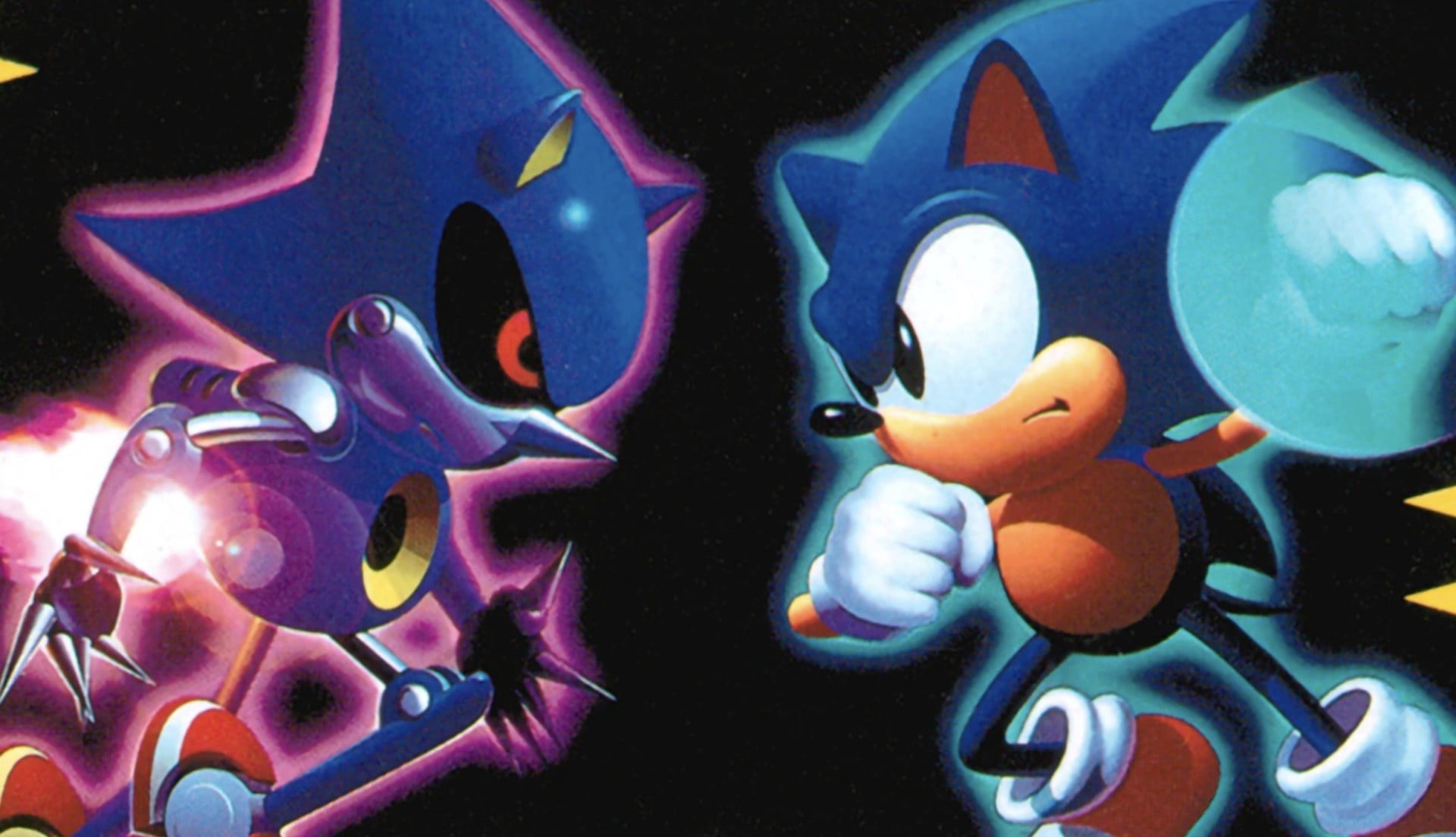
This wouldn’t be the first time Sonic CD has been revisited. In 2011, Sega released a critically acclaimed remastered version of the game across multiple platforms, including PlayStation 3, Xbox 360, PC, iOS, and Android. This particular port was spearheaded by Christian Whitehead, a programmer who would later become a lead developer on the celebrated Sonic Mania. Whitehead’s version was lauded for its faithful recreation, inclusion of both soundtracks, widescreen support, and overall technical polish, effectively bringing the classic title to a new generation of players and modern hardware. The success of this 2011 remaster likely demonstrated to Sega the enduring appeal and commercial viability of Sonic CD.
The prospect of a new remake, as hinted by Fischer, raises questions about its scope and ambition. While the 2011 version was primarily a faithful port with enhancements, a new remake could imply a more extensive overhaul, potentially featuring completely rebuilt graphics, updated gameplay mechanics, or even additional content, bringing it in line with modern expectations for a ground-up remake. This aligns with a broader industry trend where publishers leverage nostalgia and established intellectual property by revitalizing classic titles for contemporary audiences and platforms.
Mike Fischer’s Unfiltered Critique of the Modern Sonic Franchise
Beyond the exciting prospect of a Sonic CD remake, Fischer’s comments on the overall state of the Sonic the Hedgehog franchise resonated deeply within the gaming community. His assertion that "the games just aren’t good" and that Sega and Sonic Team have "struggled to give the character the outings he deserves" reflects a sentiment shared by a significant portion of the fanbase.
Fischer’s critique specifically highlighted Sonic Mania as "the only good Sonic game they had in a very long time," further emphasizing the perceived disconnect between Sega’s internal development efforts for 3D Sonic titles and the quality expected by fans. Sonic Mania, released in 2017, was a significant anomaly in the franchise’s recent history. Developed by a team of independent developers, including Christian Whitehead, Headcannon, and PagodaWest Games, who had previously worked on official Sonic ports and fan games, Sonic Mania was a triumphant return to the series’ 2D roots. It received widespread critical acclaim for its innovative level design, nostalgic yet fresh gameplay, and vibrant pixel art, often cited as the best Sonic game in decades. Its success underscored the idea that a deep understanding and passion for the classic Sonic formula, even from external teams, could yield superior results compared to some of Sega’s more recent endeavors.
The Sonic franchise has experienced a tumultuous journey since its explosive debut in the early 1990s. The transition from 2D to 3D gaming proved particularly challenging for Sonic Team. While titles like Sonic Adventure (1998) on the Dreamcast initially garnered praise for their ambition, subsequent 3D entries often struggled with inconsistent quality, buggy gameplay, convoluted narratives, and a proliferation of often-unpopular new characters and mechanics. Games like Sonic the Hedgehog (2006), commonly referred to as "Sonic 06," became infamous examples of the franchise’s creative struggles, earning widespread derision for their technical issues and design flaws.
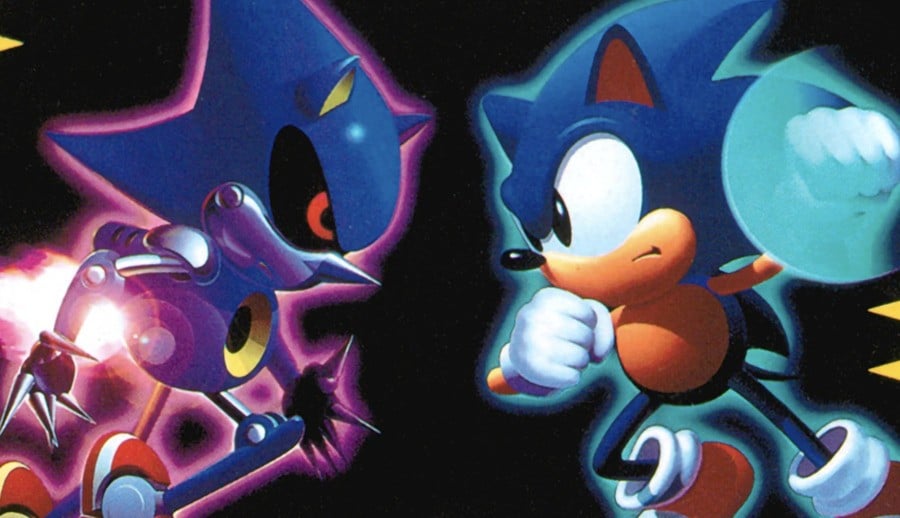
This era of inconsistency led to the development of the "Sonic Cycle," a fan theory describing the recurring pattern of hype for a new Sonic game, followed by disappointment upon release, then renewed hope for the next title. While recent entries like Sonic Frontiers (2022) have shown signs of improvement and a willingness to experiment, they have still faced mixed reviews, indicating that the franchise continues to grapple with finding a consistent, universally acclaimed direction. Fischer’s comments suggest that even with the leadership transition from Yuji Naka to Takashi Iizuka, who has been a long-standing figure in Sonic Team and now leads the division, the core creative issues have persisted. Iizuka, who worked on titles like Sonic Adventure and Sonic Heroes, has been instrumental in shaping the modern direction of the series, yet the quest for consistent critical and commercial success remains ongoing.
The Controversial Legacy of Yuji Naka
Mike Fischer’s harsh characterization of Yuji Naka as a "horrible human being" adds a personal dimension to the public discourse surrounding one of gaming’s most iconic creators. Naka, alongside Naoto Ohshima and Hirokazu Yasuhara, was instrumental in creating Sonic the Hedgehog and was a key figure at Sonic Team for many years. His programming prowess and creative vision were central to the early success of the franchise and other Sega titles like Nights into Dreams.
However, Naka’s career has been marked by instances of public friction and, more recently, legal controversy. His departure from Sega in 2006 to found his own studio, Prope, was notable, and he later joined Square Enix, where he directed Balan Wonderworld (2021), a game that was widely panned by critics and commercially unsuccessful.
The most significant recent event impacting Naka’s public image has been his arrest and subsequent conviction for insider trading in Japan. In 2022 and 2023, Naka was arrested on multiple occasions for allegedly buying shares in game developers Aiming Inc. and ATeam Entertainment Inc. based on privileged information that they would be developing games (Dragon Quest Tact and Final Fantasy VII: The First Soldier, respectively) for Square Enix. He was found guilty and received a suspended prison sentence and fines. These legal troubles, combined with Fischer’s direct personal critique, paint a picture of a complex and divisive figure within the industry.
Fischer’s anecdote about Naka’s proposed name for Billy Hatcher and the Giant Egg further illustrates the developer’s unconventional and sometimes boundary-pushing ideas. While the specific "wildly inappropriate" name was not disclosed in the article, such a revelation from a former executive underlines a history of sometimes controversial decisions or suggestions associated with Naka’s creative process. This background adds weight to Fischer’s strong personal assessment, suggesting a long-standing pattern of behavior that impacted professional relationships.
Sega’s Broader Strategy and Implications for the Future
The potential Sonic CD remake, if confirmed, would fit squarely into Sega’s current strategy of leveraging its extensive back catalog of beloved intellectual properties. In recent years, Sega has shown a concerted effort to revisit and revitalize classic titles, either through remasters, remakes, or collections. Examples include the Yakuza series remakes (Kiwami and Kiwami 2), Super Monkey Ball Banana Mania, and various Persona ports and remasters. This approach allows publishers to capitalize on nostalgia, introduce classic games to new audiences on modern platforms, and generate revenue with potentially lower development costs compared to entirely new AAA titles.
For the Sonic franchise specifically, a Sonic CD remake could serve multiple strategic purposes. Firstly, it would cater directly to the classic Sonic fanbase, a segment that has demonstrated significant demand for traditional 2D experiences, as evidenced by Sonic Mania‘s success. Secondly, it could act as a bridge, potentially drawing in newer fans who were introduced to Sonic through recent movies or games like Sonic Frontiers and exposing them to the series’ rich history. Thirdly, it could provide Sega with an opportunity to experiment with modernizing a classic 2D formula without the immense pressure of launching a brand-new 3D flagship title.
The implications for the Sonic franchise are significant. If a Sonic CD remake is well-received, it could encourage Sega to continue exploring its classic library for further remakes or remasters, potentially leading to a more balanced release schedule that caters to both classic and modern Sonic preferences. It also reinforces the idea that fan input and the legacy of earlier titles remain crucial for the franchise’s enduring appeal.
While Mike Fischer’s statements about a Sonic CD remake are currently based on hearsay, the credibility of his position as a former high-ranking Sega executive lends significant weight to the rumor. The interview provides a rare, unfiltered glimpse into the inner workings and personal dynamics within Sega during a critical period, and his candid opinions on both Sonic CD and the broader franchise direction are sure to spark considerable discussion among fans and industry observers alike. As always, official confirmation from Sega will be the definitive word, but the prospect of revisiting one of Sonic’s most unique and cherished adventures is undoubtedly an exciting one for the franchise’s devoted fanbase.