Cecilia Chamidah Nur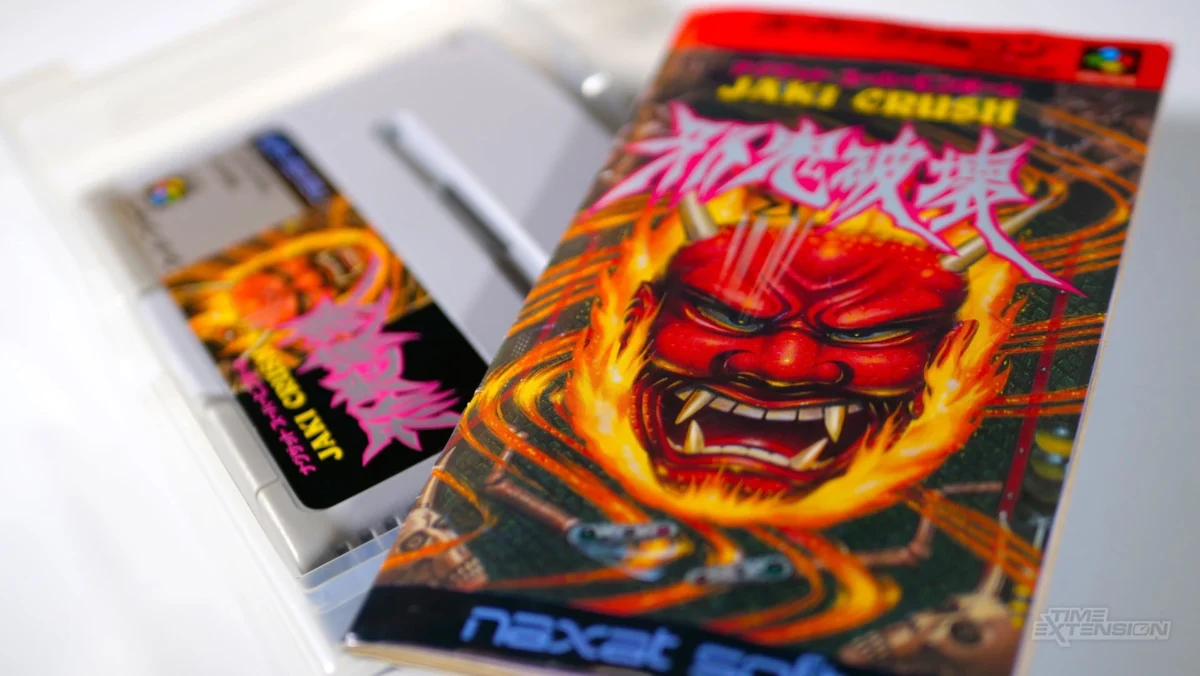
The landscape of video game pinball underwent a significant transformation in the late 1980s and early 1990s, largely propelled by a series of titles that dared to inject dark fantasy and science fiction themes into the classic arcade format. Among these, the "Crush" series, spearheaded by developer Compile and publisher Naxat Soft, carved out a unique and celebrated niche. However, while early entries like Alien Crush and Devil’s Crush achieved widespread acclaim, the Super Famicom iteration, Jaki Crush, presented a noticeable deviation that tempered the excitement of many long-time fans and marked a complex chapter in the series’ history.
The Genesis of a Pinball Phenomenon: The ‘Crush’ Series’ Origins
The foundation of the "Crush" series was laid with Alien Crush, released in 1988 for the PC Engine (TurboGrafx-16 in North America). This groundbreaking title introduced players to a two-screen pinball table steeped in grotesque alien aesthetics, complete with pulsating organic bumpers, bizarre creature flippers, and a distinctly unsettling atmosphere. Its innovative design, responsive controls, and challenging gameplay quickly established it as a benchmark for video game pinball, proving that the genre could transcend mere simulation to offer immersive, themed experiences. Alien Crush was a critical success, lauded for its originality and engaging mechanics, which set a high bar for subsequent entries.
Building on this success, Compile and Naxat Soft collaborated again, bringing Devil’s Crush to the Mega Drive (Sega Genesis) in 1990. This title, known variously as Devil Crash MD in Japan and Dragon’s Fury in some Western releases, further refined the formula established by its predecessor. Devil’s Crush embraced a demonic, dark fantasy aesthetic, featuring multi-tiered tables adorned with skeletal structures, hellish creatures, and intricate, animated bosses that players could target for bonus points. The game was particularly praised for its superb ball physics, precise controls, and an atmospheric soundtrack, famously composed by the legendary Technosoft sound team for its Mega Drive port. This combination of responsive gameplay, striking visuals, and an unparalleled thematic immersion cemented Devil’s Crush‘s status as one of the finest pinball video games ever created. Its influence endures to this day, inspiring modern spiritual successors such as Demon’s Tilt (2019) and XenoTilt: Hostile Pinball Action (2023), which directly cite the "Crush" series as their primary inspiration, testament to the lasting impact of Devil’s Crush‘s design principles.
Anticipation and the Super Famicom Landscape
The early 1990s were a vibrant and fiercely competitive era in the console market, dominated by the rivalry between Nintendo’s Super Famicom (Super Nintendo Entertainment System) and Sega’s Mega Drive. Both platforms were pushing the boundaries of 16-bit graphics and sound, captivating a generation of gamers. In this context, the announcement of a new "Crush" title, Jaki Crush, for the Super Famicom generated considerable excitement. For fans of the series, particularly those who had fallen under the spell of Devil’s Crush, the prospect of a new iteration on Nintendo’s technologically advanced console was tantalizing.
Many avid gamers in regions like the UK, where Japanese console releases often preceded Western ones or offered exclusive titles, engaged in the burgeoning import scene. The acquisition of hardware like cartridge adapters was a common practice, allowing enthusiasts to play Japanese Super Famicom games on their British SNES systems. This dedication underscored the high anticipation for titles like Jaki Crush, as players sought out the latest and most innovative experiences, regardless of regional barriers. The Super Famicom, known for its superior color palette and Mode 7 graphical capabilities, promised a visually enhanced experience that many hoped would elevate the "Crush" formula to new heights.
Jaki Crush: A Detailed Analysis of Divergence
Released in 1992, Jaki Crush was developed by Naxat Soft and published by Vic Tokai, marking a notable shift in the development and publishing landscape for the series, as Compile, the original developer, was not involved. This change in creative teams would prove to be a significant factor in the game’s ultimate reception.
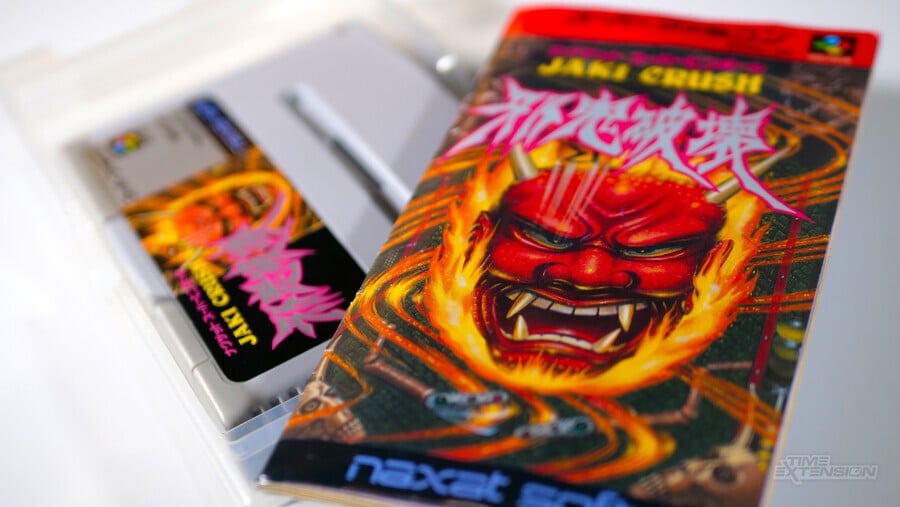
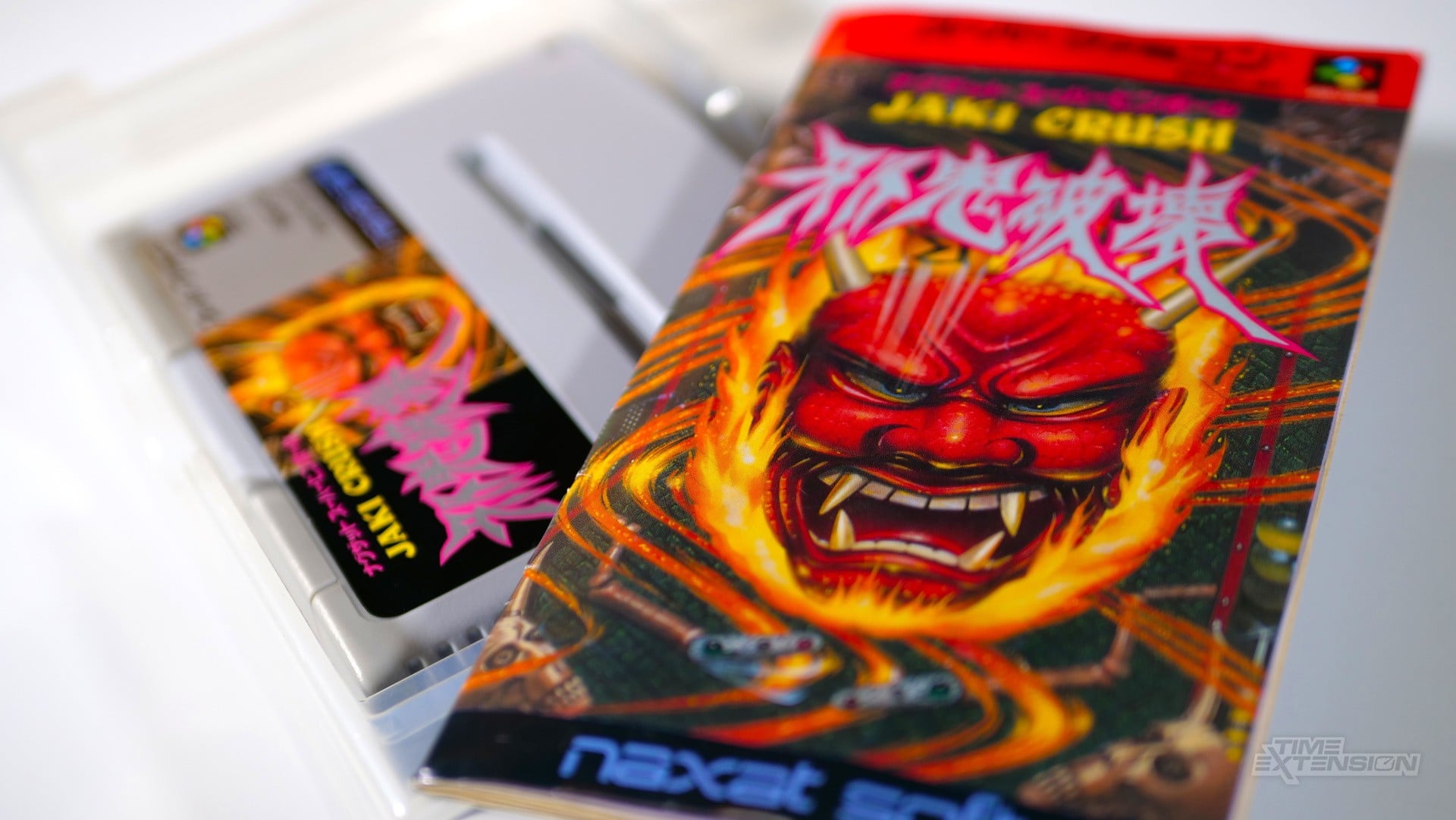
Jaki Crush moved away from the Western demonic iconography of Devil’s Crush and the sci-fi horror of Alien Crush, instead drawing heavily on Japanese folklore and mythology for its aesthetic. The tables featured traditional Japanese demons (Oni), mythical beasts, and supernatural motifs, presented with the Super Famicom’s enhanced graphical capabilities. Visually, the game was undoubtedly striking, showcasing detailed sprites, rich color palettes, and intricate table designs that capitalized on the console’s strengths. The move to a distinct cultural aesthetic was a bold choice, and on the surface, Jaki Crush appeared to maintain the series’ reputation for unique and atmospheric visuals.
However, beneath the polished exterior, the core gameplay experience of Jaki Crush presented several critical deviations that ultimately led to widespread disappointment among fans.
Gameplay Mechanics and Controls: The most significant criticisms leveled against Jaki Crush focused on its fundamental gameplay mechanics. Compared to the fluid and responsive controls of Devil’s Crush, Jaki Crush felt noticeably sluggish. The ball physics, a cornerstone of any good pinball game, lacked the precision and predictability that players had come to expect. Balls often felt heavier or less dynamic, leading to a less satisfying sense of control. This issue was compounded by flipper responsiveness that was perceived as inferior, making precise shots and complex maneuvers more challenging and less rewarding. For a genre where split-second timing and tactile feedback are paramount, these deficiencies were substantial.
Table Design: The intricate and multi-layered table designs that characterized Alien Crush and Devil’s Crush were a key draw, offering numerous pathways, hidden areas, and strategic objectives. Jaki Crush, while visually elaborate, suffered from table designs that were often less compelling and sometimes felt cluttered. The flow of the game, a critical element in pinball that dictates how the ball moves through the table and how players can influence its trajectory, was less intuitive. This often resulted in frustrating dead zones or sequences where the ball would repeatedly fall into drains or easily accessible lower areas, diminishing the sense of progression and strategic depth. The multi-screen approach, a hallmark of the series, was still present, but the individual sections lacked the inventive layouts and interactive elements that made its predecessors so engaging.
Audio Experience: The music in Devil’s Crush, particularly the Mega Drive version with its Technosoft-composed soundtrack, was a standout feature, perfectly complementing the game’s dark atmosphere with driving, memorable tunes. In contrast, the soundtrack for Jaki Crush, while attempting to evoke a Japanese mythological theme, generally failed to reach the same heights. The compositions were often less dynamic, lacked the same impact, and did not enhance the gameplay experience to the degree that its predecessors’ scores did. For many, the audio was simply forgettable, a stark contrast to the iconic melodies of earlier "Crush" titles.
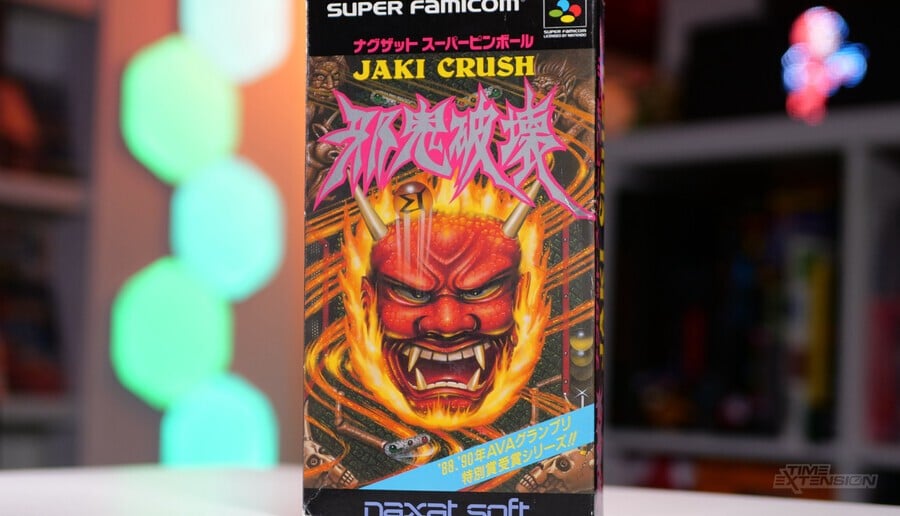
Technical Considerations and Developer Shift: The Super Famicom was a powerful console, and Jaki Crush certainly leveraged its graphical capabilities. However, the issues with physics and controls suggest that the development team faced challenges in optimizing the game engine or in replicating the nuanced feel of the previous titles. The shift from Compile to Naxat Soft (as primary developer) and Vic Tokai (as publisher) likely played a role. Compile had a deep understanding of the "Crush" engine and gameplay philosophies, honed over multiple successful iterations. A new team, even with the same publisher (Naxat Soft also published Alien Crush and Devil’s Crush), might have struggled to perfectly capture the essence of the gameplay, prioritizing graphical flair over fundamental mechanics. This illustrates a common pitfall in game development: even with advanced hardware, a strong design vision and execution are paramount.
Reception and Legacy
Upon its release, Jaki Crush received a mixed reception. While some critics acknowledged its impressive visuals and thematic originality, the consensus among many players and reviewers was that it failed to live up to the lofty standards set by Alien Crush and Devil’s Crush. Contemporary gaming publications of the early ’90s, while often less rigorous in their technical analysis than modern reviews, frequently highlighted the game’s comparative lack of fluidity and engagement. Players, having invested significant time and enthusiasm in the preceding titles, often expressed a sense of disappointment, noting the less responsive controls and less intuitive table layouts.
Over time, Jaki Crush has largely been overshadowed by its more celebrated predecessors. In retro gaming communities, Alien Crush and Devil’s Crush are consistently heralded as classics of the pinball genre and the 16-bit era. Jaki Crush, while not entirely forgotten, is often remembered more as an interesting but flawed entry in an otherwise stellar series. Its distinct Japanese aesthetic has given it a certain cult appeal for those interested in unique regional releases, but its gameplay deficiencies prevent it from achieving the same legendary status.
Implications and Broader Impact

The trajectory of Jaki Crush offers several valuable insights into game development and the challenges of series continuity:
- The Peril of Succession: Jaki Crush serves as a cautionary tale about the difficulty of following up a beloved and critically acclaimed title. High expectations, coupled with even minor deviations in core gameplay, can lead to significant disappointment, regardless of visual enhancements.
- Importance of Core Mechanics: The game underscores that for genres like pinball, responsive controls and well-designed physics are paramount. Visuals and themes, while important for atmosphere, cannot compensate for fundamental flaws in gameplay execution.
- Impact of Developer Changes: The shift in development teams from Compile to Naxat Soft (as the primary developer) and publisher Vic Tokai for Jaki Crush highlights how a change in creative hands can profoundly influence a game’s quality and fidelity to its series’ established strengths. Maintaining the "feel" of a successful series often requires continuity in the core development talent.
- Cultural Adaptation vs. Gameplay Integrity: While the adoption of Japanese mythology was an interesting thematic pivot, it demonstrated that aesthetic changes must be seamlessly integrated with robust gameplay. If the underlying mechanics suffer, even a fresh visual identity cannot salvage the experience.
- Legacy of the "Crush" Series: Despite Jaki Crush‘s mixed reception, the overall "Crush" series maintains a revered place in video game history. The enduring influence of Alien Crush and Devil’s Crush on modern pinball-inspired titles like Demon’s Tilt and XenoTilt solidifies their legacy as pioneers in combining arcade pinball with dark, fantastical themes. Jaki Crush, while a less shining star, remains a part of this lineage, a visual curiosity that nevertheless contributes to the broader narrative of an iconic gaming franchise.
In conclusion, Jaki Crush stands as a complex entry in the celebrated "Crush" pinball series. While it captivated with its unique Japanese mythological aesthetic and leveraged the Super Famicom’s graphical prowess, it ultimately faltered in the critical areas of control responsiveness, ball physics, and table design. Its release marked a divergent path for the franchise, serving as a reminder that even the most anticipated sequels, developed for cutting-edge hardware, must prioritize the fundamental gameplay elements that define their predecessors’ success to truly resonate with their audience. Today, it remains a collector’s item with a distinctive visual style, but its mechanical shortcomings ensure that Devil’s Crush continues to hold the undisputed crown as the series’ pinnacle.