Cecilia Chamidah Nur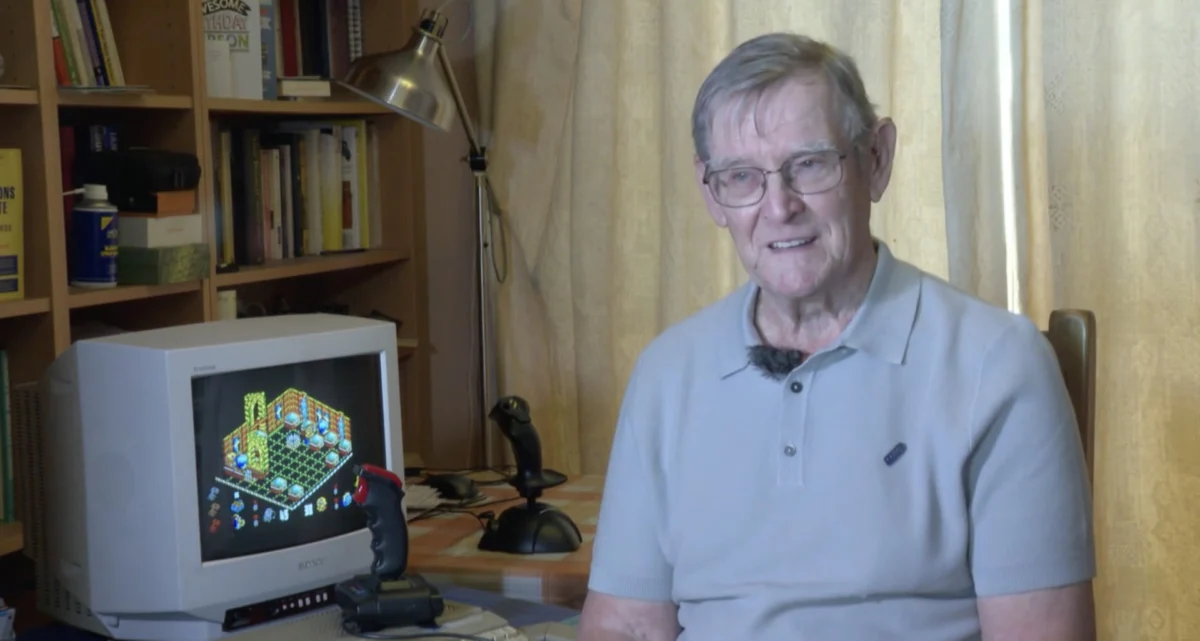
The gaming world has recently celebrated a remarkable achievement in video game development with the release of Return to Blacktooth, the long-awaited sequel to the beloved 1987 isometric puzzle-platformer, Head Over Heels. What makes this launch particularly extraordinary is not just the anticipation surrounding the title, but the astounding 37-year development journey undertaken by its creator, 81-year-old British programmer Colin Porch. This monumental effort culminates in a testament to enduring passion, the resurgence of retro gaming culture, and the unwavering dedication of a single developer.
Porch’s decades-long project, which began in 1989, finally saw the light of day, offering a new adventure to fans who grew up with the original classic. The developer recently shared insights into the arduous process with the British television network ITV, detailing the serendipitous encouragement that revived his abandoned project and the intricate legal and publishing hurdles he navigated. Return to Blacktooth is now available for retro enthusiasts on the Atari ST and Commodore Amiga platforms, priced at $12.99, marking a poignant full-circle moment for a game deeply rooted in the 8-bit and 16-bit computer era.
The Genesis of a Classic: Head Over Heels (1987)
To fully appreciate the significance of Return to Blacktooth, one must first understand the legacy of its predecessor, Head Over Heels. Released in 1987 by the legendary British publisher Ocean Software, Head Over Heels quickly established itself as a seminal title in the burgeoning home computer market. Developed by Jon Ritman and Bernie Drummond, the game captivated players with its innovative isometric perspective, challenging puzzles, and the unique mechanic of controlling two distinct characters, Head and Heels, each possessing different abilities. Head could jump higher and fire doughnuts, while Heels could run faster and was immune to damage from certain enemies. Players had to strategically switch between and coordinate these two characters, often separated, to solve intricate environmental puzzles and progress through the game’s labyrinthine levels.
Head Over Heels was lauded for its ingenious level design, witty humour, and colourful graphics, pushing the technical boundaries of platforms like the ZX Spectrum, Amstrad CPC, and Commodore 64. It was a commercial and critical success, often cited as one of the finest games of its generation and a defining example of the isometric puzzle-platformer genre. Its influence can be seen in numerous subsequent titles, cementing its place in the pantheon of classic British computer games. The game’s intricate design and memorable characters fostered a dedicated fanbase, many of whom harboured a quiet hope for a continuation of its unique universe.
The Long Hiatus: From 1989 to the New Millennium
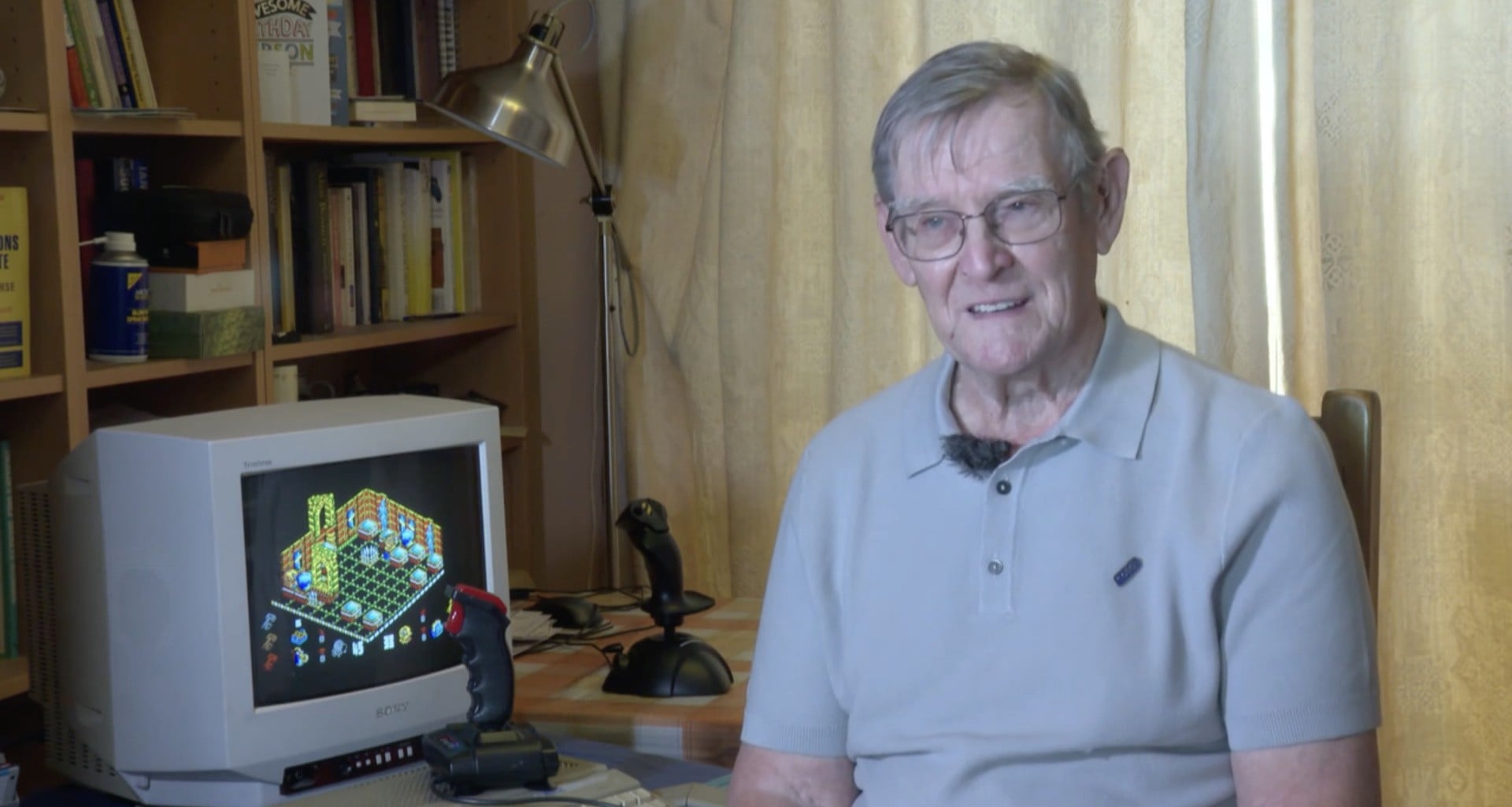
Colin Porch, an ardent admirer and, crucially, a former developer involved in the original game’s ecosystem, began working on a sequel to Head Over Heels as early as 1989. This was a period of rapid transition in the video game industry. While home computers like the Amiga and Atari ST were at their peak, the console market, dominated by Nintendo and Sega, was gaining significant traction. The early 1990s witnessed a shift in consumer preferences, with cartridge-based consoles offering simpler, more immediate gaming experiences compared to the often complex and text-heavy computer games.
Porch initially poured his passion into developing the sequel, aiming to build upon the foundations laid by Ritman and Drummond. However, as the industry evolved and the focus shifted dramatically towards new hardware and genres, the commercial viability and perhaps even the technical feasibility of continuing a project for an increasingly niche market became challenging. The allure of the home computer gaming scene, particularly for new projects, began to wane in the face of the emerging 16-bit console powerhouses and the impending rise of 3D graphics. Consequently, Porch, like many developers facing similar market pressures, made the difficult decision to shelve his ambitious sequel project, effectively abandoning it in the early 1990s. The dream of Return to Blacktooth receded into the annals of unfinished gaming history, a ghost in the machine for nearly three decades.
The Spark of Revival: A Call from the Past
The catalyst for Return to Blacktooth‘s extraordinary revival came from an unexpected but highly influential source: Gary Bracey, Porch’s former boss at Ocean Software. Bracey, a key figure in Ocean’s success and known for his keen understanding of the gaming market, reached out to Porch years later. "My old boss, a guy called Gary Bracey, asked me, ‘What happened to the sequel you were doing?’" Porch recounted to ITV. His honest reply was that he had abandoned it. It was Bracey’s subsequent encouragement that proved pivotal: "You need to finish it,’ he said, ‘a big demand for retro games now’."
Bracey’s words were not merely nostalgic musings but a shrewd observation of a significant shift in the gaming landscape. The late 2000s and 2010s saw a burgeoning interest in retro gaming, fueled by nostalgia from an aging player base, the rise of digital distribution platforms making old games accessible, and a growing appreciation for the foundational titles of the industry. This "retro revival" created a viable market for classic games, remasters, and even long-lost sequels. Emulation technology, fan communities, and dedicated retro hardware manufacturers further solidified this trend, demonstrating that there was indeed a "big demand" for titles like Head Over Heels and its potential continuation. Bracey’s foresight reignited Porch’s ambition, transforming a forgotten dream into a tangible goal.
Navigating the Modern Labyrinth: IP, Publishers, and Platforms
With renewed purpose, Porch faced the daunting task of resurrecting a project that had been dormant for decades. The first major hurdle was navigating the complex world of intellectual property (IP) rights. For a game released by a company like Ocean Software, which had undergone numerous changes and acquisitions since its heyday, identifying the current rights holder for the Head Over Heels characters and universe was no trivial matter. "We couldn’t market it until we had their permission," Porch explained, highlighting the critical legal step required before any development could be officially released.
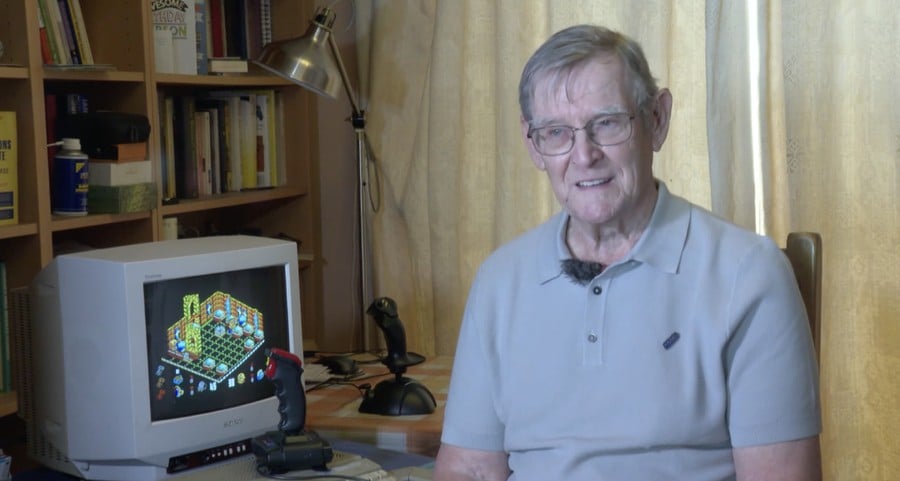
After diligent investigation, it was discovered that the IP rights for Head Over Heels ultimately resided with the modern-day iteration of Atari. Atari SA, through various acquisitions and consolidations over the years, has become the custodian of a vast library of classic gaming IPs, including many from the 8-bit and 16-bit eras. Securing permission from Atari was a crucial legitimizing step, ensuring that Return to Blacktooth could be legally distributed and marketed. This process underscores the often-overlooked complexities of game development, especially when dealing with legacy titles where original companies may no longer exist or have been absorbed.
Once the IP issue was resolved, the next challenge was to find a publisher willing to take on a niche title developed for vintage computer platforms. This is where Thalamus Digital stepped in. Thalamus Digital is known for its commitment to retro gaming, often involved in releasing new games for classic systems or digitally preserving and re-releasing beloved older titles. Their willingness to publish Return to Blacktooth demonstrated confidence in Porch’s vision and the enduring appeal of the Head Over Heels franchise within the retro community. The partnership provided the necessary infrastructure for distribution and promotion, connecting Porch’s decades of work with its intended audience.
The Labour of Love: Crafting Puzzles for a New Generation
For Colin Porch, the journey to complete Return to Blacktooth was more than just a technical exercise; it was profoundly personal. "It’s been a labour of love, because I was so passionate about the game in the first place," he told ITV. This passion is evident in the game’s core design philosophy, which harks back to the intricate puzzle-solving that defined the original. Porch relished the creative challenge of devising new brain teasers for players, stating, "The game is full of puzzles, and I had a lot of fun devising the puzzles. It’s my wits against the player that’s going to be playing it." This quote encapsulates the spirit of classic gaming, where ingenuity and mental agility were paramount, and the developer’s design was a direct challenge to the player’s intellect.
Developing for vintage platforms like the Atari ST and Commodore Amiga in the modern era presented its own set of unique challenges. This wasn’t a project that could leverage cutting-edge game engines or vast teams of developers. Instead, it required a deep understanding of archaic hardware, bespoke development tools, and meticulous attention to detail to ensure compatibility and performance on systems that are now over 30 years old. Porch’s work is a testament to his technical prowess and unwavering commitment to authenticity, ensuring that Return to Blacktooth feels like a genuine continuation of its predecessor. The development process likely involved a blend of modern software development practices with a rigorous adherence to the constraints and specificities of the target retro hardware, a rare skill in contemporary game development.
Release and Broader Implications for Retro Gaming
Return to Blacktooth officially launched, becoming available on Thalamus Digital’s itch.io pages for both the Atari ST and Commodore Amiga. The decision to release on these original platforms, rather than simply as an emulated modern port, speaks volumes about the target audience: dedicated retro enthusiasts who cherish playing games on authentic hardware or highly accurate emulators. Priced at $12.99, the game offers a significant experience for a relatively modest cost, reflecting the niche market it serves while acknowledging the immense effort behind its creation.

Colin Porch’s incredible journey with Return to Blacktooth holds several broader implications for the video game industry and cultural heritage:
-
The Enduring Power of Nostalgia and Retro Gaming: The success and attention surrounding Return to Blacktooth highlight the continued growth and financial viability of the retro gaming market. This segment is not just about re-releases or remasters; it includes new, high-quality content for vintage platforms, demonstrating a vibrant, active community willing to support developers who cater to their specific interests. The market for retro games and consoles has seen consistent growth, with collectors and players increasingly investing in older hardware and software, or modern interpretations thereof.
-
Inspiration for Developers of All Ages: Porch’s story is a powerful narrative of persistence and passion. At 81, he exemplifies that creativity and dedication know no age limits. His accomplishment serves as an inspiration for aspiring and veteran developers alike, proving that if a project is truly a "labour of love," it can overcome decades of dormancy and technical challenges to reach completion. It challenges the notion that game development is solely a young person’s industry.
-
Preservation of Gaming History and Culture: By creating a true sequel to Head Over Heels on its original platforms, Porch contributes significantly to the preservation of gaming history. Such projects keep classic franchises alive, introduce them to new generations of retro enthusiasts, and ensure that the unique design philosophies and gameplay mechanics of past eras continue to be explored and enjoyed. It also underscores the importance of IP holders like Atari in facilitating such projects, allowing cultural legacies to continue.
-
The Viability of Niche Markets: Return to Blacktooth‘s release demonstrates that there is a sustainable model for niche game development, particularly within the retro space. Digital distribution platforms like itch.io, combined with dedicated retro publishers, enable developers to reach their target audience directly, bypassing the need for large-scale commercial success and focusing instead on delivering high-quality experiences for a passionate community.

Colin Porch’s Return to Blacktooth is more than just a video game; it is a remarkable saga of resilience, a testament to the timeless appeal of classic game design, and a vibrant example of the enduring spirit of creativity in the digital age. From its genesis in the golden age of home computers to its decades-long hiatus and eventual triumphant return, this project stands as a shining beacon for the retro gaming community and beyond, proving that some passions, once ignited, can burn brightly for a lifetime.