Johny Imanuel
Arika, the veteran Japanese developer renowned for its high-precision puzzle games and contributions to major fighting game franchises, has officially announced the upcoming release of Tetris: The Grand Master 4 Absolute Eye for the Nintendo Switch. Scheduled for launch on June 4, 2026, this move marks a significant expansion for the latest entry in the prestigious and notoriously challenging Grand Master series. In a strategic effort to unify its player base across platforms, Arika also confirmed a substantial price revision for the existing PC version on Steam. Upon the launch of the Nintendo Switch edition, the price for the PC version will be lowered to match the console’s entry point of 2,800 Yen, which translates to approximately $17.60 USD based on current exchange rates.
The announcement represents a pivotal moment for a series that has long been considered the "Everest" of the Tetris world. Following the Windows debut in April 2025, the transition to the Nintendo Switch is expected to broaden the game’s accessibility, bringing the elite-tier puzzle experience to a handheld audience. The price adjustment, described by Arika as a "PC revision," ensures that the competitive landscape remains equitable across hardware, reflecting a modern approach to multi-platform software management.
Technical Refinements and Platform-Specific Adjustments
The transition to the Nintendo Switch brings with it several technical modifications tailored to the hardware and modern gaming standards. One of the most notable changes involves the game’s difficulty settings and artificial intelligence. Arika revealed that due to "AI training policy requirements," the CPU Level 0 option for the Shiranui mode has been removed. While the developer did not elaborate extensively on the specifics of these policies, such adjustments often relate to the way neural networks or algorithmic difficulty systems interact with player data and hardware limitations.
Furthermore, both the Master and Shiranui modes—staples of the Grand Master experience—have undergone balancing tweaks for the Switch version. These modes are famous for their "20G" gravity, where blocks (Tetriminos) instantly drop to the bottom of the playfield, requiring players to manipulate pieces during their brief "lock delay" period. The refinements are expected to maintain the series’ signature difficulty while ensuring the frame timing remains consistent with the Switch’s internal architecture.
The replay system has also seen a dedicated overhaul. Recognizing the importance of record-keeping in the high-stakes world of competitive Tetris, Arika has reserved 16MB of dedicated storage for replay videos within the application. To improve user experience and storage management, players will now have the ability to delete replays directly from the menu without needing to watch them first. While the "Auto Replay Save" feature remains a core component, the game will now proactively warn players if their storage capacity has been reached, preventing the loss of high-score footage due to unmonitored memory usage.
The Legacy of the Grand Master Series
To understand the significance of Tetris: The Grand Master 4 Absolute Eye, one must look at the history of its developer and the specific sub-genre of Tetris it occupies. Arika was founded by Akira Nishitani, a former Capcom designer who was instrumental in the creation of Street Fighter II. This pedigree of high-level competitive design was brought to the Tetris franchise in 1898 with the release of the original Tetris: The Grand Master in Japanese arcades.
Unlike the "Guideline" Tetris games familiar to most Western players—such as Tetris Effect or Tetris 99—the Grand Master series utilizes the Arika Rotation System (ARS). This system emphasizes speed, precision, and the mastery of "invisible" play. The series reached legendary status with Tetris: The Grand Master 3 – Terror-Instinct, which featured a final "Invisible Credit Roll" where the player had to continue clearing lines while the blocks became completely transparent.
For nearly two decades, a fourth installment in the series remained the "holy grail" of the puzzle community. Early prototypes, once referred to as "The Masters of Round," were showcased at Japanese trade shows as far back as 2009, but the project faced numerous licensing and development hurdles. The eventual realization of Absolute Eye serves as a culmination of over 15 years of anticipation, bringing the series’ demanding mechanics into the high-definition era.
Chronology of Tetris: The Grand Master 4 Development
The road to the 2026 Switch release has been a long and complex journey for Arika and the Tetris brand.
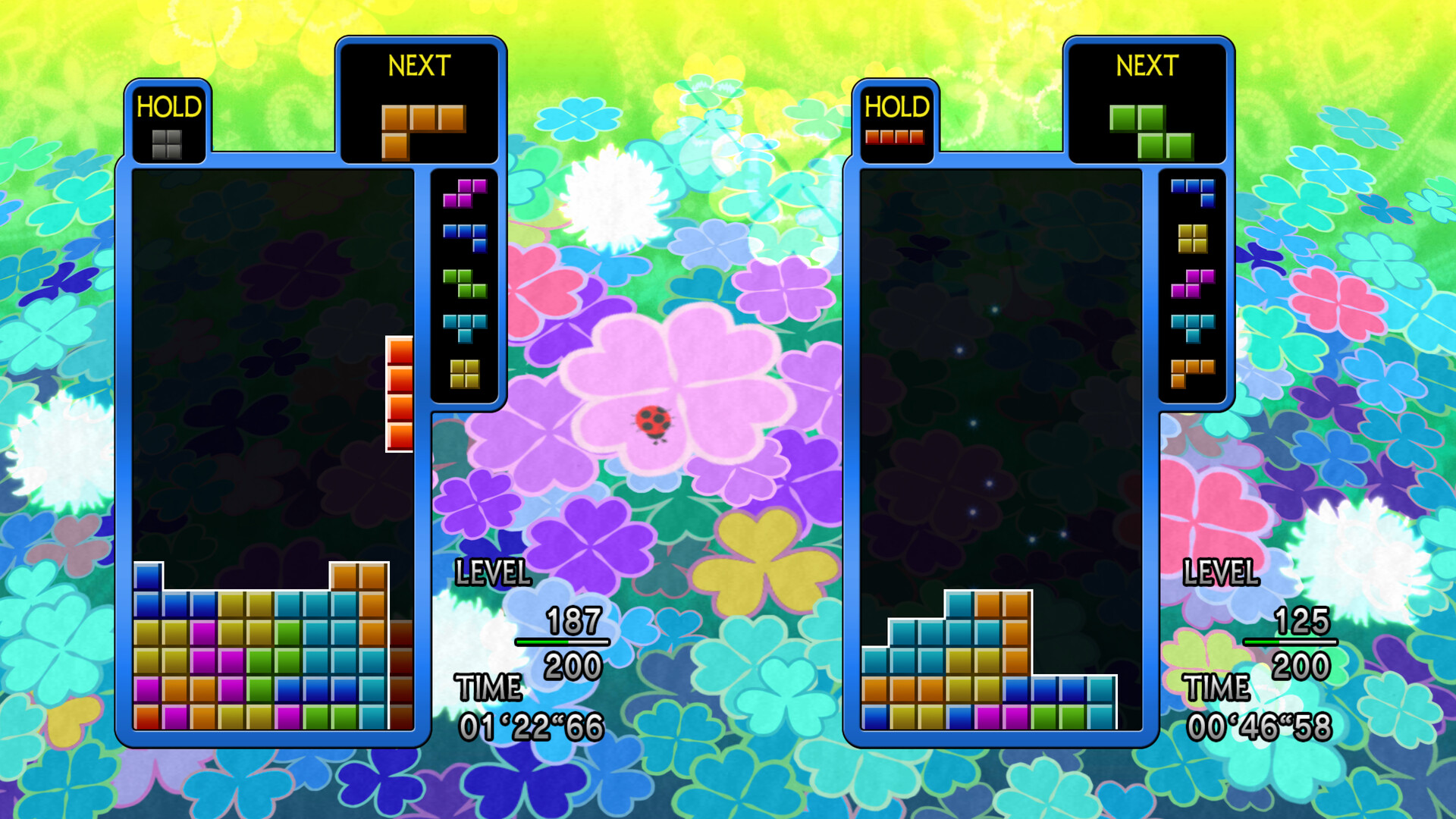
- 2009–2010: Initial whispers and location tests for a potential TGM4 (then titled "The Masters of Round") occur in Japan. However, the game fails to see a wide release due to shifting market conditions and licensing complexities.
- 2022–2023: Arika begins re-engaging with the Tetris brand, facilitating the release of classic TGM titles on modern consoles via the Arcade Archives series by Hamster Corporation.
- April 2025: Tetris: The Grand Master 4 Absolute Eye officially launches on PC via Steam, marking the first time a mainline TGM game is natively available on a home computer platform.
- Late 2025: Arika monitors community feedback on the Steam version, leading to the development of the "PC Revision" to address balance and pricing.
- June 4, 2026: The scheduled launch of the Nintendo Switch version and the implementation of the global price drop.
Market Analysis and Pricing Strategy
The decision to price the game at approximately $17.60 (2,800 Yen) is a strategic move that positions Tetris: The Grand Master 4 Absolute Eye as a premium yet accessible "mid-tier" digital title. In a market where major Tetris releases often fluctuate between $20 and $40, Arika’s price point targets the dedicated enthusiast while remaining low enough to entice casual players curious about the series’ reputation.
Industry analysts suggest that the price drop for the Steam version is a move to prevent "platform resentment." By ensuring that the older PC version does not carry a legacy premium price compared to the new Switch release, Arika fosters a unified community. This is particularly important for a game that relies on leaderboards and the sharing of replays, as a split or dissatisfied player base can lead to a rapid decline in online engagement.
Official Responses and Community Impact
While formal press releases from The Tetris Company have been concise, the community response has been overwhelmingly positive. Competitive Tetris players, particularly those involved in organizations like the Classic Tetris World Championship (CTWC) and various speedrunning communities, have lauded the move toward console accessibility.
"The Grand Master has always been a bit of an enigma for Western players due to its arcade-exclusive roots in Japan," says one veteran community organizer. "Bringing TGM4 to the Switch, which is arguably the modern home of Tetris thanks to Tetris 99 and Puyo Puyo Tetris, is exactly what the series needs to secure its future."
Arika’s involvement with other high-profile projects, including their ongoing collaboration with Bandai Namco on the Tekken series, has provided the studio with the financial stability to pursue niche passion projects like TGM4. This dual-track development strategy—handling massive AAA support work while maintaining a signature in-house puzzle franchise—has allowed Arika to remain one of the most respected independent developers in Japan.
Broader Implications for the Puzzle Genre
The release of Tetris: The Grand Master 4 Absolute Eye on a mainstream console like the Switch signifies a broader trend in the gaming industry: the "democratization" of high-skill-floor games. For years, the Grand Master series was relegated to gray-market arcade boards and emulation. By providing a legitimate, high-performance port on a popular console, Arika is validating the "hardcore" puzzle genre.
The inclusion of AI-driven difficulty adjustments and robust replay tools also points to a future where high-level play is not just performed but studied. As esports continues to evolve, tools that allow players to analyze their frame-by-frame inputs and share them with a global audience are becoming standard requirements rather than luxury features.
As the June 2026 release date approaches, the puzzle gaming community remains focused on how the Switch hardware will handle the extreme speeds of the "Absolute Eye" difficulty. If successful, this release could pave the way for further iterations of the franchise, ensuring that the quest for the "Grand Master" rank continues for a new generation of players. For now, fans can look forward to a more affordable entry point on PC and the convenience of portable high-speed Tetris in the very near future.