Cecilia Chamidah Nur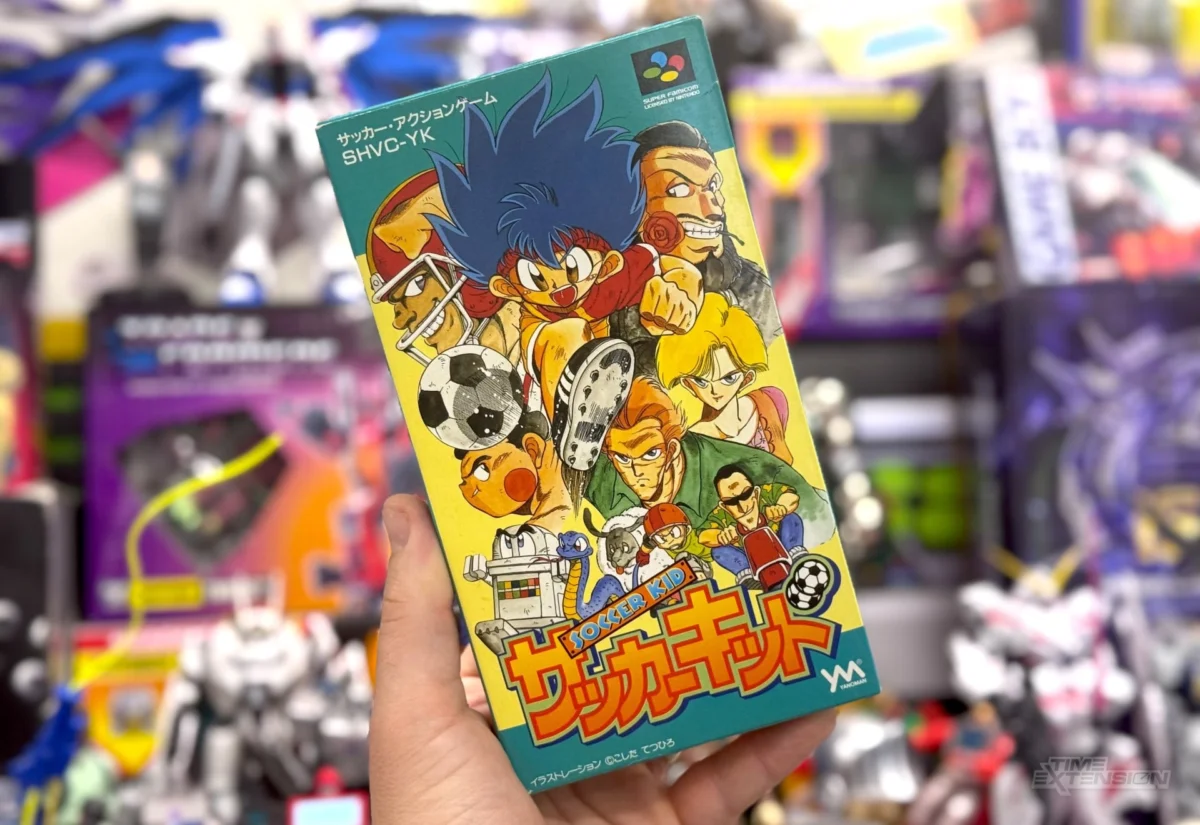
A beloved cult classic from the 16-bit era, Krisalis Software’s Soccer Kid, is making a highly anticipated return to contemporary gaming systems. The newly announced Soccer Kid Collection, featuring both the Super Nintendo Entertainment System (SNES) and PC versions of the original title, is set to launch on June 16th. This revival, spearheaded by publisher QUByte Interactive, will be available across a broad spectrum of platforms, including PlayStation 4, PlayStation 5, Xbox Series X/S, Nintendo Switch, Xbox One, and PC, retailing at an accessible price point of $9.99. The strategic timing of this re-release, coinciding with the upcoming global football spectacle, the World Cup, aims to tap into both nostalgic sentiments and the enduring worldwide enthusiasm for soccer.
A Deep Dive into Soccer Kid’s Origins and Gameplay Innovation
Soccer Kid first captivated players in 1993, emerging from the creative minds at Krisalis Software, a prominent developer particularly known for its contributions to the Commodore Amiga platform. Conceived by Dean Lester, the game carved out a unique niche within the crowded platforming genre by ingeniously integrating football mechanics into its core gameplay loop. Unlike traditional platformers where protagonists would jump, run, and utilize conventional weapons, Soccer Kid’s hero, a young boy named Kid, wielded a football as his primary tool for both offense and traversal. This innovative approach allowed players to kick the ball at enemies, use it to activate switches, and even perform complex aerial maneuvers by bouncing off the ball.
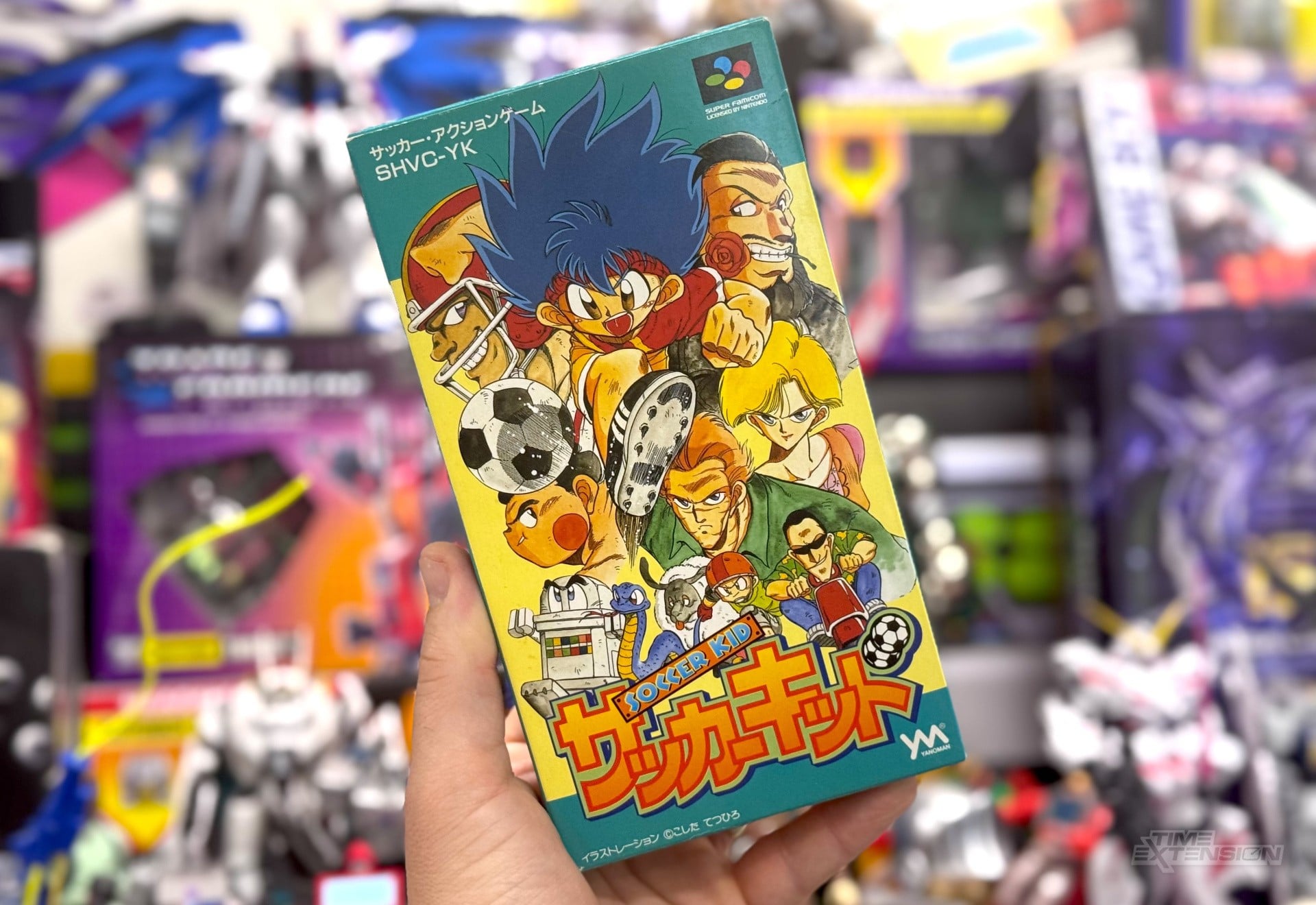
Krisalis Software, founded in 1987, had already established a reputation for developing innovative and technically proficient titles, especially on the Amiga. Their expertise was evident in games like James Pond 2: Robocod (though they handled later ports, not the original), Manchester United Premier League, and most notably for this context, Arabian Nights. Soccer Kid famously utilized the same robust game engine as Arabian Nights, a testament to Krisalis’s ability to repurpose and optimize their technology for diverse gameplay experiences. This shared engine likely contributed to Soccer Kid‘s fluid animations and responsive controls, which were critical for a game reliant on precise ball physics.
The game’s narrative premise was as whimsical as its mechanics: the real World Cup trophy mysteriously vanishes from Brazil in 1983 (a fictional embellishment for the game’s lore, as the actual trophy was famously stolen in 1966 and recovered). Ten years later, in the game’s setting of 1993, a young football prodigy, Kid, embarks on a global quest to retrieve the scattered pieces of the trophy from nefarious alien forces. This lighthearted, globe-trotting adventure provided a compelling backdrop for the varied environments and challenges players would encounter. Levels ranged from the streets of London to the canals of Venice, the pyramids of Egypt, and the bustling cities of Japan, each presenting unique obstacles and enemies that required creative application of Kid’s football skills.
The gameplay itself demanded a blend of platforming prowess and tactical football maneuvers. Players could dribble the ball, perform headers, execute powerful bicycle kicks, and even use the ball to reach higher ledges or clear dangerous gaps. The physics engine, while not hyper-realistic, was consistent enough to allow for skill-based play, encouraging players to master the trajectories and impacts of their kicks. This mechanical uniqueness differentiated Soccer Kid significantly from its contemporaries, positioning it as a memorable, albeit niche, entry in the 16-bit pantheon. Its blend of action, puzzles, and sports-themed combat offered a fresh perspective that resonated with a segment of the gaming audience, fostering its eventual cult status.
The Extensive Multi-Platform Journey and Technical Adaptations
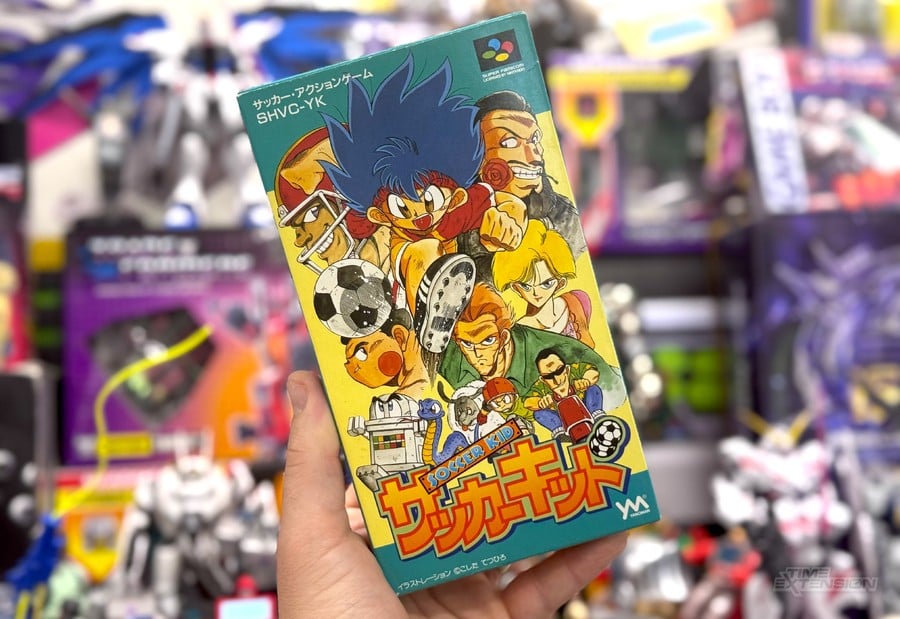
Following its initial release on the Commodore Amiga, Soccer Kid embarked on an ambitious multi-platform journey, a common practice for successful titles during that era to maximize market reach. It saw ports to a wide array of systems, each presenting its own technical hurdles and requiring specific optimizations.
- Commodore Amiga (1993): The original, setting the benchmark for graphics, sound, and gameplay. It showcased Krisalis’s mastery of the Amiga hardware.
- SNES (1994): The Super Nintendo port, included in the new collection, was crucial for expanding its audience in the lucrative console market. Adapting the game for Nintendo’s hardware meant meticulous work on graphics palettes, sound chip utilization (SPC700), and controller mapping to ensure a faithful, yet optimized, experience for console players. The SNES version often featured slightly different visual aesthetics and sound arrangements compared to the Amiga original.
- Amiga CD32 (1994): Commodore’s ill-fated console iteration of the Amiga, this version likely benefited from enhanced audio capabilities and potentially full-motion video sequences, though it had a limited impact due to the console’s commercial struggles.
- Atari Jaguar (1994): A port to Atari’s powerful, but equally unsuccessful, 64-bit console. This port would have required significant effort to utilize the Jaguar’s unique architecture, including its multiple processors (Tom, Jerry, Blitter). The Jaguar version often faced criticism for inconsistent performance in many games, and Soccer Kid was no exception in adapting to such a demanding system.
- PC (DOS) (1994): The PC version, also included in the Soccer Kid Collection, brought the game to a broader demographic of computer users. PC ports often had the advantage of higher resolutions and potentially more color depth, depending on the user’s graphics card, but also had to contend with a fragmented hardware landscape. This version allowed the game to reach an audience beyond console and dedicated Amiga enthusiasts.
- Game Boy Advance (2002): A much later port, significantly after the 16-bit era. This version was a considerable technical achievement, shrinking the expansive 16-bit experience down to a handheld device with limited screen real estate and processing power. It demonstrated the game’s enduring appeal and adaptability, even if the visuals and audio were necessarily downgraded.
Each port represented a significant undertaking, involving graphical redesigns, sound re-orchestrations, and code adjustments to align with the target system’s specifications. The decision by QUByte Interactive to include both the SNES and PC versions in the Soccer Kid Collection is strategic, offering players a choice between two of the most widely recognized and distinct iterations of the game, each with its own subtle nuances in presentation and feel.
The Resurgence of Retro Gaming and the Role of Preservation
The re-release of Soccer Kid Collection is not an isolated incident but rather a clear indicator of a broader trend within the video game industry: the burgeoning interest in retro gaming and the crucial emphasis on game preservation. In recent years, there has been a significant surge in demand for classic titles, driven by a combination of nostalgia from older generations of gamers and curiosity from newer players eager to explore gaming’s rich history.
QUByte Interactive has positioned itself as a key player in this movement through its "QUByte Classics" lineup. This initiative is dedicated to bringing beloved retro games to modern consoles and PC, often with enhanced features that cater to contemporary gaming expectations while meticulously preserving the original experience. Their mission extends beyond mere commercial exploitation; it embraces the vital role of digital preservation, ensuring that games like Soccer Kid, which might otherwise become inaccessible due to deprecated hardware and software, remain playable for future generations.
The publisher’s statement highlights this commitment: "Now, under the QUByte Classics lineup, this gem is arriving on modern consoles… and PC via Steam with full emulation preservation and pristine modern features!" This promise implies more than just porting; it suggests a careful approach to emulation that aims for accuracy, replicating the original game’s behavior as faithfully as possible. "Pristine modern features" likely encompass quality-of-life improvements that have become standard in retro collections, such as:
- Save States: Allowing players to save their progress at any point, mitigating the often-punishing difficulty of older games.
- Rewind Functionality: The ability to reverse gameplay to correct mistakes, a boon for challenging platforming segments.
- Display Options: Various screen filters (e.g., CRT shaders), aspect ratio adjustments (original 4:3, stretched widescreen), and pixel scaling options to customize the visual experience.
- Controller Remapping: Flexibility to assign controls to modern gamepads.
- Achievements/Trophies: Integrating with console ecosystems to provide additional goals and replay value.
- Digital Manuals/Art Galleries: Providing historical context and supplementary content for enthusiasts.
The strategic timing of the Soccer Kid Collection‘s release, just ahead of the World Cup, is a shrewd marketing move. Football, or soccer as it’s known in many regions, is the world’s most popular sport, and global tournaments generate immense excitement and viewership. By linking the game’s release to this major sporting event, QUByte Interactive effectively taps into a massive existing audience, broadening the game’s appeal beyond just retro enthusiasts to include sports fans looking for a fun, themed gaming experience. This cross-promotional synergy is a smart way to generate buzz and introduce Soccer Kid‘s unique blend of sports and platforming to a wider market.
Official Responses and Broader Implications

QUByte Interactive’s official statement provides insight into their appreciation for Soccer Kid‘s legacy: "In 1983, the real World Cup trophy mysteriously vanished in Brazil," says the publisher. "In 1993, Krisalis Software turned that wild concept into one of the most mechanically unique 16-bit platformers of its era: Soccer Kid." This quote not only reiterates the game’s quirky premise but also underscores its historical significance as a uniquely designed title within its generation. It speaks to QUByte’s recognition of the game’s innovative mechanics and its place in gaming history.
While direct statements from the original Krisalis Software team or creator Dean Lester regarding this re-release are not immediately available, one can logically infer a sense of pride and validation. For creators, seeing their work from decades past resurrected, preserved, and introduced to a new generation of players is often a deeply rewarding experience. It serves as a testament to the enduring quality and appeal of their original vision and craftsmanship. The re-release confirms that Soccer Kid was more than just a fleeting commercial product; it was a distinctive artistic and technical achievement that holds continued relevance.
The broader impact of the Soccer Kid Collection extends to several key areas:
- Enhanced Accessibility: This release drastically improves the accessibility of Soccer Kid. Without it, playing the game would require sourcing original hardware (Amiga, SNES, PC DOS systems), finding physical copies, and dealing with compatibility issues – a barrier for most modern gamers. The collection makes it readily available on current-generation platforms, democratizing access to a piece of gaming history.
- Historical Validation: By bringing Soccer Kid back, QUByte Interactive contributes to the ongoing project of validating and preserving video game history. Many classic titles, especially those that were not mainstream blockbusters but held significant creative or technical merit, risk being lost to time. Re-releases like this ensure these "gems" are remembered and studied.
- Commercial Viability of Retro Collections: The $9.99 price point for two versions of a classic game is competitive and aligns with the market for retro compilations. This pricing strategy aims to attract a broad audience, demonstrating that there is a viable commercial model for bringing back older titles, encouraging further investment in preservation efforts.
- Influence on Future Developments: The success of such retro re-releases can influence future game design, inspiring developers to revisit unique mechanics or narrative styles from gaming’s past. Soccer Kid‘s innovative use of a football as a multi-purpose tool could spark new ideas for integrating sports elements into non-sports genres.
- Community Engagement: These collections often reignite discussions within gaming communities, prompting players to share memories, compare different versions, and debate the game’s legacy. This fosters a vibrant ecosystem around classic titles.
In conclusion, the impending launch of the Soccer Kid Collection on June 16th represents more than just a simple re-release; it is a celebration of a unique 16-bit platformer, a commitment to video game preservation, and a clever marketing play leveraging global sporting fever. By making Soccer Kid accessible to a new generation of players while catering to the nostalgia of its original fans, QUByte Interactive ensures that this "mechanically unique" gem continues to dribble its way into the hearts of gamers worldwide. Its return underscores the enduring appeal of well-crafted experiences and the critical importance of keeping gaming’s rich history alive and playable.