
 Hartono Sudibyo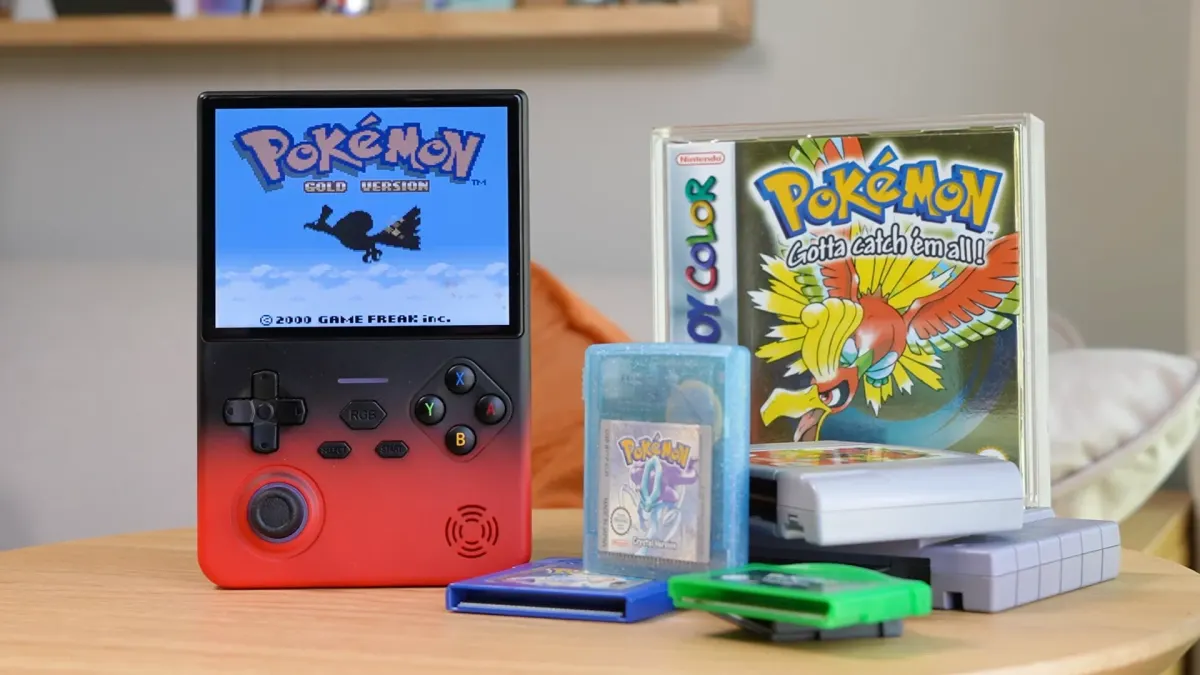
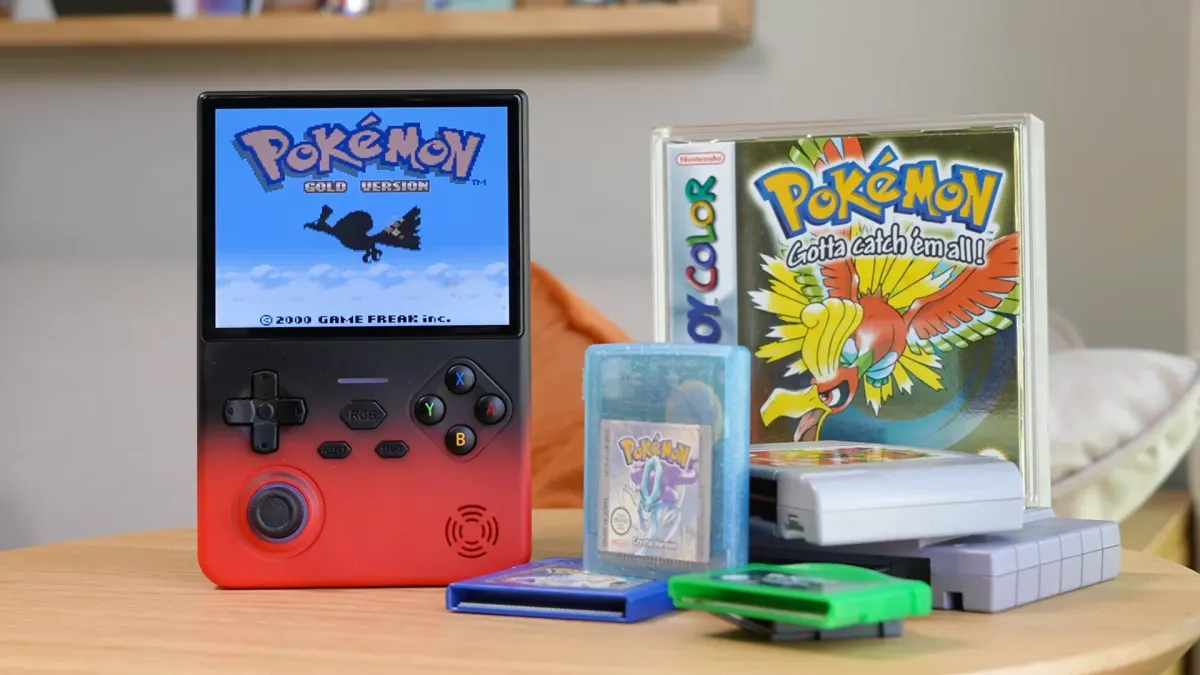
The digital landscape of retro gaming emulation has been significantly disrupted by revelations concerning Lenovo’s G02 handheld device. What began as a niche discovery has rapidly escalated into a major controversy, involving allegations of unauthorized pre-loading of intellectual property from industry giants Nintendo and SEGA onto the device. This situation has prompted a swift, albeit defensive, response from Lenovo, raising critical questions about supply chain oversight, intellectual property rights, and the burgeoning grey market for retro gaming hardware.
Genesis of the Controversy: A Troubling Discovery
The initial reports surfaced approximately a week ago, detailing the Lenovo G02 handheld, a device reportedly intended for the Chinese domestic market, being advertised and sold on international e-commerce platforms, most notably AliExpress. The core of the controversy lies in the discovery that units of this handheld were allegedly pre-loaded with ROMs of classic games from Nintendo and SEGA. This practice, if confirmed, represents a significant infringement of intellectual property rights, as these games are protected by copyright and are typically only legally accessible through official channels.
The discovery sent ripples through the retro gaming community and tech journalism circles. Initial investigations involved deep dives into the origins of these pre-loaded games, including direct contact with Lenovo’s representatives in China. These early interactions yielded a statement from Lenovo suggesting that such pre-loading should not have occurred and that the company disavowed responsibility for any unauthorized content.
Lenovo’s Official Stance: A Complex Defense
Following the initial exposé and the subsequent viral spread of information, including a widely viewed YouTube review of the Lenovo G02, Lenovo provided a more detailed and formal statement regarding the allegations. This statement, attributed to a representative named Pedro, aimed to clarify the company’s position and outline its internal investigations.
According to Pedro’s statement, "After further investigation, we can confirm that there is no game content preloaded on this device as sold in PRC, nor are there any memory cards that ship with the device from Lenovo or its authorized licensees." This assertion directly contradicts the evidence presented by those who acquired the G02 with pre-loaded games.
Crucially, Lenovo’s statement emphasized that "Sales of this device outside of PRC are not authorized and are not compliant with Lenovo’s channel policy." This suggests that the devices featuring pre-loaded intellectual property were likely circulating through unofficial channels, operating outside of Lenovo’s direct purview and authorized distribution networks. The company further elaborated, "Lenovo does not have control over the actions of third-party vendors who may modify or bundle additional software or content with the device for sale on platforms such as AliExpress." This points towards a scenario where independent sellers are allegedly tampering with the devices after they have left authorized distribution, or perhaps even before they reach them, to enhance their appeal and perceived value in the grey market.
Lenovo reiterated its commitment to investigating these reports: "We are currently investigating reports that some third-party vendors may be offering devices with preloaded software or bundled memory cards." However, the company maintained a firm stance on the unauthorized nature of these sales, stating, "as this device is not for sale by Lenovo or any licensees outside of PRC, none of the vendors selling the device as you purchased it are official Lenovo vendors." This framing attempts to distance Lenovo from the problematic sales and the content found on those devices.
The company also highlighted a specific detail from the product’s documentation: "In fact, the accompanying instruction manual explicitly states that any content installed by the user—and any issues that may arise—are the sole responsibility of the user of the device." While this clause typically pertains to user-installed software, in this context, it appears to be used by Lenovo to further disclaim responsibility for any pre-loaded content, implying that even if present, it was not sanctioned by Lenovo.
Chronology of Events and Market Reaction
The unfolding situation can be broadly outlined as follows:
- Early Discovery: Initial reports emerge of Lenovo G02 handhelds being sold on platforms like AliExpress with pre-loaded Nintendo and SEGA games.
- Initial Investigation: The reporting outlet dedicates days to investigating the source of the pre-loaded content, including direct contact with Lenovo’s Chinese team.
- Public Disclosure: The findings are published and a YouTube review of the device is released, generating significant public attention.
- Formal Lenovo Statement: Lenovo issues a detailed statement, disavowing responsibility for pre-loaded content on devices sold outside of China and claiming these sales are unauthorized.
- Market Response: Following the controversy and Lenovo’s statements, listings for the G02 on AliExpress and similar platforms appear to have been removed. This action is widely interpreted as a consequence of potential legal threats or cease-and-desist orders issued by Lenovo to third-party vendors.
The swift removal of listings suggests a strong reaction from Lenovo, which may be motivated by a desire to preempt legal action from intellectual property holders like Nintendo and SEGA. The gaming industry is notoriously protective of its intellectual property, and unauthorized distribution of copyrighted games can lead to severe penalties.
Analysis of Lenovo’s Position and Potential Implications
Lenovo’s official statements suggest a narrative of being blindsided by third-party vendors exploiting their products. The argument is that the G02 was intended solely for the Chinese market, and its appearance on international grey markets, bundled with pirated games, is a rogue operation by unauthorized sellers.
However, several aspects of this situation warrant critical analysis. The assertion that Lenovo had no knowledge of the pre-loaded content before the story broke raises questions about their quality control and supply chain management, particularly in a "white-labeling" process where devices might be manufactured by third parties or rebranded for different markets. If a significant number of units were appearing on the market with such blatant infringements, it is plausible that some level of awareness, or at least a significant oversight, existed within Lenovo’s operations or among its authorized partners. The claim that they "didn’t even do that" (referring to testing units) is a pointed observation from the initial reporting, highlighting a potential gap in due diligence.
The removal of G02 listings from major e-commerce platforms could be interpreted in two ways: genuine commitment to rectifying the situation and protecting intellectual property, or a strategic move to mitigate reputational damage and avoid legal repercussions, particularly from powerful entities like Nintendo. The latter interpretation suggests that Lenovo may be more concerned about the "optics" of being caught with pirated content, especially if it attracts the attention of copyright holders, than about the inherent ethical and legal issues of such practices.
Furthermore, Lenovo’s acknowledgement that the device is "not for sale by Lenovo or any licensees outside of PRC" but its subsequent investigation into reports of preloaded content implies that there is some level of internal awareness of devices potentially being diverted or misused. The fact that they are "digging into the allegations" while simultaneously stating these sales are unauthorized creates a complex picture of responsibility and control.
Broader Impact on the Retro Gaming Market
The Lenovo G02 incident underscores several critical issues within the retro gaming hardware market:
- The Grey Market and Piracy: The incident highlights how easily devices can enter the grey market and be modified by third parties to include pirated content. This practice not only infringes copyright but also often leads to inflated prices for consumers who may be unaware they are purchasing unauthorized software.
- Supply Chain Vulnerabilities: For a major manufacturer like Lenovo, the alleged lack of control over its products once they enter certain distribution channels points to potential vulnerabilities in its supply chain management and oversight.
- Intellectual Property Enforcement: The controversy serves as a stark reminder of the aggressive stance major game publishers take against intellectual property infringement. Companies like Nintendo are known for their rigorous pursuit of piracy, and such incidents can lead to significant legal and financial consequences for all parties involved.
- Consumer Trust: For consumers, such incidents erode trust in hardware manufacturers. The expectation is that devices purchased directly or through authorized resellers should be free from illegal content and meet certain quality standards. The G02 controversy, compounded by reports of the device itself being of "low-quality" and "riddled with negatives," further damages Lenovo’s reputation in the gaming community.
The interaction with Tom’s Hardware further solidified Lenovo’s official stance, reiterating their disavowal of sales outside of China and any involvement with third-party platforms like AliExpress. This consistent messaging aims to create a clear distinction between Lenovo’s intended product and the modified versions circulating in the grey market.
Conclusion: A Call for Responsible Product Development
Ultimately, the Lenovo G02 controversy is a complex interplay of unauthorized distribution, intellectual property infringement, and supply chain challenges. While Lenovo has issued statements and appears to be taking action by removing listings, the underlying issues of how such a situation could arise remain a significant point of concern.
For Lenovo, the most prudent course of action moving forward would be to re-evaluate its product development and distribution strategies, particularly for devices intended for specific regional markets. Ensuring robust oversight of its supply chain, implementing stricter quality control measures, and clearly defining authorized sales channels are essential steps to prevent similar incidents from occurring.
The retro gaming community, while often embracing emulation and the accessibility of classic titles, largely operates within the bounds of legal and ethical distribution. The Lenovo G02 case serves as a cautionary tale, illustrating the risks associated with unauthorized hardware and the potential consequences of intellectual property violations. The company’s swift response, while potentially defensive, is a necessary step in navigating the fallout and attempting to restore confidence among consumers and, more importantly, among the rights holders whose intellectual property has been at the center of this controversy. The long-term implications for Lenovo’s standing in the gaming hardware market will depend on the transparency and effectiveness of its ongoing investigations and the concrete steps it takes to prevent future infringements.








