Ganda Hendra Perkasa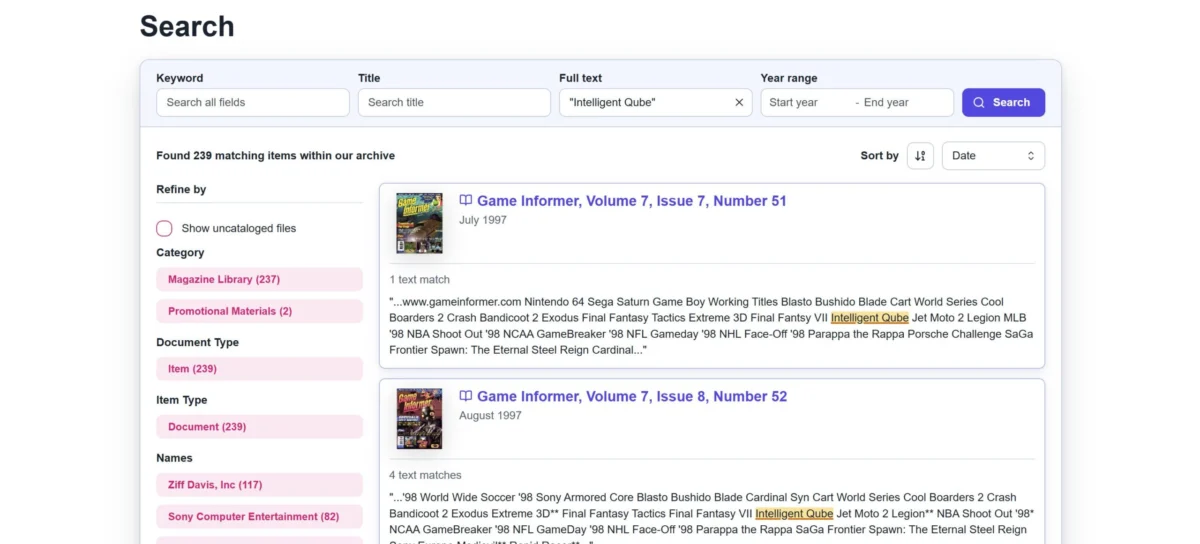
The International Center for the History of Electronic Games (ICHEG) at The Strong National Museum of Play has launched a significant update to its digital archive platform, introducing a suite of improvements designed to streamline research and enhance user engagement with its extensive collection of video game history. This latest iteration, rolled out today, represents a foundational rebuild of the interface, directly addressing user feedback and aiming to make the vast digital repository more accessible and navigable for researchers, enthusiasts, and the general public alike.
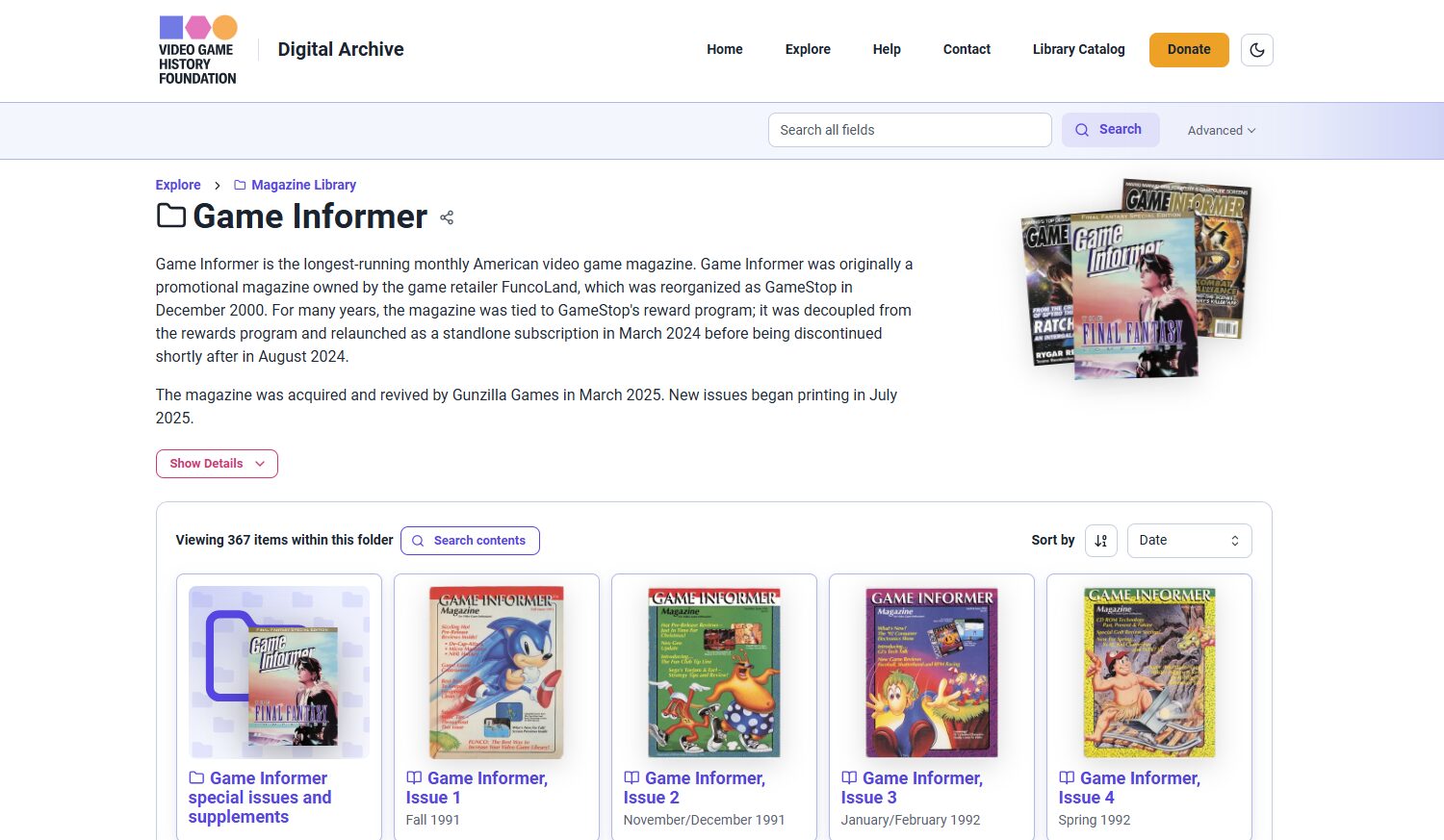
The core of this update lies in a complete overhaul of the browsing experience. Users will immediately notice larger, more prominent image thumbnails, a change intended to provide greater clarity and immediate recognition of the content being presented, whether it be a folder of files or an individual digital asset. This visual enhancement is crucial for a platform housing a diverse range of historical documents, from digitized magazines and advertisements to source code and design documents. The previous interface, while functional, had presented challenges in quickly discerning the nature of archived items, a hurdle the new design seeks to eliminate.
Beyond the visual improvements, the platform’s performance has been a key focus. The rebuilt interface boasts faster loading times, a critical factor for digital archives that often contain high-resolution images and complex data structures. Improved loading states are also integrated, providing users with clearer feedback during data retrieval, thus reducing frustration and enhancing the overall user journey. Furthermore, the system now offers more robust navigation tracking, ensuring users can more easily retrace their steps and maintain context as they delve deeper into the archive’s vast contents.
Search Functionality Gets a Major Boost
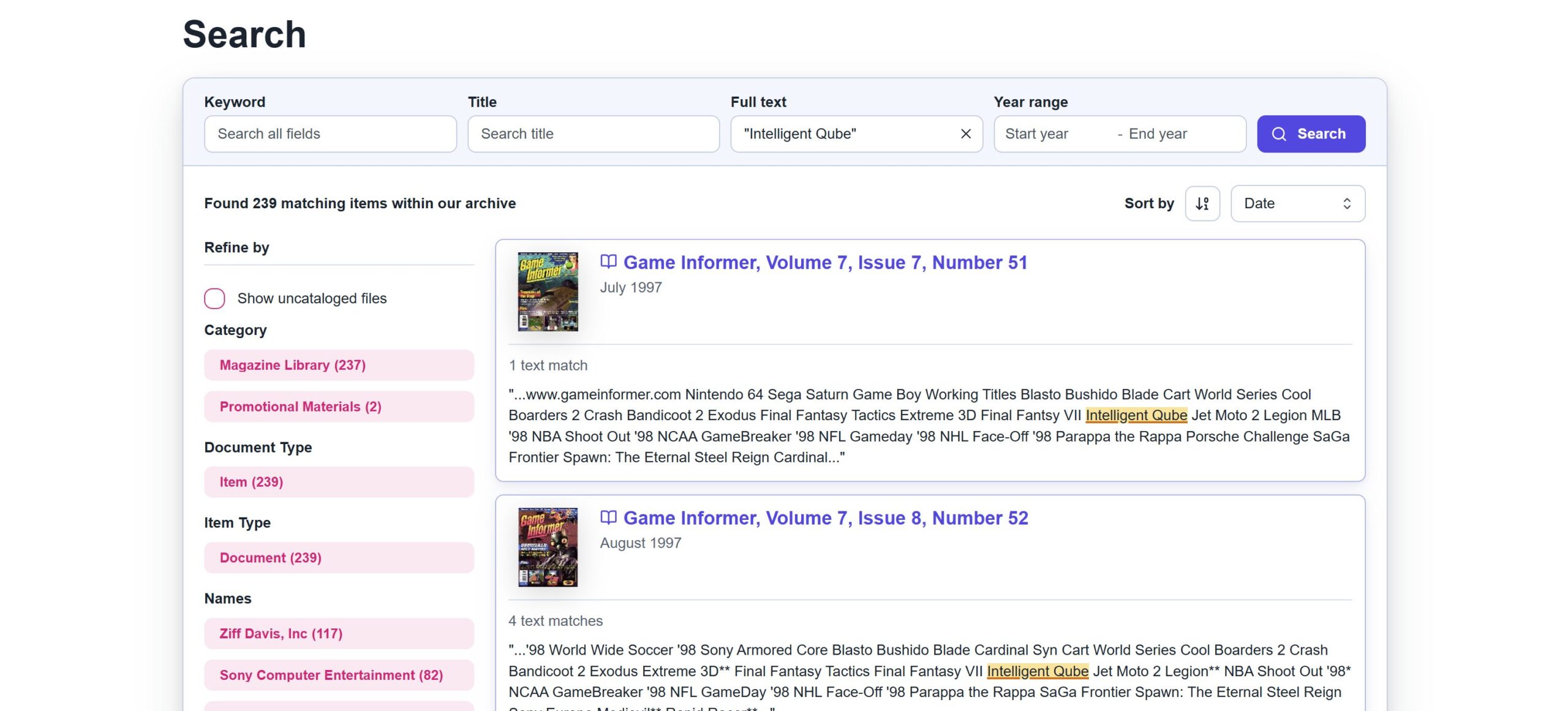
A significant area of improvement is the platform’s search functionality. Recognizing that effective search is paramount for any digital archive, ICHEG has expanded the contextual information provided for keyword searches. The "snippet view" feature, which displays surrounding text for search matches, has been enhanced to reveal approximately four times more content. This substantial increase in context allows users to more rapidly assess the relevance of search results without needing to open each individual document, thereby accelerating the research process. For example, a search for a specific game title or a particular development studio would now yield more comprehensive textual snippets, enabling researchers to quickly ascertain if the found documents pertain to their area of interest. This is particularly beneficial for large-scale research projects that rely on sifting through extensive collections of digitized materials.
Streamlined Access to Collections
To facilitate immediate engagement with the archive’s holdings, the homepage now features a prominent "Explore the Archive" section. This new addition allows users to directly access and browse major collection categories without the need to navigate to a separate page. This "at-a-glance" approach is designed to onboard new users quickly and provide seasoned researchers with a more efficient entry point into specific areas of interest. Further down the homepage, a "Featured Collections" bar highlights new and noteworthy additions to the archive. This dynamic display ensures that users are kept abreast of the latest acquisitions, encouraging repeat visits and exploration of emerging content.
Background and Chronology of the Digital Archive Initiative
The development of ICHEG’s digital archive has been an ongoing endeavor, reflecting a growing recognition of the critical need to preserve and provide access to the ephemeral history of video games. The initiative represents a significant commitment to scholarly research and public access, moving beyond traditional museum exhibits to offer a digital frontier for historical inquiry.
The genesis of the digital archive can be traced back to early digitization efforts undertaken by institutions like The Strong Museum of Play. Over the years, the scope and ambition of these projects have expanded considerably, driven by the increasing volume of digital artifacts and the evolving capabilities of digital preservation technologies. The launch of the current revamped platform follows a period of intensive development and user testing, with feedback from scholars, archivists, and the gaming community serving as a cornerstone of the design process. This iterative approach, incorporating direct user input, is indicative of a modern approach to digital heritage projects, prioritizing usability and relevance.
Supporting Data and Future Developments
While specific usage statistics for the previous platform were not provided, the sheer volume of digitized materials within the ICHEG archive suggests a growing demand for accessible historical game data. The archive is known to house a substantial collection of digitized video game magazines, spanning decades of gaming journalism, as well as promotional materials, design documents, and potentially even source code repositories. The improvement in search and browsing functionalities is anticipated to lead to a significant increase in user engagement and research output.
Looking ahead, ICHEG has outlined further planned enhancements for the digital archive. These include the development of a new image file viewer, which is expected to offer more advanced viewing and annotation capabilities for visual artifacts. Additionally, the integration of character recognition technology for Japanese magazines is a key development that will unlock a wealth of information previously inaccessible to keyword searches in non-Latin scripts. The long-term vision includes eventual integration with the full library catalog of The Strong Museum of Play, promising a more holistic and interconnected research experience for users.
Analysis of Implications
The improvements to the ICHEG digital archive platform have several significant implications for the field of video game history and digital humanities research. Firstly, by making the archive more accessible and user-friendly, ICHEG is democratizing access to primary source materials. This is crucial for researchers who may not have the resources or ability to visit the museum in person. The enhanced search capabilities, in particular, will empower scholars to conduct more in-depth and efficient research, potentially leading to new discoveries and a more nuanced understanding of video game history.
Secondly, the focus on user feedback underscores a growing trend in digital archiving towards user-centric design. This approach ensures that the tools and resources provided are not only comprehensive but also practical and effective for their intended audience. As the digital archive matures, it is likely to become an indispensable resource for academics, journalists, game developers, and anyone interested in the cultural and technological evolution of video games.
The planned future developments, such as the image viewer and character recognition for Japanese magazines, indicate a forward-looking strategy that aims to continuously expand the archive’s utility and scope. The eventual integration with the broader museum library catalog could also create novel opportunities for interdisciplinary research, connecting video game history with other areas of cultural and technological history. In essence, this revamped platform is not just an upgrade; it is a strategic enhancement that solidifies the ICHEG’s role as a leading institution in the preservation and study of electronic game history.