Cecilia Chamidah Nur
After an arduous two-decade development cycle, the dedicated fan translation group Aeon Genesis has officially unveiled an English patch for the 1998 PlayStation 1 title, Real Robots Final Attack. This landmark release finally renders a cult classic accessible to a global audience, marking a significant achievement in the realm of video game preservation and community-driven localization efforts. The project, initiated by Aeon Genesis member Gideon Zhi, stands as a testament to the perseverance and passion that define the fan translation community.
A Long-Awaited Breakthrough for Mecha Enthusiasts
Real Robots Final Attack, originally developed by the prolific Japanese studio Banpresto, holds a unique position within the expansive Super Robot Wars universe. Unlike the tactical turn-based RPGs for which the Super Robot Wars series is predominantly known, Real Robots Final Attack ventured into the realm of 3D arena fighting. The game drew heavily from the rich tapestry of mecha anime and manga franchises that characterize the Super Robot Wars crossovers, allowing players to pilot iconic robots in fast-paced, one-on-one combat scenarios.
Upon its initial release in 1998, the game garnered attention, and some criticism, for its evident inspiration from Sega’s highly influential Virtual-On series. Virtual-On had established a benchmark for 3D mecha combat with its innovative dual-stick control scheme and distinctive arena design, setting a high bar for any subsequent titles in the genre. While Real Robots Final Attack aimed to capture a similar essence, it faced the challenge of differentiating itself while appealing to fans of Banpresto’s established robot roster. This new English patch now allows players outside of Japan to critically re-evaluate the game’s merits and understand its place within the late 90s console fighting game landscape without the language barrier.
The Genesis of a Two-Decade Endeavor
The journey to bring Real Robots Final Attack into English has been nothing short of epic, spanning over half of the game’s existence. Gideon Zhi, the driving force behind the project at Aeon Genesis, candidly acknowledged the extraordinary timeline. "Despite being a fairly simple project, this one has been in the works for an extremely long time," Zhi stated on the project’s official page. "I have files dating back to 2006 for this one!" This revelation underscores the often-unseen dedication and extended periods of work that volunteer-based translation efforts frequently entail.
The sheer longevity of the project presented its own set of unique challenges, particularly regarding proper attribution. Zhi expressed regret over the inability to definitively credit all contributors, particularly those who translated the game’s story and secrets in the early stages. "Consequently I’ve honestly lost track of who translated the story and secrets, and I apologize profusely for that! If you were the one who did this please step forward and refresh my memory; I’d be more than happy to update this readme with proper credits," he implored. This sentiment highlights a common issue within long-running community projects, where volunteers may come and go, and historical records can become fragmented over time. The commitment to retroactively acknowledge contributions, even after two decades, speaks volumes about the ethos of the fan translation community.
Aeon Genesis itself is a name synonymous with high-quality fan translations, boasting a legacy of bringing numerous Japanese-exclusive titles to English-speaking audiences. Formed in the early 2000s, the group has been instrumental in translating significant games across various platforms, including classic RPGs and strategy titles that might otherwise have remained inaccessible. Their portfolio includes highly regarded patches for games like Bahamut Lagoon (SNES), Brandish: The Dark Revenant (PSP), and various other Super Robot Wars entries, establishing them as a cornerstone of the fan translation movement. The completion of Real Robots Final Attack further solidifies their reputation for tackling ambitious and long-term projects, often driven solely by a passion for gaming history and cultural accessibility.
Delving into the Mecha Mayhem: Game Context and Comparisons
Real Robots Final Attack entered a crowded market of 3D fighting games on the PlayStation, a console that became a hotbed for the genre. Its gameplay centered on arena-based combat, where players selected a mecha from a roster pulled from popular anime series, each with distinct weapon sets and special attacks. The game aimed for an arcade-style experience, focusing on quick reflexes and strategic use of ranged and melee attacks within destructible environments.
The comparison to Sega’s Virtual-On series is inevitable and crucial for understanding Real Robots Final Attack‘s reception. Virtual-On: Cyber Troopers, released in arcades in 1995 and on the Sega Saturn in 1996, pioneered a unique control scheme involving twin joysticks that simulated controlling a giant robot with independent leg and torso movement. This innovative design, combined with fast-paced, energy-weapon-focused combat, made Virtual-On a critical and commercial success. Real Robots Final Attack, while not replicating the twin-stick setup on the standard PS1 controller, adopted the core concept of highly mobile, ranged-focused mecha combat in enclosed arenas. Critics at the time often noted the similarities in visual style, movement mechanics, and even UI elements, leading to a perception that Banpresto was perhaps too heavily influenced by its competitor’s success.
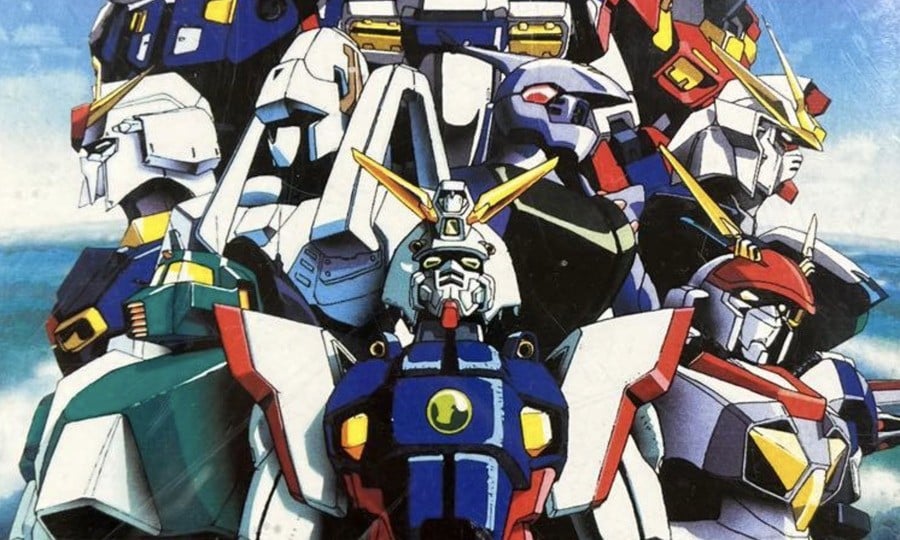
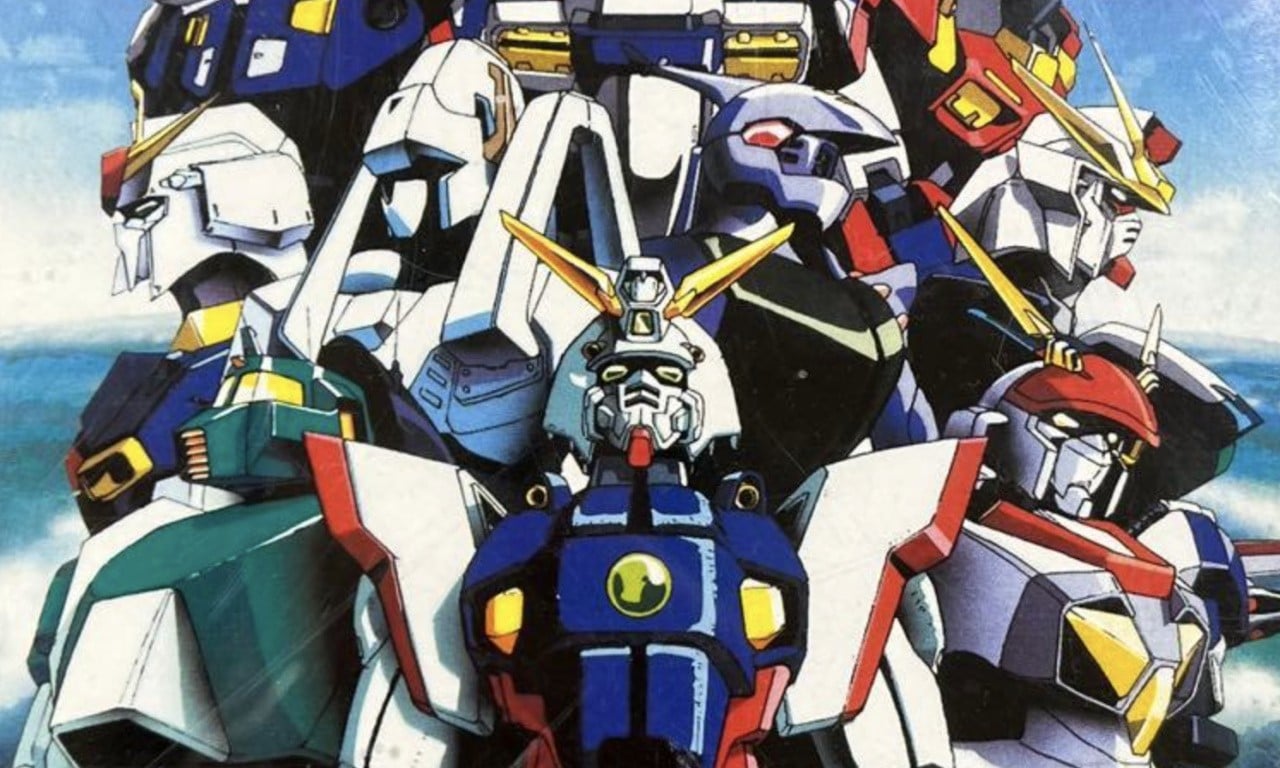
However, Real Robots Final Attack brought its own distinct flavor through the Super Robot Wars license. The game allowed players to control beloved mechs like Mazinger Z, Getter Robo, Gundam units, and other fan favorites, each meticulously rendered for the PlayStation hardware. This roster appeal was a major draw for Japanese audiences, who had grown up with these iconic designs. For Western audiences, previously unable to understand the narrative or character interactions, the English patch now unlocks a deeper appreciation for how these characters are integrated into the game’s fighting system and storyline. This crossover appeal is the bedrock of the Super Robot Wars franchise, which typically blends original characters and storylines with existing anime properties, creating a massive, interconnected mecha multiverse. The fact that Real Robots Final Attack is a fighting game within this universe makes it a unique entry, standing apart from the more common strategy RPG format.
Unearthing Hidden Depths: Unused Content and Development Insights
The fan translation process often involves extensive data mining and reverse engineering, which can lead to fascinating discoveries about a game’s development. Gideon Zhi’s work on Real Robots Final Attack was no exception, revealing a significant amount of unused content still present on the game’s original disk. This included "evidence of a demo disc/kiosk mode," suggesting that Banpresto had planned for, or even developed, a promotional version of the game designed for retail displays or trial purposes. Such modes are common in arcade and console game development, providing a streamlined, often time-limited, experience to entice potential buyers.
Even more intriguing was the discovery of "a full story printout that’s never shown anywhere in the game." This suggests that the narrative, which fan translations typically focus on making accessible, was more extensive than what was ultimately presented to players through in-game dialogue or cutscenes. This could point to excised plotlines, character interactions, or lore that was either cut for time, budget, or simply deemed unnecessary for the final release. Unused narrative elements often provide invaluable insight into a game’s original vision and the iterative process of game development.
Furthermore, the team found "details for nine secrets/unlocks, only five of which appear to function (and of those five, the given instructions for activating one is incorrect)." This detail offers a glimpse into the complexities of game design and quality assurance. It’s not uncommon for developers to implement more content or features than can be fully tested or integrated by the release date, leading to partially implemented or buggy secrets. The incorrect instructions for one of the functional unlocks highlight the potential for last-minute changes or oversights in documentation. For players, this discovery opens up avenues for further exploration, potentially leading to community efforts to uncover the intended methods for activating the non-functional secrets or correcting the faulty instructions. These insights not only enrich the player’s understanding of Real Robots Final Attack but also provide a micro-history of its development, something that is rarely available for older, niche titles.
The Broader Impact of Fan Translations: Preservation and Accessibility
The release of the Real Robots Final Attack English patch is more than just a convenience for English-speaking players; it represents a vital act of video game preservation and cultural exchange. Many Japanese games from the 8-bit, 16-bit, and early 3D eras never received official localizations due to market considerations, licensing complexities, or the perceived niche appeal of certain genres. Without the tireless efforts of groups like Aeon Genesis, these titles would remain largely inaccessible to a vast segment of the global gaming community, their stories and gameplay locked behind a linguistic barrier.
Fan translations fill a crucial gap left by official channels, ensuring that important pieces of gaming history are not lost to time or geography. They contribute significantly to the broader understanding of game design evolution, narrative techniques, and cultural influences in video games. For a series as culturally significant as Super Robot Wars, which embodies decades of Japanese pop culture through its mecha crossovers, fan translations are particularly important. While recent years have seen an increase in official Super Robot Wars localizations for titles like Super Robot Wars V, X, T, and 30, many classic entries, including fighting game spin-offs like Real Robots Final Attack, remain untranslated. The fan community steps in to bridge this divide, driven by a shared love for these games and a desire to share them with a wider audience.
The technical expertise required for such projects is immense, involving reverse engineering proprietary game formats, extracting text, translating it accurately, and then reinserting it back into the game while often expanding text boxes, adjusting fonts, and debugging potential glitches. These volunteers effectively perform the work of professional localization teams, often with fewer resources but an equal, if not greater, level of passion.
Accessing the Patch and Looking Ahead
For eager fans ready to experience Real Robots Final Attack in English, the patch is readily available for download. Users can typically find the patch on reputable ROM hacking and translation websites, such as romhack.ing, where it is usually provided as a small file that needs to be applied to a clean, original Japanese ROM image of the game. The application process usually involves using a patching utility (like Lunar IPS or xdelta) on a PC, which then creates a new, English-ready ROM. This patched ROM can then be played on a PlayStation emulator (such as ePSXe, RetroArch, or DuckStation) or on a modded PlayStation console capable of running backup discs.
The release of this patch is likely to reignite interest in Real Robots Final Attack, potentially leading to new discussions, gameplay analyses, and even competitive play within the retro gaming community. It serves as a powerful reminder of the enduring legacy of the PlayStation era and the vibrant, persistent efforts of fan communities to preserve and expand access to gaming’s rich past. As the digital age continues to grapple with the challenges of media preservation, the dedication of groups like Aeon Genesis stands as a beacon, ensuring that no game, however niche or aged, is truly forgotten. The completion of Real Robots Final Attack‘s English translation is not merely the end of a long project; it is the beginning of a new chapter for the game itself, now finally able to communicate its story and challenge to a truly global audience.