Chalid Lutfie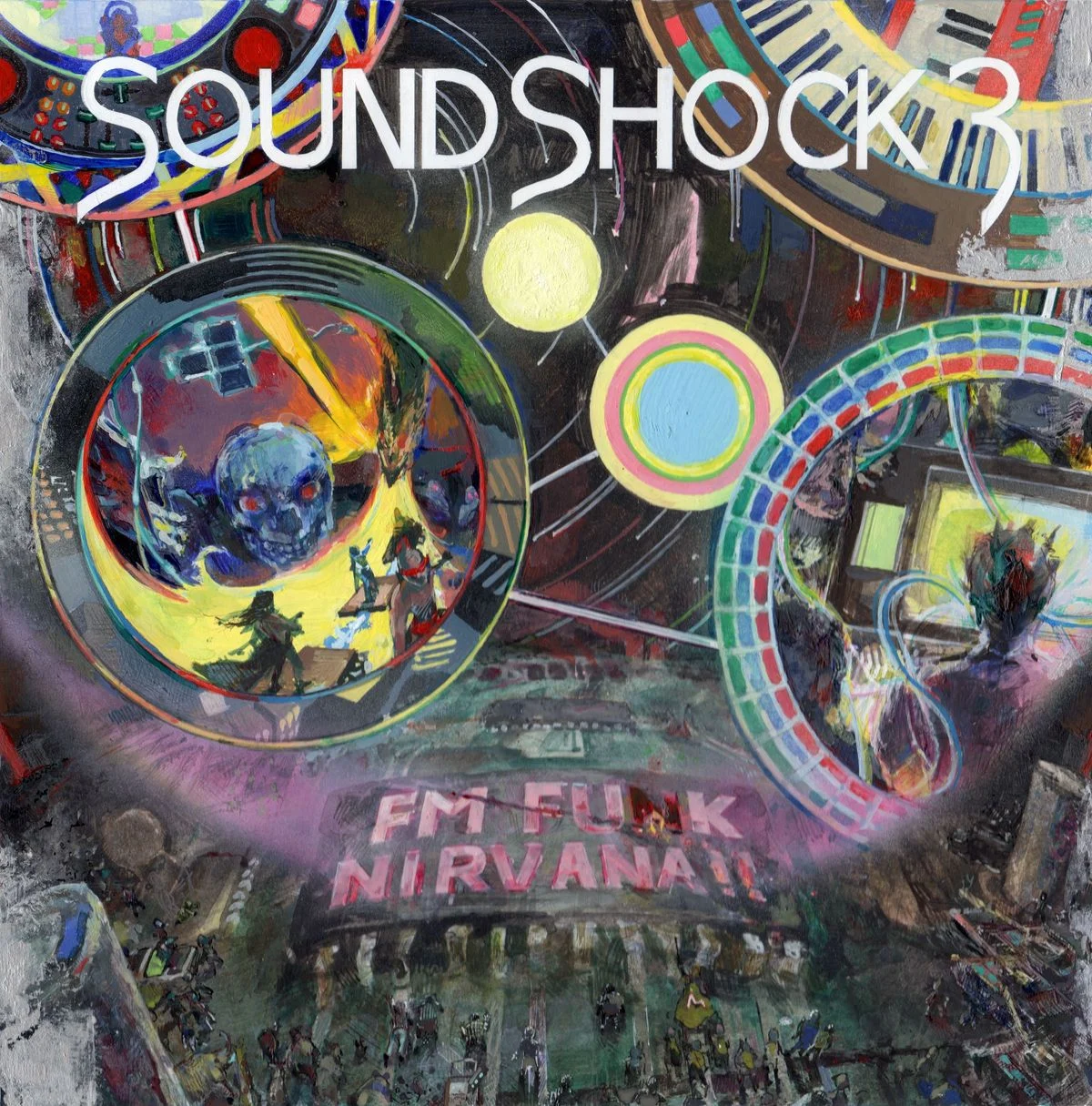
The SOUNDSHOCK series, a cornerstone of the modern chiptune and FM synthesis movement, represents a decade-long effort to bridge the cultural and technical divide between Western computer music traditions and Japanese video game aesthetics. Initiated in 2010 through a collaboration between the creative producer known as zinger and the record label Ubiktune, the project has evolved from a singular compilation into a definitive archive of frequency modulation (FM) artistry. This evolution reflects a broader trend in the digital music landscape: the transition of retro-inspired hardware music from a niche hobbyist pursuit into a recognized genre that informs contemporary electronic production and game development.
The Genesis of a Collaborative Vision
The origins of the SOUNDSHOCK series can be traced to a pivotal interaction in 2010 between zinger and C-jeff, the founder of the Ubiktune label. Ubiktune, which had already established itself as a premier outlet for chiptune and progressive electronic music, initially approached zinger regarding the production of a solo album. However, zinger proposed a more ambitious concept—a curated compilation that would serve as a tribute to the FM synthesis sounds that defined the 16-bit era of video gaming.
This proposal was rooted in a lifelong obsession with the sonic capabilities of the Yamaha sound chips found in hardware such as the Sega Mega Drive (Genesis) and various Japanese home computers. For zinger, the project was not merely about nostalgia but about exploring the "depths of those worlds" to find a sense of inspiration that remained constant despite the rapid advancement of modern audio technology. The resulting series became a platform for exploring, expanding, and cultivating a specific realm of electronic sound that had previously been segmented by geography and language.
Historical Context: The Foundation of FM Synthesis
To understand the significance of SOUNDSHOCK, one must examine the technological landscape that inspired it. In the late 1980s and early 1990s, FM synthesis became the dominant method for generating audio in arcade cabinets and home consoles. Unlike the simpler pulse-wave and noise generators of the 8-bit era (such as those found in the Nintendo Entertainment System), FM synthesis allowed for the creation of complex, metallic, and harmonically rich timbres.
The Yamaha YM2612 chip, used in the Sega Mega Drive, and the YM2151, common in arcades, provided the soundtrack for iconic titles like Golden Axe II and Sonic the Hedgehog. In Japan, the NEC PC-8801 and PC-9801 series of computers utilized similar Yamaha chips (like the YM2203 and YM2608), fostering a unique ecosystem of composers who pushed the hardware to its absolute limits. zinger’s personal history involved an immersion in this culture, collecting obscure Japanese hardware, arcade cabinets, and hardware synthesizers—a pursuit that informed the technical rigor and authentic "feel" of the SOUNDSHOCK series.
Chronology of the Series and the Tracker Scene
The development of SOUNDSHOCK coincided with the maturation of the "tracker" and "demoscene" communities. The demoscene—an international computer art subculture focused on producing self-contained programs that generate real-time audio and visuals—had long utilized trackers (music sequencers that display notes as text and numbers) to compose for limited hardware.
- 2010: The Inception. The first SOUNDSHOCK album was conceived to unite these disparate communities. zinger acted as both a composer and an organizer, leveraging connections within the pouet.net community and the burgeoning online chiptune scene.
- The Growth Period: Following the initial release, the series gained momentum by featuring a mix of established veterans and emerging talents. The focus remained on high-quality FM synthesis, often requiring artists to work within the constraints of actual hardware or highly accurate emulations.
- The Japanese Connection: A critical turning point for the series was the integration of Japanese composers. This was facilitated by figures such as hally (Haruhisa Tanaka), a prominent researcher and musician in the Japanese chip music scene. These connections allowed the series to feature legendary figures alongside Western "trackers."
- 2023 and Beyond: The release of SOUNDSHOCK 3: FM FUNK NIRVANA!! marks the latest milestone in this chronology. This installment emphasizes the "funk" and "groove" aspects of FM synthesis, showcasing the genre’s versatility beyond standard game-style compositions.
Bridging the East-West Cultural Divide
One of the most significant achievements of the SOUNDSHOCK series is its role as a diplomatic bridge between Western and Japanese music cultures. zinger has noted that in the early years of the project, communication with Japanese artists like Ryu Takami and hex125 was often limited by language barriers. However, a shared vocabulary of "name-dropping composers and titles of favorite games" served as a universal language.
This cross-cultural exchange revealed surprising parallels. While Western composers in the demoscene were experimenting with the limits of Commodore 64 and Amiga hardware, Japanese composers like Keishi Yonao were exploring the frontiers of the Sharp X68000 and NEC systems. The SOUNDSHOCK series provided a venue where these two worlds could converge. The inclusion of Japanese artists such as shogun and Utabi on the same tracklists as Western artists like zabutom and Metal demonstrated that the appreciation for FM synthesis was a global phenomenon, transcending regional hardware preferences.
Technical Analysis and Production Standards
The SOUNDSHOCK series is noted for its high production standards, which distinguish it from more casual chiptune compilations. The contributors often utilize authentic FM hardware or specialized software like Bamboo Tracker or DefleMask, which emulate the specific quirks of vintage sound chips.
Supporting data suggests that the resurgence of interest in FM synthesis is not limited to the retro community. The popularity of modern FM synthesizers, such as the Korg Volca FM or the Yamaha Reface DX, indicates a broader market demand for the "glassy" and "aggressive" textures that FM provides. By curating a series that focuses specifically on these textures, zinger and Ubiktune have provided a blueprint for how legacy technology can be utilized to create contemporary art.
The involvement of technical experts like Tsuyoshi Shimokura, Megus, and Rufus Blacklock has ensured that each release maintains a high degree of fidelity. Furthermore, the role of MmcM and other veteran composers highlights the series’ commitment to honoring the history of the medium while pushing it into new rhythmic territories, such as the "funk" focus of the third installment.
Broader Impact and Industry Implications
The success of the SOUNDSHOCK series has several implications for the broader music and gaming industries:
- Preservation of Technique: By encouraging artists to compose within the constraints of 16-bit hardware, the series helps preserve the specialized knowledge required to program FM chips—a skill set that was nearly lost with the advent of CD-quality audio in games.
- Validation of Niche Interests: The series has demonstrated that there is a viable, global audience for niche electronic subgenres. This has paved the way for other boutique labels to pursue similar curation-heavy projects.
- Influence on Modern Soundtracks: The aesthetic of SOUNDSHOCK can be heard in the soundtracks of modern "retro-style" indie games. Developers increasingly seek out composers who can replicate the authentic FM crunch that SOUNDSHOCK helped revitalize.
- Community Building: As zinger remarked, the project has fostered a sense of community among people with similar passions. This networking has led to further collaborations outside the SOUNDSHOCK series, strengthening the global chip music ecosystem.
Conclusion: The Legacy of FM FUNK NIRVANA!!
With the release of SOUNDSHOCK 3: FM FUNK NIRVANA!!, the series reaffirms its position as a vital document of the FM synthesis movement. The project, which began as a childhood fascination with Golden Axe II and Sonic the Hedgehog, has matured into a sophisticated international collaboration. Through the support of C-jeff and the Ubiktune label, and the invaluable introductions provided by hally to the Japanese community, SOUNDSHOCK has successfully brought together disparate worlds.
The series stands as a testament to the enduring appeal of frequency modulation and the power of a shared aesthetic to overcome cultural and linguistic hurdles. As the digital music landscape continues to evolve, the SOUNDSHOCK series remains a definitive reference point for the potential of limited hardware to produce limitless creativity. The bottom-up joy expressed by the organizers and the rigorous output of the composers suggest that the realm of FM synthesis is far from exhausted; rather, it is being continuously rediscovered by a new generation of listeners and creators.