Johny Imanuel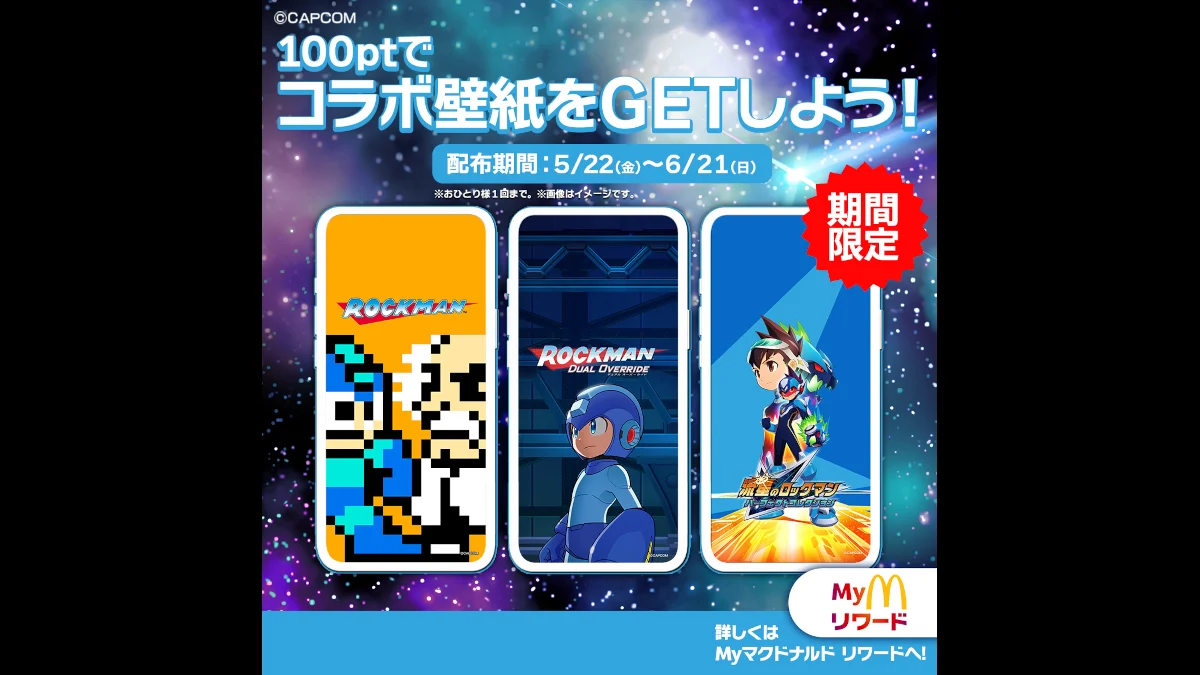
McDonald’s Japan has officially launched a high-profile collaborative campaign with Capcom’s iconic Mega Man franchise, known domestically as Rockman, marking a significant intersection of fast-food retail and retro gaming culture. The promotion, which integrates digital rewards with the chain’s beverage lineup, leverages the enduring popularity of the Blue Bomber to drive engagement through the My McDonald’s Rewards program. Central to the campaign is the promotion of McDonald’s Premium Roast Ice Coffee, utilizing the franchise’s distinct 8-bit aesthetic and viral musical history to capture the attention of both long-time fans and modern mobile users.
Digital Rewards and Mobile Integration
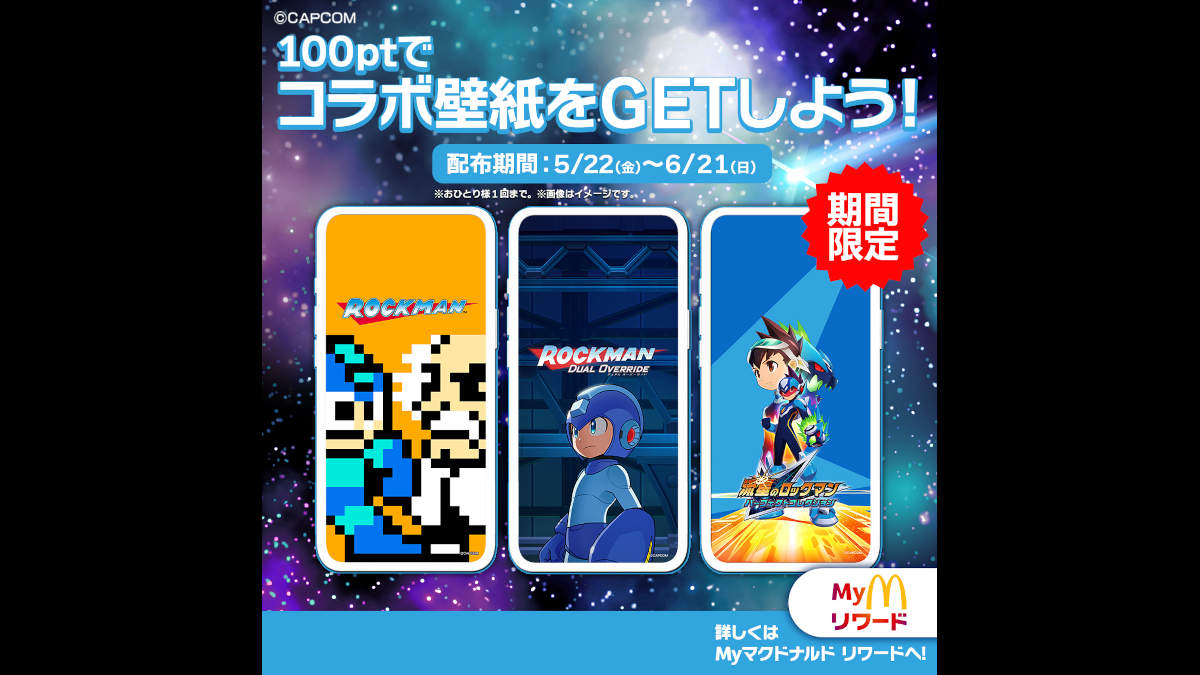
The cornerstone of the collaboration resides within the My McDonald’s Rewards ecosystem, a loyalty platform that has become a staple of McDonald’s digital strategy in the Japanese market. Under the terms of the crossover, customers can redeem 100 loyalty points to acquire a set of three exclusive mobile wallpapers. These digital assets are curated to represent different eras of the franchise’s storied history, appealing to a broad demographic of players.
The first wallpaper utilizes the classic 8-bit sprite work that defined the Nintendo Entertainment System (NES) era, featuring Mega Man and his perennial antagonist, Dr. Wily, alongside the original Japanese Rockman logo. The second wallpaper focuses on the contemporary future of the brand, showcasing key artwork from the upcoming title Mega Man: Dual Override. The third selection highlights the Mega Man Star Force Legacy Collection, featuring the characters Geo Stelar and Omega-Xis, bridging the gap between the classic platforming roots and the handheld RPG spin-offs that gained a cult following in the mid-2000s.
This point-based redemption system is a calculated move to increase daily active users on the McDonald’s Japan app. By pricing the rewards at a relatively accessible 100 points, the campaign encourages frequent, low-cost transactions, such as the purchase of the small-sized Premium Roast Ice Coffee that serves as the face of the promotion.
The Revival of "Can’t Beat Air Man"
In a move that resonates deeply with Japanese internet subculture, McDonald’s Japan has commissioned a "Premium Version" of the famous fan-made song "Can’t Beat Air Man" (Airman ga Taosenai). Originally composed by the musical group Team Nekokan in the mid-2000s, the song became a viral phenomenon on the video-sharing site Nico Nico Douga, lamenting the difficulty of defeating the boss Air Man in Mega Man 2.
The new rendition serves as a rhythmic advertisement for the Premium Roast Ice Coffee. The lyrics and accompanying visuals have been modified to highlight the refreshing nature of the iced beverage, effectively turning a piece of gaming folklore into a corporate marketing tool. While the official promotional video shared on the McDonald’s Japan X (formerly Twitter) account is region-locked to domestic users, the content has seen a wide secondary release on platforms like YouTube, garnering international attention despite the domestic focus of the campaign.
The decision to use "Can’t Beat Air Man" demonstrates a sophisticated understanding of "Otaku" culture and the power of nostalgia. By tapping into a meme that is nearly two decades old, McDonald’s and Capcom are targeting the "salaryman" demographic—individuals who grew up during the height of the Famicom era and now represent a significant portion of the workforce and consumer base in Japan.
Strategic Context: Mega Man in 2026 and 2027
The timing of this collaboration is not incidental. It serves as a vital component of Capcom’s long-term marketing roadmap for the Mega Man intellectual property. Following the successful launch and preservation of the Mega Man Star Force Legacy Collection, which is currently available on Nintendo Switch, PlayStation 4, PlayStation 5, Xbox One, Xbox Series X|S, and PC, Capcom is shifting its focus toward the next mainline entry in the classic series.
Announced during The Game Awards in late 2025, Mega Man: Dual Override is positioned as the 12th installment in the original series. Scheduled for a 2027 release, the game is expected to be a multi-platform blockbuster, supporting current and next-generation hardware including the "Switch 2." The McDonald’s crossover acts as a "soft" marketing touchpoint, keeping the brand visible during the quiet period of the game’s development cycle. For Capcom, these types of collaborations maintain brand equity without the massive overhead of a full-scale global advertising blitz, relying instead on the ubiquity of McDonald’s physical locations across Japan.
The Economics of Fast-Food Crossovers in Japan
Japan has long been a pioneer in the "tie-in" economy, where food service providers partner with entertainment entities to create limited-time offers. McDonald’s Japan, in particular, has a robust history of such partnerships, ranging from Pokémon and Kirby to high-fashion collaborations and anime tie-ins like Spy x Family.
These collaborations solve a primary challenge for fast-food retailers: product commoditization. In a market where coffee and quick-service snacks are available at every convenience store (konbini), exclusive digital content and themed packaging provide a "reason to buy" that transcends the food itself. The "Mega Man" campaign specifically targets the "S-size" (small) coffee, which is often used as a loss leader to get customers into the store, where they are likely to purchase additional high-margin items like fries or seasonal burgers.
Furthermore, the data collected through the My McDonald’s Rewards app during these campaigns provides invaluable insights into consumer behavior. Capcom gains access to a wider audience than traditional gaming channels provide, while McDonald’s benefits from the "halo effect" of being associated with a beloved cultural icon.
Fan Reaction and Cultural Impact
Initial social media sentiment in Japan has been overwhelmingly positive, with fans praising the high-quality remixes and the inclusion of various sub-series like Star Force and the upcoming Dual Override. The "pixel art" aesthetic continues to be a major draw in Japanese graphic design, often perceived as "retro-cool" rather than simply dated.
However, the region-locking of the promotional media has sparked the usual frustrations among the global Mega Man community. The franchise maintains a massive following in North America and Europe, where fans often feel overlooked by Japan-exclusive promotions. Despite this, the global availability of the Legacy Collections and the multi-platform announcement of Dual Override suggest that Capcom remains committed to its international audience, even if specific retail partnerships remain localized.
Chronology of Recent Mega Man Developments
To understand the weight of this crossover, one must look at the recent trajectory of the franchise:
- Late 2023 – Mid 2025: Capcom focuses on "Legacy" preservation, releasing comprehensive collections of the Battle Network and Star Force series, ensuring the titles are playable on modern 4K displays and handhelds.
- December 2025: At The Game Awards, Capcom stuns the industry by revealing Mega Man: Dual Override, the first mainline classic game since 2018’s Mega Man 11.
- May 2026: McDonald’s Japan launches the current crossover, utilizing the Dual Override art to begin the long-lead hype campaign for the 2027 release.
- Future 2027: The anticipated launch of Mega Man: Dual Override, which is expected to integrate new gameplay mechanics while retaining the challenging platforming the series is known for.
Broader Implications for the Gaming Industry
The McDonald’s x Mega Man collaboration is a textbook example of "lifestyle integration" in gaming marketing. As the cost of game development rises, publishers are increasingly looking for non-traditional ways to sustain interest over multi-year development cycles. By embedding the IP into the daily routine of consumers—such as a morning coffee run—Capcom ensures that Mega Man remains a "living" brand rather than a dormant relic.
For the broader industry, this suggests a move away from isolated marketing beats (like trailers) toward continuous engagement models. The use of digital rewards like wallpapers and viral music videos indicates a shift toward "snackable" content that fits into the social media habits of the modern consumer.
As the campaign continues through the summer of 2026, it is expected to drive significant foot traffic to McDonald’s locations across Japan. For Capcom, the success of this tie-in will likely serve as a blueprint for future promotions leading up to the 2027 launch of Mega Man: Dual Override. While the coffee might be cold, the momentum for the Blue Bomber is clearly heating up, proving that even after nearly forty years, the franchise still has the power to influence both the digital and physical marketplaces.