Johny Imanuel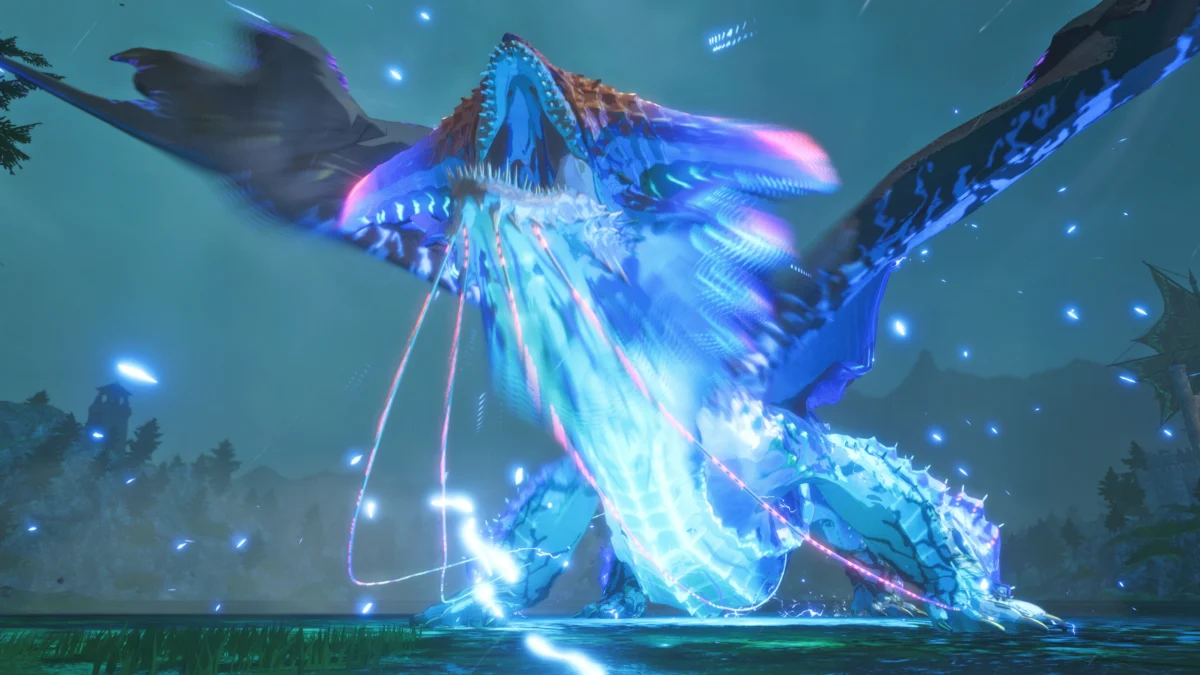
The release of Monster Hunter Stories 3: Twisted Reflection on next-generation platforms has marked a significant departure for the spin-off series, not only in its narrative complexity but also in its auditory landscape. Following the global availability of the game’s original soundtrack on streaming services and digital storefronts such as Steam, Lead Composer Yuko Miyata and Composer Kodai Ikeda have provided detailed insights into the creative process behind the score. This latest installment represents a calculated shift in the franchise’s identity, moving away from the more whimsical tones of its predecessors toward a sophisticated, mature soundscape designed to resonate with an older demographic.
A New Direction in Franchise Sound Design
Since the inception of the Monster Hunter Stories sub-series on the Nintendo 3DS, the franchise has been characterized by its vibrant, accessible approach to the Monster Hunter universe. However, the development of Twisted Reflection necessitated a fundamental re-evaluation of its musical DNA. According to Lead Composer Yuko Miyata, the team adopted a strict "85/15" rule for the third entry. This formula allocated 85% of the score to complete evolution and new compositions, while reserving only 15% for continuity with previous titles.
This shift is a direct response to the aging up of the series’ core audience. While Monster Hunter Stories 1 and 2 targeted a broader, often younger demographic, Twisted Reflection is positioned as a mature JRPG experience. Miyata noted that while the team ensured the inclusion of nostalgic motifs at key emotional beats—allowing long-time fans to experience moments of recognition—the primary goal was to create a "catchy yet sophisticated" atmosphere that reflects the higher stakes of the new narrative.
The soundtrack, which is now being distributed via Steam and major global streaming platforms, serves as a bridge between the traditional Monster Hunter orchestral power and the melodic intimacy required for a story-driven role-playing game. The data surrounding the soundtrack’s release suggests a high demand for high-fidelity audio, with the Steam version offering lossless formats to cater to audiophiles and dedicated series followers.
Regional Identity and Instrumental Symbolism
A cornerstone of the Monster Hunter series is its diverse ecosystem, and Twisted Reflection expands this by introducing locations with varying degrees of technological and cultural advancement. The scoring of these areas required a bespoke approach to instrumentation to ensure each region felt distinct yet part of a cohesive world.
One of the primary examples provided by the composition team is the region of Azuria. Described as a fertile highland area, the music for Azuria was crafted with a distinct Irish influence. The use of traditional folk structures and tubular bells was intentional, designed to evoke the crisp air and rugged beauty of mountain landscapes. This regional specificity extends beyond exploration themes into the various layers of battle music and hub themes.
Miyata explained that the team categorized the music into several tiers:
- Small-scale Battle Themes: Designed to feel adventurous and light, facilitating a sense of progress without overwhelming the player.
- Large-scale Battle Themes: These tracks utilize heavier percussion and more complex orchestral arrangements to signal high-risk encounters.
- Invasive Monster Themes: Reserved for the game’s most difficult encounters, these tracks blend orchestral elements with modern synthesizers to create a sense of urgency and "final-boss-level" intensity.
By maintaining a consistent "texture" across these various categories, the composers were able to prevent the soundtrack from feeling disjointed, despite the wide variety of instruments used to represent different geographical locales.
Character-Driven Narratives and Side Story Scoring
Twisted Reflection introduces a "Side Stories" feature, a gameplay mechanic that allows players to explore the backstories of their companions. This narrative focus required a shift from environmental scoring to character-specific themes. While previous games featured rudimentary themes for characters like Navirou, the third installment treats character motifs as essential narrative tools.
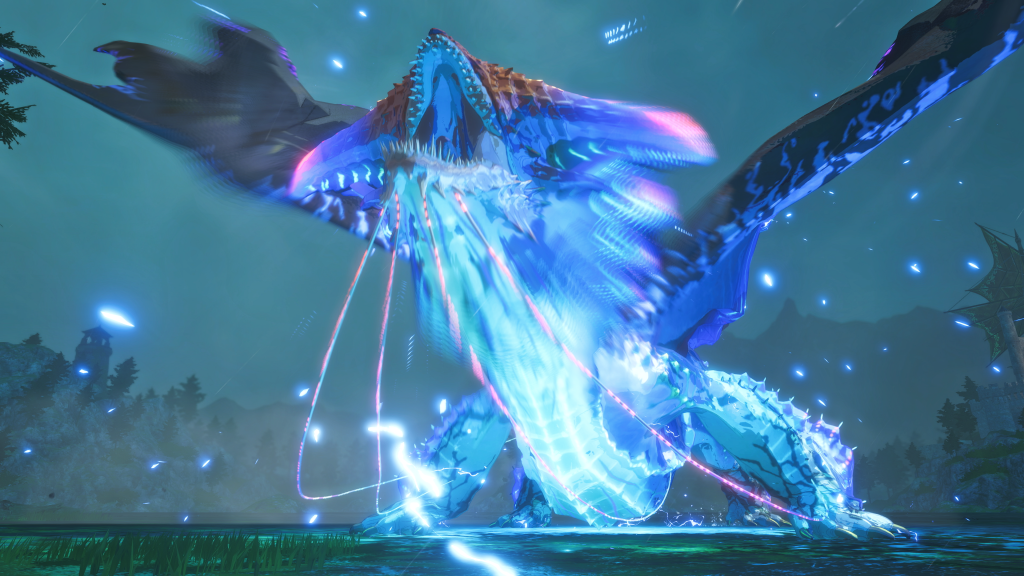
Miyata and her team conducted extensive research into character background materials and scripts to identify the core personality traits of each ally. Characters such as Amara and Corbin received dedicated motifs that appear not only in their specific side stories but are also woven into the main story’s cutscenes and dialogue tracks. This leitmotif approach ensures that the player develops a psychological connection with the cast through sound.
Furthermore, the "Theme of Bonds with Companions" serves as a recurring musical thread that evolves as the player’s relationships deepen. This level of thematic integration is more commonly associated with prestige JRPGs, further illustrating Capcom’s intent to elevate the Stories brand to the level of its mainline counterparts.
Integrating Legacy Monsters with Modern Technology
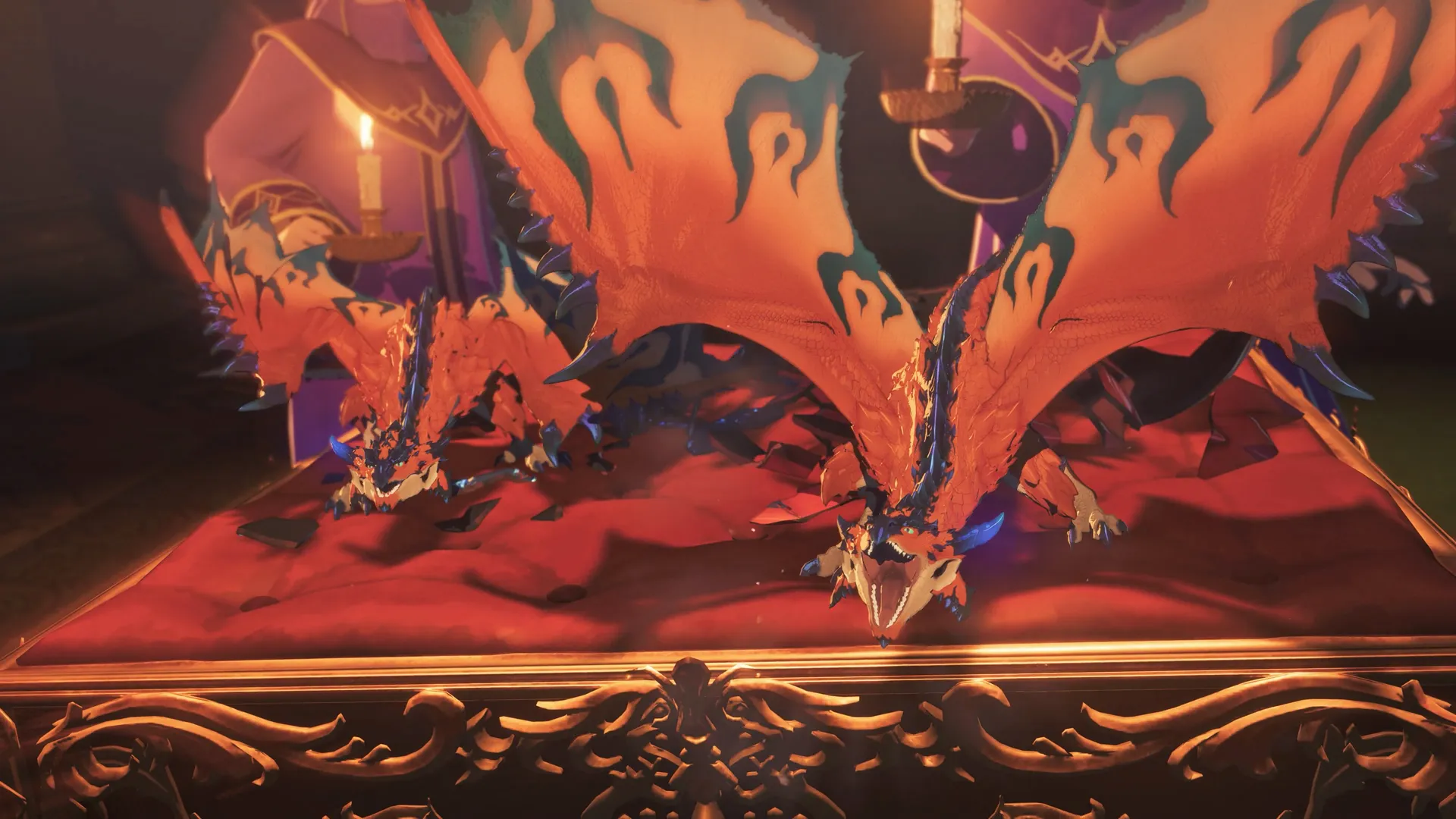
A significant challenge for the audio team was the integration of iconic monsters from across twenty years of Monster Hunter history. Twisted Reflection features creatures from Monster Hunter 2 (Dos), Monster Hunter: World, Monster Hunter Rise: Sunbreak, and the most recent Monster Hunter Wilds.
For many of these monsters, simply porting their original themes was insufficient. Miyata emphasized the need to rework these tracks to match the visual fidelity of the Switch 2 and PC versions of the game. However, certain monsters required a more radical approach:
- Honed Glavenus: As a genetically modified creature within the game’s lore, its theme was infused with heavy synthesizers and "noisy" electronic elements, distancing it from the traditional organic sound of the original Glavenus theme.
- Narwa and Ibushi: In Monster Hunter Rise, these monsters are typically fought in sequence. In Twisted Reflection, they are encountered simultaneously. To reflect this, the team composed a brand-new track that selects distinctive phrases from both original themes and weaves them into a singular, cohesive battle anthem.
- Elder Dragons: Calamitous Elder Dragons received themes that emphasize their world-ending threat level, utilizing full choral arrangements and high-dynamic-range recording techniques.
Technical Innovation: The "Reverse" Concept and Quadro Mode
Composer Kodai Ikeda provided insight into the more technical and experimental aspects of the soundtrack, particularly concerning "Feral Monsters." These creatures, corrupted by blightstones, feature a unique gameplay mechanic where attacking specific parts triggers a counterattack.
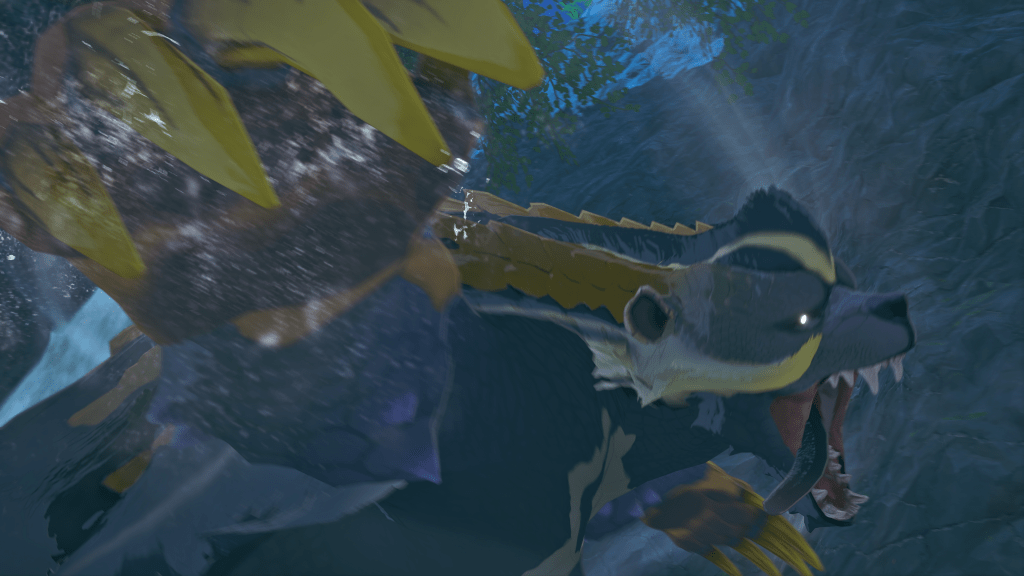
To mirror this mechanic musically, the team adopted the concept of "Reverse." This involved the extensive use of reversed audio samples and backmasked synth sounds. The primary instrument associated with the blightstones is the piano, which provides a cold, crystalline texture to the corruption themes.
In a move to utilize the hardware capabilities of modern consoles, the team implemented a "Quadro mode" for the audio. When played in this four-channel setup, the reversed sounds in feral monster battles pan dynamically between the front and rear speakers. This creates a disorienting, immersive effect that Ikeda describes as a "special charm" unique to this installment. This focus on spatial audio demonstrates a commitment to technical excellence that aligns with the broader industry trend toward immersive sound design.
Chronology of the Monster Hunter Stories Musical Evolution
The journey to the sound of Twisted Reflection can be traced through the franchise’s decade-long history:
- 2016 (Monster Hunter Stories): The original score was light, orchestral, and designed for the limited speakers of the 3DS, focusing on upbeat adventure.
- 2021 (Monster Hunter Stories 2: Wings of Ruin): The music became more cinematic, reflecting the transition to the Nintendo Switch and higher production values. It began to incorporate more themes from the mainline series.
- Present (Monster Hunter Stories 3: Twisted Reflection): The "Evolution over Continuity" phase. The introduction of electronic elements, spatial audio, and a mature tonal shift marks the current era of the series.
Market Implications and Official Reception
The decision to release the soundtrack globally on Steam and streaming platforms is a strategic move by Capcom to capitalize on the growing market for video game music. As of late 2024, game soundtracks have become a significant revenue stream and a tool for community engagement. By providing high-quality, accessible versions of the score, Capcom is reinforcing the brand identity of Monster Hunter Stories as a premium JRPG experience.
Early reactions from the gaming community and critics have praised the soundtrack for its ability to balance the "epic" feel of Monster Hunter with the emotional nuance required for a character-driven story. Industry analysts suggest that the "85/15" approach may become a blueprint for other long-running spin-off series looking to modernize their image without alienating their core fanbase.
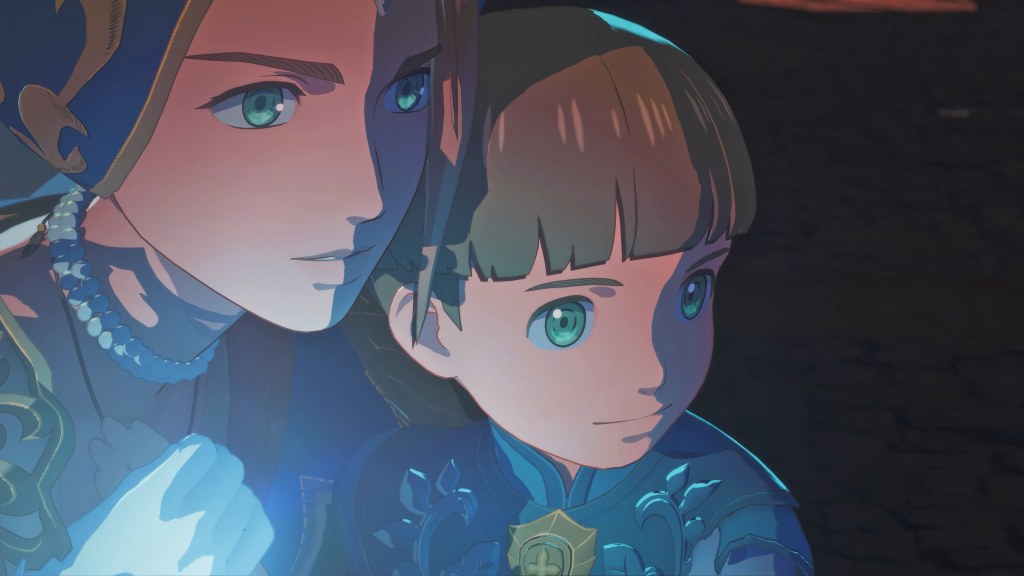
The inclusion of themes from Monster Hunter Wilds also suggests a high level of cross-departmental collaboration within Capcom, ensuring that the Monster Hunter "mega-brand" remains musically consistent even as individual games experiment with different genres and tones.
Broader Impact on the JRPG Landscape
Monster Hunter Stories 3: Twisted Reflection stands as a testament to the evolving nature of the JRPG genre. By prioritizing a mature soundtrack and complex audio engineering, Capcom is signaling that the "Stories" sub-series is no longer a secondary project, but a flagship title in its own right.
The insights provided by Yuko Miyata and Kodai Ikeda reveal a meticulous attention to detail that extends from the choice of a single Irish bell to the complex panning of reversed synth tracks. As the game continues its lifecycle on the Switch 2, PS5, and PC, its soundtrack will likely remain a focal point of discussion for fans and musicologists alike, representing a bold step forward for one of gaming’s most storied franchises.