Cecilia Chamidah Nur
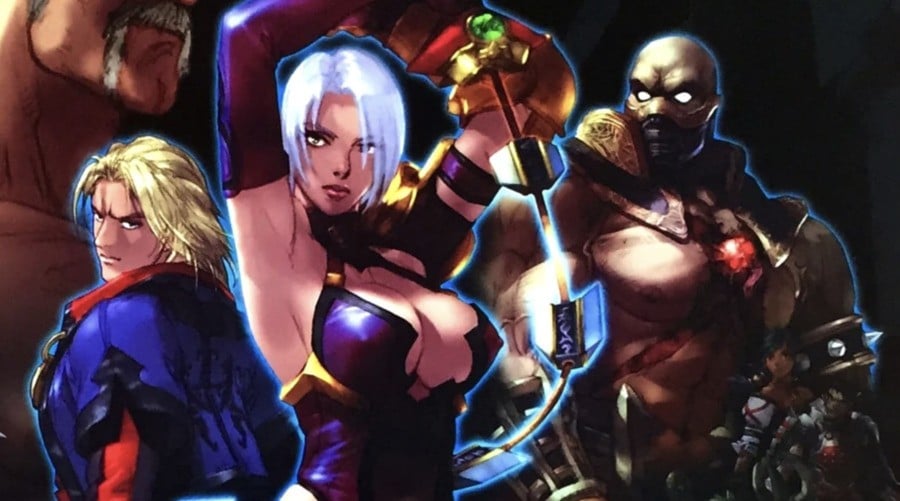
A significant breakthrough in video game preservation and emulation has been announced by Matías Israelson, a key developer behind PCSX2x6, a distinct fork of the popular PlayStation 2 (PS2) emulator PCSX2. Soon, enthusiasts will be able to experience SoulCalibur II‘s ‘Conquest Mode,’ a feature previously confined to the arcade environment, within their own homes. This development marks the first time this specific arcade mode will be publicly accessible outside of its original real arcade hardware, offering a new layer of historical accuracy and playability for one of the fighting genre’s most revered titles.
The Unveiling of Conquest Mode’s Home Debut
The announcement, made by Israelson, confirms that the inaugural public alpha build of PCSX2x6 will facilitate access to this long-elusive mode. For years, the ‘Conquest Mode’ remained a tantalizing enigma for fans of SoulCalibur II who primarily experienced the game through its console ports. While the PlayStation 2, GameCube, and Xbox versions offered robust single-player content, they never fully replicated the unique progression system and strategic elements found in the arcade original. The impending release of PCSX2x6’s alpha build represents a monumental achievement for the emulation community, bridging a gap between arcade authenticity and home accessibility that has persisted for over two decades.
Matías Israelson, whose work has been central to this initiative, indicated that precise instructions for preparing the necessary digital images of the "conquest memory card" will be made available on the day of the release. This detail underscores the technical precision required for this emulation, mirroring the original arcade setup where a dedicated memory card facilitated the mode’s persistent data and progression tracking. The intricate connection between the arcade hardware, the Namco System 246, and the retail PS2 memory card is a testament to the sophisticated engineering of the era and the meticulous reverse-engineering efforts undertaken by developers like Israelson.
Diving into Conquest Mode: A Unique Arcade Experience

For those unfamiliar with its intricacies, SoulCalibur II‘s ‘Conquest Mode’ offered a distinctive take on the traditional fighting game single-player experience. According to the comprehensive SoulCalibur II Wiki, the mode allowed players to "select one army among four." This choice was not merely cosmetic; it set the stage for a strategic campaign where players engaged in "a series of eight 1-round battles, win or lose." The mode’s depth extended beyond simple victories, incorporating a robust progression system. After each round, players would earn Experience Points (EXP) and could be promoted, reflecting their growing prowess.
Furthermore, the game meticulously rated players across four distinct categories: Soul, Power, Wisdom, and Skill. This multi-faceted evaluation encouraged players to diversify their combat approach and master various aspects of their chosen character. The ‘Conquest Mode’ also kept track of which moves the player knew and used most often, adding a layer of adaptive challenge and personal character development. Following the eight core battles, "territory control is updated," simulating a broader conflict influenced by the player’s performance. As a final flourish, players were given "the option to fight a bonus round against their character played by the AI," providing an additional test of skill and an opportunity to further refine their tactics. This detailed, persistent mode offered a depth of engagement rarely seen in arcade fighting games, making its absence from console versions a point of historical curiosity and a long-standing desire for dedicated fans.
Technical Underpinnings: PS2 and Namco System 246 Synergy
The feasibility of bringing ‘Conquest Mode’ to home emulation lies in the inherent architectural similarities between the PlayStation 2 console and the Namco System 246 arcade board. Developed by Namco, the System 246 was an arcade system board that utilized many components identical or highly similar to those found in Sony’s PlayStation 2. This design choice allowed developers to port games from arcade to console with relative ease, leveraging existing development tools and expertise. Key components like the Emotion Engine CPU, Graphics Synthesizer GPU, and the memory architecture were shared, creating a powerful synergy between the arcade and home platforms.
Crucially, the ‘Conquest Mode’ functionality was facilitated by a retail PS2 memory card, formatted specifically for the mode. In the arcade setting, this memory card would store the player’s progress, army selection, accumulated EXP, and other persistent data, enabling a continuous, evolving experience across multiple play sessions. This bespoke memory card interaction posed a unique challenge for emulation, as it required not just running the game ROM but also accurately simulating the specific memory card formatting and data interaction that differed from standard PS2 retail game saves. Israelson’s work on PCSX2x6 has evidently overcome these hurdles, meticulously recreating the environment necessary for the ‘conquest memory card’ to function as intended, thus unlocking the mode’s full potential for emulation.
The PCSX2 Ecosystem and the Genesis of a Fork
PCSX2 has long stood as the gold standard for PlayStation 2 emulation, a testament to years of collaborative, open-source development. Launched in 2002, PCSX2 has steadily evolved to achieve remarkable compatibility, allowing countless PS2 titles to be played on modern hardware with enhancements often surpassing the original console experience. Its success is built upon the contributions of numerous developers and a dedicated community.
However, the path to perfect emulation is often fraught with technical complexities and, at times, interpersonal dynamics. Matías Israelson openly addressed the decision to develop PCSX2x6 as a fork rather than attempting to integrate the ‘Conquest Mode’ specific changes into the main PCSX2 codebase. He cited two primary reasons for this divergence. The first is technical: "Arcade PS2 has a repurposed DEV9 interface, they won’t like that change, and it’s technically hard (or not worth the hassle) to have that coexist with retail DEV9." The DEV9 interface on the PS2 is primarily responsible for network and hard drive connectivity. In the arcade System 246, this interface was likely adapted for specific arcade peripheral communication or data storage needs that differ significantly from its retail console counterpart. Integrating these distinct DEV9 implementations into a single emulator codebase presents considerable challenges, potentially introducing instability or conflicts with the retail PS2 games PCSX2 is designed to emulate. Maintaining separate codebases, while requiring more independent development, avoids these integration headaches.
The second reason articulated by Israelson speaks to a more personal dimension: "They (PCSX2 devs) hate me, and I don’t want anything to do with some of them." While the specifics of these interpersonal conflicts are not detailed, such dynamics are not uncommon in large, volunteer-driven open-source projects where strong opinions and differing development philosophies can lead to friction. The decision to fork the project, therefore, allows Israelson to pursue specialized emulation goals for arcade-specific hardware without being constrained by the core PCSX2 project’s development roadmap or internal politics. This approach, while creating a separate branch, ultimately serves the goal of preservation by enabling unique functionalities that might otherwise be overlooked or deemed too niche for the main project.
A Legacy of Blades: SoulCalibur II’s Enduring Appeal
SoulCalibur II, released in arcades in 2002 and on home consoles in 2003, holds an almost mythical status among fighting game enthusiasts. It built upon the critically acclaimed foundation of its predecessor, SoulCalibur, refining its 3D weapon-based combat system, introducing new characters, and enhancing its stunning visuals. The game was celebrated for its fluid animation, deep combat mechanics, and accessible yet challenging gameplay, making it a staple in competitive fighting game circuits for years.
A significant aspect of SoulCalibur II‘s console release was its platform-exclusive guest characters: Link for the GameCube, Heihachi Mishima for the PlayStation 2, and Spawn for the Xbox. These inclusions sparked fierce debates among fans and arguably drove console sales, each character bringing a unique fighting style and lore to the SoulCalibur universe. However, despite the popularity and distinct offerings of these console versions, the allure of the arcade original persisted. Arcade machines, with their dedicated hardware and unique operational modes like ‘Conquest Mode,’ represented the purest, uncompromised vision of the game as intended by its creators, Namco. Accessing these machines became increasingly difficult over time as arcades declined, making the prospect of accurately emulating such exclusive content highly coveted by dedicated fans and preservationists alike. The ability to now access ‘Conquest Mode’ at home not only completes the SoulCalibur II experience for many but also offers a glimpse into a bygone era of arcade gaming where unique modes and progression systems encouraged repeat play and fostered a dedicated local community.

The Broader Implications for Game Preservation and Emulation
This development with PCSX2x6 and SoulCalibur II‘s ‘Conquest Mode’ carries significant implications for the broader field of video game preservation. As physical arcade machines become rarer and more prone to hardware degradation, accurate software emulation stands as a vital pillar for ensuring these cultural artifacts remain accessible for future generations. The unlocking of ‘Conquest Mode’ demonstrates the depth of detail that modern emulation can achieve, moving beyond merely running games to accurately replicating the nuances of their original operational environments.
The effort highlights the crucial role of community-driven development in preservation. While major studios and museums engage in preservation efforts, a vast amount of reverse engineering, data archival, and software development is performed by passionate individuals and independent groups. Their dedication often fills gaps left by official channels, ensuring that obscure features, unique hardware interactions, and lost modes are not forgotten. This specific achievement underscores the value of open-source collaboration (even when it leads to forks) in tackling complex emulation challenges that might not be prioritized by mainstream development.
Furthermore, this breakthrough could set a precedent or inspire similar efforts for other arcade-to-console ports that featured unique arcade modes or hardware interactions. Many classic titles had subtle differences between their arcade and home releases, often due to technical limitations or design choices. The success with SoulCalibur II‘s ‘Conquest Mode’ could motivate developers to investigate and unlock other such hidden or inaccessible content, thereby enriching the historical record of video gaming and expanding the playable library of accurately preserved titles. The technical hurdles overcome in recreating the ‘conquest memory card’ functionality could also inform strategies for emulating other niche hardware peripherals or data storage solutions unique to arcade systems.
Community Reaction and Future Outlook
The announcement has already begun to generate considerable excitement within the SoulCalibur community and the wider emulation enthusiast base. Fans who have long cherished SoulCalibur II now have the opportunity to experience a previously inaccessible part of its history. This renewed interest could spark new discussions, strategy guides, and competitive play focused on ‘Conquest Mode,’ breathing fresh life into a classic title. The anticipation for the alpha build’s release and the subsequent detailed instructions for memory card preparation is palpable, indicating a strong desire within the community for this level of historical accuracy and completeness.

Looking ahead, this development reinforces the dynamic and ever-evolving nature of emulation technology. As hardware capabilities advance and reverse-engineering techniques become more sophisticated, the boundaries of what can be accurately emulated continue to expand. The existence of specialized forks like PCSX2x6 demonstrates a healthy ecosystem where different development paths can coexist, each addressing specific challenges and catering to distinct user needs. While the interpersonal friction mentioned by Israelson highlights the human element inherent in collaborative projects, the ultimate outcome is a net positive for the gaming community: increased access to historical content.
The continued efforts of developers like Matías Israelson are instrumental in ensuring that the rich tapestry of video game history, including its most intricate and previously hidden threads, remains vibrant and accessible. As the lines between original hardware and high-fidelity emulation blur further, the commitment to preserving every facet of gaming’s past ensures that "the soul still burns" for enthusiasts old and new.