Ganda Hendra Perkasa
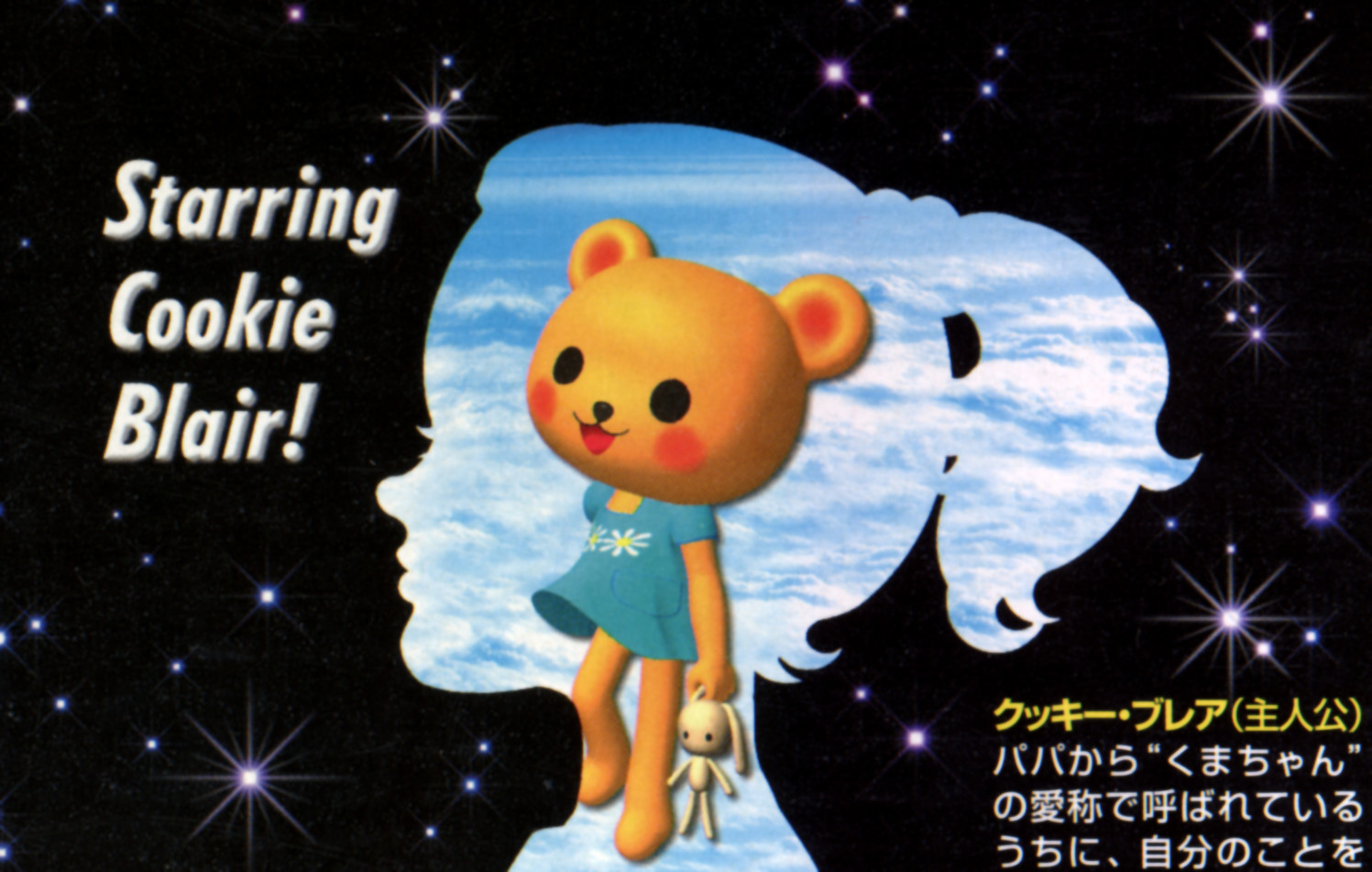
The obscure 1999 computer game, Cookie’s Bustle, developed by Japanese entity RODIK, Inc., has become the unlikely epicenter of a significant battle over digital preservation and intellectual property rights. For years, the game has maintained a niche reputation due to its peculiar and genre-bending narrative, which defies simple categorization. Players step into the shoes of a five-year-old girl from New Jersey whose participation in an international sports competition rapidly devolves into a complex web of civil war and intergalactic intrigue. This unique and artistically distinctive title was recently brought to the attention of the Video Game History Foundation (VGHF) when multimedia researcher Misty De Méo donated a rare physical copy.
The VGHF, dedicated to preserving the history of video games, recognized the cultural significance of Cookie’s Bustle. However, with the game out of print for nearly three decades and its ownership status unclear, accessing and documenting it presented challenges. To address this, the VGHF meticulously documented the game’s packaging and physical materials, making them available in their digital archive for research purposes. While direct access to the game itself remains restricted due to copyright limitations, the VGHF has also provided a video demonstrating the gameplay, recorded by community member sebmal, offering valuable insights for researchers.
The Rise of Graceware and a Pattern of Disruption
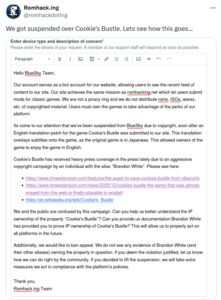
The VGHF’s efforts to preserve Cookie’s Bustle were met with a barrage of Digital Millennium Copyright Act (DMCA) takedown notices, orchestrated by an individual operating under the name Brandon White, or through the corporate entity Graceware, SL. Since 2022, a growing number of websites and individual creators have reported receiving what appear to be frivolous takedown requests on behalf of Graceware. These requests have targeted a wide array of content, from "Let’s Play" videos and fan art to mere mentions of the game’s title.
Graceware’s aggressive campaign against the VGHF, while disruptive, prompted a deeper investigation into the validity of their claims. The VGHF, in consultation with their legal counsel, Albert Sellars LLP, found no concrete proof that Brandon White or Graceware, SL, legally owns the intellectual property rights to Cookie’s Bustle. Despite repeated assertions of ownership and licensing, White and Graceware have consistently failed to produce legally meaningful evidence to substantiate their claims.
The Enigmatic Origins of Graceware, SL
Cookie’s Bustle was originally published in 1999 by RODIK, Inc., with copyright attributed to the company and registered solely in Japan. To the best of current knowledge, the game has remained out of print since its initial release. The status of RODIK, Inc., and the ownership of its intellectual property rights are presently unclear, leading to the strong likelihood that Cookie’s Bustle is an "orphan work"—a copyrighted work whose owner is either unknown or cannot be located.
This ambiguity appears to have been exploited by Brandon White, who began asserting claims over the intellectual property rights associated with Cookie’s Bustle around 2021. His actions included filing for copyright ownership and trademark registrations, sometimes under his personal name and at other times through Graceware, SL. While no explicit link between White and Graceware is officially declared, takedown notices issued on behalf of Graceware consistently identify Brandon White as the copyright owner.
The identity and location of Brandon White remain largely unknown. While some documents suggest a Japanese base, Graceware, SL’s business information points to a dubious address in Andorra. Graceware itself possesses no discernible online or offline presence, and there is no record of it ever providing products or services. This strongly suggests that Graceware functions as a shell company for Brandon White. The VGHF expresses skepticism that RODIK, Inc., a studio primarily known for fortune-telling software, would sell its catalog to an anonymous holding company operating from Europe. However, if such an acquisition did occur, White should be able to provide verifiable documentation of his ownership.
The False Promise of INTEROCO "Copyright Registrations"
A cornerstone of Graceware’s takedown notices has been a series of "registrations" filed by Brandon White through INTEROCO—"Copyright Office" in 2021. These filings claim ownership over various aspects of Cookie’s Bustle, including its source code, game concept, and character designs.
However, INTEROCO is not a governmental copyright office but a private German company that operates as a "full-automated electronic depository." As the VGHF’s investigation revealed, INTEROCO functions akin to a digital version of mailing a letter to oneself for a postmark, a comparison explicitly made by the company itself. While INTEROCO could theoretically serve to prove the date of publication for a work, depositing a copy of an already published and copyrighted work does not equate to ownership. The VGHF demonstrated this by attempting to register their own copyrighted works with INTEROCO, encountering a process that appeared to allow for unverified submissions and later connected them to a third party in Dubai demanding exorbitant fees for registration, raising significant doubts about the platform’s integrity.
The "copyright certificates" issued by INTEROCO are not legally binding and do not confer any actual ownership rights. While White’s deposits may contain unique art assets or source code, possession of such materials does not prove copyright ownership. For example, possessing development assets for a game does not grant ownership of the game’s copyright.
Trademark Applications: A Misleading Ploy
Graceware, SL has also filed trademark applications in the United States for the name "Cookie’s Bustle" across various product categories, including computer games, apparel, and merchandise. While not explicitly cited in DMCA notices as proof of ownership, these applications have surfaced in discussions surrounding the game’s rights.
Crucially, these trademark applications were filed under an "intent to use" basis. This means the mark is not yet actively in use in commerce, and the U.S. Patent and Trademark Office considers such applications "pending," not "registered." Until the trademark is genuinely used for the specified goods or services, the application serves merely as a placeholder, granting an earlier date of first use but no actual rights. Graceware has repeatedly extended its deadline to prove usage, and to the VGHF’s knowledge, has not begun producing any products bearing the "Cookie’s Bustle" mark.
Furthermore, trademark registrations have no bearing on copyright ownership. The original trademark for "Cookie’s Bustle" by RODIK, Inc. expired in 2001. Graceware’s subsequent application in 2022 does not grant them ownership of the game’s copyright. This is akin to a homebrew developer acquiring the trademark for a defunct publishing brand; it allows them to use the name but does not confer ownership of the original intellectual property.
Exploiting DMCA Processes Through Nuisance Takedowns
Brandon White’s strategy appears to involve leveraging low-cost, easily abusable legal resources to issue bulk DMCA takedown requests. Graceware’s takedown notices are typically filed through Ukie, the Association for UK Interactive Entertainment, a prominent trade organization offering services to its members, including free takedown requests for copyrighted material.
Ukie’s IP coordinator, Mumith (Mo) Ali, and his IP management company, Web Capio (now operating as Obviously), are reportedly the originators of these takedowns. The barrier to entry for Ukie membership and its associated legal services is relatively low, potentially allowing entities like Graceware to leverage these resources with minimal oversight. Graceware’s membership listing with Ukie is notably misspelled, and its associated website is defunct, adding to the suspicion surrounding its legitimacy.
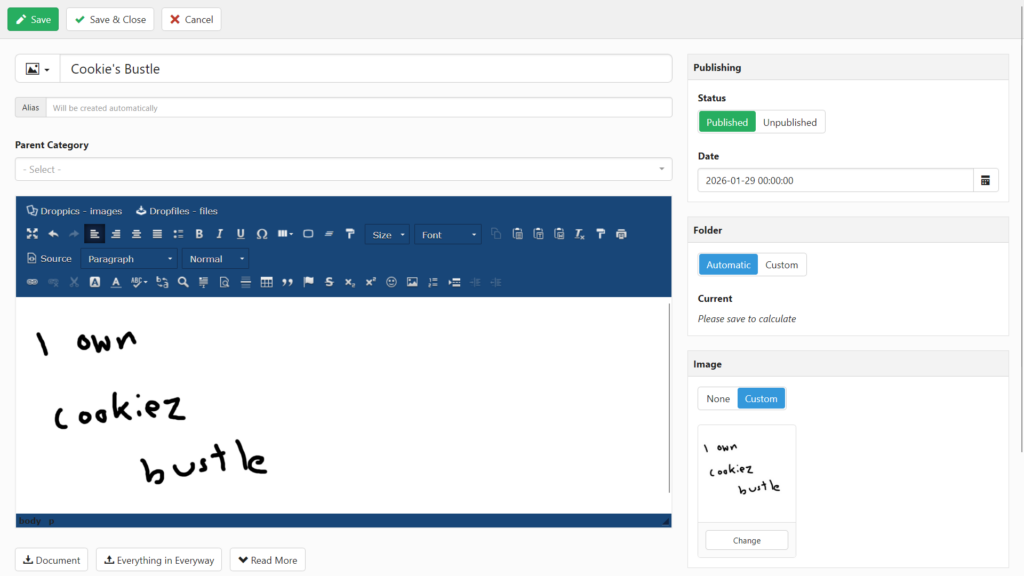
A significant concern highlighted by the VGHF is Web Capio’s advertisement of "automated takedown notices" that do not require human verification. This automated system allows for the rapid, large-scale dispatch of takedown requests, often without a thorough review of their validity. This practice has been linked to numerous spurious takedowns, including attempts to remove content for using common words or phrases that might be tangentially related to copyrighted material.
Legal Weaknesses and Circumvention Tactics
The DMCA’s Section 512, which governs online copyright infringement, obligates platforms to remove user-submitted content upon receiving a takedown notice to avoid potential liability. This system, while intended to protect copyright holders, can be exploited by bad actors who understand that large platforms are often compelled to comply automatically due to the sheer volume of requests they receive.
Web Capio’s process appears to capitalize on this by targeting not the actual websites hosting content but their underlying web hosts and service providers. In the VGHF’s case, a DMCA notice was sent to Vercel, their web host, rather than directly to the VGHF or its archive manager. This tactic bypasses the entity with direct knowledge and context to dispute an inappropriate complaint, increasing the likelihood of automatic compliance. Fortunately, Vercel addressed the VGHF’s concerns and did not remove any material.
The Unproven Claims of Brandon White
When directly approached for substantiation, Brandon White, through his representative Mumith Ali, consistently pointed to the INTEROCO "registrations" as proof of ownership. When pressed by the VGHF’s counsel for clarification on the relationship between these filings and the original 1999 publication, Graceware failed to provide a response. This refusal to produce evidence, when faced with a direct legal inquiry, strongly suggests a lack of good faith in their claims.

A Resolution, Albeit Temporary
Following the VGHF’s presentation of their findings to Ukie CEO Nick Poole, and subsequent discussions involving Mumith Ali, Ukie confirmed that they have suspended DMCA takedown services for Graceware, SL. This action effectively halts Graceware’s ability to issue widespread, automated takedowns for Cookie’s Bustle through Ukie’s channels.
Implications for Digital Preservation and Fair Use
The suspension of Graceware’s takedown services represents a significant victory for the gaming community and digital preservation efforts. While the true owner of Cookie’s Bustle remains unknown, classifying it as an orphan work, the game’s copyright protection still stands. However, the immediate impact is that fair uses of the game—including gameplay clips, streams, commentary, fan works, and educational content—should now be free from automated takedown interference. Re-uploads and future streams of Cookie’s Bustle are expected to proceed without the previous disruptions.
Despite this practical resolution, underlying issues persist. The INTEROCO platform continues to offer misleading information, and automated takedown systems like Web Capio’s remain susceptible to abuse. Web Capio has reportedly implemented measures to escalate counterclaims, which may offer some recourse for users facing similar situations.
An update to the article noted that Ukie had resumed sending takedowns for Cookie’s Bustle, though they did not provide evidence to dispute the VGHF’s findings or address concerns about fair use and takedown verification. The VGHF maintains that users have the right to dispute inappropriate DMCA notices and that Graceware is unlikely to successfully counter such disputes.

Future Prospects and Player Rights
While Graceware can no longer utilize Ukie’s services, they may seek alternative representatives for takedown requests or attempt to file them independently, citing their unverified INTEROCO claims. Any future DMCA notices issued by Graceware or its representatives would be expected to adhere to legal obligations, including verification of claims and consideration of fair use. Graceware’s pending U.S. trademark applications for "Cookie’s Bustle" are unlikely to be approved soon and do not confer copyright ownership.
The VGHF encourages users to understand their rights when faced with DMCA notices. This includes responding with counter-notifications, citing fair use, and challenging the validity of claims. The VGHF’s detailed account of Graceware’s actions serves as a resource for debunking spurious claims and combating copyright trolling.
A Broader Fight for Video Game History
The VGHF’s commitment to defending Cookie’s Bustle extends beyond a single obscure game. With an estimated half of video game and software titles released before 1995 now considered orphan works due to poor ownership documentation, video games are particularly vulnerable to copyright trolling. This makes it easier for bad actors to obscure historical records, spread disinformation about ownership, and impede the efforts of historians, documentarians, and archivists. The VGHF’s stance underscores the critical need to protect the legal right to document out-of-print orphan games and to actively confront those who seek to obstruct this vital work. The foundation has maintained its commitment to preserving materials related to Cookie’s Bustle in its digital archive, refusing to comply with spurious DMCA takedown notices.